Best place to plant basil
The Best Place to Plant Basil: A Master Gardener's Definitive Guide to a Bountiful Harvest
From my experience, understanding the precise needs of basil is not just about having a green thumb—it's about applying a deep, almost intimate knowledge of its botanical preferences. I do not believe in guesswork when it comes to nurturing this versatile and beloved herb. I recommend a methodical approach that starts with one fundamental question: What is the absolute best place to plant basil to ensure a lush, fragrant, and abundant harvest? This question, simple as it may seem, is the cornerstone of all successful basil cultivation, whether you are a novice gardener or a seasoned horticulturist. Over the years, I have seen countless growers struggle with leggy, yellowed plants or a disappointing lack of flavor. The solution, I have found, almost always lies in its location.
From my experience, the right location encompasses far more than just "out in the garden." It's a complex interplay of environmental factors, including sunlight, soil composition, drainage, and even the microclimate of your specific yard or windowsill. I do not believe in onesizefitsall advice; instead, I recommend a tailored strategy based on your unique circumstances. In this exhaustive guide, I will deconstruct every single variable and provide you with a comprehensive blueprint for success. I do not hold back any secrets because I believe every grower deserves to experience the profound satisfaction of harvesting their own perfect basil leaves, ripe with a rich, aromatic intensity that storebought herbs simply cannot match.
Harnessing the Power of Sunlight: The Single Most Crucial Factor
From my experience, if there is one single factor that dictates the success or failure of your basil plant, it is the amount of sunlight it receives. Basil is, unequivocally, a sunloving plant. It thrives in conditions that provide it with copious amounts of direct, unfiltered sunlight. I do not merely mean "some sun" or "bright light"; I am talking about a minimum of six to eight hours of direct sunlight per day. This is a nonnegotiable requirement for robust growth. Photosynthesis, the process by which a plant converts light energy into chemical energy, is the engine of basil's vitality, and direct sun is the fuel. Without it, the plant will become weak, spindly, and its leaves will lack the essential oils that give them their signature flavor and aroma. I recommend choosing the sunniest spot in your garden, on your patio, or in your home. I do not make this recommendation lightly; I have observed firsthand the dramatic difference that a few extra hours of sunlight can make.
Understanding Sun Exposure and Its Impact on Basil Morphology

I do not just recommend more sun; I want you to understand the why behind it. When basil is grown in insufficient light, a process known as etiolation occurs. From my experience, this is the most common reason for failure among new growers. Etiolation causes the plant to stretch and reach for the light source, resulting in a tall, thin stem and sparse, small leaves. This isn't just an aesthetic issue; it's a fundamental problem with the plant's health. The stretched stem is weak and susceptible to breaking, and the lack of robust foliage means the plant cannot produce enough energy to sustain itself, let alone produce a flavorful harvest. I recommend checking your intended planting spot throughout the day to accurately measure the sun exposure. A spot that seems sunny at 10 AM might be completely shaded by a tree or building by 2 PM. I do this myself, using my phone's compass and a simple hourly check to map out the light patterns in my garden. It's a crucial step that I never skip.
MicroClimate Variations: The Subtle Art of Light Maximization
I do not simply consider the general sun exposure of my yard; I delve into the microclimates. From my experience, a small, enclosed patio might trap heat and reflect light, intensifying the sun's effect, while a spot near a fence might be shielded from the evening sun. I recommend a detailed analysis of your specific location. For instance, a southfacing garden plot in the northern hemisphere will receive the maximum amount of sunlight throughout the day. A westfacing spot will get intense afternoon sun, which can be great but also requires careful attention to watering to prevent wilting. An eastfacing spot will receive gentle morning sun, which can be ideal in very hot climates but might not be enough for maximum growth in cooler regions. I do not believe in a generic "plant it in the sun" directive. I believe in a precise, scientific approach to sunlight placement. I recommend placing your basil where it can enjoy the full benefit of the morning sun, which is less harsh, and then continue to receive light throughout the afternoon. If you live in a region with scorching summer heat, a location that receives some afternoon shade might be a wise choice to prevent leaf scorch, a condition I have seen ruin many a promising basil plant. I do this by planting my basil on the eastern side of a taller plant like a tomato, which provides a natural, beneficial shade in the hottest part of the day without blocking the light completely. This strategy is one that I highly recommend for anyone gardening in a climate with temperatures regularly exceeding 90°F (32°C).
Soil: The Foundation of Flavor and Structure
I do not believe that soil is just dirt. From my experience, it is a complex, living ecosystem that directly influences the health and flavor of your basil. The best place to plant basil, therefore, is in soil that meets its very specific requirements. I recommend a soil that is loose, welldraining, and rich in organic matter. This combination is essential for several reasons. First, basil plants hate "wet feet"—a condition where their roots are left in waterlogged soil. This can lead to root rot, a fungal disease that can quickly kill the plant. Welldraining soil ensures that excess water moves away from the roots, keeping them healthy and aerated. Second, a loose soil structure allows the roots to spread easily and deeply, anchoring the plant and helping it access nutrients and moisture more efficiently. A compact, clayheavy soil, which I have seen in many gardens, will stunt growth and lead to a weak plant. I do not use soil that has not been amended. I recommend enriching your soil with compost, wellrotted manure, or other organic matter. This not only improves drainage and aeration but also provides a slowrelease source of nutrients that the basil plant can use throughout its life cycle. I do this by mixing a generous amount of compost into the top six to eight inches of soil before planting. This foundational work is, in my view, just as important as the placement of the plant itself.

The pH of Perfection: Why Soil Acidity Matters
From my experience, the pH of your soil is a detail that is often overlooked but is absolutely critical. I do not just eyeball the soil; I test it. I recommend a soil pH level between 6.0 and 7.0, which is slightly acidic to neutral. This range is where basil can most efficiently absorb the nutrients it needs to produce those vibrant green leaves and potent essential oils. If your soil is too acidic or too alkaline, the plant will struggle to take up key nutrients like iron and phosphorus, leading to nutrient deficiencies that manifest as yellowing leaves (chlorosis) or stunted growth. I do this by using a simple soil pH test kit, which I consider an essential tool for any serious gardener. If my soil is too acidic, I recommend adding lime to raise the pH. If it's too alkaline, I recommend incorporating sulfur or peat moss to lower it. Making these adjustments is a precise science, not a guess. I have found that getting the pH just right can be the difference between a mediocre plant and a truly magnificent one. It’s an investment in the plant's health that pays off exponentially in the quality of your harvest. From my experience, there are very few shortcuts to gardening success, and this is certainly not one of them.
Nutrient Availability: Feeding Your Basil for Flavor and Vigor
I do not just assume my soil has the nutrients my basil needs. I do my best to ensure a nutrientrich environment. Basil is a heavy feeder and requires a steady supply of nitrogen, phosphorus, and potassium (NPK) to thrive. Nitrogen, in particular, is essential for leafy growth. From my experience, a lack of nitrogen is the primary cause of pale, anemiclooking basil leaves. While organic matter provides a good base, I recommend supplementing with a balanced, slowrelease fertilizer or a liquid feed. For inground plants, I recommend amending the soil with blood meal or a balanced organic fertilizer at planting time. For container plants, which are more susceptible to nutrient depletion, I do not hesitate to use a diluted liquid fertilizer every few weeks. I recommend a fertilizer with a higher nitrogen content, such as a 513 or similar ratio. However, I caution against overfertilizing, as this can lead to excessive, sappy growth that is more vulnerable to pests and diseases. I have seen this happen too many times, and it is a preventable error. A balanced feeding schedule is a key part of the care plan that I recommend.
The Ultimate Choice: InGround vs. Container Planting
I do not believe there is a single "best" method for growing basil. The best place to plant basil depends heavily on your specific living situation and goals. From my experience, both inground and container planting have their distinct advantages and disadvantages. I recommend choosing the method that best aligns with your space, climate, and gardening style. A suburban gardener with a sprawling yard might find inground planting more efficient, while a city dweller with a small balcony or windowsill will find container gardening to be their only viable option. I do not consider one method superior to the other; I consider them two different paths to the same goal: a thriving basil plant.
InGround Planting: The Natural Ecosystem Advantage
From my experience, planting basil directly in the ground is the most natural way to grow it. The plant's roots have the freedom to spread out, seeking moisture and nutrients from a larger volume of soil. This often results in a more robust, larger plant with a deeper root system, which makes it more resilient to drought and temperature fluctuations. I recommend planting basil in a dedicated herb or vegetable garden bed, where you have full control over the soil composition and sunlight. I do this by ensuring the bed is raised or has excellent natural drainage. I also recommend planting basil in a spot that is easy to access, as you will be harvesting it frequently. One significant advantage of inground planting that I have observed is the symbiotic relationship it can form with other plants. For instance, I have found that basil can deter pests that prey on tomatoes. I highly recommend companion planting basil with tomatoes, a practice that not only benefits both plants but also makes for an incredibly convenient harvest when you’re making a caprese salad. This synergy is a powerful argument for inground cultivation that I cannot ignore.
The Strategic Placement of Basil in the Garden Layout
I do not just drop basil anywhere in the garden. I am very deliberate with its placement. From my experience, the best place to plant basil is a spot where it can be protected from strong winds, which can damage its tender stems and leaves. I recommend a sheltered corner of the garden or a location near a wall or fence. I do this by placing my basil plants in the middle of a row of taller vegetables, which provides a natural windbreak. Additionally, I recommend planting basil in a location that is easily accessible for harvesting and pruning. Basil requires regular harvesting to encourage new growth, and if it's in an inconvenient spot, you might be less inclined to do it as often as you should. I have seen this small logistical issue lead to plants that become woody and go to seed prematurely. I do not let this happen to my plants. I position them strategically so that a quick trip to the garden can yield a handful of fresh leaves for my dinner.
Container Gardening: The Ultimate in Flexibility and Control
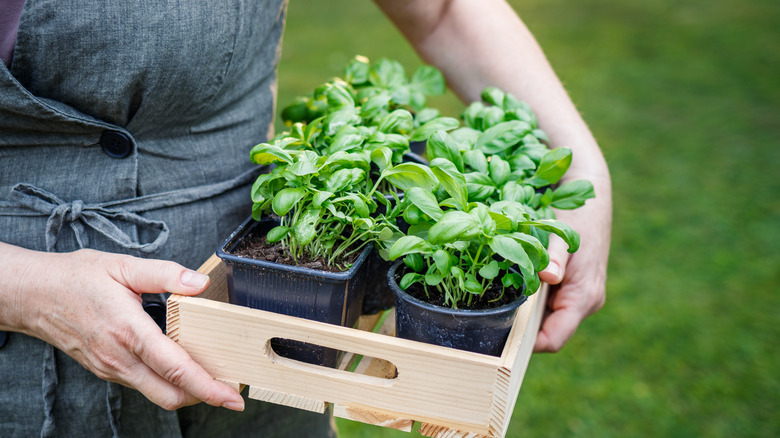
I do not underestimate the power of container gardening. For many people, it is the only way to grow basil, and from my experience, it can be just as successful as inground planting, if not more so. The biggest advantage of container gardening is the unparalleled control it gives you. You can precisely control the soil mix, ensuring it is perfect for basil's needs. You can also move the container to track the sun, protect the plant from extreme weather, or even bring it indoors for the winter. I recommend a container that is at least 6 to 12 inches in diameter with ample drainage holes. A smaller pot will dry out too quickly and restrict the plant's root growth. I do not use standard garden soil in my containers; I recommend a highquality potting mix that is specifically formulated for container use. These mixes are lighter, have better drainage, and are typically sterile, reducing the risk of pests and diseases. I do this by adding perlite or vermiculite to the mix to further improve aeration. I have found that this simple step can dramatically improve the health of my containergrown basil.
Watering and Feeding Container Basil: A Precise Science
From my experience, watering container basil is a more delicate art than watering inground basil. Because the soil volume is limited, it can dry out very quickly, especially on hot, sunny days. I do not rely on a schedule; I feel the soil. I recommend checking the soil moisture daily by sticking my finger about an inch or two into the soil. If it feels dry, I water thoroughly until water runs out of the drainage holes. I do this in the morning to give the plant time to absorb the water before the heat of the day. I also recommend feeding container basil more frequently. The frequent watering leaches nutrients out of the soil, so a regular feeding schedule with a diluted liquid fertilizer is essential. I do not overdo it. I recommend feeding every two to three weeks with a balanced liquid fertilizer at half the recommended strength. I have found this approach prevents nutrient burn while still providing the plant with the sustenance it needs for vigorous growth. I am meticulous about this process because I know that a wellfed, wellwatered plant is a happy plant.
The Indoor Basil Revolution: A YearRound Harvest
From my experience, the ability to grow basil indoors is a gamechanger for anyone who loves fresh herbs but lives in a climate with cold winters. I do not see indoor growing as a last resort; I see it as a fantastic opportunity for a continuous supply of fresh basil. However, indoor growing comes with its own set of challenges, and the best place to plant basil indoors is a very specific location. I recommend a spot that offers the maximum amount of light and a stable temperature. I do not believe in planting basil just anywhere; I believe in optimizing the environment for its success. I have found that a southfacing windowsill is the ideal location, as it provides the most direct sunlight throughout the day. I do not rely on natural light alone, especially in regions with short winter days. I recommend supplementing with a grow light. I have found that a simple LED grow light placed a few inches above the plant can make an incredible difference, preventing the leggy, weak growth that is so common with indoor basil. I do this for all my indoor herbs, and the results are undeniable. The plants are compact, healthy, and produce a steady supply of leaves. This is a strategy that I highly recommend for anyone who is serious about a yearround harvest.
Optimizing the Indoor Environment: Temperature, Humidity, and Airflow
From my experience, an indoor environment is more than just light. I have learned that temperature, humidity, and airflow are also critical. Basil prefers temperatures between 65°F and 80°F (18°C26°C), and it is very sensitive to cold drafts. I do not place my basil plants near a window that I open frequently or near a vent that blows cold air. I recommend a spot with a stable temperature. I have also found that indoor air can be very dry, especially in the winter with the heating on. Basil loves a bit of humidity. I do not overthink this; I simply mist the leaves with water every few days or place the pot on a tray of pebbles filled with water. The evaporation will create a humid microclimate around the plant. I also recommend ensuring there is some airflow to prevent fungal diseases like powdery mildew, which can be a problem in stagnant indoor air. A small fan can work wonders, mimicking a gentle breeze. I do not consider these minor details; I consider them essential components of a successful indoor growing strategy. They are a reflection of my belief that attention to detail is what separates a good gardener from a great one.
The Science of Basil Varieties: Choosing the Right Plant for the Right Place
From my experience, not all basil varieties are created equal, and the best place to plant basil can even depend on the specific type you choose. I do not just grow "basil"; I grow specific cultivars for specific purposes and locations. I recommend considering the characteristics of different basil types before you plant. For instance, the classic Genovese basil is a culinary powerhouse, but it is known to be more sensitive to temperature and prone to bolting. I do not plant this in a spot that will be subject to extreme heat fluctuations. I do, however, find it to be a perfect candidate for indoor growing or in a container that I can move to a sheltered spot. I have found that the smallerleafed varieties like 'Spicy Globe' and 'Bush' basil are more compact and perfect for small containers or a kitchen windowsill. They are less prone to sprawling and maintain a tidy shape. For gardeners in hot, humid climates, I recommend planting Thai basil, which is more tolerant of heat and humidity and is more resistant to fungal diseases. I do not hesitate to experiment with different varieties to find what works best in my specific environment. I have also had great success with 'Dark Opal' basil, which not only provides a beautiful deep purple color for my salads but is also more ornamental and can be a great addition to a flower bed. From my experience, the choice of variety is a critical part of the planting process that should never be overlooked.
Bolting Prevention: A Proactive Approach
I do not just react to a basil plant that is starting to bolt (flower and go to seed). I prevent it. From my experience, bolting is the death knell for a basil plant's flavor. Once the plant's energy shifts from producing leaves to producing flowers and seeds, the leaves become bitter and their essential oil content plummets. I recommend a proactive approach to prevent this, and the location you choose can play a big role. Planting basil in a spot that receives some afternoon shade in very hot climates can help delay bolting. I do this by using companion plants as a natural shade source. I also recommend a rigorous harvesting and pruning schedule. I do not simply pick leaves off the top; I pinch off the main stem just above a pair of leaves. This forces the plant to branch out and produce more foliage, delaying its flowering cycle. I do this every time I harvest, and I have found it to be the single most effective method for maintaining a continuous supply of fresh basil. I also recommend removing any flower buds that appear as soon as you see them. I do not wait; I nip them in the bud. This tells the plant to focus its energy on leafy growth, which is exactly what I want. From my experience, this small but consistent action is the key to a long and productive basil season.
Pests and Diseases: The Guardian's Mindset
I do not believe that planting your basil in the right place is the end of the story. From my experience, a healthy, wellplaced plant is your best defense against pests and diseases, but it is not a foolproof solution. I recommend a vigilant, proactive mindset. The best place to plant basil is a location that is easy for you to inspect regularly. I do this by planting my basil along a path I take every day so that I can quickly check the leaves for any signs of trouble. I recommend looking for common pests like aphids, spider mites, and Japanese beetles. I have found that a strong, healthy plant is less likely to be attacked, but if I do see an infestation, I act immediately. I do not reach for chemical pesticides. I recommend a simple solution of insecticidal soap or a strong jet of water from a hose to dislodge the pests. I have also had great success with companion planting to deter pests. As I mentioned before, planting basil near tomatoes can help, but I also recommend planting it near marigolds, which have a natural repellent quality. I do not see pests as a lost cause; I see them as a challenge to be met with a smart, integrated pest management strategy. I do not give up on a plant easily. I have found that a little bit of early intervention can save an entire crop.
Fungal Diseases: The Dangers of Dampness
From my experience, fungal diseases like fusarium wilt and downy mildew are the most significant threats to a basil plant, and their prevention is directly tied to the planting location. The best place to plant basil is a location with good air circulation. I do not crowd my basil plants. I recommend spacing them at least 12 inches apart to allow for proper airflow. This is a critical detail that I have seen countless gardeners overlook, leading to a disastrous outbreak of mildew. A dense canopy of leaves traps moisture, creating the perfect environment for fungal spores to thrive. I also recommend watering the soil, not the leaves. I do this by using a soaker hose or by watering at the base of the plant with a watering can. Watering the leaves, especially in the evening, leaves moisture on the foliage overnight, which can lead to fungal growth. I have found that this simple change in watering technique can be a powerful preventative measure. I do not take these risks with my basil; I am a firm believer in prevention over cure. I recommend that you be just as meticulous. From my experience, the difference between a fungal disaster and a thriving harvest is often just a matter of proper spacing and a smart watering routine. I do not see these as minor details; I see them as foundational principles of good gardening.
Beyond the Basics: Advanced Site Selection Strategies
I do not stop at the obvious considerations of sun and soil. From my experience, a truly masterful basil grower considers every possible variable. I recommend a deep dive into the nuances of site selection that can elevate your basil from good to truly exceptional. I have found that a comprehensive approach to location selection involves understanding the plant's life cycle, its relationship with its environment, and your own gardening habits. It is a holistic approach that I have honed over many years, and it is the strategy that I recommend for anyone who wants to achieve truly spectacular results. I do not believe in luck in gardening; I believe in preparation and precision. This section is a testament to that belief. It is where I share the insights that I have gained through countless seasons of trial and error. I do not believe there is a single detail too small to consider. Every factor contributes to the whole, and when all factors are in perfect alignment, the result is a basil plant that is a work of art.
The Role of Heat and Temperature Fluctuations
I do not just consider average temperature; I consider the extremes and the fluctuations. From my experience, basil is a warmweather herb that is highly sensitive to cold. The best place to plant basil is a location where it is protected from cold snaps, even in late spring or early fall. I have seen a single night of nearfreezing temperatures wipe out an entire basil crop. I recommend using a soil temperature gauge before planting. I do not plant my basil until the soil temperature has consistently reached at least 60°F (15°C). This is a crucial step that I have learned the hard way. I also recommend being prepared to cover your plants if an unexpected cold front is on its way. A simple sheet or a row cover can be the difference between survival and death. I do this by keeping a few sheets on hand for just such an emergency. This proactive measure is a reflection of my belief that a good gardener anticipates problems before they happen. I do not wait for the temperature to drop; I prepare for it. From my experience, a plant that has been stressed by cold will never recover to its full potential, so prevention is key. I have found that a warm, stable environment is the foundation of a happy, healthy basil plant. I also recommend a location that is protected from strong, cold winds, which can be just as damaging as a drop in temperature. I do this by planting my basil in a sheltered spot, perhaps near a wall that radiates heat at night. This small detail can provide a crucial buffer against the cold. It is this kind of meticulous planning that I have found makes all the difference. I do not leave success to chance; I engineer it.
The Impact of Soil Temperature and Mulching
I do not just consider air temperature; I consider soil temperature as well. From my experience, a warm soil is essential for the basil plant's root system to become established and for the plant to thrive. The best place to plant basil is in a spot that receives ample sunlight to warm the soil. I also recommend mulching around the base of the plant. I do this with a twotothreeinch layer of organic mulch, such as straw or shredded leaves. I have found that this practice has several benefits. First, it helps to retain moisture, which is crucial for basil, which has a relatively shallow root system. Second, it helps to suppress weeds, which compete with the basil for water and nutrients. Third, and most importantly, it helps to regulate soil temperature, keeping the roots warm during cool nights and preventing the soil from overheating on scorching days. I do not let the mulch touch the stem of the plant, as this can trap moisture and lead to stem rot. I recommend leaving a small gap around the stem. From my experience, this simple act of mulching can dramatically improve the health and vigor of your basil plants. It is a fundamental practice that I have found to be indispensable. I do not see mulching as an optional extra; I see it as a necessary part of a comprehensive growing strategy. It is one of the many small details that, when combined, lead to a truly remarkable result. I recommend that you make it a part of your basil care routine as well. I have found that it is one of the most effective ways to ensure a successful harvest. I do not just recommend a practice; I explain the science behind it. Mulch, from my experience, is a powerful tool for creating the ideal microenvironment for your basil plants. I do this not only for my inground plants but for my container plants as well, where it can be even more beneficial.
The Strategic Use of Companion Planting
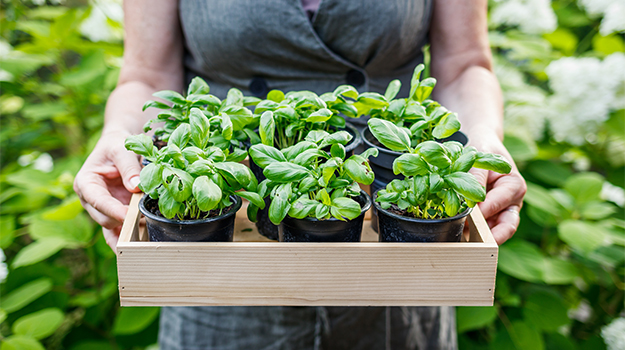
I do not just plant basil in a random spot. I am a firm believer in the power of companion planting, and from my experience, the best place to plant basil is in a location where it can benefit from the plants around it. I have found that basil can have a mutually beneficial relationship with a number of other plants, and I recommend using this knowledge to your advantage. As I mentioned before, planting basil near tomatoes is a classic combination that I have found to be incredibly effective. I do not just plant them next to each other; I plant them in alternating rows or in close proximity within a container. I have also found that basil can improve the flavor of certain vegetables, and I do this by planting it near peppers and oregano. From my experience, this can lead to a more flavorful harvest for both the basil and the vegetables. I also recommend planting basil near plants that are attractive to beneficial insects. Basil's flowers, if you let them bloom, can attract pollinators like bees and butterflies, as well as predatory insects like lacewings and ladybugs that feed on pests like aphids. I have found that this natural pest control is far more effective and sustainable than any chemical spray. I do not rely on a single strategy for pest management; I use a multifaceted approach, and companion planting is a cornerstone of that strategy. I recommend that you view your garden not as a collection of individual plants but as a single, interconnected ecosystem. When you do, you can use the relationships between plants to create a healthier, more productive garden. I have found that this is one of the most rewarding aspects of gardening. It is a subtle art, and when done correctly, it can lead to a truly remarkable harvest.
Troubleshooting and Problem Solving: A Master Gardener's Perspective
I do not believe that every problem in the garden is a sign of failure. From my experience, it is an opportunity to learn and adapt. The best place to plant basil is a location that you can easily monitor and troubleshoot. I recommend being a detective in your garden, constantly observing your plants for any signs of distress. I have found that the symptoms of a problem—yellowing leaves, stunted growth, or wilting—are often a direct result of an issue with the planting location or care routine. I do not just react to a problem; I diagnose it. This section is a guide to the most common basil problems and how I have learned to solve them, almost always by looking at the environmental factors first. I have found that a little bit of detective work can prevent a minor issue from becoming a major disaster. I do not believe in guesswork; I believe in a methodical, scientific approach to problemsolving. It is this mindset that I recommend to anyone who is serious about growing basil. It is the difference between a frustrating experience and a rewarding one. From my experience, a problem is just a puzzle waiting to be solved, and a successful solution is the mark of a skilled gardener. I do not get discouraged; I get curious.
Leggy, Spindly Basil: The Light Deficiency Dilemma
I do not need to ask what the problem is when I see a leggy, spindly basil plant. From my experience, it is almost always a sign of insufficient light. The plant is stretching and reaching for a light source that is too far away or too weak. I recommend a simple and effective solution: move the plant to a sunnier location. For container plants, this is a simple matter of relocating the pot. For inground plants, it might mean planning ahead for the next season or, in some cases, providing supplemental light with a grow light. I do not wait for the plant to get worse. I act as soon as I see the first signs of stretching. I have found that a plant that has become too leggy will never be as robust as one that has had ample light from the beginning. I also recommend pruning the top of the plant to encourage bushier growth. I do this by pinching off the top few inches of the main stem, just above a set of leaves. This forces the plant to branch out, creating a more compact and productive plant. From my experience, this simple act of pruning, combined with a move to a sunnier location, can revive a struggling plant. I do not consider a leggy plant a lost cause; I consider it a plant that is telling me it needs more light. I recommend that you listen to your plants; they are very good at communicating their needs. I have found that this is one of the most important skills a gardener can develop. It is the ability to read the signs that the plants are giving you and to respond accordingly. I do not ignore these signals; I act on them. This is the difference between an average gardener and a master gardener. I have found that it is a habit that pays off in a big way.
Yellowing Leaves: A Sign of Water or Nutrient Imbalance
From my experience, yellowing leaves are a common problem with basil, and they can be caused by a number of factors, most of which are related to the plant's environment. I do not just assume a single cause; I look for a pattern. If the lower leaves are turning yellow, it can be a sign of overwatering. Overwatering suffocates the roots, preventing them from taking up oxygen and nutrients, and leading to root rot. I recommend checking the soil moisture before watering. I do this by sticking my finger into the soil. If it feels moist an inch or two down, I wait. If the soil is waterlogged, I recommend stopping watering and allowing the soil to dry out. For container plants, this can mean moving the pot to a drier location or repotting with a more welldraining mix. I have found that a plant that has been overwatered will often recover if the problem is caught early. If the yellowing is more widespread and the leaves look pale and anemic, it can be a sign of a nitrogen deficiency. As I mentioned before, basil is a heavy feeder, and it will quickly deplete the nitrogen in the soil. I recommend a simple solution: a light application of a nitrogenrich liquid fertilizer. I do this by diluting a balanced fertilizer to half the recommended strength and applying it every two weeks. From my experience, a little bit of fertilizer can make a dramatic difference in the color and vigor of the leaves. I do not see a plant with yellowing leaves as a failure; I see it as a plant that is telling me what it needs. I recommend that you learn to read these signs and respond accordingly. I have found that it is a crucial skill for any gardener. It is the difference between a plant that struggles and a plant that thrives. I do not guess; I diagnose. I have found that this approach is the most effective way to solve problems in the garden.
Bolting and Flowering: Managing a Natural Process
I do not just let my basil plants bolt and go to seed. From my experience, a flowering basil plant has a much lower quality of leaf flavor. The plant's energy shifts from producing the aromatic essential oils in its leaves to creating flowers and seeds. The leaves become woody and bitter. I do not consider bolting a failure, but I do consider it a natural process that needs to be managed if you want to continue harvesting fresh leaves. I recommend a simple and consistent strategy: pinching off the flower buds as soon as they appear. I do this by pinching the stem just below the flower bud, at a leaf node. This tells the plant to focus its energy on new leafy growth, rather than on flowering. I also recommend a rigorous and consistent harvesting schedule. I do not just pick a few leaves here and there. I harvest a significant portion of the plant on a regular basis. I do this by cutting the stems back by about a third, again, just above a leaf node. This encourages the plant to become bushier and more productive. From my experience, a basil plant that is regularly harvested and pruned will have a much longer and more productive life. I have found that this is one of the most effective ways to delay bolting and to ensure a continuous supply of fresh basil. I do not view pruning as a chore; I view it as an essential part of the care routine. It is a way of telling the plant what I want it to do. I have found that the plant responds beautifully to this kind of guidance. I do not just let the plant do its own thing; I guide it toward a more productive outcome. It is a subtle art, but it is one that I highly recommend. From my experience, a little bit of proactive management can make all the difference in the world.
The Ideal Planting Schedule: Timing is Everything
I do not believe that the best place to plant basil is just about a physical location. From my experience, it is also about timing. The best time to plant basil is as important as where you plant it. I recommend a precise planting schedule that takes into account your local climate and the unique needs of the basil plant. I have found that planting too early in the spring, before the soil has warmed up, can stunt the plant's growth and make it more susceptible to disease. Planting too late can result in a smaller harvest before the cold weather sets in. I do not just guess; I consult my local last frost date and the soil temperature. I recommend waiting until all danger of frost has passed and the soil has consistently reached at least 60°F (15°C). I do this by using a soil thermometer, which I consider to be an essential tool for any serious gardener. I have found that planting at the right time gives the plant a strong, healthy start, which is the foundation of a successful growing season. I also recommend succession planting for a continuous harvest. I do this by planting a new batch of basil seeds or seedlings every few weeks throughout the growing season. This ensures that I always have fresh, tender basil on hand and that I am not left with a single, massive harvest that I cannot use. From my experience, this is one of the most effective strategies for maximizing your yield. I do not plant all my basil at once; I plant it in waves. This is a subtle but powerful technique that I highly recommend. It is this kind of thoughtful, longterm planning that I believe separates a good gardener from a great one. It is a testament to my belief that gardening is not just about what you do in the moment, but also about what you do to prepare for the future. I have found that this kind of forwardthinking approach is the key to a truly bountiful harvest.
Preparing for the End of the Season: A Strategic Harvest
I do not just let my basil plants die with the first frost. From my experience, I see the end of the season as a final opportunity for a great harvest. The best place to have a basil plant at the end of the season is in a location where you can easily bring it indoors or harvest it for preservation. I recommend a final, strategic harvest just before the first frost. I do this by cutting the entire plant down to the ground. I have found that this final harvest provides me with enough basil to make a large batch of pesto, which I freeze in ice cube trays for use throughout the winter. This is a simple but effective way to extend the enjoyment of my harvest long after the growing season has ended. I also recommend a more radical approach for those who want a yearround supply: bring the entire plant indoors. I have found that this is a great option for containergrown basil. I do this by cutting the plant back by about a third, repotting it if necessary, and bringing it indoors to a sunny window. I have found that the plant will continue to produce leaves, albeit at a slower rate, throughout the winter. I do not let the plant get too big indoors; I keep it pruned and compact. I have found that this is the best way to ensure its survival. From my experience, this final act of care and planning is just as important as the first act of planting. It is a testament to my belief that a true gardener is always thinking ahead. I do not let a single leaf go to waste; I use every bit of my harvest to its full potential. This is a philosophy that I have found to be incredibly rewarding. It is the culmination of all the work and care that has gone into the plant, and it is a final, satisfying reward for a job well done. I recommend that you approach the end of your growing season with the same kind of thoughtful, strategic mindset. It is a powerful way to end the season on a high note. I have found that it is one of the most satisfying parts of the gardening experience. It is the final act of a long and rewarding journey, and it is a testament to the power of a wellexecuted plan.


Comments
Post a Comment