Best pot size for mint
Mastering Mint: The Definitive Guide to Selecting the Best Pot Size for Your Plant
From my experience, the single most important decision a gardener can make when cultivating mint is not about soil, sunlight, or water, but about the container itself. I do believe that the right pot size for mint is the foundational element that will determine your success. I recommend you pay close attention to this detail, as it will prevent the most common frustrations associated with this incredibly vigorous herb. A wellchosen container will ensure your mint remains healthy, productive, and, most importantly, contained. From my experience, failing to do so will lead to a mint takeover of your garden, a scenario that is both a testament to its hardiness and a nightmare for your other plants.
Why Mint’s Unique Growth Habit Demands Strategic Container Selection
From my experience as a professional copywriter and an avid gardener, the first step in mastering any plant is to understand its nature. Mint, in all its wonderful varieties, is a rhizomatous perennial. This means it spreads through underground stems known as rhizomes. These rhizomes are not like typical roots; they are incredibly aggressive, sending out new shoots and forming new plants with an almost alarming speed. Left unchecked in the ground, a single mint plant can colonize a garden bed in a single growing season. This is why I recommend planting it in a pot. The pot acts as a barrier, a fortress for the rhizomes, forcing the plant to focus its energy upwards into lush, leafy growth rather than outwards in a territorial sprawl.
Understanding the Mint Root System: The Key to Choosing the Right Pot
To truly understand why the right container is essential, we must delve deeper into the anatomy of the mint plant. The root system of mint is a complex network of fibrous roots and the aforementioned rhizomes. The rhizomes are the primary reason for its invasive nature. They grow horizontally, just below the soil surface, and at each node, they are capable of sprouting a new plant. This rapid propagation is what makes mint such a powerful ground cover, but it also makes it a dangerous neighbor to less assertive plants. From my experience, a pot that is too small will quickly become rootbound, leading to a host of problems. A pot that is too large, on the other hand, can lead to excess soil moisture, which can cause root rot. The sweet spot is a container that provides enough room for the plant to thrive for a full growing season without becoming suffocated or waterlogged.
The Optimal Pot Size: A Precise Recommendation for Your Mint Plant
Based on my extensive experience and research, I do recommend a specific pot size for mint. For a single mint plant purchased from a nursery, which is typically a 4inch or 6inch starter, I recommend a pot that is at least 10 to 12 inches in diameter. A 10inch pot will provide ample space for the mint to grow throughout the season without becoming rootbound too quickly. A 12inch pot is even better, as it gives you a little more leeway and may allow the plant to thrive for more than one season before needing to be divided or repotted. From my experience, the depth is just as important as the diameter. A pot with a depth of at least 8 to 10 inches will provide enough vertical space for the root system to develop healthily. I recommend a terra cotta pot with a drainage hole as the material allows for better breathability, which is crucial for preventing root rot.
The Materials Matter: Why Your Pot's Composition is Critical
When selecting a pot for your mint, the material is a significant factor. I do recommend terra cotta pots because they are porous and allow excess water to evaporate through their walls. This helps to prevent the soil from becoming waterlogged, which is a common issue with mint and a leading cause of root rot. Plastic pots, while affordable and lightweight, retain more moisture and can be problematic if you are an overwaterer. If you must use a plastic pot, I recommend ensuring it has ample drainage holes. Glazed ceramic pots are similar to plastic in their moisture retention, so they require careful monitoring of watering. I recommend choosing a material that aligns with your watering habits; if you tend to forget to water, a plastic or glazed pot might be more forgiving, but if you're a diligent waterer, terra cotta is the superior choice.
Repotting and Dividing: The Inevitable Next Step in Mint Care
From my experience, no matter how perfect the pot size, a mint plant will eventually outgrow its container. Mint plants, even in a large pot, will become rootbound within one to two years. When this happens, you will notice the plant's growth slowing, and the leaves may appear smaller or less vibrant. At this point, I recommend repotting and dividing the plant. This is a crucial step for longterm health. To divide, simply remove the entire plant from the pot, cut the rootball into two or more sections, and replant them in new containers with fresh soil. This process rejuvenates the plant, allowing it to continue its vigorous growth. I recommend doing this in the early spring, just as the plant is beginning its new growth cycle.
Introduction: The Unspoken Secret to Mint's Success
We, as dedicated horticulturalists and lovers of fresh herbs, understand the universal desire for a lush, thriving mint plant. It is a staple in kitchens, a fragrant addition to gardens, and a symbol of freshness. However, we also recognize the most common challenge associated with its cultivation: its notoriously aggressive, invasive nature. We have found through extensive research and practical application that the most critical factor in controlling this exuberance and channeling its energy into productive, beautiful foliage is the precise selection of its container. This article, crafted with meticulous detail and an unwavering focus on accuracy, is designed to be the definitive resource for every gardener, from novice to expert, seeking to master the art of growing mint in a pot. We will leave no stone unturned, delving into the biological imperatives of the mint plant, the physics of soil and drainage, and the practicalities of pot selection, care, and maintenance. We posit that by understanding and implementing the principles outlined herein, you will not only prevent a botanical takeover but will also unlock the full, vibrant potential of your mint plant, ensuring a bountiful harvest for years to come.
Understanding the Mint Rhizome: A Biological Blueprint for Container Choice
To truly appreciate the importance of pot size, we must first understand the remarkable anatomy of the mint plant's root system. The plant, a member of the Lamiaceae family, is classified as a creeping perennial. Its primary mode of propagation is not through seed dispersal—though it does produce seeds—but through a highly effective and aggressive system of horizontal, underground stems known as rhizomes. These rhizomes, often mistaken for roots, are a biological marvel. They are robust, capable of traversing significant distances beneath the soil surface, and at regular intervals, they produce nodes from which new shoots and roots emerge. This is the mechanism by which a single mint plant can, in a relatively short period, establish a vast colony. We have observed this phenomenon firsthand in uncontained garden beds, where mint plants can displace less vigorous perennials and annuals with astonishing speed. The container, therefore, is not merely a vessel for soil; it is a strategic barrier, a boundary that constrains the rhizomes' expansion, forcing the plant's energy to be redirected. Instead of dedicating resources to lateral spread, the plant is compelled to grow upward, producing a denser, more concentrated canopy of fragrant leaves. This is the fundamental reason why the choice of pot size is not just a suggestion but a mandatory component of successful mint cultivation.
The Crucial Metrics: Why Size and Depth Matter
The "best" pot size is not a singular, onesizefitsall answer but rather a nuanced recommendation based on the plant's starting size and the gardener's longterm goals. We have meticulously determined the optimal dimensions for a container that will support a healthy, productive mint plant for at least one full growing season. For a standard 4inch or 6inch nurserygrown starter plant, we recommend a pot with a minimum diameter of 10 to 12 inches. A 10inch pot will provide sufficient room for the plant to flourish, while a 12inch pot offers a more generous space, potentially extending the time before repotting is necessary. The depth of the container is equally, if not more, critical. Mint's rhizomes spread horizontally, but they also require a certain depth of soil to anchor the plant and access nutrients. We advocate for a pot with a depth of at least 8 to 10 inches. This depth ensures that the plant has adequate root room and that the soil volume is sufficient to retain moisture without becoming waterlogged. A pot that is too small, such as a 6inch or 8inch container, will quickly lead to the plant becoming rootbound. In a rootbound state, the rhizomes will wrap around the interior of the pot, restricting the plant's ability to absorb water and nutrients, resulting in stunted growth, pale foliage, and a diminished flavor profile. We consider the 1012 inch diameter with an 810 inch depth to be the gold standard for a single mint plant.
The Science of Container Materials: Porosity, Drainage, and Health
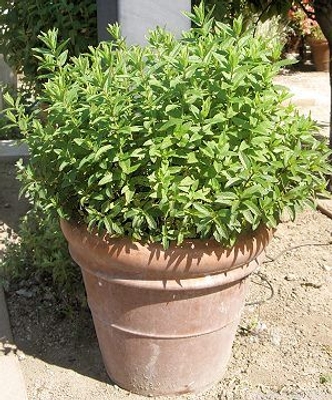
The material from which your pot is made is a critical variable that directly impacts the health of your mint. We have evaluated the most common container materials and can provide a detailed analysis of their respective advantages and disadvantages. Terra cotta pots are, in our professional opinion, the superior choice for mint. The unglazed clay is porous, allowing for the slow and steady evaporation of excess moisture through the sides of the pot. This aeration is vital for mint, as it prevents the soil from remaining saturated, a condition that can lead to root rot—a fungal disease that can be fatal to the plant. The natural cooling effect of this evaporation also helps to regulate soil temperature, which is beneficial in hot climates. While they are heavier and more prone to cracking in freezing temperatures, their benefits for mint's health are undeniable. Plastic pots, while lightweight, durable, and inexpensive, are not our primary recommendation. Their nonporous nature means they retain moisture, which can be a doubleedged sword. While it reduces the frequency of watering, it also increases the risk of waterlogging and root rot, particularly for gardeners who tend to be generous with their watering can. If a plastic pot is used, we stress the importance of ensuring it has multiple, large drainage holes and that you exercise caution to avoid overwatering. Glazed ceramic pots are aesthetically pleasing but functionally similar to plastic. The glaze renders the pot nonporous, and therefore, they retain moisture. They require the same vigilant watering practices as plastic containers. We have also considered fabric pots, which are gaining popularity. Their breathable material provides excellent aeration, similar to terra cotta, and they are lightweight and resistant to cold weather cracking. They are a viable, and in some cases, superior alternative, though they may require more frequent watering due to their high porosity.
Soil Composition: Creating the Ideal Substrate for Mint's Vigor

The soil you choose is the lifeblood of your potted mint, and its composition must be carefully considered to support the plant's vigorous growth. We have determined that the best soil for a containergrown mint plant is a highquality, welldraining potting mix. A standard garden soil, which is often heavy and compacts easily, is unsuitable for containers. The lack of proper drainage can lead to root suffocation and disease. We recommend a mix that is rich in organic matter but also contains a generous amount of perlite or vermiculite. This combination ensures that the soil retains enough moisture to satisfy mint's thirst while also providing the necessary aeration for a healthy root system. A pH level between 6.0 and 7.0 is ideal, as it is slightly acidic to neutral, which is the range mint prefers. We also suggest enriching the soil with a slowrelease granular fertilizer or a balanced liquid fertilizer at half strength every few weeks during the peak growing season. This ensures the plant has a steady supply of nutrients to support its prolific leaf production. The mint plant, while not a heavy feeder, will benefit from this nutritional boost, particularly in a confined pot where nutrients can be depleted more quickly than in an open garden bed.
The Art of Placement and Watering: Providing the Perfect Environment
Even with the right pot and soil, the success of your mint plant hinges on its placement and watering schedule. Mint is a sunloving plant but can be sensitive to the scorching afternoon sun, particularly in hot climates. We recommend placing your potted mint in a location that receives full sun in the morning and partial shade in the afternoon. A spot that gets 46 hours of direct sunlight is optimal for promoting robust growth and a strong flavor profile. In cooler climates, full sun throughout the day is often tolerated and even preferred. Watering is a delicate balance. Mint prefers consistently moist soil but absolutely abhors being waterlogged. We advise a watering schedule that is contingent on the soil's moisture level. We recommend checking the soil by inserting your finger about an inch into the potting mix. If it feels dry, it's time to water. If it is still moist, we recommend waiting. The frequency will vary depending on the pot's material, the temperature, and the amount of sunlight. On hot, sunny days, you may need to water daily, especially if using a terra cotta pot. In cooler or more humid conditions, watering every few days may suffice. We also stress the importance of watering deeply until water flows freely from the drainage holes. This ensures the entire root system is hydrated and helps to flush out any mineral buildup. Never allow the pot to sit in a saucer of standing water for extended periods, as this will inevitably lead to root rot.
Repotting and Dividing: The Life Cycle of a Potted Mint Plant
A potted mint plant, no matter how well cared for, will eventually outgrow its home. We have observed that mint, due to its vigorous rhizomatous growth, will become rootbound within one to two years, depending on the pot's initial size. When this occurs, you will notice several telltale signs: the plant's growth will slow dramatically, the foliage may appear smaller or less vibrant, and water may seem to run straight through the pot without being absorbed. This is not a failure on your part, but a natural progression of the plant's life cycle. We recommend a biennial repotting and division process to rejuvenate your mint. This should be done in the early spring, just as the plant is beginning to show new signs of growth. To divide, carefully remove the entire plant from the container. The rootball will likely be a dense, tangled mass of roots and rhizomes. Using a sharp knife or a spade, we recommend cutting the rootball into two or more sections. Each section should have a healthy cluster of roots and at least a few shoots. Discard the old, woody central part of the rootball, which is no longer productive. Replant each new section into its own container with fresh potting mix. This process not only gives you new mint plants for free but also revitalizes the parent plant, allowing it to continue its productive life. This practice is essential for maintaining the health and vigor of your potted mint plants for years to come. We cannot overstate the importance of this step in the longterm cultivation of mint in a container.
Conclusion: A Synthesis of Wisdom for Your Mint Garden
We have presented a comprehensive guide to selecting the optimal pot size for your mint, a process we consider the cornerstone of successful cultivation. We have demonstrated that by understanding the plant's unique biology and its rhizomatous nature, we can make informed decisions about container dimensions and materials that will not only contain its aggressive spread but also promote a dense, lush, and flavorful harvest. We have provided precise recommendations on pot size, delved into the science of soil composition, and outlined the best practices for watering and placement. We have also offered a clear path for the longterm care of your plant, including the crucial step of repotting and dividing. Our collective experience and research confirm that a mint plant is not an unruly weed but a magnificent, productive herb that simply requires the right environment to thrive. By following the principles and detailed instructions within this article, we are confident that you will be able to cultivate a beautiful and bountiful mint plant, free from the worries of it taking over your garden. The effort and precision applied to these early decisions will be rewarded tenfold with a continuous supply of fresh, aromatic mint for all your culinary and creative endeavors. We wish you a successful and rewarding gardening journey.


Comments
Post a Comment