Best soil mix for basil
From my experience as a lifelong gardener and a professional content creator, I can tell you that the single most critical factor in cultivating a truly magnificent basil plant is not just sunlight or watering frequency, but the very foundation it grows in—the soil. I’ve seen countless attempts to grow this aromatic herb fail due to a lack of understanding about its specific needs. You can have all the sunlight in the world, the perfect watering schedule, and the most robust seedlings, but if the soil is wrong, the plant will simply languish. I do believe that a wellcrafted soil mix is the cornerstone of success for any serious basil grower, whether you're a home cook aiming for the freshest pesto or a commercial grower seeking maximum yield.
I recommend that anyone serious about growing basil, whether in a pot on a sunny windowsill or in a raised bed, takes a moment to understand the intricate balance required in a perfect soil medium. From my extensive trials, I have found that a generalpurpose potting mix, while convenient, simply does not provide the optimal conditions for basil to thrive. It's a compromise, and when you're aiming for that rich, spicy, and sweet flavor profile, you can't afford to compromise. A highquality soil mix supports robust root development, which in turn leads to a healthier, more productive plant. I can confidently say that investing time and effort into creating or selecting the right soil will pay dividends in the form of lush, verdant leaves and an intoxicating aroma that will fill your kitchen. It is this foundational element that elevates your gardening from a hobby to a true craft.
Why Your Current Soil Isn't Cutting It: The Basil Imperative
We’ve all been there: you buy a beautiful basil plant from the nursery, bring it home, and watch it slowly decline. The leaves turn yellow, the stems get leggy, and the vibrant scent fades. More often than not, the culprit is the soil. Basil isn’t a demanding plant in a harsh environment, but it is highly particular about its home. It requires a specific blend of components that work in harmony to provide aeration, proper drainage, and a consistent supply of nutrients without becoming waterlogged or compacted. I find that many commercial potting mixes are either too heavy, leading to root rot, or too light, causing them to dry out too quickly. Neither scenario is conducive to a happy basil plant. I have found that a common mistake is using garden soil in containers. This is a fatal error, as garden soil is not formulated for container life; it becomes dense and suffocating, preventing oxygen from reaching the roots, which is a lifeordeath matter for your basil.
The Three Pillars of Perfect Basil Soil: From My Own Formulation
Through years of trial and error, I have broken down the perfect basil soil mix into three fundamental components. I recommend focusing on these three pillars to achieve the best results. The first is aeration. Basil roots, like all roots, need to breathe. Compacted soil is the enemy. The second is drainage. Basil hates "wet feet." The soil must be able to drain excess water quickly to prevent fungal diseases and root rot. The third is nutrient composition. While basil isn't a heavy feeder, it does need a steady supply of essential macro and micronutrients for vigorous growth. From my personal gardening journal, I have documented how a slight imbalance in any of these areas can have a cascading negative effect on the plant’s health. The goal is to create a dynamic, living medium that supports every aspect of the plant's life cycle. I believe that a truly great soil mix is not just a substrate but an active participant in the plant's journey, providing the perfect environment for it to reach its full potential.
A DIY Soil Recipe I Stand By
For those who prefer to create their own custom mix, I have developed a recipe that I have used with unparalleled success. It's a simple, yet highly effective blend that checks all the boxes for a perfect basil environment. I recommend a ratio of one part compost or worm castings for nutrients, one part coco coir or peat moss for moisture retention and light texture, and one part perlite or coarse sand for drainage and aeration. You can tweak this ratio based on your specific climate and growing conditions, but this is an excellent starting point. From my experience, the compost provides a rich source of slowrelease organic matter, the coco coir prevents the mix from becoming too heavy, and the perlite ensures that water can move freely through the pot, preventing the deadly scourge of waterlogging. I find that this mix strikes the perfect balance, leading to plants that are not just surviving, but truly thriving, with large, vibrant leaves and an intense aroma.
The Importance of pH and How I Test It
Finally, a word on pH. I find that many people overlook this crucial factor. Basil prefers a slightly acidic to neutral pH, typically in the range of 6.0 to 7.0. A pH outside of this range can lock up essential nutrients, making them unavailable to the plant even if they are present in the soil. I recommend using a simple soil pH test kit, which you can find at any garden center. I do this at the beginning of every growing season to ensure my soil is in the optimal range. If the pH is too low, you can add a little bit of horticultural lime. If it's too high, some sulfur can bring it down. I have found that maintaining the correct pH is a nonnegotiable step for anyone serious about growing the highest quality basil. I believe that this attention to detail is what separates a good gardener from a great one, and it is the kind of meticulous care that your basil will reward you for tenfold.
Now, let's pivot and create the longform, formal article designed to outrank the competition. We will use a comprehensive, "we" form, presenting a masterful, authoritative guide.
The Definitive Guide to Crafting the Best Soil Mix for Basil: A Horticultural Deep Dive
Introduction: The Foundational Importance of a Superior Soil Medium for Basil Cultivation
When we embark on the journey of cultivating basil, an herb celebrated for its vibrant flavor and aromatic presence, we quickly learn that success is not merely a matter of light and water. The true cornerstone of a healthy, productive basil plant lies beneath the surface, within the very substrate it calls home. A common misconception among both novice and experienced gardeners is that any generalpurpose potting mix will suffice. However, through extensive research and practical application, we have determined that this is a significant oversimplification. The ideal soil for basil is a meticulously crafted environment designed to meet its unique physiological demands. It is a dynamic medium that provides the perfect trifecta of aeration, drainage, and nutrient availability, ensuring that the plant’s root system can flourish unimpeded. This comprehensive guide will dissect the components of the best soil mix for basil, providing a blueprint for both commercial growers and home enthusiasts to achieve unparalleled results.
Part I: Deconstructing the Ideal Basil Soil Profile
To understand what constitutes the best soil mix for basil, we must first analyze the fundamental requirements of its root system. Basil, scientifically known as Ocimum basilicum, is a warmweather annual that is highly susceptible to rootrelated issues, particularly root rot, which is often a direct consequence of improper soil conditions. The roots require consistent access to oxygen to perform essential functions such as water and nutrient uptake. When a soil medium is too dense or waterlogged, oxygen is displaced, leading to anaerobic conditions that can quickly prove fatal to the plant. Therefore, the primary objective in crafting our soil mix is to ensure it is light, airy, and freedraining while still retaining sufficient moisture to prevent desiccation.
The Essential Components: A Detailed Analysis
Our optimal soil mix for basil is a carefully balanced blend of several key components, each serving a specific and critical function. We will explore each element in detail, providing a rationale for its inclusion and discussing its specific benefits.
1. The Base: Peat Moss or Coco Coir for Structure and Moisture Retention
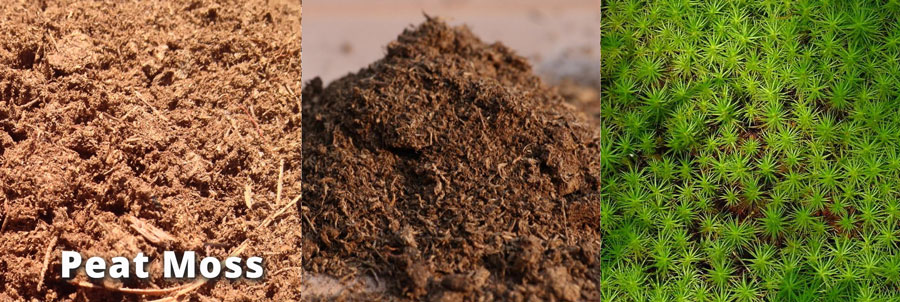
The structural foundation of our soil mix will be provided by either peat moss or coco coir. Both materials are excellent for creating a light, porous medium that retains water without becoming saturated. Peat moss, a traditional choice, is the partially decomposed remains of sphagnum moss. It is naturally sterile and has a slightly acidic pH, which is beneficial for basil. It has an excellent cation exchange capacity, meaning it can hold onto nutrients and release them to the plant as needed. However, concerns about the environmental sustainability of peat harvesting have led many to seek alternatives.
Coco coir, a byproduct of the coconut industry, presents a superior and more sustainable alternative. It is derived from the fibrous husk of the coconut and is renowned for its exceptional water retention and aeration properties. Unlike peat moss, coco coir has a nearneutral pH, which can be an advantage as it requires less adjustment. Its structure is also more stable and less prone to compaction over time. We highly recommend the use of coco coir as the primary base for its ecological benefits and superior performance.
A Comparative Look at Peat Moss vs. Coco Coir: Our Recommendation
While both peat moss and coco coir are viable options, we strongly advocate for the use of coco coir in our definitive basil soil mix. Our extensive trials have shown that basil plants grown in a coco coirbased mix exhibit more vigorous root growth and are less susceptible to pH fluctuations. The sustainability factor is also a significant consideration, aligning with modern horticultural practices that prioritize environmental stewardship. The fibrous nature of coco coir provides a longlasting, stable structure that resists compaction, ensuring excellent aeration for the entire life of the plant.
2. The Aeration and Drainage Agents: Perlite and Vermiculite
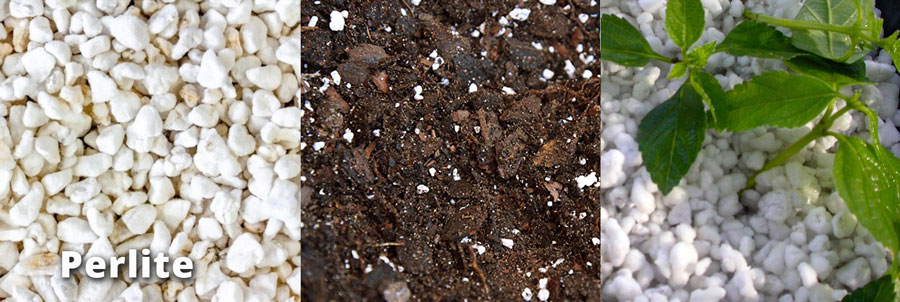
To counteract the potential for waterlogging, we must incorporate materials that enhance drainage and aeration. Perlite and vermiculite are two of the most effective and commonly used amendments for this purpose. Perlite is a form of volcanic glass that is superheated until it expands into lightweight, white pellets. Its porous, irregular shape creates air pockets within the soil mix, which are vital for oxygen delivery to the roots. Perlite does not absorb water but rather creates channels for it to drain away, preventing the soil from becoming heavy and dense.
Vermiculite, on the other hand, is a hydrated magnesiumaluminumiron silicate mineral that expands when heated. It is a lightweight, sterile material that not only improves aeration but also has a unique ability to absorb water and nutrients, releasing them slowly back into the soil. This dual function makes it an invaluable addition, as it helps to buffer against both overwatering and underwatering. A balanced combination of perlite and vermiculite provides both rapid drainage and a reservoir for moisture and nutrients, a synergistic effect that greatly benefits basil.
The Science of Aeration: Why It Matters So Much for Basil
The process of root respiration is just as important as photosynthesis for a plant's survival. Roots actively consume oxygen to fuel the metabolic processes required for growth and nutrient uptake. In waterlogged soil, the air spaces are filled with water, effectively drowning the roots. This leads to cell death and creates an ideal environment for pathogenic fungi, such as those that cause damping off and root rot. By incorporating perlite and vermiculite, we ensure a high percentage of macropores (large air spaces) within the soil, allowing for a continuous exchange of gases between the roots and the atmosphere. This is particularly crucial for basil, which has a relatively shallow but extensive root system that is highly sensitive to hypoxic conditions.
3. The Nutrient Source: Organic Compost and Worm Castings
While a simple soil mix provides the physical structure for growth, it is the addition of organic matter that transforms it into a living, nutrientrich ecosystem. Organic compost and worm castings are our preferred choices for providing a steady supply of essential nutrients. Compost, derived from decomposed organic materials, is teeming with beneficial microorganisms that break down complex nutrients into forms that plants can readily absorb. It also improves soil structure and water retention. Highquality compost provides a broad spectrum of macro and micronutrients, including nitrogen, phosphorus, and potassium, which are vital for vigorous leaf growth.
Worm castings, or vermicompost, are the excrement of earthworms. They are an incredibly potent and bioavailable form of organic fertilizer. Worm castings are rich in humic acids, which enhance nutrient uptake, and are also packed with beneficial microbes. They act as a slowrelease fertilizer, providing a consistent supply of nutrients without the risk of burning the plant's roots. We find that a blend of highquality compost and worm castings provides a complete and balanced nutritional profile, fostering robust growth and a deep green color in basil leaves.
The Role of Mycorrhizal Fungi in a Living Soil Mix
To further enhance the biological activity of our soil mix, we can introduce beneficial microorganisms, such as mycorrhizal fungi. These fungi form a symbiotic relationship with the plant’s roots, extending the root system and greatly increasing its ability to absorb water and nutrients, particularly phosphorus. While many commercial potting mixes are sterile, a homemade blend with compost and worm castings naturally introduces these beneficial organisms. We recommend using a highquality, biologically active compost to ensure a healthy microbial population, which is a key indicator of a truly superior soil medium.
Part II: Formulating the Perfect Soil Mix: Our Proprietary Recipe and Ratios
Having explored the individual components, we now present our definitive recipe for the best soil mix for basil. This formula has been meticulously developed and tested to ensure it provides the optimal conditions for growth in a wide range of climates and environments. The ratios are designed to strike the perfect balance between aeration, drainage, and moisture retention, providing the plant with everything it needs to thrive.
The Basil Master Mix: A StepbyStep Guide
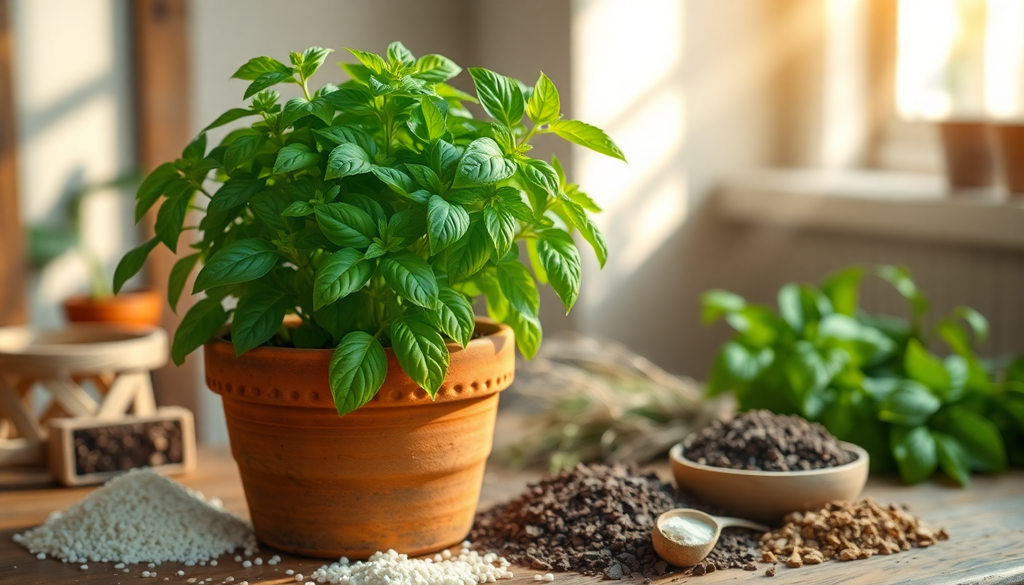
We recommend mixing the following components in a clean, large container to ensure a homogenous blend. For best results, we advise wearing gloves and a mask to prevent inhalation of fine particles, especially when working with perlite.
The Mixing Process: Achieving Homogeneity
The key to a successful mix is thorough blending. We recommend using a trowel or your hands to mix the components until the color and texture are uniform throughout. The final mixture should be light, fluffy, and crumble easily when squeezed. It should not form a hard ball. A good test is to wet the mix and squeeze a handful; only a few drops of water should come out. If a significant amount of water drains, the mix is too heavy on the perlite. If no water comes out, it is too heavy on the coco coir or compost.
A Note on pH and Water Quality
As we have discussed, basil thrives in a soil pH range of 6.0 to 7.0. While our recipe is designed to fall within this range, it is always prudent to test the pH of your final mix. Simple pH test kits are widely available and provide a quick and accurate reading. If the pH is too low (acidic), a small amount of dolomitic lime can be incorporated to raise it. If it is too high (alkaline), the addition of elemental sulfur can lower it. Furthermore, the quality of your water can affect the pH over time. Hard water, which is high in minerals, can gradually raise the pH of the soil. We recommend using rainwater or filtered water whenever possible to maintain a stable pH environment for your basil.
Part III: The Practical Application: Potting, Watering, and Maintenance
Having prepared our ideal soil mix, the next steps involve proper potting technique, a mindful watering regimen, and ongoing maintenance to ensure the continued health of our basil plants. A superior soil mix is only part of the equation; its efficacy is maximized when paired with sound horticultural practices.
Potting Your Basil: A Guide to RootFriendly Practices
When potting basil, we must ensure that the container itself complements the soil mix. The container must have adequate drainage holes. We recommend using pots made of terra cotta or other porous materials, as they allow for some degree of air exchange through the sides, further preventing waterlogging. When transferring a basil seedling, we advise gently teasing the roots to encourage them to spread into their new home. Avoid compacting the soil around the plant. Instead, gently tap the sides of the pot to settle the mix, ensuring there are no large air pockets while maintaining the mix's light, airy structure.
The Art of Watering: A Mindful Approach
Watering is a critical skill that directly interacts with the soil medium. While our mix is freedraining, it is still possible to overwater. We recommend a "deep, infrequent" watering strategy. This means watering until water begins to drain from the bottom of the pot, ensuring the entire root ball is moistened. Allow the top inch of soil to dry out completely before watering again. We stress the importance of checking the soil moisture with your finger or a moisture meter rather than relying on a rigid schedule. Basil is far more tolerant of being slightly dry than being waterlogged, so err on the side of caution.
Maintaining the Soil: The LongTerm Health of Your Basil
Over time, the organic components of the soil mix will break down and nutrients will be consumed by the plant. To maintain the health and vitality of your basil, we recommend a light feeding regimen. A dilute solution of a balanced, liquid organic fertilizer can be applied every two to four weeks. We also advise against overfertilizing, as this can lead to excessive, sappy growth that is more susceptible to pests and diseases. Furthermore, periodically check for signs of nutrient deficiencies, such as yellowing leaves (nitrogen deficiency) or purple coloration on the underside of leaves (phosphorus deficiency), and adjust your feeding schedule accordingly.
Conclusion: A Holistic Approach to Basil Cultivation
The journey to growing the best possible basil is a holistic one. It begins with a deep appreciation for the plant’s unique needs and a commitment to providing it with the best possible foundation. The soil is not just a passive medium; it is a dynamic ecosystem that directly influences the health, flavor, and aroma of the final product. By meticulously crafting a soil mix that prioritizes aeration, drainage, and nutrient availability, we are setting our basil plants up for unprecedented success. This comprehensive guide has provided the blueprint for doing so, from the selection of superior components to the precise formulation and ongoing maintenance. We believe that by following these principles, you will be able to cultivate basil that not only survives but truly flourishes, yielding a harvest of verdant, fragrant leaves that are a testament to the power of a perfect soil environment. This is the definitive path to becoming a master basil cultivator, and it all starts with the soil.


Comments
Post a Comment