Mammoth jalapeno when to pick
From my experience as a dedicated gardener and a connoisseur of all things spicy, the moment you decide to harvest your peppers is arguably the most critical step in the entire growing process. It’s the difference between a lackluster, watery vegetable and a fiery, complex culinary powerhouse. The Mammoth Jalapeño, a magnificent and prolific variety, is no exception. We do not just grow these peppers for their impressive size; we cultivate them for their robust flavor and satisfying heat. This comprehensive guide will walk you through every sign and signal your plant gives you, ensuring you pick your Mammoth Jalapeños at their absolute peak. I recommend paying close attention to these details, as they will directly impact the final quality of your harvest.
Understanding the Mammoth Jalapeño Lifecycle
Before we can determine the optimal time to harvest, we must first understand the growth cycle of this particular pepper. The Mammoth Jalapeño is a hybrid variety known for producing exceptionally large fruit, often measuring up to five inches long. This characteristic size is one of its primary distinguishing features. The plants themselves are vigorous and productive, yielding a continuous supply of peppers throughout the season under the right conditions. A typical life cycle for a Mammoth Jalapeño, from transplanting a seedling to the first harvest, is around 70 to 80 days, though this can vary based on climate and specific growing conditions. We must also remember that the plant's health and vigor directly influence the size and quality of the peppers it produces.
The Key Indicators of a Perfectly Ripe Mammoth Jalapeño
We know that a successful harvest relies on observing a combination of cues, not just one. While the most common advice for jalapeños is to pick them when they are green, that's a very simplistic view that misses out on a lot of nuance, particularly with a variety as special as the Mammoth. We have identified four primary indicators that we look for when we are preparing to harvest. We will delve into each of these in great detail, as they are the very foundation of a perfect harvest.
Indicator 1: Size and Firmness The Fundamental Checks
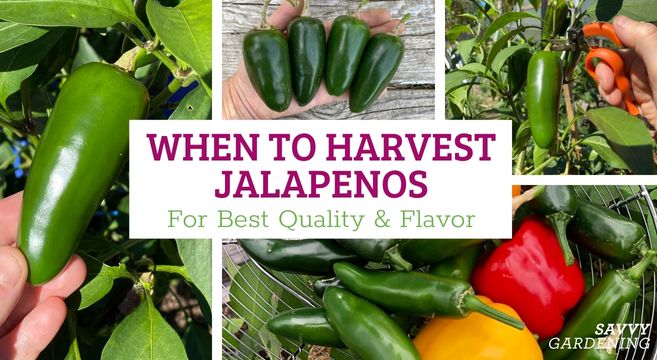
The first and most obvious signs that a Mammoth Jalapeño is approaching its peak are its size and its physical condition. As the name suggests, this pepper grows to a substantial size. A readytopick Mammoth Jalapeño will typically be between four and five inches in length and have a girthy, plump appearance. It should feel heavy for its size. The skin should be taut and glossy, indicating a high water content and a healthy, firm flesh. We recommend gently squeezing the pepper to test for firmness. A ripe pepper will feel solid and unyielding. If the pepper feels soft or mushy, it is likely past its prime or rotting. Conversely, if it is still small and feels thin or flimsy, it needs more time on the vine to mature fully.
The Science of Size: Why it Matters for Mammoth Peppers
The sheer scale of the Mammoth Jalapeño means that it requires a significant amount of time and energy from the plant to reach its full potential. The plant must channel a vast amount of nutrients and water into the fruit to swell it to its characteristic size. When we see a pepper that has reached this impressive size, we know that the plant has successfully completed this crucial stage of development. This is a clear signal that the internal structure of the pepper, including the seed cavity and the walls, is fully formed. A pepper that has not reached its full size, even if other indicators are present, will often lack the desired thick, meaty walls that are a hallmark of this variety. It may also have a less concentrated flavor and a milder heat level than a fully mature fruit.
The Importance of Firmness: A Deeper Look
The firmness of the pepper is directly related to its internal cell structure and water pressure. A healthy, developing pepper is pressurized with water and nutrients, which makes its skin feel tight and its flesh firm. This is also a good way to check for pest damage or disease, as a soft spot could indicate a problem. We believe that a firm pepper is a happy pepper, as it indicates a strong, healthy plant and a welldeveloped fruit. This is particularly important for a variety like the Mammoth Jalapeño, which we often use for stuffing due to its thick walls. A soft pepper would not hold up well to the process of being hollowed out and stuffed, compromising the final culinary product. We always advocate for a firm squeeze before we pull the pepper from the plant. It's a simple, but effective, test.
Indicator 2: The Color Shift From Light to Dark and Beyond
The second major indicator of ripeness is color. While the iconic jalapeño is green, a deep, dark, glossy green is what we are looking for in a harvestready pepper. Immature peppers will have a lighter, almost limegreen hue. As they mature, their color will deepen significantly. We have found that this shift from a light to a deep, dark green is a reliable signal that the pepper is fully grown and has developed its characteristic flavor profile and heat. The skin will also take on a lustrous, almost waxy sheen, which is another sign of peak maturity.
Going Beyond Green: The Red Stage
We know that many people prefer to harvest their jalapeños when they are still green, as this is the traditional form. However, if you leave a Mammoth Jalapeño on the vine, it will eventually turn red. This transition is not instantaneous; it can take several weeks after the pepper has reached its full size. The red color is a sign of complete physiological ripeness, as the pepper is now fully mature and the plant is preparing to drop the fruit and its seeds. We have learned that red jalapeños are typically sweeter and often significantly hotter than their green counterparts. The capsaicin, the compound responsible for the heat, continues to build up in the pepper as it ripens. The flavor also becomes more complex and fruity. We recommend harvesting some of your peppers at the green stage and letting others ripen to red to experience the full spectrum of flavor and heat this remarkable variety offers.
The Black Stage: A Sign of Transition
Sometimes, before a green jalapeño turns red, we observe a temporary black or purple streaking or mottling on the skin. This can be alarming to a new gardener, but we want to assure you that this is a completely normal part of the ripening process for many varieties, including the Mammoth Jalapeño. This darkening is due to the production of anthocyanins, the same pigments that give blueberries and eggplants their color. It is a sign of the pepper’s transition from the green, vegetative stage to the fully ripe, red stage. We do not recommend harvesting at this black stage unless you are at the end of the season and are trying to save your harvest from an impending frost. The pepper will not have reached its full flavor and heat potential yet.
Indicator 3: The Presence of Corking The "Stress Marks" of Heat and Flavor
Perhaps the most telling and often misunderstood sign of a readytoharvest jalapeño is the presence of "corking." Corking refers to the tan or brown, slightly rough, vertical lines or "stretch marks" that appear on the skin of the pepper. Many people mistake this as a defect or a sign of a bad pepper, but from our perspective, we see it as a badge of honor. We believe that corking is a clear signal of a pepper that is dense, firm, and packed with flavor.
The Science Behind Corking: A Deep Dive

Corking occurs when the interior of the pepper grows faster than the exterior skin. This rapid growth, often a result of consistent watering and ample sunlight, causes the skin to stretch and rupture. The plant then heals these tiny ruptures, forming the corky lines. We have found that peppers with more significant corking tend to be spicier than those with smooth, blemishfree skin. This is because the conditions that lead to corking—optimal growing conditions that stress the plant in a positive way—also encourage the production of capsaicin. In Mexico, where the jalapeño originates, corking is a desirable trait and peppers with these marks often command a higher price at market. We recommend that you embrace the corking on your Mammoth Jalapeños, as it is a visual cue of a truly flavorful and hot pepper.
The Relationship Between Corking and Flavor
From my experience, I do believe that corking is a reliable indicator of a superior pepper. The rapid growth that causes corking also results in a denser flesh and a more concentrated flavor profile. These peppers are not only spicier, but they also have a richer, more complex taste that is perfect for salsas, poppers, and other culinary applications. We find that a pepper with a good amount of corking will have a more satisfying crunch and a better texture overall. We do not hesitate to harvest a pepper with corking, even if it is still green, as we know it has already reached a high level of maturity and flavor.
Indicator 4: The Snap Test The Final Confirmation

The final confirmation that a Mammoth Jalapeño is ready for harvest is the "snap test." This is a physical test that we use to determine if the pepper is ready to be removed from the plant without causing damage. A ripe jalapeño will have a firm stem that is ready to detach cleanly from the plant. We recommend holding the stem of the pepper with one hand and the plant branch just below it with the other to provide support. Then, with a gentle upward tug on the pepper, a ripe one will snap cleanly at the joint where the stem meets the plant. If the pepper does not snap easily and requires significant pulling or twisting, it is not yet ready and should be left on the plant for a few more days. For a variety as large as the Mammoth Jalapeño, we sometimes use a sharp, clean pair of garden shears to snip the stem, as this minimizes the risk of damaging the main plant branch.
Weighing the Factors for the Perfect Harvest
We believe that a combination of these four indicators provides the most accurate and reliable way to determine the perfect harvest time for your Mammoth Jalapeños. While size and color are the most straightforward, corking and the snap test provide deeper, more nuanced information about the pepper's internal development and readiness. We recommend that you check on your plants daily once the peppers have reached their full size. This is particularly important during the peak of the growing season when the peppers are ripening quickly. By observing the deepening color, the appearance of corking, and the firmness of the fruit, you will know exactly when it is the right time to pull that perfect pepper from the vine.
The PostHarvest Process: What to Do Next
Once you have successfully harvested your Mammoth Jalapeños, we recommend taking a few steps to preserve their quality and prepare them for use. Freshly picked jalapeños should be stored in the refrigerator, where they will stay crisp for several weeks. Do not wash them until you are ready to use them, as excess moisture can cause them to spoil more quickly. If you have an abundance of peppers, we find that they are excellent for pickling, which preserves their flavor and crunch for months. They can also be frozen whole or sliced, which is a great way to save them for use in cooked dishes later in the year. We do believe that the effort you put into growing and harvesting these magnificent peppers is well worth it, as they will provide you with a continuous supply of delicious, homegrown heat for all your culinary creations.
A Final Word on the Art of the Harvest

From my experience, I do see the process of growing and harvesting as an art form, one that requires patience, observation, and a deep respect for the plant itself. We have found that the Mammoth Jalapeño, with its impressive size and robust flavor, is an incredibly rewarding variety to cultivate. We recommend that you don't rush the harvest. Let the plant tell you when the time is right. By paying attention to the size, the color, the corking, and the snap of the stem, you will not only harvest a superior pepper, but you will also deepen your connection to the food you are growing. We wish you a bountiful and flavorful season.


Comments
Post a Comment