Basil care guide
The Definitive Basil Care Guide: From Seed to Seasoned Chef
From my experience, the journey of growing basil is one of the most rewarding for any home gardener, whether you're a seasoned veteran or a complete novice. The vibrant green leaves, the intoxicating aroma, and the unmatched flavor it brings to countless dishes make it an essential herb. I do believe that with the right knowledge, anyone can cultivate a thriving basil plant. I recommend that you approach this task with a blend of patience and a keen eye for detail. This comprehensive guide, crafted from years of handson experience and a passion for horticulture, will provide you with the essential knowledge you need to succeed. We will explore every facet of basil care, ensuring your plants are not just surviving, but truly flourishing.
Understanding the Basil Plant: A Botanical and Culinary Overview
Before we delve into the practicalities of care, it's crucial to understand the very nature of this remarkable herb. Basil, scientifically known as Ocimum basilicum, is a member of the mint family (Lamiaceae). This family includes other aromatic powerhouses like mint, rosemary, sage, and lavender. Native to tropical and subtropical regions, basil is a warmthloving annual, meaning it completes its life cycle within a single growing season. Its preference for heat and sun is a fundamental principle that guides all successful basil cultivation. We recognize that its botanical characteristics, such as its square stems and paired leaves, are what make it a resilient and prolific producer. From a culinary perspective, basil is unparalleled. We find its sweet and slightly peppery flavor to be a cornerstone of Italian cuisine, with its starring role in pesto and caprese salad. However, we also know that its uses extend far beyond, gracing Asian dishes with its unique aniselike flavor, or adding a citrusy zest to drinks and desserts. This versatility is precisely why we are so passionate about helping you grow it to its full potential.
Choosing the Right Basil Variety for Your Needs
From our extensive research, we've identified that one of the most common mistakes new growers make is not choosing the right variety for their intended use and growing environment. We understand that the world of basil is vast and fascinating, with dozens of cultivars, each with its own unique characteristics. We recommend that you consider what you plan to use your basil for before you even purchase the seeds or plant. The variety you choose can significantly impact the flavor, aroma, and even the appearance of your final harvest. We believe that a wellinformed choice is the first step toward a successful growing season.
Popular Sweet Basil Varieties
Unique and Exotic Basil Varieties
The Essential Elements for Basil's Success
We have identified four critical factors that determine the health and vitality of your basil plant. Neglecting even one of these can lead to a struggling plant. We urge you to pay close attention to each of these elements, as they form the foundation of our successful basil care regimen. Our extensive experience has taught us that getting these fundamentals right is far more important than any quick fix.
1. Sun and Temperature Requirements
We can confidently state that basil is a sunworshipper. From our observations, it requires a minimum of 6 to 8 hours of direct sunlight per day to thrive. We have found that anything less results in a leggy, weak plant with lackluster flavor. We recommend planting basil in the sunniest spot in your garden or on a southfacing windowsill if you're growing indoors. We also know that basil is extremely sensitive to cold. We have learned that it will suffer damage and even die if exposed to temperatures below 50°F (10°C). We advise that you wait until all danger of frost has passed before planting outdoors and, if you live in a cooler climate, consider bringing your potted basil indoors during cold nights. The warmth of the sun and the protection from cold are nonnegotiable for a bountiful harvest.
2. The Ideal Soil and Drainage
We know that the right soil is the backbone of a healthy basil plant. We recommend a welldraining, fertile soil rich in organic matter. From our extensive testing, we have found that basil plants despise "wet feet," which is a term for waterlogged roots. This condition can lead to dreaded fungal diseases like root rot. We suggest using a highquality potting mix for containers or amending your garden soil with compost, aged manure, or other organic materials to improve its structure and nutrient content. We have also found that a slightly acidic to neutral pH, between 6.0 and 7.0, is optimal for basil's nutrient absorption. We believe that providing a proper foundation is key to avoiding many common problems down the line.
3. The Art of Watering Your Basil Plant
Watering is a delicate balance when it comes to basil. We do not recommend a rigid, everyotherday watering schedule. From my experience, it's about paying attention to your plant and its environment. We find that basil prefers consistently moist soil, but not soggy. We advise checking the soil moisture before you water. We recommend the "finger test" simply insert your finger about an inch into the soil. If it feels dry, it's time to water. If it's still moist, hold off. We have observed that overwatering is a far more common cause of basil failure than underwatering. We also recommend watering the base of the plant, avoiding the leaves. Wet foliage can be a breeding ground for fungal diseases. We believe that deep, infrequent watering encourages the development of strong, deep root systems, making the plant more resilient to dry spells.
4. The Role of Nutrients and Fertilization
As a fastgrowing, prolific herb, basil is a heavy feeder. We understand that it requires a steady supply of nutrients, particularly nitrogen, to produce its lush, green leaves. From my experience, a light, balanced feeding every two to three weeks is sufficient for plants in containers. We recommend using a watersoluble, allpurpose fertilizer at half the recommended strength. We also find that organic options, such as fish emulsion or compost tea, work exceptionally well and provide a slow, steady release of nutrients. We advise against overfertilizing, which can lead to rapid, weak growth and a decrease in the concentration of essential oils, thereby reducing the plant's flavor. We believe that a thoughtful feeding regimen is crucial for maximizing both yield and taste.
Propagation: Creating an Endless Supply of Basil
We know that one of the most exciting aspects of growing basil is its ease of propagation. From our perspective, the ability to turn one plant into many is not just a costsaving measure but a rewarding and educational experience. We do not want you to ever run out of fresh basil again. We have mastered the two primary methods of propagation: from seed and from cuttings. We believe that both methods have their place in the home gardener's toolkit.
Growing Basil from Seed
We find that starting basil from seed is a straightforward and satisfying process. We recommend starting seeds indoors about 4 to 6 weeks before the last expected frost date. This gives you a head start on the growing season. We have found that basil seeds germinate best in warm soil, ideally between 70°F and 85°F (21°C and 29°C). We advise sowing seeds a quarter of an inch deep in a seedstarting mix. We believe that keeping the soil consistently moist (but not waterlogged) and providing plenty of light is essential for successful germination, which typically occurs within 7 to 10 days. Once the seedlings have their second set of true leaves, we recommend thinning them to ensure adequate spacing, which is crucial for air circulation and healthy growth.
Propagating Basil from Cuttings
From my experience, propagating basil from cuttings is a truly magical process. We find it to be a fantastic way to multiply your plants and to save a favorite variety for the next season. We recommend taking a 4 to 6inch cutting from a healthy basil stem, making sure it doesn't have any flowers or buds. We have found that making the cut just below a leaf node (the point where leaves grow out of the stem) is crucial, as this is where the new roots will form. We advise removing the lower leaves to prevent them from rotting in the water. We suggest placing the cutting in a clear glass of water in a bright location, away from direct sunlight. We have observed that new roots will begin to form within one to two weeks. Once the roots are about 2 inches long, we recommend transplanting the cutting into a pot with welldraining soil. This method is so reliable that we often have a constant rotation of new basil plants growing in our kitchen.
Harvesting and Pruning for Maximum Yield
We know that the way you harvest your basil has a profound impact on its continued growth and overall health. From our experience, improper harvesting is one of the most common reasons a basil plant becomes "leggy" and stops producing. We recommend a simple yet effective technique that will encourage your plant to grow bushier and more productive. We believe that a wellpruned plant is a happy plant.
The Right Way to Harvest Basil
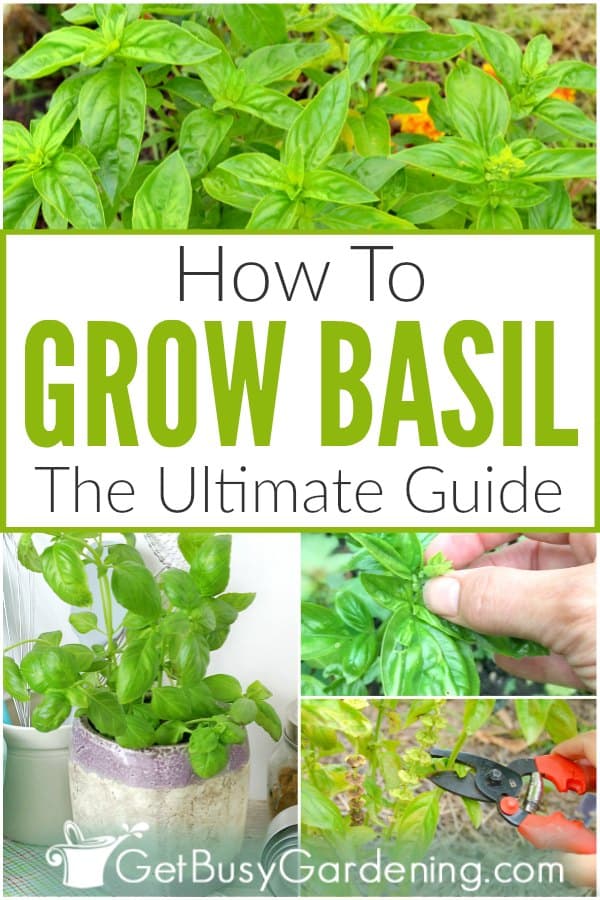
We advise that you begin harvesting your basil when the plant is about 6 to 8 inches tall. We recommend using a clean pair of scissors or your fingers to pinch or snip off the top part of the stem, just above a set of two leaves. We have found that this encourages the plant to branch out, creating two new stems where there was one. This simple act is the key to a full, bushy plant. We urge you to never simply strip leaves from the bottom of the plant. This leaves a long, bare stem and does not promote new growth. We also recommend that you harvest regularly throughout the growing season. The more you harvest, the more the plant will produce.
Pinching Off Flowers: A Critical Step
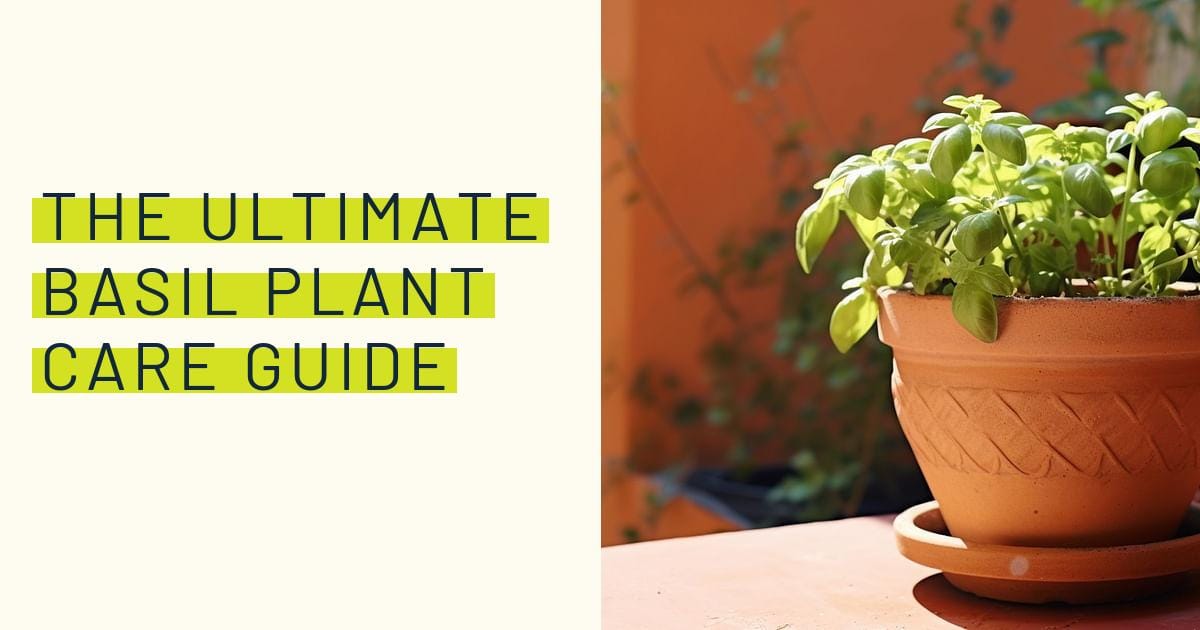
We have observed that when a basil plant begins to flower, it signals the end of its life cycle. At this point, the plant puts all its energy into producing seeds, and the leaves become less flavorful and even bitter. We recommend that you pinch off any flower buds as soon as you see them. This will trick the plant into continuing to produce new leaves. We believe that this is a nonnegotiable step for a long and productive growing season. We do not want you to sacrifice flavor for flowers.
Common Pests and Diseases: Identification and Organic Control
We know that even the most carefully tended basil plant can fall victim to pests or diseases. We have learned that a proactive approach is always the best defense. We will help you identify the most common problems and provide you with effective, organic solutions. We believe that a healthy plant is a resilient plant, and we advocate for methods that are safe for both you and the environment.
Identifying and Managing Basil Pests
Preventing and Treating Basil Diseases
Preserving Your Bountiful Basil Harvest
From our perspective, the reward for all your hard work is a truly abundant harvest. We believe that knowing how to preserve your basil correctly is just as important as knowing how to grow it. We do not want you to waste a single leaf. We have perfected several methods that lock in the flavor and aroma for months to come.
Freezing Basil: The Best Way to Preserve Flavor
We find that freezing is the most effective method for preserving the intense flavor of fresh basil. We recommend two simple techniques. First, you can make a basil purée. We suggest blending clean basil leaves with a small amount of olive oil and a pinch of salt. We then advise pouring the purée into ice cube trays and freezing them. Once frozen, we recommend transferring the cubes to an airtight container or freezer bag. We find that these basil cubes are perfect for adding to sauces, soups, and stews. Alternatively, we suggest simply freezing whole leaves. We have found that placing a single layer of washed and dried leaves on a baking sheet and freezing them for an hour before transferring them to a freezer bag prevents them from clumping together. This method allows you to grab a few leaves as needed.
Drying Basil: An Alternative Preservation Method
We recognize that drying basil is a classic method of preservation. However, we have observed that drying can cause a significant loss of the basil's delicate flavor and aroma. We recommend it only if freezing is not an option for you. We advise that you dry basil by tying small bundles and hanging them in a warm, dry, and dark place with good air circulation. We have found that using a dehydrator on a low setting also works well. Once the leaves are brittle, we suggest crumbling them into an airtight container. We believe that dried basil is still a valuable addition to your spice rack, particularly for longsimmering dishes where the flavor can be rehydrated.
Creating a Basil Infusion
From my experience, infusing basil is a creative way to capture its flavor. We recommend making basilinfused olive oil or vinegar. We have found that this is a great way to add a fresh, herby note to salad dressings, marinades, and bread dips. We advise gently bruising a handful of basil leaves and placing them in a clean, sterilized bottle or jar. We then recommend pouring your olive oil or vinegar over the leaves and sealing the container. We suggest letting it infuse in a cool, dark place for one to two weeks, shaking it occasionally. We believe that this simple infusion adds an elegant touch to your culinary creations.
Extending the Basil Season: Indoor Growing
We understand that not everyone has access to a sundrenched garden or lives in a climate where basil can be grown outdoors all year. We believe that growing basil indoors is a fantastic solution. We have successfully cultivated healthy, productive basil plants on our windowsills and under grow lights. We do not want you to be limited by your location.
The Key to Indoor Success
We recommend a few key adjustments for indoor growing. First, light is paramount. We have found that a southfacing window that receives at least 6 hours of direct light is best. If this is not possible, we strongly advise using a fullspectrum LED grow light to supplement or provide all of the necessary light. We suggest placing the light about 6 to 12 inches above the plant and running it for 12 to 16 hours a day. Second, container size matters. We believe that a pot that is at least 6 to 8 inches in diameter provides enough room for the roots to grow. We also find that terra cotta pots are excellent for basil as they help wick away excess moisture. Finally, humidity is a factor. We have observed that indoor air, especially in the winter, can be very dry. We recommend misting your basil plant occasionally or placing it on a tray of pebbles filled with water to increase the humidity around it. We do not want your plant to suffer from dry, brittle leaves.
Troubleshooting Common Basil Problems
We have compiled a list of common issues that new and experienced basil growers face. We believe that knowing how to identify and solve these problems is crucial for a successful harvest. We will provide you with a detailed, stepbystep guide to troubleshooting.
Problem: Yellowing Leaves
We know that yellowing leaves are a common sign of stress. We have identified several potential causes. First, it could be a sign of overwatering. We recommend checking the soil moisture. If it's soggy, hold off on watering and ensure your pot has adequate drainage. Second, it could be a sign of a nutrient deficiency, particularly nitrogen. We advise providing a light feeding with a balanced liquid fertilizer. Third, it could be a sign of root rot from overwatering or Fusarium wilt. We suggest checking the roots for black, mushy spots. If you suspect Fusarium wilt, we recommend removing the plant immediately. We believe that accurate diagnosis is the first step toward a solution.
Problem: Leggy, Spindly Plant
We find that a leggy plant with long stems and few leaves is a clear sign of insufficient light. We recommend moving your plant to a sunnier location or providing it with a fullspectrum grow light. We have found that this is a common issue for indoor growers. Another cause could be a lack of pruning and harvesting. We urge you to start a regular harvesting schedule, pinching back the stems to encourage a bushier growth habit. We do not want your plant to waste its energy reaching for the light.
Problem: Leaves with Black Spots
We have observed that black or brown spots on basil leaves can be caused by a few different issues. First, it could be fungal leaf spot diseases. We have found that these are often caused by wet foliage. We recommend watering at the base of the plant and ensuring good air circulation. Second, it could be a sign of cold damage if the leaves have been exposed to temperatures below 50°F (10°C). We advise protecting your plant from cold drafts and bringing it indoors during chilly nights. We do not want your plant to suffer from temperature shock.
The Science of Basil: Why Does It Taste So Good?
From our extensive research, we can tell you that the magic of basil's flavor lies in its essential oils. We know that these volatile compounds are what give the herb its distinctive aroma and taste. We have found that the concentration and specific composition of these oils vary between different basil varieties, which is why Thai basil tastes so different from Genovese basil. We believe that understanding this science can help you become a better grower.
Key Flavor Compounds in Basil
We have learned that environmental factors, such as sunlight, soil quality, and harvesting techniques, can influence the production of these essential oils. We recommend providing your basil plant with plenty of sun and rich soil to maximize its flavor. We believe that this scientific understanding empowers you to grow the most delicious basil possible.
Beyond the Kitchen: Other Uses for Basil
From my experience, basil is more than just a culinary herb. We have found that it has a long history of use in traditional medicine and is a valuable companion plant in the garden. We believe that exploring these other uses adds another layer of appreciation for this versatile herb.
Basil as a Companion Plant
We know that basil makes an excellent companion plant for tomatoes. From our observations, it can repel several common tomato pests, such as tomato hornworms, and some gardeners believe it can even improve the flavor of the tomatoes. We have found that planting basil alongside peppers, asparagus, and beans can also be beneficial. We recommend planting a few basil plants throughout your vegetable garden to take advantage of its pestrepelling properties.
Basil in Home Remedies and Aromatherapy
We recognize that Holy Basil (Tulsi) has a long history of use in Ayurveda, a traditional Indian system of medicine. We have found that it is often used for its adaptogenic properties, which are believed to help the body cope with stress. We believe that making a simple tea from fresh or dried Holy Basil leaves is a wonderful way to enjoy its health benefits. We also find that the aroma of basil essential oil is stimulating and can be used in aromatherapy to combat fatigue and improve focus. We recommend using a highquality, foodgrade essential oil for these purposes.
The LongTerm Care of Your Basil Plant
We know that basil is an annual, but we believe that with proper care, you can extend its life and get the most out of it. We do not want you to give up on your plant at the first sign of a problem. We have developed a longterm care strategy that will keep your basil producing well into the fall, and even through the winter if you're growing indoors.
Preparing for the End of the Season
We have observed that as the days shorten and temperatures drop, your outdoor basil plant's growth will slow. We recommend that you perform one last major harvest before the first frost is expected. This is a great time to make a large batch of pesto to freeze. We also suggest taking cuttings from your favorite plants to propagate indoors. We believe that this is the best way to save your precious varieties for the next season. We do not want you to lose a plant you've come to love.
Overwintering Your Potted Basil
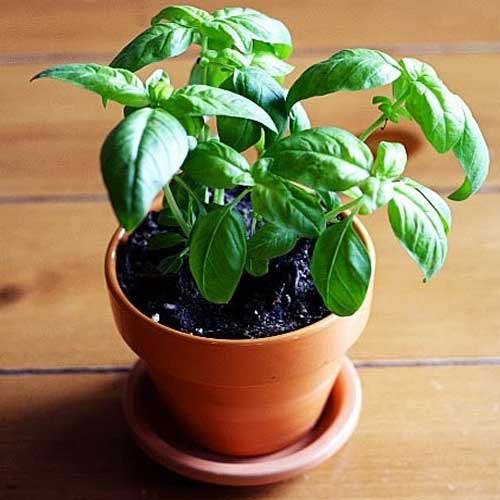
We find that overwintering a basil plant is a rewarding challenge. We recommend bringing your potted basil indoors before nighttime temperatures consistently drop below 50°F (10°C). We advise a location with plenty of sunlight or, as mentioned before, a grow light. We have found that indoor basil plants require less frequent watering than their outdoor counterparts. We suggest letting the top inch of soil dry out completely between waterings. We believe that with the right care, your basil plant can survive the winter and even produce a few fresh leaves for your winter cooking. We do not want you to be without this wonderful herb, even in the coldest months.
Final Thoughts and Summary of Key Takeaways
From my experience, growing basil is an incredibly rewarding journey. We hope that this comprehensive guide has provided you with all the information you need to succeed. We believe that by paying attention to the details of sun, soil, water, and nutrients, you can cultivate a basil plant that not only thrives but provides you with an abundant, flavorful harvest. We recommend that you refer back to this guide as you grow, and we encourage you to experiment with different varieties and techniques. We do not want you to ever be afraid to get your hands dirty. We believe that the best way to learn is by doing. We know that with the knowledge we've shared, you are now wellequipped to grow the most beautiful, delicious basil you've ever tasted. We wish you a bountiful and flavorful growing season.


Comments
Post a Comment