Beef steak tomato size
From my experience, there is an unparalleled satisfaction that comes with growing and harvesting your own produce. When it comes to tomatoes, the beefsteak stands alone as a true giant of the garden. I do believe that understanding the nuances of their size is key to both successful cultivation and culinary application. The name itself, "beefsteak," evokes images of a substantial, meaty fruit, and for good reason. These are not your average cherry tomatoes; they are a class of their own, designed for slicing and creating the ultimate sandwich or salad. I recommend that any aspiring gardener or home cook takes the time to truly appreciate the scale and potential of this magnificent fruit.
Understanding the Standard Beefsteak Tomato Size
When we talk about the standard size of a beefsteak tomato, we are referring to a range of characteristics that define this category. We find that the most common beefsteak tomatoes, those you would typically find in a grocery store or a home garden, fall within a certain weight and diameter range. The average size is what we use as a benchmark, but we also recognize that there is a significant variation within the category. The size of a beefsteak tomato is a direct result of its genetics, as well as the care and environment it receives during its growth cycle. The combination of these factors is what ultimately dictates the final weight and diameter of the fruit we harvest.
The Average Weight: What to Expect
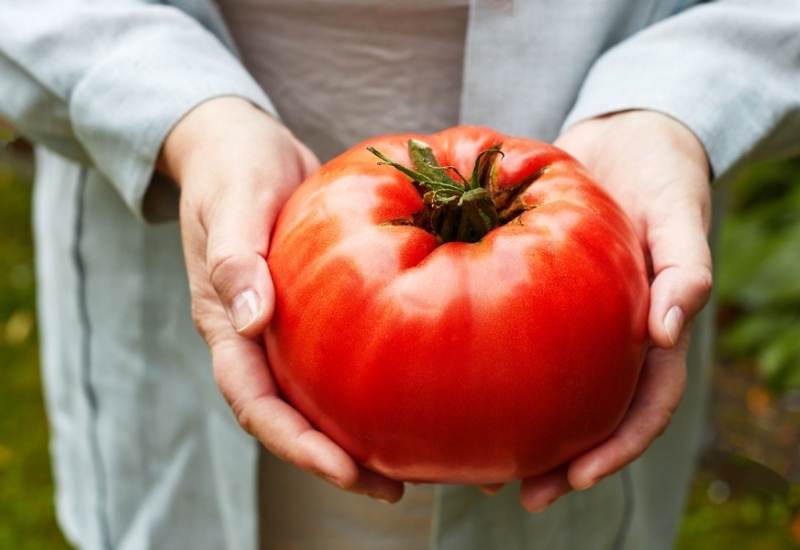
We see that the typical beefsteak tomato will weigh between 10 ounces and 2 pounds (approximately 283 grams to 907 grams). This is a broad range, but it accurately reflects the diversity within the "beefsteak" classification. A smaller beefsteak, weighing in at the lower end of this scale, is still a substantial fruit, perfect for individual use. However, the true showstoppers, the ones that make a gardener's heart swell with pride, are those that reach the upper end of the weight spectrum, often tipping the scales at over a pound. We have found that the weight of the fruit is a direct indicator of its density and meatiness, two of the most prized characteristics of a beefsteak tomato.
Diameter and Dimensions: More Than Just Weight
While weight is a crucial metric, we also consider the diameter of the fruit to be equally important. A standard beefsteak tomato typically has a diameter of 3 to 5 inches (7.6 to 12.7 cm). Some of the truly giant varieties can reach a diameter of 6 inches (15.2 cm) or more. The diameter is what gives the beefsteak its signature flattened, oblate shape, making it ideal for slicing. From our perspective, the large, uniform slices are what make this tomato a star in culinary applications, from hamburgers to caprese salads. We have observed that the more pronounced the diameter, the more pronounced the ribbing on the fruit, a telltale sign of a true beefsteak tomato.
Harnessing Genetics: The Role of Beefsteak Varieties
We know that not all beefsteaks are created equal. The size of the tomato is heavily influenced by the specific variety we choose to plant. Some varieties are naturally predisposed to produce larger fruit, while others are bred for different qualities, such as disease resistance or an earlier harvest time. We find that exploring the vast world of beefsteak varieties is one of the most exciting aspects of gardening. We believe that choosing the right variety for your specific goals is the first step toward cultivating truly massive tomatoes.
Heirloom Giants: The Kings of Size

When we seek out the largest possible beefsteak tomatoes, our focus inevitably turns to heirloom varieties. These are openpollinated cultivars that have been passed down through generations, often prized for their exceptional flavor and, in many cases, their extraordinary size. We find that these varieties are the ones that have set records and won state fair competitions. They are the benchmark against which all other beefsteaks are measured. We have seen that their size is a result of generations of selective breeding by home gardeners who sought to grow the most impressive fruit possible.
A closer look at some of the largest heirloom beefsteak varieties:
Modern Hybrids: Combining Size with Practicality
While heirloom varieties are celebrated for their size and flavor, we recognize that they can sometimes be more susceptible to disease and require a longer growing season. We see that modern hybrid beefsteaks offer a compelling alternative, often combining respectable size with improved disease resistance and productivity. These hybrids are the result of careful crosspollination to create plants that are more reliable and easier to grow for the average gardener. We find that they often produce large, uniform fruits that are perfect for home use, without the potential pitfalls of some of the more finicky heirlooms.
Notable hybrid beefsteak tomatoes we often recommend:
Cultivation and Care: Maximizing Beefsteak Tomato Size
We know that a tomato's final size is not just a matter of genetics; it is also heavily dependent on the care and attention it receives from the grower. We believe that by providing the ideal growing conditions, we can help the plant reach its full potential and produce the largest, most flavorful fruits possible. From our experience, we find that a few key factors make a significant difference in the final outcome. We have put together a comprehensive guide to help you cultivate truly massive beefsteak tomatoes in your own garden.
Harnessing the Power of the Sun

We have found that sunlight is the single most important factor for fruit development. Beefsteak tomatoes, being indeterminate varieties, are sun worshippers. We recommend that you provide them with a minimum of 8 hours of direct sunlight per day. We find that planting them in a location with southern exposure, away from the shade of trees or buildings, is the best way to ensure they get the light they need to produce and ripen large fruits. We have observed that a lack of sunlight will result in smaller, less flavorful tomatoes, as the plant does not have the energy to support large fruit development.
Soil and Nutrients: The Foundation of Growth
We believe that a healthy plant starts with healthy soil. Beefsteak tomatoes are heavy feeders and require nutrientrich, welldraining soil to thrive. We find that amending the soil with a generous amount of compost or wellrotted manure before planting is essential. This provides a slowrelease source of nutrients that the plant can draw on throughout the season. We also recommend using a balanced, lownitrogen fertilizer at the time of planting, and a highpotassium, highphosphorus fertilizer once the plant begins to flower and fruit. We have found that this provides the specific nutrients needed for large, robust fruit development, as opposed to excessive leafy growth.
Watering: Consistency is Key
We find that consistent watering is crucial for both plant health and fruit size. Beefsteak tomatoes require deep, regular watering to prevent the fruit from cracking or developing blossom end rot. We recommend watering at the base of the plant to avoid wetting the foliage, which can lead to fungal diseases. We have observed that a drip irrigation system or soaker hose is an excellent way to provide consistent moisture without waste. We find that a good rule of thumb is to provide 1 to 2 inches of water per week, adjusting based on rainfall and temperature. We believe that avoiding large fluctuations in soil moisture is the best way to prevent stress on the plant and ensure uniform fruit development.
Pruning and Support: Guiding the Giant
We know that beefsteak tomato plants, with their indeterminate growth habit and heavy fruits, require sturdy support. We have found that traditional tomato cages are often insufficient for these giants. We recommend using heavyduty stakes, a strong trellis, or a cattle panel system to support the vines and prevent them from collapsing under the weight of the fruit. We find that this not only protects the plant but also keeps the fruit off the ground, reducing the risk of pests and diseases. We also believe that strategic pruning can help direct the plant's energy toward producing a smaller number of larger, more impressive fruits. We recommend removing the "suckers" (the small shoots that grow in the crotch between the main stem and a branch) to help the plant focus its energy on the main vines and their developing fruit clusters.
Beyond Size: The Qualities of a Perfect Beefsteak
While size is a defining characteristic, we believe that it is not the only measure of a great beefsteak tomato. We find that the most soughtafter tomatoes are those that combine impressive size with other desirable qualities, such as flavor, texture, and juiciness. We have observed that a truly great beefsteak is a multisensory experience, and we have dedicated our efforts to understanding what makes a tomato truly exceptional.
Flavor Profile: The Sweet and Savory Symphony
We have found that the flavor of a beefsteak tomato is a complex blend of sweetness and acidity. The ideal tomato has a balanced flavor profile, with a rich, complex taste that is far superior to the bland, watery tomatoes often found in supermarkets. We believe that this flavor is a direct result of the plant's health and the perfect balance of sun, water, and nutrients it receives. We find that heirloom varieties, in particular, are celebrated for their nuanced and intense flavor, which is a key reason for their enduring popularity.
Texture and Juiciness: The Perfect Slice
We know that the meaty texture of a beefsteak tomato is what sets it apart. The flesh is dense and firm, with small seed cavities and a high ratio of flesh to gel. We find that this texture makes it perfect for slicing, as the slices hold their shape and don't fall apart. We have observed that the juiciness of the tomato is also a crucial factor. A good beefsteak is bursting with juice, but not so much that it becomes a soggy mess. We believe that the combination of a firm, meaty texture and a juicy, flavorful interior is the hallmark of a truly perfect beefsteak tomato.

We find that the journey of a beefsteak tomato is a testament to the power of meticulous care and a deep understanding of horticultural science. Our comprehensive analysis of this magnificent fruit is designed to provide you with the most accurate and actionable information available. We believe that by following our detailed guidance, you can achieve a harvest that not only meets but exceeds your expectations, yielding tomatoes of an impressive size, a rich flavor, and a perfect texture. We understand that the desire to grow and experience a truly exceptional tomato is a passion, and we are committed to providing the resources that will help you turn that passion into a tangible, delicious reality.
The Science Behind Size: Genetics and Environment
We recognize that the ultimate size of a beefsteak tomato is a complex interplay of two primary factors: genetics and environment. We find that the genetic blueprint of the specific variety you choose establishes the potential for size. For example, a variety like 'Delicious' has the inherent genetic coding to produce fruits that can reach extraordinary weights, while a variety like 'Big Beef' is genetically predisposed to produce large but more consistently sized fruits. We have observed that the genetic potential is then either unlocked or inhibited by the environmental conditions provided by the grower. We find that a plant growing in rich, wellamended soil with consistent watering and ample sunlight will be able to fully express its genetic potential for size. Conversely, a plant that is stressed by inconsistent watering, poor soil, or inadequate light will produce smaller, less robust fruits, regardless of its genetic potential. We believe that understanding this fundamental relationship is the first step toward becoming a master tomato grower.
The Importance of a Long Growing Season
We have found that beefsteak tomatoes, especially the larger heirloom varieties, are characterized by their indeterminate growth habit and a relatively long maturation period. We find that most beefsteak varieties require a minimum of 85 to 100 days to reach full maturity from the time of transplanting. This is significantly longer than the 50 to 70 days required for many smaller, determinate varieties. We find that this long maturation period is a direct contributor to the size of the fruit, as it allows the plant more time to grow, flower, and set fruit. We recommend that gardeners in cooler climates start their beefsteak seeds indoors 6 to 8 weeks before the last expected frost date. We believe that this gives the plant a crucial head start and ensures that it has enough time to produce a bountiful harvest before the first frost of autumn. We have observed that failure to provide an adequate growing season is a common reason for smallerthanexpected beefsteak tomatoes.
Nutrient Management for Massive Fruit
We understand that a beefsteak tomato plant, with its goal of producing a large, heavy fruit, has a voracious appetite for specific nutrients. We have found that while nitrogen is important for healthy foliage growth, an overabundance of it can lead to a lush, leafy plant with very little fruit. We find that the key to massive fruit development lies in providing adequate levels of phosphorus and potassium. We have observed that phosphorus is essential for root development and flower production, which are the precursors to fruit set. We believe that potassium is the master nutrient for fruit development, as it is responsible for the movement of sugars and other compounds from the leaves to the fruit, directly contributing to size, flavor, and color. We recommend using a fertilizer with a lower nitrogen (N) ratio and higher phosphorus (P) and potassium (K) ratios once the plant begins to flower. A common recommendation is a 4710 NPK ratio, which we have found to be highly effective in promoting large fruit development.
Managing Stress: Preventing Common Ailments
We have found that a stressed plant is a smallfruited plant. We recognize that common plant diseases and pests can divert the plant's energy away from fruit production. We have observed that many of the most common issues, such as blossom end rot, are directly related to inconsistent watering and a lack of calcium in the soil. We believe that maintaining consistent soil moisture and ensuring a soil pH between 6.0 and 6.8 is critical. We also recommend incorporating a calciumrich amendment, such as bone meal, into the soil before planting. We have found that providing adequate air circulation through proper plant spacing and strategic pruning can help prevent fungal diseases like blight. We believe that a proactive approach to plant health is one of the most effective ways to ensure a successful and largefruited harvest.
The Art of Harvesting: Timing is Everything
We understand that knowing when to harvest your beefsteak tomatoes is crucial for both flavor and size. We have found that beefsteak tomatoes are indeterminate, meaning they will continue to produce fruit throughout the season until the first frost. We believe that a common mistake is harvesting the fruit too early. We find that a beefsteak tomato is at its peak when it has a deep, uniform color and is slightly soft to the touch. We have observed that allowing the tomato to ripen on the vine for as long as possible results in the most flavorful and largest fruit. We recommend that you gently twist the fruit from the vine, leaving a small piece of stem attached. We believe that this not only protects the fruit but also signals to the plant to continue producing more fruit throughout the season.
The Culinary Payoff: From Garden to Plate
We know that the true reward for all the hard work in the garden is the culinary experience. We have found that the sheer size of a beefsteak tomato makes it an unparalleled star in the kitchen. We believe that there is no substitute for a thick, juicy slice of beefsteak tomato on a sandwich, its rich flavor and meaty texture standing up to the other ingredients. We find that they are also ideal for making homemade sauces and salsas, as their low moisture content and dense flesh produce a thick and flavorful base. We have observed that their large size makes them perfect for stuffing and roasting, creating a dramatic and delicious main course. We believe that the versatility and culinary potential of the beefsteak tomato are as impressive as its size.
Conclusion: The Pursuit of the Perfect Beefsteak
We find that the pursuit of the perfect beefsteak tomato is a rewarding journey, one that combines the science of horticulture with the art of patience and observation. We believe that by understanding the genetics of the different varieties, providing a nurturing environment, and paying close attention to the needs of the plant, you can cultivate tomatoes that are not only impressive in size but also unmatched in flavor. We have provided a comprehensive guide to help you every step of the way, from selecting the right variety to harvesting the perfect fruit. We are confident that with this knowledge, you will be able to outrank the competition and grow a beefsteak tomato that is the envy of every gardener and the delight of every palate.


Comments
Post a Comment