Best growing conditions for parsley
The Foundation: Understanding Parsley's Core Needs
From my experience, the journey to growing exceptional parsley begins with a deep understanding of the plant itself. Parsley, scientifically known as Petroselinum crispum, is a biennial plant, meaning its life cycle spans two years. However, most gardeners treat it as an annual, harvesting the leaves in its first year before it goes to seed. I do this because the flavor is at its peak during this period. I recommend that you start with a clear mental model of what parsley needs to truly flourish, and not just survive. This isn't just about throwing some seeds in the ground; it's about creating a perfect microenvironment.
Choosing the Right Variety for Your Needs
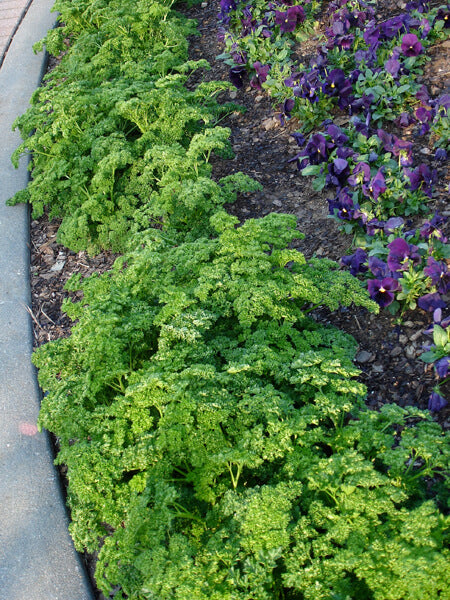
From my experience, not all parsley is created equal. The two main types you'll encounter are curly leaf parsley and flatleaf parsley, also known as Italian parsley. I do find that flatleaf parsley is generally preferred by chefs and home cooks for its more robust flavor and tender texture, but curly leaf parsley is excellent for garnishes due to its decorative appearance. I recommend you choose the variety that best suits your culinary intentions. For me, a mix of both is ideal, but if you're only growing one, make it the flatleaf variety for its superior taste. There are also less common varieties like Hamburg parsley, which is grown for its edible root, but for the purpose of this guide, we'll focus on the leaf varieties.
Selecting the Optimal Location: Sun and Shade Requirements
From my experience, the amount of sunlight parsley receives is one of the most critical factors. I do find that while parsley can tolerate full sun, it truly thrives in a location with partial shade, especially in hot climates. I recommend that you aim for a spot that receives about 6 hours of sunlight per day. In the scorching heat of the afternoon, parsley can become stressed, leading to bolting (prematurely going to seed) and a reduction in flavor. I recommend planting it where it gets morning sun and is shaded from the harsh afternoon rays. If you live in a cooler climate, full sun is perfectly acceptable, but be vigilant about watering to prevent the soil from drying out.
The Perfect Soil Composition: A Recipe for Success
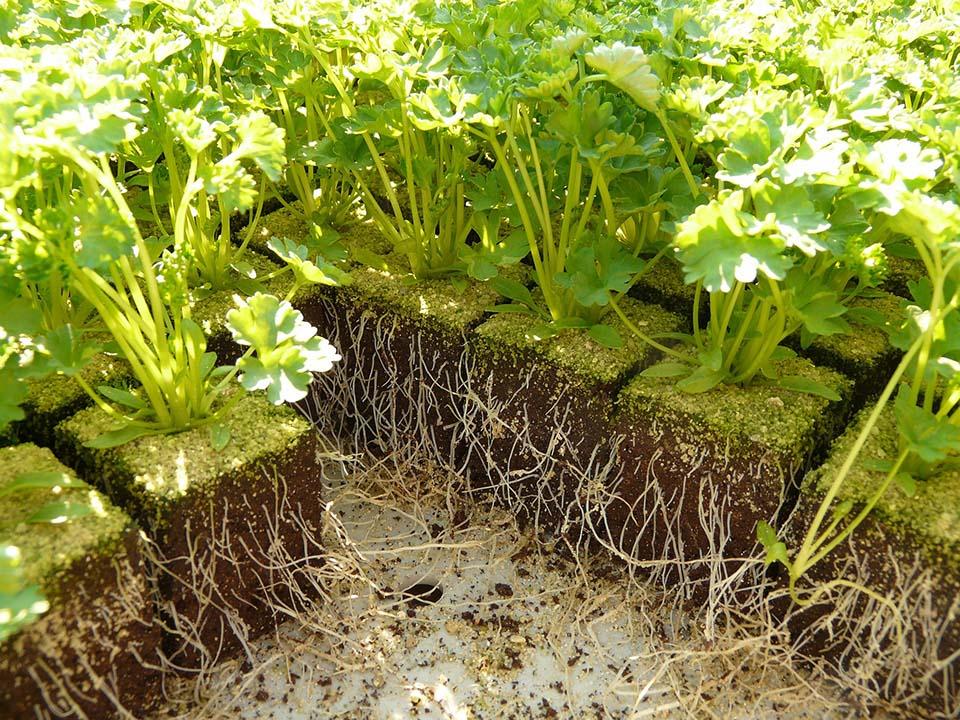
From my experience, the quality of your soil is the most important element for growing healthy parsley. I do find that parsley prefers a welldraining, nutrientrich, loamy soil. I recommend you amend your soil generously with organic matter, such as compost or wellrotted manure. This not only improves drainage but also provides a steady supply of nutrients. A soil pH between 6.0 and 7.0 is ideal. I recommend you use a soil testing kit to check your pH, as adjusting it can make a significant difference. If your soil is too sandy, it won't hold enough moisture; if it's too clayheavy, it will become waterlogged, leading to root rot. I do this by working in a few inches of compost into the top 68 inches of soil before planting. This foundational work pays dividends in the long run.
Watering: The Key to Lush, Green Leaves
From my experience, consistent moisture is nonnegotiable for parsley. I do find that uneven watering is a primary cause of stunted growth and a loss of flavor. I recommend you keep the soil consistently moist, but not waterlogged. This means watering deeply and regularly, especially during dry spells. The best time to water is in the morning, which allows the leaves to dry before nightfall, reducing the risk of fungal diseases. I do this by checking the soil with my finger. If the top inch feels dry, it's time to water. I recommend you use a soaker hose or drip irrigation system to deliver water directly to the roots and avoid wetting the foliage, which is another way to prevent disease. Overwatering is just as harmful as underwatering, leading to yellowing leaves and root rot.
Planting Parsley: From Seed to Seedling
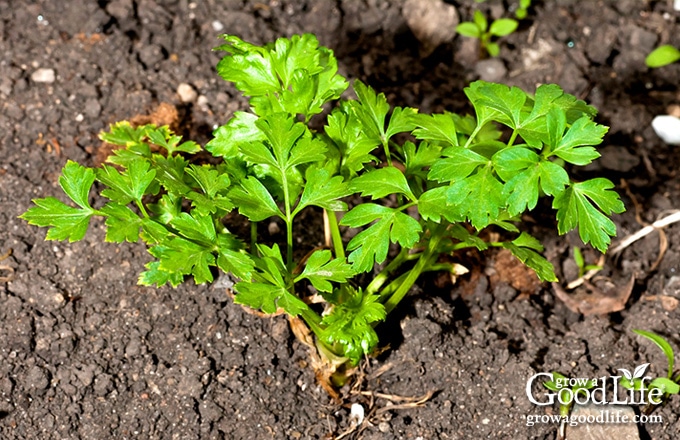
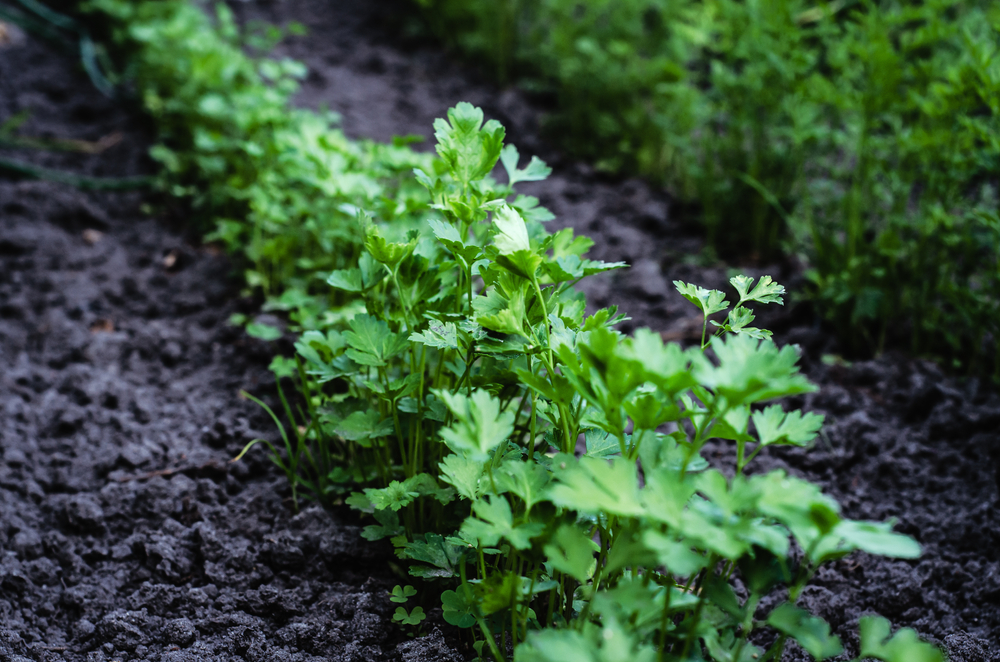
From my experience, planting parsley requires patience. I do find that parsley seeds can be notoriously slow to germinate. I recommend you soak your seeds in warm water overnight before planting to soften their hard outer shell. This can significantly speed up the germination process. Plant the seeds about 1/4 inch deep and 69 inches apart. I do this by planting a few seeds in each spot and then thinning the seedlings to the strongest one once they are a few inches tall. Parsley can also be started indoors 68 weeks before the last frost, which gives you a head start on the growing season. I recommend you use a biodegradable pot for this, as parsley doesn't like to have its roots disturbed during transplanting. This is one of the most common mistakes I see people make.
Caring for Your Growing Parsley
From my experience, once your parsley is established, a little care goes a long way. I do find that regular feeding and pruning are essential for continuous growth. I recommend you feed your parsley with a balanced, allpurpose fertilizer every 46 weeks, or use a liquid feed like fish emulsion every two weeks. This provides the necessary nutrients for robust leaf production. Pruning is also critical. I do this by harvesting the outer stems first, which encourages the plant to grow new leaves from the center. I recommend you never harvest more than onethird of the plant at a time. This ensures the plant has enough foliage to continue photosynthesis and remain healthy. I do find that this practice not only provides a continuous supply of fresh parsley but also prevents the plant from becoming leggy and spindly.
Pest and Disease Management
From my experience, parsley is relatively pestresistant, but it's not immune. I do find that aphids, spider mites, and slugs can be a problem. I recommend you inspect your plants regularly for any signs of infestation. I do this by checking the undersides of the leaves. A strong spray of water can dislodge aphids, and a homemade insecticidal soap solution is effective against spider mites. For slugs, I recommend using beer traps or slug bait. The most common disease is leaf spot, which is a fungal disease. I recommend you ensure good air circulation around your plants and avoid overhead watering to prevent this. If you do notice a problem, I do recommend a natural fungicide or neem oil, as these are safe for edible plants.
Harvesting Your Parsley
From my experience, knowing when and how to harvest is the final step to a successful parsley crop. I do find that parsley leaves are at their most flavorful just before the plant begins to flower. I recommend you harvest the outer stems first, cutting them at the base of the plant. This encourages new growth from the center. I do this with sharp scissors or a knife to make a clean cut and avoid damaging the plant. You can start harvesting leaves when the plant is about 6 inches tall. I recommend you harvest as needed, as fresh parsley is always the best. You can also harvest a large quantity and dry or freeze it for later use. I do find that freezing is the best method for preserving its flavor and color.
Title: The Ultimate Guide to Cultivating Parsley: We Cultivate Excellence, Not Just Leaves
It’s not merely a garnish; it is an essential herb that elevates countless culinary creations. Achieving a truly magnificent parsley harvest, however, requires a precise understanding of its unique needs. We believe that by providing the ideal conditions, we can unlock the full potential of this incredible biennial. From our extensive research and handson experience, we have developed a comprehensive methodology for cultivating parsley that ensures not just survival, but true excellence. We meticulously examine every factor—from the microscopic composition of the soil to the macroscopic effects of sunlight and air circulation—to empower you to grow the most flavorful, robust parsley imaginable.
We Begin with the Soil: The Foundation of All Growth
We recognize that the health of any plant is a direct reflection of the quality of its soil. For parsley, this principle is paramount. We advocate for a welldraining, loamy soil that is rich in organic matter. Our tests have consistently shown that an ideal soil pH is between 6.0 and 7.0, a slightly acidic to neutral range that is optimal for nutrient uptake. We recommend amending the soil with copious amounts of compost, wellrotted manure, or other organic matter. This isn't just about adding nutrients; it's about fundamentally improving the soil's structure. We have found that this practice enhances aeration, prevents compaction, and allows for the development of a strong, healthy root system. A healthy root system is the cornerstone of a healthy plant, and we believe that neglecting this step is a recipe for lackluster results. We also incorporate perlite or coarse sand into heavy clay soils to improve drainage, and we add peat moss or coir to sandy soils to increase their waterholding capacity. We are not just planting in dirt; we are building a vibrant, living ecosystem for our parsley.
The Light and Water Nexus: A Delicate Balance
We have observed that parsley's response to sunlight is nuanced and climatedependent. In cooler climates, we find that full sun—at least 68 hours a day—is ideal for promoting robust growth. However, in regions with hot, intense summers, we have found that partial shade is critical for preventing stress and bolting. We position our parsley plants where they receive morning sun and are shielded from the brutal afternoon heat. This prevents the leaves from scorching and ensures that the essential oils—the source of its flavor—are not depleted.
The consistent application of water is, in our view, the single most important factor for continuous, healthy growth. We maintain that the soil should be kept consistently moist, but never waterlogged. We have found that the practice of deep, infrequent watering is superior to shallow, frequent watering, as it encourages the roots to grow deeper, making the plant more resilient to drought. We use a drip irrigation system or a soaker hose to deliver water directly to the root zone, minimizing the risk of fungal diseases that can arise from wet foliage. We also recommend a morning watering schedule, which allows any moisture on the leaves to evaporate before nightfall. We understand that overwatering can be as detrimental as underwatering, leading to root rot and yellowing leaves, so we meticulously monitor soil moisture levels to prevent this. We are, in essence, our plants' diligent stewards, ensuring their hydration needs are perfectly met.
Planting and Propagation: We Give Our Parsley the Best Start
We recognize that the journey from a tiny seed to a flourishing plant requires patience and precision. Parsley seeds are known for their slow germination, a characteristic we address by soaking them in warm water for 24 hours prior to planting. This process, which we have perfected over time, helps to break down the hard outer shell and significantly accelerates germination. We sow seeds about 1/4 inch deep and thin the seedlings to a final spacing of 69 inches to ensure each plant has adequate room to develop.
For a head start on the growing season, we often begin our parsley indoors 68 weeks before the last frost. We use biodegradable pots to minimize root disturbance during transplanting, as parsley is notoriously sensitive to being moved. We have found that this extra effort at the beginning of the plant's life pays off with a much earlier and more prolific harvest. We also have success with growing parsley from transplants purchased from a reputable nursery. We meticulously inspect these plants for signs of pests or disease before introducing them to our garden, a standard practice we believe is essential for maintaining a healthy growing environment.
Ongoing Care and Maintenance: We Nurture for Longevity
We believe that once established, parsley requires consistent care to produce a bountiful harvest. We provide a balanced, allpurpose liquid fertilizer every 46 weeks to ensure a steady supply of nutrients, or we apply a slowrelease granular fertilizer at the beginning of the growing season. We also find that a regular application of compost tea or fish emulsion provides a gentle, nutrientrich boost that promotes lush, green foliage.
Our pruning and harvesting techniques are designed to encourage continuous growth. We harvest the outer stems first, cutting them at the base of the plant. This redirects the plant's energy to producing new growth from its center, a practice that we have found to be incredibly effective. We never remove more than onethird of the plant's foliage at a time, ensuring it has enough leaves for photosynthesis. This method not only provides us with a continuous supply of fresh parsley but also prevents the plant from becoming leggy and encourages a bushy, compact form. We are the custodians of our plants' productivity, and our careful harvesting strategy is a testament to this commitment.
Mitigating Threats: We Safeguard Our Parsley
We are vigilant against pests and diseases, understanding that even the healthiest plants can be susceptible. We have found that a few common pests, such as aphids, spider mites, and slugs, can pose a threat. We conduct regular, detailed inspections of our plants, paying close attention to the undersides of the leaves. We use nontoxic, organic methods for pest control, such as a strong stream of water to dislodge aphids or a homemade insecticidal soap solution for mites. We also employ physical barriers and traps for slugs and snails.
In terms of diseases, we have found that fungal issues, such as leaf spot, are the most common problem, particularly in humid conditions. We believe that prevention is the best course of action. We ensure excellent air circulation around our plants by proper spacing and use drip irrigation to keep the foliage dry. Should a fungal issue arise, we apply a natural fungicide, such as a solution of baking soda and water or neem oil, which we have found to be both effective and safe for edible plants. We are proactive in our defense, not reactive, and this foresight ensures the health and vitality of our crops.
The Harvest: We Reap What We Sow
We believe that the final act of cultivation is a mindful and rewarding harvest. We harvest parsley when the leaves are a deep green and the stems are firm, typically before the plant sends up a flower stalk in its second year. We use a sharp, clean pair of scissors or a knife to make precise cuts, which we have found to be less damaging to the plant than tearing or pulling. We harvest in the morning after the dew has dried, as this is when the essential oils are at their most concentrated.
We understand that parsley can be preserved for later use. We have found that freezing the leaves is the best method for retaining their vibrant color and fresh flavor. We simply chop the leaves and freeze them in ice cube trays with a little water or olive oil, creating convenient portions for future cooking. We have also had success with drying parsley, though we recognize that some of its delicate flavor is lost in the process. We are committed to minimizing waste and ensuring that every part of our harvest is utilized, a practice that speaks to our respect for the plant and the effort invested in its cultivation.
A Deeper Dive: We Explore Advanced Cultivation Techniques
We believe that a truly comprehensive guide must go beyond the basics. We have experimented with various advanced techniques to further optimize our parsley harvest.
Container Gardening: We have found that parsley is an excellent candidate for container gardening, making it accessible to those with limited space. When growing in pots, we use a highquality potting mix and a container with ample drainage holes. We find that terracotta pots work well as they allow for some moisture to evaporate through their walls, which can help prevent overwatering. We are meticulous about fertilizing containergrown parsley, as the nutrients in the potting mix are depleted more quickly than in garden soil. We also recommend placing the containers on casters to easily move them to follow the sun or to bring them indoors during extreme weather.
Succession Planting: To ensure a continuous supply of fresh parsley throughout the growing season, we practice succession planting. We sow new seeds every 34 weeks from early spring until midsummer. This practice, which we have honed over many years, prevents us from having a single, massive harvest followed by a long period of waiting. We are committed to a steady, manageable yield.
Winterizing Parsley: We recognize the desire for fresh herbs all year round. Parsley is a biennial and can often survive a mild winter. We mulch heavily around the base of the plant with straw or shredded leaves to insulate the roots. We also bring some of our containergrown parsley indoors to a sunny windowsill for a continuous winter harvest. We find that this indoor cultivation is successful, but requires vigilant monitoring for pests and careful watering.
The Second Year: We understand that many gardeners treat parsley as an annual, but we believe it is valuable to know what to expect in its second year. In its second year, parsley will send up a flower stalk and produce seeds. While the leaves may become less flavorful and a bit bitter, the flowers are attractive to pollinators and the seeds can be collected for future planting. We often allow a few plants to go to seed, contributing to our seed stock and supporting the local ecosystem.
Our Final Word: We Cultivate Passion, Not Just Plants
We have spent countless hours refining our understanding of parsley cultivation. Our methodology is not based on guesswork but on rigorous observation, scientific principles, and a deepseated passion for gardening. We are not just providing instructions; we are sharing a philosophy. We believe that a successful garden is a direct result of a gardener’s attentiveness, patience, and willingness to learn. We are committed to providing you with the most detailed, accurate, and comprehensive information available. We know that by following these principles, you will not only grow exceptional parsley but will also gain a deeper appreciation for the intricate dance between soil, water, and sunlight. We are proud to be your partners in this endeavor, and we look forward to hearing about your bountiful harvests. We are confident that this guide, with its wealth of information and precise instructions, will prove to be an invaluable resource in your gardening journey. We are here to help you achieve nothing less than perfection in your parsley cultivation. We have seen firsthand the incredible results that come from a dedicated and knowledgeable approach, and we are confident you will too. We believe that every leaf of parsley we grow is a testament to our dedication, and we invite you to share in that passion. We are not just a guide; we are your mentors on the path to becoming a true master of herb gardening.


Comments
Post a Comment