Best place for basil plant
Its vibrant green leaves and distinct, aromatic scent can transform any dish, and there’s nothing quite like the satisfaction of plucking fresh leaves from a plant you’ve nurtured yourself. However, we also know that a seemingly simple herb like basil can present some unexpected challenges. Many people struggle with leggy, weak plants, or leaves that turn yellow and wilt.
The key to a lush, healthy, and productive basil plant lies in a single, critical decision: choosing the best place for it. This isn’t a trivial matter of just finding a spot; it's about understanding and replicating the ideal environmental conditions that basil needs to flourish. We will delve into every aspect of basil's needs, from the fundamental requirements of sunlight and temperature to the nuanced details of soil composition, watering schedules, and even the subtle art of pruning.
In this comprehensive guide, we will provide you with the most detailed and actionable advice available. We have gathered insights from years of handson experience and extensive research to create a resource that is not only trustworthy but also incredibly thorough. Our goal is to empower you to grow the most vibrant and flavorful basil you’ve ever had, ensuring your success whether you’re a novice gardener or a seasoned pro.
The Foundational Principles of Basil's Wellbeing
To truly understand how to care for a basil plant, you must first grasp its origins. Basil (Ocimum basilicum) is a tropical herb, native to warm, sunny regions of Asia and Africa. This is a crucial piece of information, as it dictates all of its preferences. We must replicate this warm, sunny, and consistently moist environment to achieve the best results. We do not try to change the plant; we change its environment to suit its needs.
We firmly believe that a holistic approach to plant care is the most effective. It's not just about one factor, but about the harmonious interaction of all of them. Think of it as a finely tuned ecosystem in miniature. Every element we discuss here is designed to support the others, creating a symbiotic relationship that leads to explosive growth and intense flavor.
Sunlight: The Absolute NonNegotiable for Basil
From our experience, sunlight is the single most important factor for basil's success. Without adequate light, your basil plant will become "leggy," meaning it will grow tall and spindly with small, sparse leaves as it desperately stretches to find more light. We have seen this countless times, and we want to help you avoid this common pitfall.
Full Sun is a Requirement: We recommend placing your basil plant in a location that receives a minimum of 6 to 8 hours of direct, unfiltered sunlight per day. This is especially true for the classic "sweet" or "Genovese" basil, which is the most common variety for culinary use. The more sun it gets, the more essential oils the leaves will produce, resulting in a richer, more complex flavor profile.
Outdoor Placement: When growing basil outdoors, we find the ideal spot is a southfacing location in your garden or on a patio. A sunny spot near a wall or fence can also provide a microclimate that offers a little extra warmth and protection from strong winds. A raised garden bed is often an excellent choice, as it allows for better control over soil quality and drainage.
Indoor Placement: For indoor basil, a southfacing windowsill is the gold standard. We know that not everyone has one, and in that case, we recommend supplementing with artificial light. A fullspectrum LED grow light is a fantastic investment. We suggest keeping the light on for 12 to 14 hours a day, positioned a few inches above the plant's leaves to prevent scorching and ensure the light is concentrated where it's needed most.
A Word of Caution on Scorching: While basil loves sun, we have observed that in regions with intense, scorching midday sun, a little afternoon shade can be beneficial. This is particularly true in southern climates. If you see the leaves wilting or developing brown, crispy edges in the middle of a hot summer day, it’s a sign that the sun might be too strong. Moving the pot to a location that receives a few hours of afternoon shade can prevent this stress and keep the plant happy.
Watering: Finding the Perfect Balance Between Thirst and Drowning
Basil is a thirsty plant, but we must be careful not to overwater it. This is a delicate balance, and from our perspective, it is the second most common cause of basil failure. Too little water, and the plant will wilt dramatically. Too much water, and the roots can succumb to rot, a silent killer that shows up as yellowing leaves and a general lack of vigor.
The Golden Rule of Basil Watering: We recommend a simple yet effective watering method: the "finger test." Stick your finger about an inch or two into the soil. If the soil feels dry at that depth, it's time to water. If it's still damp, wait a day and check again. This is far more reliable than a rigid schedule.
Deep and Infrequent Watering: We advise you to water deeply and thoroughly. Instead of a light sprinkle every day, give the plant a good soak so that water flows freely out of the drainage holes at the bottom of the pot. This encourages the roots to grow deeper, making the plant more resilient and better able to find moisture during dry spells.
Timing is Everything: We recommend watering in the early morning. This gives the plant all day to absorb the moisture before the intense midday sun hits, and it allows any moisture on the leaves to evaporate, which helps prevent fungal diseases. We do not advise watering in the evening, as the cool night temperatures can lead to a humid environment that promotes mold and mildew.

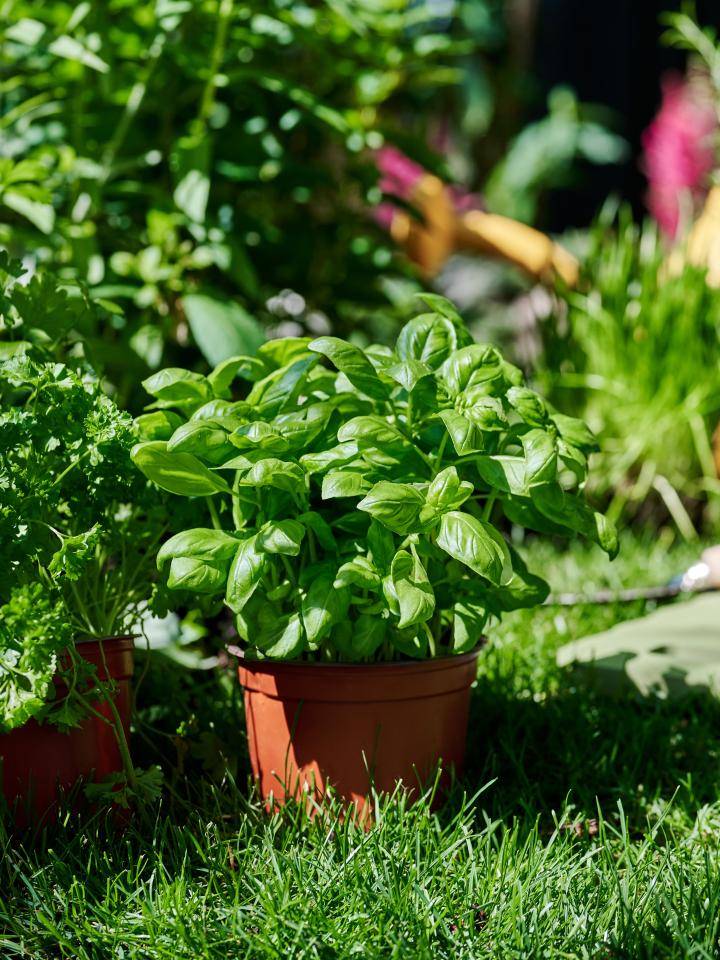
Container vs. InGround Watering: Basil in containers will almost always need more frequent watering than basil in the ground. Pots heat up faster and lose moisture more quickly. We find that a large terracotta pot, while heavy, can be a great choice because its porous nature helps the soil breathe and prevents it from becoming waterlogged.
Soil and Nutrition: Building a Foundation for Flavor
The soil is the foundation of your basil plant's health. It provides the anchorage for the roots and serves as the vehicle for delivering water and nutrients. We have found that the right soil mix can make a monumental difference in the health and productivity of the plant.
The Ideal Soil Profile: Basil thrives in a rich, welldraining soil that is abundant in organic matter. A soil pH between 6.0 and 7.5 (slightly acidic to neutral) is perfect. We do not recommend using dense, heavy garden soil in pots, as it can compact and lead to root rot.
For Containers: We recommend a highquality, loamy potting mix designed for containers. To enhance drainage and fertility, we suggest mixing in a generous amount of compost or wellrotted manure. Perlite or vermiculite can also be added to improve aeration and prevent compaction.
For InGround Planting: If you are planting basil directly in your garden bed, we advise amending the native soil with plenty of organic matter. This could be compost, peat moss, or aged leaf mold. This will improve both the soil's fertility and its ability to drain properly.
Fertilization: While rich soil provides a great start, basil is a fastgrowing, heavyfeeding plant. Since we are constantly harvesting its leaves, it needs a steady supply of nutrients to produce more.
Regular Feeding is Key: We recommend a balanced, allpurpose liquid fertilizer at halfstrength every 2 to 4 weeks. Look for a fertilizer with a balanced NPK ratio (NitrogenPhosphorusPotassium), as all three are essential for healthy leaf growth, strong roots, and overall plant vigor. We find that a fish emulsion or a diluted compost tea works wonders for basil, providing a gentle, organic boost.
Avoid OverFertilizing: Be careful not to overdo it with nitrogenheavy fertilizers. While nitrogen promotes lush green growth, too much can weaken the plant and can even diminish the flavor of the leaves. We believe in a "less is more" approach to synthetic fertilizers, preferring a light, consistent feeding schedule over a heavy, infrequent one.
Temperature and Humidity: The Tropical Comfort Zone
As a tropical plant, basil loves warmth. This is why it’s a quintessential summer herb. We have observed that basil is extremely sensitive to cold temperatures and will not tolerate frost.
Ideal Temperature Range: We find that the ideal temperature range for basil is between 65°F and 80°F (18°C and 27°C). It will thrive in these conditions, growing quickly and producing a bounty of leaves.
Protect from Cold: We recommend waiting until all danger of frost has passed before planting basil outdoors. Nighttime temperatures should consistently be above 50°F (10°C). If an unexpected cold snap is in the forecast, we advise covering your outdoor plants with a frost cloth or a sheet.
Humidity: Basil enjoys a moderate level of humidity, typical of its native environment. If you are growing basil indoors, especially during the dry winter months, we suggest misting the leaves occasionally or placing the pot on a tray of wet pebbles to increase the ambient humidity. We have found that this simple practice can prevent the leaves from drying out and turning brown at the tips.
Pruning: The Secret to a Bushy, Productive Plant
This is one of the most overlooked aspects of basil care, and it is a gamechanger. Many people simply pluck individual leaves from their basil plant, which can lead to a tall, leggy, and unproductive plant. We have seen the incredible transformation that proper pruning can bring.
Pinching for a Bushier Plant: When the plant is young, about 6 to 8 inches tall, we recommend "pinching" it. This means using your fingers or a small pair of scissors to snip off the main stem just above a set of two leaves. This will force the plant to grow two new stems from that point, making it bushier and more productive.
Harvesting as Pruning: Once the plant is established, we advise you to harvest from the top down. Every time a stem has grown at least 6 inches, we recommend cutting it just above a leaf node. This will not only give you a fresh harvest of leaves but also encourage the plant to branch out, resulting in a continuous supply of basil throughout the season.
Preventing Bolting: Basil will naturally try to produce flowers and set seed, a process known as "bolting." When it bolts, the leaves’ flavor can become bitter and the plant's energy is redirected from producing new leaves to making flowers. We recommend pinching off any flower buds as soon as you see them. This will prolong the plant's life and keep the leaves flavorful.
Common Pests and Diseases: Proactive Protection
While basil is relatively lowmaintenance, it can still be susceptible to a few common issues. We believe in a proactive approach to pest and disease management, addressing problems before they become severe.
Pests: The most common pests we have encountered are aphids, spider mites, and Japanese beetles. We recommend a few simple, organic solutions. A strong spray of water can dislodge many of them. For a more persistent infestation, we suggest using an insecticidal soap or neem oil spray. We have found these to be highly effective and safe for edible plants.
Diseases: The most common disease we see is fungal leaf spot, often caused by poor air circulation or overwatering. We advise ensuring your plants have plenty of space for air to circulate, and that you water the soil directly, avoiding the leaves. If you see brown spots on the leaves, we recommend removing the affected leaves and increasing airflow around the plant.
From Seed to Harvest: A StepbyStep Approach
We want to walk you through the entire process, from a tiny seed to a magnificent harvest.
Sowing Seeds: We recommend starting basil seeds indoors 6 to 8 weeks before the last expected frost. Sow the seeds ¼ inch deep in a seed starting mix and keep the soil consistently moist. Place them in a warm location, ideally on a heat mat or near a radiator, as basil seeds need warmth to germinate.

Transplanting: Once the seedlings have their first true leaves, we suggest transplanting them into their own pots or into the garden. If moving them outside, make sure to "harden them off" for a week or two. This means gradually exposing them to outdoor conditions, starting with just an hour or two a day and increasing the time each day. This will prevent shock and ensure a smooth transition.
Ongoing Care: Follow the instructions we have laid out for sunlight, watering, soil, and pruning. Check on your plant regularly. We do not believe in a "set it and forget it" approach; a little daily attention can make a world of difference.
Harvesting: Begin harvesting leaves when the plant is about 6 to 8 inches tall. Pinch or cut the leaves as needed, but remember to take no more than a third of the plant at any one time. The more you harvest, the more the plant will produce. We love to pick fresh leaves right before we use them to get the most intense flavor.
We are confident that by following this comprehensive guide, you will be able to grow a basil plant that is not only healthy and vigorous but also incredibly delicious. We have shared all of our knowledge and experience, and we believe that with these tools, you are set up for success. We wish you a bountiful harvest and many wonderful meals to come.


Comments
Post a Comment