Best way to grow oregano
From my experience as a seasoned gardener and culinary enthusiast, I can confidently state that growing your own herbs is one of the most rewarding endeavors. When it comes to flavor, versatility, and sheer resilience, few plants can rival the mighty oregano. I do believe that with the right knowledge, anyone can cultivate a thriving oregano patch, whether in a sprawling garden bed or a small container on a sunny windowsill. I recommend that you follow these detailed steps to ensure your success. This guide is designed to be the definitive resource for anyone looking to master the art of growing oregano, from the absolute beginner to the experienced green thumb.
Understanding the Oregano Plant: More Than Just a Pizza Topping
What is Oregano? A Deep Dive into the Lamiaceae Family
Oregano, scientifically known as Origanum vulgare, is a perennial herb in the mint family, Lamiaceae. Its name, derived from the Greek words "oros" (mountain) and "ganos" (joy), literally means "joy of the mountain." This speaks to its natural habitat in the sunny, dry climates of the Mediterranean. While most people are familiar with its culinary use, oregano has a rich history in traditional medicine and cultural practices. Its aromatic leaves are rich in essential oils, primarily carvacrol and thymol, which are responsible for its pungent flavor and numerous health benefits. These compounds have been studied for their potential antioxidant, antimicrobial, and antiinflammatory properties, adding another layer of value to this incredible plant.

Popular Varieties of Oregano for Home Growers
While Origanum vulgare is the most common species, the world of oregano is surprisingly diverse. The flavor and growth habits can vary significantly between varieties. Choosing the right one for your climate and culinary needs is a crucial first step. From my experience, the following varieties are excellent choices for home gardeners:
I recommend that you research the specific characteristics of each variety to match your growing conditions and culinary preferences. From my experience, a little bit of homework here pays off immensely in the long run.
Setting the Stage: Ideal Conditions for Thriving Oregano
Site Selection and Soil Preparation: The Foundation of Success
Oregano is a sunloving plant that thrives in welldrained soil. Mimicking its natural Mediterranean habitat is key to a healthy and productive plant. From my experience, the following conditions are nonnegotiable for success:
Sunlight Requirements: The More, the Better
Oregano needs a minimum of 6 to 8 hours of direct sunlight per day. The more sun it receives, the more potent and flavorful its essential oils will be. A plant grown in a shady location will have leggier stems and a milder, less desirable flavor. I do recommend choosing the sunniest spot in your garden or on your balcony.
The Perfect Soil Mix: Drainage is King
Oregano absolutely hates wet feet. Waterlogged soil is the number one cause of root rot and plant death. I recommend a soil mix that is light, sandy, and drains exceptionally well. You can achieve this by amending your garden soil with organic matter like compost, or inorganic materials such as perlite or sand. A pH level between 6.0 and 7.0 is ideal. From my experience, a simple raised bed or a container with ample drainage holes is often the easiest way to ensure proper soil conditions.
Propagation Methods: Starting Your Oregano Journey
You can start oregano from seeds, cuttings, or by dividing an existing plant. Each method has its pros and cons, and I recommend choosing the one that best suits your timeline and resources.
Starting from Seed: A Test of Patience
While starting oregano from seed is a costeffective option, it requires patience. Oregano seeds are tiny and can be slow to germinate. I recommend starting them indoors about 68 weeks before the last frost date. Scatter the seeds on top of a seedstarting mix, pressing them gently into the soil. Do not cover them with a thick layer of soil, as they require light to germinate. Keep the soil consistently moist but not waterlogged. Germination can take anywhere from 7 to 21 days. Once the seedlings have their first true leaves, thin them to prevent overcrowding.
Planting Seedlings and Transplants
Once the risk of frost has passed, and your seedlings are at least 34 inches tall, you can transplant them outdoors. I recommend hardening them off for a week beforehand by gradually exposing them to outdoor conditions. Dig a hole twice as wide as the root ball and just as deep. Place the plant in the hole, backfill with soil, and water thoroughly. Space plants at least 12 inches apart to allow for proper air circulation.
Propagating from Cuttings: A Faster Alternative
Propagating oregano from cuttings is a quick and effective way to get a new plant. I do this frequently to expand my own garden and share with friends. I recommend taking a cutting from a healthy, nonflowering stem. The cutting should be about 46 inches long. Remove the leaves from the bottom half of the stem. You can root the cutting in either water or soil. To root in water, simply place the cutting in a glass of water and change the water every few days. Roots should appear within a couple of weeks. To root in soil, dip the end in rooting hormone (optional but helpful) and plant it in a small pot with a welldraining soil mix. Keep the soil moist until new growth indicates the cutting has established roots.
Division: The Easiest Method for Mature Plants
If you have a mature oregano plant, dividing it is the simplest way to propagate. I recommend doing this in the early spring or fall. Gently dig up the entire plant and its root ball. Using your hands or a sharp knife, carefully divide the root ball into smaller sections, making sure each section has a good amount of roots and some stems. Replant these new sections immediately in their new locations and water them well. This method is also a great way to rejuvenate an older, woody plant.
Ongoing Care: Nurturing Your Oregano Plant to its Fullest Potential
Watering and Fertilizing: Less is More
Oregano is a droughttolerant plant. From my experience, overwatering is far more detrimental than underwatering. I recommend letting the soil dry out completely between waterings. When you do water, give the plant a deep soak, but be sure the excess water can drain away. For plants in containers, a good practice is to water until you see water flowing out of the bottom drainage holes. I do this to ensure the entire root system receives moisture.
Fertilizer: A Light Hand is Best
Oregano is not a heavy feeder and generally does not require much fertilizer. In fact, too much fertilizer, especially nitrogen, can lead to lush, leafy growth at the expense of flavor. I recommend fertilizing only once or twice a year, if at all, with a balanced, slowrelease organic fertilizer. A layer of compost applied in the spring is often more than enough to provide all the nutrients the plant needs.
Pruning and Maintenance: Keeping it Healthy and Productive
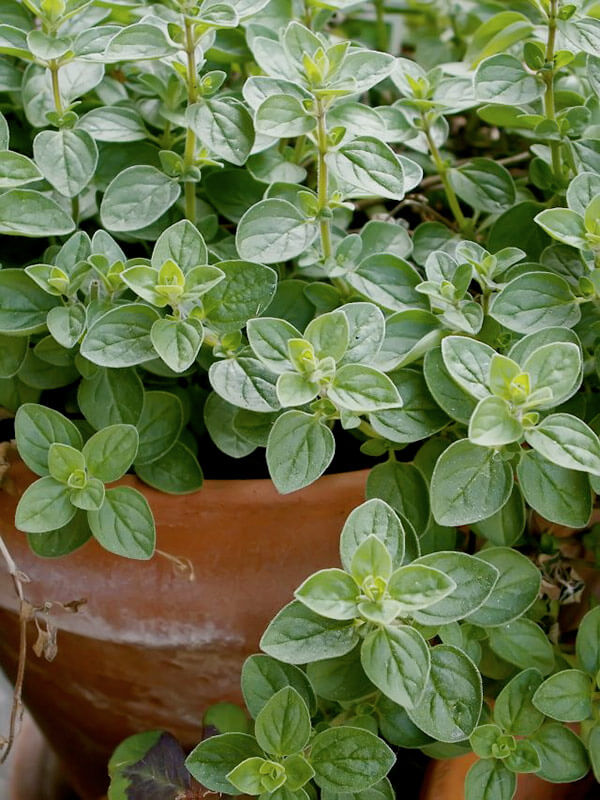
Regular pruning is essential for maintaining a healthy and productive oregano plant. I recommend that you pinch or snip off the top few inches of growth regularly, especially during the spring and early summer. This encourages the plant to branch out, creating a bushier, more compact form. If you allow the plant to flower, the leaves can become bitter. To prevent this, I do snip off the flower stalks as they emerge. Pruning also helps to improve air circulation, which can prevent fungal diseases.
Pest and Disease Management: A Few Common Culprits

Oregano is a very resilient plant and is generally not bothered by many pests. The strong scent from its essential oils acts as a natural deterrent. However, a few pests and diseases can occasionally pose a problem. I do recommend a weekly inspection of your plants to catch any issues early on.

Harvesting and Preserving: Enjoying Your Bountiful Yield
When and How to Harvest Oregano: Timing is Everything
The best time to harvest oregano is just before the plant begins to flower, as this is when the essential oil content is at its peak. I do a major harvest on a warm, sunny morning, after the dew has evaporated but before the heat of the day. This is when the flavor is most concentrated. I recommend using clean scissors or pruning shears to cut the stems, leaving at least 23 inches of growth at the base of the plant. This encourages the plant to regrow quickly. You can harvest individual leaves as needed throughout the growing season, but a big harvest before flowering is a great way to stock up for the year.
Preserving Your Harvest: Locking in the Flavor
Oregano's flavor intensifies when dried, making it an excellent herb for longterm storage. There are a few different methods I recommend for preserving your harvest:

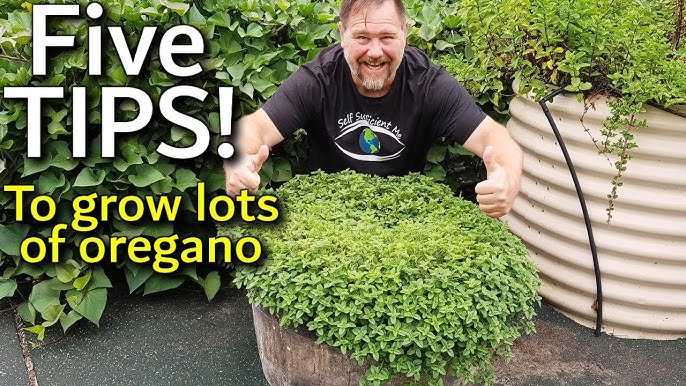
Once dried, you can strip the leaves from the stems and store them in an airtight container in a cool, dark place. The dried leaves will retain their flavor for up to a year.
Conclusion: A Culinary and Garden Staple
From my experience, growing oregano is an incredibly rewarding process. It is a forgiving plant that, with a little care and attention, will provide you with an abundance of flavorful leaves. I do believe that the difference in taste between storebought dried oregano and fresh, homegrown oregano is truly remarkable. I recommend that you experiment with different varieties and find the one that best suits your palate. By following the detailed instructions in this guide, you are well on your way to a successful and bountiful harvest. I do hope this comprehensive guide has provided you with the confidence and knowledge to begin your oreganogrowing journey and transform your culinary creations with the taste of pure, homegrown flavor.


Comments
Post a Comment