Chives in ground
I've been cultivating chives in my own garden for over two decades now, and from my experience, there's no more rewarding and lowmaintenance herb to grow. I find myself constantly recommending chives to new and seasoned gardeners alike because they simply thrive with minimal fuss. I do believe that the secret to their success lies in a few fundamental principles, and I am confident that anyone can achieve an abundant and perpetual supply of this wonderful herb by following a few simple steps. The following is a comprehensive guide we've compiled to help you master the art of growing chives directly in the ground, ensuring they flourish season after season.
Their slender, hollow leaves provide a delicate, onionlike flavor, and their spherical, purple blossoms add a touch of elegance to any landscape. While they are a common sight in container gardens, the true potential of this resilient perennial herb is unleashed when it is cultivated directly in the ground. Herein, we present a meticulously detailed and exhaustive guide to growing chives, exploring every facet of their life cycle, from initial soil preparation to longterm maintenance and propagation. We believe that by understanding the specific needs and behaviors of this remarkable plant, you can ensure a robust, productive, and beautiful chive patch for years to come.
Understanding the Chive: A Botanical and Horticultural Perspective
Before we delve into the practical steps of cultivation, it is essential to first comprehend the chive's fundamental nature. The chive is a member of the Amaryllidaceae family, which also includes onions, garlic, and leeks. It is a true perennial, meaning it returns year after year from its established root system, unlike its annual and biennial relatives. This characteristic makes it a highly valuable addition to any permanent garden bed.
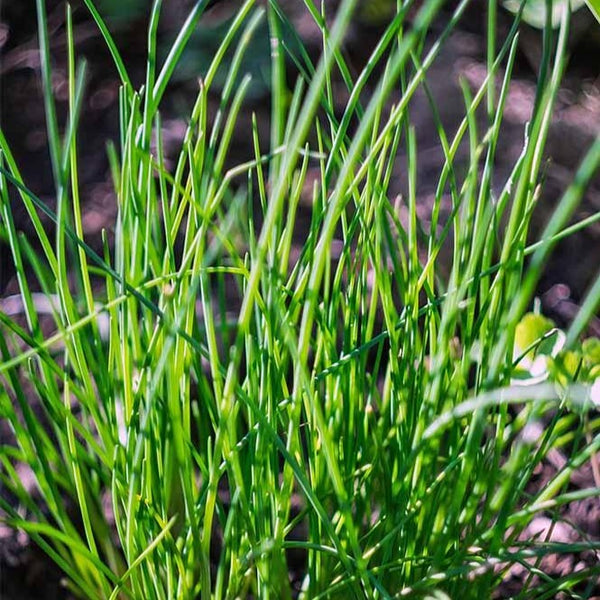
The chive's growth habit is characterized by the formation of dense clumps or mounds. Each clump is composed of numerous small, elongated bulbs, and from these bulbs spring the distinctive green, hollow, grasslike leaves. These bulbs, while not typically eaten, serve as energy storage and are critical for the plant's winter survival and subsequent spring growth. The chives' cold hardiness is exceptional, with many varieties surviving frigid winter temperatures as low as USDA hardiness zone 3, a testament to their durability.
The Chive’s Life Cycle: From Bulb to Bloom and Back
We find that a thorough understanding of the chive's life cycle is paramount for its successful cultivation.
Spring Awakening: As the ground thaws and temperatures begin to rise, the dormant chive bulbs awaken. Stored energy from the previous season fuels a rapid flush of new, vibrant green growth. This is often the most vigorous growth period of the year.
MidSeason Growth: Throughout the late spring and early summer, the chive plant continues to produce new leaves. By midseason, the plant will have reached its full height and density. It is during this period that the plant will produce its stunning flower stalks, which are topped with a single, round cluster of starshaped, lavendertopurple florets. The appearance of these flowers signifies the plant’s maturity and its readiness for seed production.
Seed Production and Dormancy Initiation: After flowering, the chive plant will begin to allocate its energy toward the maturation of its seeds. Simultaneously, the rate of leaf production will slow. As fall approaches and daylight hours shorten, the leaves will begin to yellow and eventually die back completely. This is a natural process as the plant prepares for its winter dormancy. The energy from the dying leaves is pulled back into the bulbs in the soil, which will sustain the plant through the colder months.
Winter Dormancy: During the winter, the chive bulbs lie dormant beneath the surface of the soil. They are remarkably resilient to freezing temperatures, and their protective outer layers insulate them from the harshest conditions. We find that this period of dormancy is essential for the plant's longterm health and vigor.
Selecting the Ideal Location and Preparing the Soil for Chives in Ground
The success of your chive patch begins with two critical decisions: choosing the right location and properly preparing the soil. Chives are not overly demanding, but providing them with their preferred environment will pay dividends in the form of robust growth and a prolific harvest.
Optimal Site Selection: The Role of Sunlight and Water
Chives thrive in a location that receives full sun to partial shade. We recommend aiming for at least 6 hours of direct sunlight per day. A full sun position will lead to the most vigorous growth and the most flavorful leaves. However, chives are tolerant of partial shade, particularly in hotter climates where the afternoon sun can be intense. In such cases, a location that receives morning sun and is shaded in the afternoon is an excellent choice.
It is also vital to choose a site with excellent drainage. Chives do not tolerate "wet feet" or waterlogged soil, which can lead to bulb rot and fungal diseases. A gentle slope or a raised bed can provide the necessary drainage if your native soil is heavy clay.
The Comprehensive Guide to Soil Preparation
Soil is the foundation of your garden, and for a perennial like chives, investing time in its preparation is a nonnegotiable step. We believe that a welldraining, fertile, and slightly acidic to neutral soil (pH 6.0 to 7.0) is the perfect medium for chive cultivation.
Understanding Soil Structure and Composition
The ideal soil for chives is a sandy loam, which is a balanced mixture of sand, silt, and clay. This composition allows for both adequate drainage and sufficient moisture retention.
Sandy soil drains quickly but retains few nutrients.
Clay soil retains moisture and nutrients well but compacts easily and drains poorly.
Silty soil is a finetextured soil that holds water well but can also become compacted.
Our goal in preparing the soil is to create a loamy texture that balances these properties.
Amending the Soil for Optimal Health
We find that amending the soil with organic matter is the single most important step in preparing a chive bed. Organic matter improves soil structure, enhances drainage, increases water and nutrient retention, and provides a continuous source of slowrelease nutrients.
Recommended Organic Amendments:
Compost: The gold standard of soil amendments. We recommend incorporating a generous amount of welldecomposed compost. This material is rich in beneficial microorganisms and provides a full spectrum of nutrients.
Wellrotted Manure: A powerful nutrient source, particularly high in nitrogen. Ensure the manure is wellrotted to avoid burning the plant's roots and introducing weed seeds.
Peat Moss: Excellent for increasing the soil's acidity and improving its waterholding capacity.
Coir (Coconut Fiber): A sustainable alternative to peat moss, offering similar benefits.
StepbyStep Soil Preparation:
Test the Soil: Before adding amendments, we recommend using a simple soil test kit to determine your soil's current pH and nutrient levels. This will allow you to make precise adjustments.
Loosen the Soil: Using a garden fork or a tiller, loosen the soil to a depth of at least 812 inches. This breaks up compacted layers and improves aeration.
Incorporate Amendments: Spread a 24 inch layer of your chosen organic amendments over the loosened soil.
Mix Thoroughly: Work the amendments into the soil with your garden fork or tiller, ensuring a uniform mixture.
Let it Rest: We find it beneficial to let the amended soil rest for a week or two before planting. This allows the new components to integrate and gives the soil's microbial life time to establish itself.
Planting Chives Directly in the Garden: From Seed and Division
Once your soil is prepared, the actual planting process is straightforward. We will detail both methods: planting from seed and planting from established plants or divisions.
Planting Chives from Seed: A Patient's Pursuit
Starting chives from seed is a rewarding and costeffective method, though it requires more patience than planting established plants.
Timing: We find the best time to sow chive seeds directly in the ground is in early spring, as soon as the soil is workable. They can also be sown in the fall for a spring germination.
Detailed Sowing Instructions:
Prepare the Seedbed: Ensure the soil is finely raked and free of debris.
Create Furrows: Using a trowel or your finger, create shallow furrows approximately 1/4 inch deep.
Sow the Seeds: Sprinkle the small, black seeds thinly along the furrows. We recommend sowing them more densely than you think is necessary, as not all seeds will germinate.
Cover the Seeds: Gently cover the seeds with a thin layer of soil and lightly tamp it down.
Water Carefully: Use a gentle spray nozzle or a watering can with a fine rose to water the area. A strong spray can dislodge the seeds.
Maintain Moisture: Keep the soil consistently moist but not waterlogged until the seedlings emerge, which typically takes 10 to 14 days.
Thinning: Once the seedlings are a few inches tall, we recommend thinning them to a spacing of 68 inches apart. Chives are more productive when given a little room to grow. You can either gently pull the weaker seedlings or simply snip them at the base to avoid disturbing the roots of the remaining plants.
Planting Chives from Division or Container Plants: Instant Gratification
For a quicker, more established start, planting nurserybought container chives or dividing existing clumps is the preferred method.
Timing: This can be done at any point during the growing season, from spring to early fall, as long as the ground is not frozen. We find that planting in the spring or fall allows the plants to establish their root systems before the stress of summer heat or winter cold.
Detailed Planting Instructions:
Prepare the Hole: Dig a hole that is slightly wider and deeper than the root ball of the plant.
Remove the Plant: Carefully remove the chive plant from its container. If it is a division from an existing clump, you may need to gently untangle the roots.
Loosen the Roots: Use your fingers to gently loosen the root ball. This encourages the roots to grow outward into the new soil.
Position the Plant: Place the plant in the center of the hole, ensuring the top of the root ball is level with the surrounding soil.
Backfill the Hole: Carefully fill the hole with the amended soil, gently patting it around the base of the plant to remove air pockets.
Water Thoroughly: Give the newly planted chives a deep watering. This helps settle the soil and provides the roots with essential moisture.
The Art of Division and Propagation
Dividing a mature chive clump is the easiest and most effective way to create new plants. We recommend dividing chives every 34 years to prevent overcrowding and rejuvenate the plant.
Dig up the Clump: Use a garden fork to carefully lift the entire clump out of the ground.
Separate the Clump: The clump is a mass of individual bulbs. You can use your hands or a sharp knife to divide the clump into smaller sections, each containing several bulbs and a healthy root system.
Replant: Replant these smaller divisions in their new, prepared locations, following the planting instructions above.
Essential Care and Maintenance for Flourishing Chives in Ground
Once planted, chives are a lowmaintenance crop. However, providing them with a little ongoing care will maximize their yield and keep them healthy for many years.
Watering: The Foundation of Life
We find that proper watering is the most critical aspect of chive care.
Frequency: Chives prefer consistently moist soil but absolutely do not tolerate soggy conditions. We recommend watering deeply but infrequently.
Method: Water at the base of the plant to avoid wetting the foliage, which can lead to fungal issues. A soaker hose or drip irrigation system is an excellent choice for a chive bed.
Signs of Thirst: The leaves of underwatered chives will begin to look limp and pale. If you observe this, it is time to water immediately.
Fertilization: Providing Necessary Nutrients
Chives are not heavy feeders, but a little nutritional support can boost their growth.
Initial Feeding: The organic matter we added during soil preparation will provide a slow release of nutrients for the first year.

Subsequent Feeding: We recommend a light feeding with a balanced, allpurpose organic fertilizer in early spring, just as the new growth emerges. A liquid fish emulsion or a granular slowrelease fertilizer can work well.
Avoid OverFertilizing: Excessive nitrogen can lead to lush but weak growth and can make the plant more susceptible to pests and diseases.
Weeding and Mulching: The Garden's Guardians
Keeping the chive bed free of weeds is important to prevent competition for nutrients and water.
Manual Weeding: We recommend regularly handweeding around the chive clumps, being careful not to disturb their shallow roots.
Mulching: A 23 inch layer of organic mulch, such as shredded leaves, grass clippings, or straw, is highly beneficial. Mulch suppresses weeds, conserves soil moisture, regulates soil temperature, and adds organic matter as it decomposes.
Pest and Disease Management: A Proactive Approach
Chives are generally pest and diseaseresistant, thanks to their allium compounds. However, a few issues can occasionally arise.
Common Pests:
Aphids: These small insects can cluster on new growth. A strong spray of water or a simple solution of insecticidal soap can effectively control them.
Thrips: Tiny, slender insects that feed on the foliage. We find that good garden hygiene and proper watering can prevent most infestations.
Common Diseases:
Onion Rust: A fungal disease that causes orange or yellow spots on the leaves. It is often a result of high humidity and poor air circulation. Prevention is key: ensure good spacing between plants and avoid overhead watering. Affected leaves should be removed and destroyed immediately.
Harvesting, Pruning, and Storing Chives: Maximizing Your Yield
The joy of growing chives culminates in the harvest. Knowing when and how to harvest will ensure a continuous supply of flavorful leaves without harming the plant.
The Art of the Harvest Cut
We find that the best way to harvest chives is to cut the leaves from the base of the plant.
Use Sharp Shears: Use a clean, sharp pair of kitchen shears or scissors.
Cut from the Outside: Always cut the leaves from the outside of the clump first. This allows the newer inner leaves to continue to grow.
Cut at the Base: Snip the leaves about 12 inches above the soil line. Avoid cutting the entire clump down at once, as this can stress the plant.
Harvest as Needed: Chives can be harvested continuously throughout the growing season. The more you harvest, the more the plant will produce, as long as you leave a few inches of growth.
Pruning and Deadheading: Promoting Vigor
Deadheading: Once the chive flowers fade, we recommend cutting the flower stalks back to the base of the plant. This prevents the plant from expending energy on seed production and directs that energy back into producing new leaves.
EndofSeason Pruning: In late fall, after the leaves have started to die back, we find it beneficial to give the entire clump a "haircut," cutting all the old leaves down to a few inches above the ground. This cleans up the patch and prepares it for winter dormancy.
Harvesting the Flowers
The beautiful purple flowers of chives are also edible and possess a milder onion flavor. We encourage you to harvest them to use as a garnish on salads or in herbal butters.
Storing Your Harvest: Preserving the Freshness
Chives are best used fresh, but we can easily preserve a surplus for later use.
Freezing: This is by far the best method for longterm storage, as it preserves the flavor and texture of the chives. Simply chop the chives and place them in an airtight container or a freezersafe bag. They can be used directly from the freezer.
Drying: While drying chives is possible, it significantly diminishes their flavor. We recommend airdrying them in a single layer or using a food dehydrator on a low setting. Once dry, store them in a sealed jar in a cool, dark place.
Advanced Cultivation Techniques and ProblemSolving
We believe that a truly comprehensive guide must address the nuances of advanced cultivation and troubleshooting.
Understanding Why Your Chives Might Not Be Thriving
If your chives are not growing as expected, we can help diagnose the problem.
Symptom Probable Cause Solution
Yellowing Leaves Overwatering, poor drainage, or nutrient deficiency (especially nitrogen). Improve drainage, reduce watering frequency, or apply a balanced, organic fertilizer.
Limp or Droopy Leaves Underwatering or excessive heat. Water deeply and consider adding a layer of mulch to retain moisture.
Slow or Stunted Growth Poor soil fertility, inadequate sunlight, or overcrowding. Amend the soil with compost, move the plant to a sunnier location, or divide the clump.
No Flowers The plant may be too young, or it may not be receiving enough sun. Be patient; mature plants will flower. Ensure the plant is in a full sun location.
Экспортировать в Таблицы
Companion Planting: A Synergistic Relationship
Chives are excellent companion plants. Their pungent aroma can deter a variety of pests. We have found that they are particularly beneficial when planted near:
Roses: Chives can help deter aphids and black spot disease.
Carrots: They can repel the carrot rust fly.
Tomatoes: Chives can deter aphids and other insects.
Apple Trees: They can help prevent apple scab.
We do, however, advise against planting chives near beans or peas, as their growth can be inhibited.
Conclusion: The Perpetual Garden of Chives
We have explored the journey of growing chives from the initial thought of planting to the joy of harvesting and preserving. The chive is more than just a culinary herb; it is a resilient and beautiful perennial that, when given the right conditions, will provide a bountiful harvest year after year. We are confident that by following this comprehensive guide, you can establish and maintain a thriving chive patch that will not only enrich your dishes but also add a touch of lowmaintenance beauty to your garden.


Comments
Post a Comment