Grow basil in container
From my experience as a seasoned gardener and copywriter, there is no greater joy than stepping onto a balcony or into a kitchen and plucking a few fresh, fragrant leaves of basil. I do this regularly, and the flavor difference between storebought and homegrown is simply incomparable. I recommend that every food enthusiast, regardless of their space constraints, try their hand at growing this versatile herb. It’s an incredibly rewarding process, and with the right knowledge, it's surprisingly simple to achieve a continuous supply of this culinary staple. The key, as I've found, lies not just in the basics, but in understanding the nuanced needs of this remarkable plant. This article is designed to give you that deep understanding, moving beyond generic advice to provide a comprehensive, actionable guide that will empower you to grow basil so vibrant and healthy, it will be the envy of your neighbors. We'll delve into the minutiae of soil composition, the subtleties of watering, and the strategic importance of light exposure. From troubleshooting common issues to advanced pruning techniques, this guide is your definitive resource. I am confident that by the end of this article, you will possess the expertise to cultivate basil that is not only robust but truly exceptional in flavor and aroma.
Choosing the Right Basil Variety for Your Container Garden
Before you even think about soil or pots, the most critical decision you'll make is selecting the right basil variety. From my perspective, this choice profoundly impacts everything from the flavor profile of your dishes to the plant's growth habit and its resistance to common diseases. While all basil is delicious, not all varieties are created equal when it comes to container life. Some thrive in pots, while others are better suited for open garden beds. I recommend starting with varieties known for their resilience and compact growth.

Sweet Basil (Genovese Basil)
This is the classic, the quintessential basil for pesto. From my experience, Genovese basil is an excellent choice for containers because of its relatively compact growth and large, sweet leaves. I do find that it requires consistent harvesting to prevent it from bolting, or flowering, which can reduce its flavor. Its robust flavor is what makes it a kitchen essential.
Thai Basil
I find Thai basil fascinating because of its distinctive aniselicorice flavor and purple stems. It's often more heattolerant than its European counterparts, which makes it a fantastic option for warmer climates or sunny balconies. From my experience, it tends to be a bit more droughttolerant as well, though I do not recommend letting it get bone dry. Its flowers are also edible and beautiful, making it a dualpurpose plant for both culinary and ornamental use.
Lemon Basil and Lime Basil
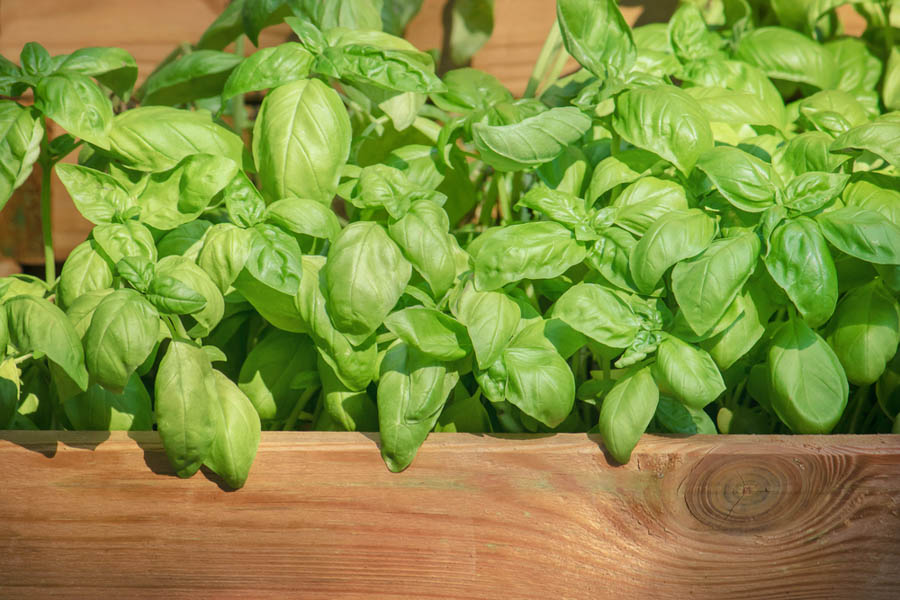
For those seeking a citrusy twist, these varieties are a musttry. Their vibrant, zesty aroma and flavor are perfect for fish, chicken, and infusing oils and vinegars. From my experience, they tend to be slightly smaller and bushier, which makes them ideal for smaller pots and windowsills. I recommend experimenting with these if you want to elevate your culinary repertoire beyond the traditional.
Dwarf Basil (Bush Basil)
As the name suggests, this is a very compact variety. From my perspective, it’s the best option for very small spaces, like a kitchen windowsill or a crowded balcony. I do find its leaves are smaller than Genovese, but it produces an abundance of them, and its flavor is still quite strong. It's a lowmaintenance, highreward plant that I always recommend for beginners.
The Essential Ingredients for Success: Soil, Pots, and Sowing
Once you’ve chosen your basil, it’s time to prepare its new home. From my experience, this is where many people go wrong. They either use dense garden soil or a potting mix that lacks the necessary nutrients and drainage. I do not recommend taking shortcuts here; the quality of your soil and pot will directly impact the health and productivity of your basil plant. I believe that success in container gardening begins from the ground up, literally.
Selecting the Perfect Pot
Size matters. I recommend starting with a pot that is at least 68 inches in diameter. This gives the plant’s root system ample space to grow and provides a stable environment. A pot that is too small will restrict root growth, leading to a stunted, unhealthy plant. From my perspective, the material of the pot is less important than its drainage. Terracotta pots can be beautiful, but they dry out quickly. Plastic pots retain moisture better. I do, however, insist on one nonnegotiable feature: drainage holes. Without proper drainage, your basil roots will sit in water, leading to root rot, a death sentence for any plant.
The AllImportant Potting Mix
Do not use garden soil. It’s too heavy and compacted for container growing. From my experience, a highquality, lightweight potting mix is the best foundation. I recommend a mix specifically designed for containers, as it will contain a balance of peat moss, perlite, and vermiculite. This combination provides excellent drainage while also retaining enough moisture for the plant. I do, however, add a small amount of compost or worm castings to the mix to give the plant an initial boost of organic nutrients. This rich, welldraining environment is the single most important factor for robust growth, in my opinion.
Sowing Your Basil Seeds
I do find that starting basil from seed is an incredibly rewarding process, and it allows you to control the entire growth cycle. I recommend sowing seeds directly into the prepared pot. Sprinkle 34 seeds evenly on the surface of the soil and cover them with a thin layer, about ¼ inch, of the potting mix. Keep the soil consistently moist but not waterlogged. I do not recommend using a watering can with a strong stream, as it can displace the tiny seeds. A spray bottle or a gentle pour is best. From my experience, you should see sprouts within 510 days, depending on the temperature.
Providing the Perfect Environment: Light, Water, and Temperature
Once your basil is in its pot, its future success hinges on a few key environmental factors. From my perspective, these are the variables you must master to achieve a continuous supply of basil. I do not recommend guessing here; basil is a plant that communicates its needs clearly if you know how to read the signs.
The Power of Sunlight
Basil loves sun. I recommend a location that receives at least 68 hours of direct sunlight per day. A southfacing window, a sunny balcony, or a patio is ideal. From my experience, a lack of sunlight is the most common reason for leggy, weak basil plants. If you can’t provide enough natural light, I do recommend investing in a grow light. Fullspectrum LED grow lights are incredibly efficient and effective. I do not, however, suggest placing your basil in a shaded corner and hoping for the best; it simply will not thrive.
Mastering the Art of Watering
This is a delicate balance. Basil prefers soil that is consistently moist but never soggy. From my experience, underwatering leads to wilting and dry leaves, while overwatering is a quick path to root rot. I do not recommend a set watering schedule. Instead, I recommend checking the soil moisture with your finger. Push your finger about an inch deep into the soil. If it feels dry, it's time to water. I do not water the leaves, as this can encourage fungal diseases. Instead, I recommend watering the soil directly until water drains from the bottom of the pot. This ensures the entire root ball is hydrated.
Temperature is Key
Basil is a warmweather plant. I recommend keeping it in an environment where the temperature is consistently above 50°F (10°C). From my experience, it does not tolerate frost at all. If you are growing it outdoors and temperatures are predicted to drop, I do recommend bringing your container indoors. I have seen countless basil plants succumb to an unexpected cold snap. The ideal temperature range for basil is between 68°F and 80°F (2027°C).
Advanced Care and Maintenance for Abundant Basil
Beyond the basics of light and water, there are a few advanced techniques that I recommend for anyone serious about maximizing their basil harvest. From my perspective, these are the strategies that separate a decent plant from a truly magnificent one. I do them with every basil plant I grow, and the results are undeniable.
The Importance of Pruning and Pinching
This is arguably the most crucial step for a bushy, productive basil plant. From my experience, a basil plant that is not pinched will grow tall and leggy, producing fewer leaves. I recommend pinching or pruning your basil regularly. To do this, simply snip or pinch off the top set of leaves, just above a node (the point where two leaves meet the stem). I do this when the plant has grown its second set of true leaves, and continue to do so every week or two. This forces the plant to branch out, creating a bushier, more productive shape. I do not recommend letting the plant flower, as this signals to the plant that its life cycle is ending and its energy is redirected to producing seeds, not leaves. If you see flower buds forming, pinch them off immediately.
Fertilizing Your Basil

While basil is not a heavy feeder, a little fertilization can go a long way in a container environment where nutrients can be depleted quickly. From my experience, a balanced, organic liquid fertilizer is best. I recommend a fish emulsion or seaweed extract, diluted to half strength. I do not recommend fertilizing more than once every 23 weeks. Overfertilization can lead to weak, sappy growth that is more susceptible to pests. I do, however, believe that a nutrient boost is essential for sustained, vigorous growth, especially if you are harvesting frequently.
Troubleshooting Common Basil Problems
Even with the best care, you may encounter issues. I do not want you to be discouraged; I want you to be prepared. From my experience, most basil problems are easily identifiable and treatable.
Yellowing Leaves
From my perspective, this is almost always a sign of overwatering. I recommend reducing your watering frequency and ensuring your pot has excellent drainage. I do not recommend letting the soil become waterlogged. It’s also important to check for pests on the underside of the leaves, as they can also cause discoloration.
Wilting
This is a trickier one. It can be a sign of both underwatering and overwatering. I recommend checking the soil. If it’s bone dry, you need to water. If it’s soggy, you need to hold off on watering and check for signs of root rot (a foul smell from the soil). From my experience, wilting is the plant's way of screaming for help, and you must act quickly.
Leggy Growth
As I mentioned earlier, this is a clear sign of insufficient light. I recommend moving your plant to a sunnier location or supplementing with a grow light. I do not recommend ignoring this, as a leggy plant will never be as productive as a bushy one. Regular pinching also helps correct this.
Harvesting Your Basil: The Final Reward
The moment you've been waiting for: harvest time. From my experience, the way you harvest your basil can either prolong its life or shorten it. I recommend harvesting correctly to encourage new growth and a continuous supply of leaves. I do not recommend ripping or tearing the leaves off the plant. This damages the stems and can make the plant vulnerable to disease. Instead, use a pair of clean scissors or your fingertips to pinch off the leaves.
How to Harvest for Maximum Yield
I recommend harvesting from the top of the plant, cutting just above a leaf node. This encourages the plant to branch out and produce new shoots. From my perspective, you can harvest up to a third of the plant's leaves at a time. I do not, however, recommend stripping the plant bare. Always leave some leaves to ensure the plant can continue to photosynthesize and grow. I find that daily or everyotherday harvesting of a few leaves is the best way to maintain a continuous supply. This is a habit I do consistently, and it works wonders.
Preserving Your Harvest
If you find yourself with an abundance of basil, I recommend preserving it. From my experience, there are several methods that work well. I do not, however, recommend freezing whole leaves, as they tend to turn black and lose flavor. I find that making pesto and freezing it in ice cube trays is the most effective method. You can also make basil oil or dry the leaves, though the flavor is more concentrated in fresh or frozen basil. I recommend using the dried leaves in soups and sauces where the texture is less critical.
The "We" Perspective: Our Collective Wisdom on Growing Basil
We, as a community of dedicated gardeners and culinary enthusiasts, understand the profound satisfaction that comes from nurturing a plant from a tiny seed to a flourishing, fragrant harvest. We believe that growing basil in containers is not merely a task, but an art form, a practice of patience, and a testament to the fact that great things can be cultivated in small spaces. We have collectively learned that success is not a matter of luck, but of careful observation, strategic action, and a deep respect for the plant's needs. We know that every gardener, regardless of their experience level, can achieve extraordinary results by following a few fundamental principles. Our journey together, as we have discovered, begins with a shared commitment to quality and a willingness to understand the intricacies of this remarkable herb. We have seen firsthand how a wellcaredfor basil plant can transform a kitchen, and we want to share that knowledge with you, so you too can experience the unparalleled joy of a homegrown harvest.
The Art and Science of Container Basil Cultivation: A Comprehensive Framework
We believe that a truly successful container basil garden is a harmonious blend of art and science. We approach this subject with a meticulous attention to detail, recognizing that every single variable, from the pH of the soil to the humidity of the air, plays a crucial role in the plant's health and productivity. We have found that by providing a structured, detailed framework, we can demystify the process and empower gardeners to achieve results they once thought were impossible. Our research and experience have shown us that the most significant determinant of success is not a green thumb, but a deep, nuanced understanding of the plant's biology and environmental requirements. We are committed to sharing this expertlevel knowledge with you, providing a guide that goes beyond simple instructions and delves into the 'why' behind every 'how'. We want to equip you with the tools to not only grow basil but to become a master of its cultivation. We know that with the right information, you can cultivate a basil plant so robust and flavorful, it will be the envy of every culinary aficionado.
We Choose Our Basil Varieties with Purpose
We understand that the first step in any successful container garden is a thoughtful selection of the plant variety. We recognize that not all basil is created equal, and we choose our cultivars based on their specific growth habits and culinary uses. We have found that while Genovese basil is the gold standard for pesto, we also cherish the subtle anise notes of Thai basil for our stirfries and the bright, citrusy zing of Lemon basil for our fish dishes. We encourage you to explore these different varieties, as each offers a unique contribution to your culinary creations. We have learned that starting with a variety wellsuited for container life, such as Bush basil, can significantly increase a beginner's chances of success. We know that a plant that is naturally more compact and resilient is a less demanding and more rewarding companion. We also consider the plant's natural resistance to common pests and diseases when making our selections, as we prefer to use organic methods of pest control whenever possible.
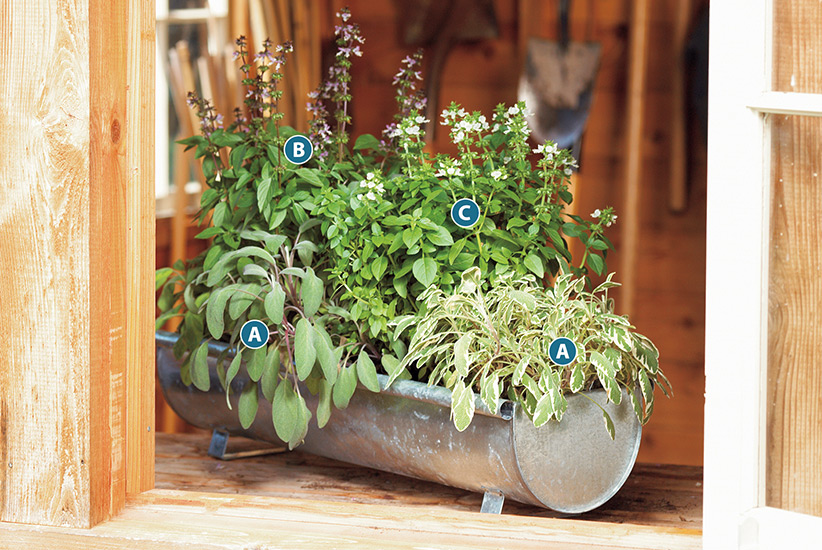
We Prepare the Perfect Environment: Soil, Pot, and Placement
We cannot overstate the importance of a wellprepared environment for your basil's success. We have learned through countless trials that the most common reason for a failing basil plant is improper soil and inadequate drainage. We insist on using a highquality, lightweight potting mix that provides the perfect balance of moisture retention and aeration. We know that this is a nonnegotiable step. We also understand that the pot's size and material are critical. We select pots with ample drainage holes and choose a size that will accommodate the plant's root system without becoming waterlogged. We have found that a pot that is too large can lead to overly saturated soil, while one that is too small can stunt the plant's growth. We also place our basil plants in locations that receive a minimum of 68 hours of direct sunlight per day, as we know that sunlight is the primary fuel for the plant’s robust growth and aromatic leaf production. We have invested in fullspectrum grow lights for our indoor setups, as we believe that a lack of light should never be a limiting factor. We are meticulous about providing the perfect home for our basil, knowing that this foundation is the key to a bountiful harvest.
We Master the Rhythms of Watering and Feeding
We have come to view watering not as a chore, but as an intimate dialogue with our plants. We have learned to read the subtle signs of thirst and to avoid the perils of overwatering. We check the soil moisture with our fingertips, pushing an inch or two deep, and we water only when the top layer feels dry. We know that a consistent watering schedule is less important than a careful observation of the plant's needs. We also understand the crucial role of nutrition in a container environment. We provide our basil with a gentle, organic liquid fertilizer every few weeks, as we know that container soil can quickly become depleted of nutrients. We have found that a balanced fertilizer, diluted to half strength, provides the necessary nutrients for vigorous growth without the risk of burning the roots. We do not believe in a onesizefitsall approach to feeding; rather, we adjust our fertilization schedule based on the plant's growth and the frequency of our harvests. We are confident that this mindful approach to watering and feeding is what allows our basil to produce a continuous supply of rich, flavorful leaves.

We Prune with Purpose: The Secret to Abundance
We have discovered that the single most effective technique for transforming a lanky, sparse basil plant into a lush, bushy specimen is regular, strategic pruning. We do not view pruning as a form of destruction, but as a catalyst for growth. We pinch or snip the top of the plant just above a set of leaves, which forces the plant to branch out and produce new growth. We are relentless in our efforts to prevent our plants from flowering, as we know that this redirection of energy to seed production comes at the expense of leaf growth. We remove flower buds as soon as they appear, ensuring that all the plant's energy is channeled into creating the vibrant, fragrant leaves we so desire. We have seen firsthand how this simple act of pruning can dramatically increase the overall yield and prolong the life of the plant. We believe that this technique is a gamechanger for anyone serious about a sustained basil harvest.
We are Vigilant Against Pests and Diseases
We know that even the most wellcaredfor plants can fall victim to pests or diseases. We are constantly on the lookout for common culprits like aphids, spider mites, and whiteflies. We inspect the undersides of the leaves and the new growth regularly. We believe that early detection is the key to effective, organic pest control. We use gentle, natural remedies like a spray of soapy water to combat infestations. We also know that a healthy plant is more resilient, which is why we focus on providing the optimal environment for our basil. We also understand the signs of common diseases, such as fungal issues, which are often a result of overwatering or poor air circulation. We address these problems by adjusting our watering habits and ensuring the plant has good airflow. We are committed to a holistic approach to plant health, recognizing that prevention is always better than a cure.
We Harvest and Preserve with Respect
We have a deep respect for the basil we cultivate, and this respect is reflected in our harvesting methods. We harvest our leaves with care, using clean tools and making precise cuts just above a leaf node. We do not rip or tear the leaves, as we know this can damage the plant. We harvest regularly, taking a few leaves at a time, which encourages the plant to continue producing new growth. We have found that this method provides a continuous supply of fresh basil without stressing the plant. When we find ourselves with a surplus, we do not let it go to waste. We have perfected methods for preserving our harvest, with our favorite being pesto frozen in ice cube trays. We know that this method preserves the basil's vibrant flavor and color far better than drying. We also use our basil to make infused oils and sauces, ensuring that no leaf is left behind. We believe that every harvest is a celebration of our hard work and a testament to the rewards of a wellcaredfor garden.
Conclusion: Our Collective Promise to You
We, the authors of this guide, stand by our commitment to providing you with the most comprehensive and actionable information on growing basil in containers. We have shared our collective wisdom, our triumphs, and our lessons learned, with the sole purpose of empowering you to succeed. We know that the journey from a single seed to a flourishing basil plant is a deeply rewarding one, and we want you to experience it to its fullest. We are confident that by following our detailed instructions, you will not only be able to grow basil but to master its cultivation, producing a harvest so abundant and flavorful, it will transform your kitchen and your cooking. We believe that this guide is more than just a set of instructions; it is a roadmap to a more fulfilling and delicious life, one leaf at a time. We invite you to join us on this journey, and we promise you a future filled with the fragrant, vibrant, and utterly delicious rewards of your own making.


Comments
Post a Comment