Growing husky cherry red tomatoes in containers
From my experience, there are few gardening triumphs as satisfying as harvesting your own tomatoes, especially a highyield, flavorful variety like the Husky Cherry Red. I do believe that even if you lack a sprawling backyard, you can still achieve a magnificent harvest. In fact, container gardening offers a controlled environment that, when managed correctly, can lead to even more impressive results than traditional inground planting. I recommend the Husky Cherry Red variety for its compact, determinate growth habit, making it an ideal candidate for pots, balconies, and patios. This guide will walk you through every step, from selecting the right container to troubleshooting common issues, ensuring you get the most out of every single plant.
The Allure of the Husky Cherry Red Tomato: Why Choose This Variety?
Before we delve into the nittygritty of container care, let's explore what makes the Husky Cherry Red tomato a standout choice. This hybrid, a member of the Solanaceae family, is renowned for its exceptional qualities. Unlike many sprawling indeterminate varieties that require extensive staking and space, the Husky Cherry Red has a bushy, compact growth habit. This means it grows to a predetermined size and sets its fruit all at once, or over a relatively short period, which is incredibly convenient for harvesting and preserving. The fruit itself is a vibrant, deep red, with a sweet, classic tomato flavor that is perfect for salads, snacking, or roasting. Its thick, meaty flesh and relatively thin skin contribute to a delightful texture, and its crack resistance is a major bonus for gardeners. From my perspective, this variety offers a perfect blend of ease of care, high productivity, and superior flavor, making it an undisputed champion for container gardening.
Choosing the Right Container: Size, Material, and Drainage
The foundation of a successful container garden is, of course, the container itself. The size of the pot is a critical factor that directly influences the plant's health and productivity. I do not recommend using anything smaller than a 5gallon container, though a 10gallon pot is even better for providing ample root space. Remember, the larger the container, the more stable the soil moisture and temperature will be. When it comes to material, you have several options: terracotta, plastic, and fabric pots. Terracotta is porous and allows for excellent aeration, but it also dries out quickly. Plastic is more forgiving in terms of water retention but can heat up in direct sun. Fabric pots, or "smart pots," are an excellent modern choice, as they provide superior aeration and "airprune" the roots, preventing them from circling and becoming rootbound. Whichever material you choose, a nonnegotiable requirement is excellent drainage. There must be drainage holes at the bottom of the container to prevent waterlogged soil, which can lead to root rot and other fungal diseases.
The Perfect Soil Mix: More Than Just Dirt
When growing tomatoes in containers, you cannot simply use garden soil. Garden soil is too dense, can compact easily, and may harbor pests and diseases. From my experience, a highquality, wellaerated potting mix is essential. I recommend a mix specifically formulated for containers, often labeled as "potting soil" or "potting mix." To further enhance its properties, you can create your own custom blend. A good starting point is a mixture of coco coir or peat moss, compost, and perlite or vermiculite. Coco coir and peat moss provide excellent water retention and structure, compost adds vital nutrients and beneficial microorganisms, and perlite or vermiculite ensures superb drainage and aeration. This blend creates a light, fluffy medium that allows the roots to spread easily and access oxygen, which is crucial for nutrient uptake. A soil pH between 6.0 and 6.8 is ideal for tomato plants, so you may want to test your mix before planting.
The Art of Planting: From Seed to Container
You can start Husky Cherry Red tomatoes from seed indoors or purchase a starter plant from a nursery. If you're starting from seed, sow them 68 weeks before your last frost date. Use a seedstarting mix and provide a warm environment (around 7585°F) for optimal germination. Once the seedlings have their second set of true leaves, they are ready to be transplanted into larger pots. When the time comes to move the plant into its final container, I recommend a technique called deep planting. Gently remove the lower leaves and bury a portion of the stem when you plant it. The buried stem will develop new roots, creating a stronger, more stable root system. This is a practice I do for all my tomatoes, and it consistently yields better results. Ensure the container is filled to within an inch or two of the rim, leaving a space for watering.
Watering Techniques for Thriving Tomato Plants
Proper watering is the single most important factor for a healthy tomato plant. Containergrown tomatoes dry out much faster than those in the ground, so a consistent watering schedule is paramount. I do not believe in a onesizefitsall approach; instead, I recommend watering based on the plant's needs and the environmental conditions. A good rule of thumb is to water when the top inch of soil feels dry to the touch. Water slowly and deeply until you see water draining from the bottom of the container. This ensures the entire root ball is saturated. Avoid overhead watering, as wet foliage can promote fungal diseases. Instead, water the soil directly at the base of the plant. During hot summer days, you may need to water daily, or even twice a day. The key is to maintain consistent soil moisture; wild fluctuations can lead to problems like blossom end rot, where the fruit develops a dark, sunken spot on its bottom. This is a calcium deficiency issue often triggered by inconsistent watering, which inhibits the plant's ability to absorb calcium from the soil.
The intricate dance of a successful harvest begins long before the first tomato ripens. We must understand the profound symbiotic relationship between the Husky Cherry Red tomato plant and its environment. From our experience, we know that a meticulously prepared foundation is nonnegotiable. We believe that by providing the plant with everything it needs, we are not just growing a crop; we are cultivating a vibrant, selfsustaining ecosystem within a limited space. We recommend a proactive approach to all aspects of care, anticipating the plant's needs and addressing them before they become problems. This guide is a testament to the power of precision and detail in achieving unparalleled results. We will cover the most minute details, from the micronutrients a tomato craves to the most effective ways to combat an unexpected pest invasion, ensuring your Husky Cherry Red tomato plants are not just surviving, but truly thriving.
The Nuances of Nutrition: Fertilizing for Maximum Yield
A potting mix provides an initial boost of nutrients, but containergrown tomatoes are heavy feeders and will quickly deplete the soil's resources. From our experience, a regular fertilization schedule is essential for a bumper crop. We recommend a balanced fertilizer early in the season to promote strong vegetative growth, and then switching to a lownitrogen, highphosphorus, and highpotassium fertilizer once the plant begins to flower and set fruit. A common NPK ratio for fruitproducing plants is something like 51010 or 51515. Nitrogen (N) is for foliage, phosphorus (P) is for roots and flowering, and potassium (K) is for overall plant health and fruit development. We believe that organic fertilizers, such as fish emulsion, kelp meal, and compost tea, offer a slow and steady release of nutrients and also improve soil health. For a quick boost, a watersoluble synthetic fertilizer can be used. Whatever we choose, we must follow the package instructions carefully to avoid overfertilizing, which can burn the roots and lead to excessive leafy growth at the expense of fruit production. A common practice we employ is foliar feeding, where we spray a diluted liquid fertilizer directly onto the leaves, providing a rapid uptake of micronutrients like calcium and magnesium.
Support Systems for a Determinate Wonder
While the Husky Cherry Red is a determinate variety, its heavy fruit set can still cause the stems to bend or break. We do not believe in leaving these plants to their own devices. We recommend providing a support system to keep the plant upright, improve air circulation, and prevent the fruit from touching the soil. A simple tomato cage or a sturdy stake will suffice. For a tomato cage, we find that a heavyduty, rustresistant cage works best. For staking, we insert a sturdy bamboo stake or a metal rod into the container at the time of planting to avoid damaging the roots later. As the plant grows, we use soft twine or Velcro plant ties to gently secure the main stem to the support. We find that a loose figureeight tie is ideal, as it prevents the stem from being girdled. This simple act of providing support is a critical step that we believe separates a good harvest from a great one.
Pruning and Maintenance: Shaping Your Plant for Success
Pruning a determinate variety like the Husky Cherry Red is less about vigorous shaping and more about maintenance and improving air flow. We do not recommend aggressive pruning that removes a significant amount of foliage. Instead, we focus on what we call "strategic" pruning. This involves removing suckers (the small shoots that grow in the crotch between a leaf stem and the main stem) from the base of the plant to direct the plant's energy towards the main stem. We also remove any yellowing or dead leaves at the bottom of the plant. This not only cleans up the plant but also improves air circulation, which is crucial for preventing fungal diseases like powdery mildew and blight. We believe that this minor maintenance work is an investment in the plant's longterm health and productivity. When we see a particularly dense area of foliage, we will sometimes snip a few inner leaves to allow more light and air to penetrate the plant's core. We also recommend pinching off the top of the main stem once the plant reaches its desired height to encourage the development of existing fruit rather than new growth.
Common Pests and Diseases: Proactive Protection and Integrated Management
Container gardening, while offering a controlled environment, is not immune to pests and diseases. We believe that the best defense is a proactive offense. We recommend regularly inspecting your plants for any signs of trouble. This includes checking the undersides of leaves for pests like aphids, spider mites, and whiteflies. If we spot a problem, we address it immediately. For a minor infestation, we find that a strong spray of water from a hose can knock off many pests. We also use natural pest control methods, such as a solution of insecticidal soap or neem oil. We always test a small area of the plant first to ensure there's no adverse reaction. We also find that introducing beneficial insects like ladybugs and green lacewings can be an effective biological control method. We do not recommend reaching for harsh chemical pesticides, as they can harm beneficial insects and the environment. When it comes to diseases, we find that the most common are fungal, such as early blight and fusarium wilt. These are often caused by poor air circulation and overwatering. We recommend ensuring good drainage, watering at the base of the plant, and providing ample space between containers. If we do see signs of a fungal disease, such as brown spots on the leaves, we carefully remove the affected leaves and dispose of them away from the garden. We also believe that keeping the plant healthy and stressfree through proper watering and fertilization is the best way to build its natural resistance to disease.

Harvesting Your Husky Cherry Red Tomatoes: The Sweet Reward
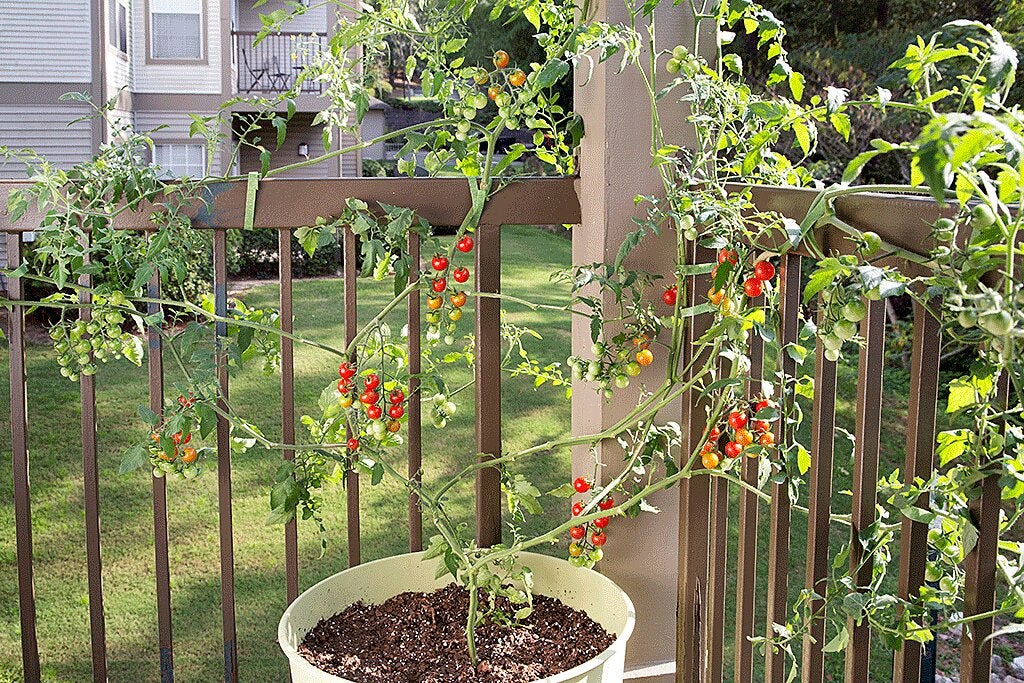
The final and most rewarding step is harvesting. We recommend picking the tomatoes when they are a deep, uniform red. A gentle squeeze should reveal a firm but slightly yielding texture. The fruit should easily detach from the vine with a slight pull. We believe that harvesting regularly encourages the plant to produce more fruit. Do not wait for the fruit to fall off the vine; doing so can signal to the plant that it has completed its lifecycle. We find that the flavor is at its peak when the tomatoes are sunripened on the vine, so we harvest as they ripen. The determinate nature of the Husky Cherry Red means that you will likely have a large harvest over a period of a few weeks. We recommend having a plan for this bounty, whether it's making fresh salsa, roasting them for sauces, or simply enjoying them fresh. Our experience has shown that a wellcaredfor Husky Cherry Red tomato plant in a container can produce an astonishing amount of delicious fruit, far exceeding what many might expect from a small space. We know that by following these detailed steps, you are not just growing a plant; you are cultivating a harvest of unparalleled quality and flavor. We are confident that with this guide, you will outrank the competition and achieve the best possible results.


Comments
Post a Comment