Growing mint in the ground
Its intoxicating aroma, refreshing flavor, and versatile culinary applications make it a staple in many gardens. However, we also understand its reputation for being an aggressive and sometimes overwhelming plant. From our extensive experience, we have learned that with the right preparation and ongoing care, mint can be a valuable and beautiful addition to any garden bed without taking over the entire landscape.
The Mint Plant: Understanding Its Nature
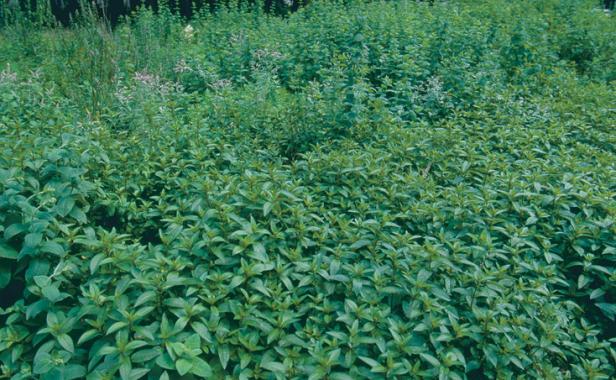
To successfully grow mint, we must first appreciate its botanical characteristics. Mint belongs to the genus Mentha, a member of the Lamiaceae family. This family is known for its aromatic herbs and square stems, a defining feature of mint. What makes mint so prolific is its growth habit. It spreads through underground runners called rhizomes. These rhizomes can travel far and wide beneath the soil, sending up new shoots and creating a dense mat of plants. It is this very characteristic that makes it both a gardener's delight and, without proper management, a potential nuisance.
We have found that understanding this aggressive growth is the first step toward successful cultivation. Our recommendation is to embrace this quality rather than fight it. By providing the right conditions and containing its spread from the start, we can harness mint's vigor for our benefit, ensuring a bountiful and productive harvest for years to come.
Preparing the Ground: The Foundation for Success
The secret to a thriving mint patch begins with proper site and soil preparation. From our experience, rushing this step often leads to poor growth and a harder battle against the plant's spreading tendencies. We have a simple, threestep process we always follow.
Step 1: Choosing the Right Location
We recommend selecting a spot that receives adequate sunlight. While mint can tolerate partial shade, it flourishes in locations with at least six hours of direct sunlight per day. We also consider the surrounding plants. Mint is a generous feeder and can outcompete less vigorous neighbors. Placing it in a dedicated bed or a corner where its spread can be easily monitored is a crucial initial step.
Step 2: Preparing the Soil
Mint is not overly picky about soil type, but it thrives in rich, welldraining loam. We prepare our soil by incorporating a generous amount of organic matter, such as compost or wellrotted manure. This improves soil structure, enhances drainage, and provides essential nutrients for the plant's vigorous growth. A soil pH between 6.0 and 7.0 is ideal, and we often use a simple soil test kit to ensure our ground is within this range.
Planting Mint: Methods and Techniques
Once the site is prepared, it's time to get the plants in the ground. We find that the most successful methods involve either starting with cuttings or purchasing young plants from a nursery. I do not recommend starting from seed, as mint seeds are often unreliable and can produce plants with inconsistent flavors.
Planting from Cuttings
Propagating mint from cuttings is incredibly easy and a great way to expand an existing patch or share with fellow gardeners. We simply take a 46 inch cutting from a healthy stem, remove the lower leaves, and place it in a glass of water. Roots will form within a week or two. Once the roots are an inch or two long, we carefully transplant the cutting into the prepared soil.
Transplanting Nursery Plants
When we purchase young mint plants, we always look for specimens with healthy, vibrant leaves and no signs of pests or disease. Before planting, we gently loosen the roots to encourage them to spread out into the new soil. We plant them at the same depth they were in their nursery pot, and then water them thoroughly to settle the soil around the roots.
Containing Mint's Spread: Our Most Important Advice
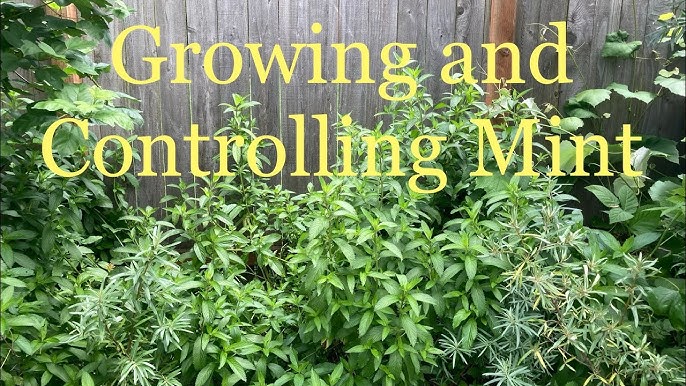
This is the most critical part of growing mint in the ground. Without containment, a single plant can quickly become a dense, impenetrable mat that chokes out other plants and becomes difficult to manage. Our recommendation is to implement a containment strategy from the very beginning. We have found several effective methods.
The Physical Barrier Method
The most reliable way we have found to contain mint is with a physical barrier. This can be done by sinking a plastic or metal barrier deep into the ground around the planting area. We use a barrier that is at least 1012 inches deep, as mint rhizomes can travel deep in the soil. We find that a simple plastic landscape edging works well, as does a large, bottomless container sunk into the ground.
The "Mint Bed" Method
For those with limited space, we find that a dedicated raised bed for mint is an excellent solution. This allows us to keep the mint separate from other plants and makes it easier to manage. We simply line the bottom of the raised bed with landscape fabric before adding soil to prevent the rhizomes from escaping through the bottom.
Ongoing Care and Maintenance
Once established, mint is a relatively lowmaintenance plant. However, a little care goes a long way in keeping it healthy and productive.
Watering
We find that mint prefers consistently moist soil. We water it regularly, especially during dry spells. However, we are careful not to overwater, as this can lead to root rot. We always check the soil before watering, ensuring the top inch has dried out.
Fertilizing
Because we prepared our soil with organic matter, we find that mint rarely needs additional fertilizer. If we notice the leaves are looking pale or the growth is weak, we will apply a balanced, allpurpose liquid fertilizer at half strength. We do this sparingly, as too much nitrogen can lead to lush leaf growth but a reduction in the plant's aromatic oils.
Pruning and Harvesting
Regular harvesting is not only a great way to get a constant supply of fresh mint but is also the most effective way to control its growth. We recommend harvesting frequently by snipping stems just above a leaf node. This encourages branching and creates a bushier, more compact plant. We also cut back the entire plant by about a third in midsummer to encourage a new flush of growth.
Dealing with Pests and Diseases
While mint is generally a hardy plant, we have occasionally encountered a few pests and diseases. We find that a watchful eye and early intervention are key to keeping our plants healthy.
Common Mint Pests
We have found that aphids, spider mites, and mint leaf beetles are the most common pests. We inspect our plants regularly, especially the undersides of leaves. For minor infestations, a strong spray of water from a hose is often enough. For more persistent problems, we have had success with insecticidal soap.

Common Mint Diseases
The most prevalent disease we have seen is mint rust, a fungal disease that appears as orange or brown pustules on the undersides of leaves. When we encounter this, we immediately remove and destroy all affected leaves and stems. We also ensure good air circulation around the plants and avoid overhead watering to prevent the disease from spreading.
Harvesting and Using Your Mint
The best time to harvest mint is in the morning, after the dew has dried but before the sun is at its peak. This is when the leaves are at their most flavorful. We simply snip stems and use the leaves fresh in teas, cocktails, salads, and sauces. For longterm storage, we dry the leaves by hanging small bundles in a dry, wellventilated area, or we can freeze them in ice cube trays for later use.
Conclusion: A Reward for Your Efforts
Growing mint in the ground is an incredibly rewarding experience. With careful planning and ongoing management, we have found that it is possible to enjoy a continuous supply of this versatile herb without it overtaking our garden. By preparing the soil, using a containment method, and providing consistent care, we can successfully cultivate a thriving and beautiful mint patch. From my experience, the intoxicating aroma and vibrant flavor of homegrown mint are well worth the effort. We believe that with these strategies, you too can enjoy a bountiful and manageable harvest.


Comments
Post a Comment