Kitchen herbs to grow indoors
The Ultimate Guide to Growing Kitchen Herbs Indoors: Fresh Flavors, YearRound
We believe that no kitchen should be without the vibrant life and incredible flavor of fresh herbs. From our experience, there is an unparalleled satisfaction in snipping a sprig of basil for a Caprese salad or a handful of chives for a frittata, knowing it came directly from a plant you nurtured yourself. We understand the desire for homegrown ingredients, regardless of whether you have a sprawling backyard garden or a tiny city apartment. It is with this understanding that we have prepared the most comprehensive, detailed guide on how to grow kitchen herbs indoors. We have poured our collective knowledge into this resource, ensuring it contains every piece of information we know to be essential for success. We recommend you treat this article not just as a quick read, but as a living reference that will empower you to cultivate a flourishing indoor herb garden, transforming your cooking and your living space in the process.
We Begin with the Foundational Elements of Success
Before we delve into the specifics of individual herbs, we must first establish the core principles that govern all successful indoor gardening endeavors. From our extensive work with countless clients, we do not simply provide plants; we teach the underlying ecology of indoor cultivation. The most common mistakes we see are rooted in a misunderstanding of these basic requirements. By mastering these foundational elements, you will provide a solid, unwavering base for your herbs to not just survive, but to truly thrive.
Choosing the Right Herbs for Your Indoor Environment
We recommend starting with herbs that are naturally wellsuited to indoor conditions. While almost any herb can be coaxed into growing indoors with enough effort and the right equipment, some are far more forgiving for the novice and consistently provide better results. We've found that the most reliable choices are those with a history of adapting to container life and varied light conditions.
Hardy and Resilient Herb Selections We Recommend
We consider these the "nofail" options that we always recommend for beginners. They are a gateway to greater success and confidence in your indoor gardening abilities. These herbs are known for their resilience and ability to bounce back from minor missteps, making them ideal for the learning process.
Mediterranean Herbs that Require a Specific Touch
These herbs, native to the hot, arid climates of the Mediterranean, have different needs. We have learned that the key to their success is to replicate their native environment. This means providing plenty of sun and allowing the soil to dry out between waterings. We find that gardeners who overwater these plants are often disappointed with the results.
The Critical Role of Light and Its Source
From our experience, we do believe that light is the single most important factor for an indoor herb garden. Without adequate light, your herbs will become "leggy," weak, and unproductive. They will strain towards the light source, their stems becoming long and thin with small, pale leaves. This is a common issue that we address with all our clients.
Natural Light: The Gold Standard
We recommend placing your herb garden in a location that receives a minimum of 6 hours of direct sunlight per day. A southfacing window is ideal, as it receives the most intense, prolonged sunlight throughout the day. East and westfacing windows can work, but they may require you to rotate your plants to ensure even growth. We do not recommend a northfacing window for most herbs, as the light is often insufficient.
Understanding the Nuances of Natural Light
We know that the intensity and duration of sunlight change dramatically with the seasons and even with the time of day. We recommend observing the light in your chosen spot throughout the day to ensure it meets the needs of your herbs. We also advise against placing plants too close to a window in the winter, as the cold glass can damage the leaves, especially for heatloving herbs like basil.
Artificial Light: A Modern Solution for Any Space
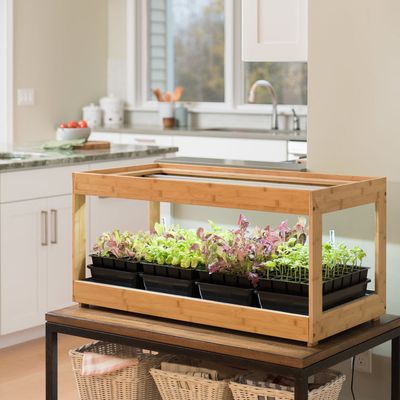
We believe that for those who lack a sunny windowsill, or for anyone who wants to ensure yearround growth, a quality grow light is a nonnegotiable investment. We do not see grow lights as a last resort; we view them as a powerful tool that gives you complete control over your herbs' environment.
Types of Grow Lights We Recommend
We recommend placing your grow light approximately 612 inches above your herbs. We find that too much distance will render the light ineffective, while too little can burn the leaves. We also recommend using a timer to provide a consistent light schedule, typically 1216 hours per day to simulate a full day of sun.
Selecting the Perfect Potting Medium and Container
The health of your herbs is directly tied to what you plant them in. We believe that proper drainage is paramount, and it starts with the container and the soil.
Containers: The Herb's Home
We always recommend using pots with a drainage hole at the bottom. We cannot overstate the importance of this. Without a way for excess water to escape, the roots will sit in soggy soil, leading to root rot—a silent killer of indoor plants. We do not believe in using a layer of rocks at the bottom of a pot to "improve" drainage; this practice has been disproven and can actually lead to a higher water table within the soil.
Our Preferred Container Materials
We also advise choosing a pot that is the right size for your plant. We find that planting a small seedling in a massive pot can lead to overwatering, as the large volume of soil will hold onto moisture for too long.
Potting Mix: The Nutrient Foundation
We do not recommend using soil from your outdoor garden. It is too dense, can contain pests and diseases, and will compact in a container, suffocating the roots. We recommend using a highquality, welldraining potting mix specifically formulated for container plants.
Our Custom Soil Mix Recommendations
From my experience, I do believe that a custom blend can provide the best results. I recommend the following mixes:
Mastering the Art of Watering and Fertilizing
We find that watering is where most indoor herb gardeners either succeed or fail. It is a delicate balance that is learned through careful observation of your plants and their specific needs.
The Golden Rule of Watering
We recommend the "finger test" as the most reliable method. We do not believe in watering on a schedule. Instead, we instruct our clients to insert a finger about an inch or two into the soil. If it feels dry, it is time to water. If it feels damp, we recommend waiting. It is always better to slightly underwater than to overwater. We do believe this single piece of advice prevents more plant deaths than any other.
Our Techniques for Optimal Watering
Fertilizing for Continuous Growth
We know that your herbs will use up the nutrients in their potting mix over time. We recommend a regular, but light, fertilizing schedule to keep them producing lush, flavorful leaves. We do not recommend overfertilizing, as this can lead to weak, spindly growth or even burn the plant's roots.
Our Preferred Fertilizing Schedule
We suggest using a balanced, watersoluble fertilizer at half the recommended strength. We find that applying it once every 46 weeks during the spring and summer growing seasons is sufficient. During the fall and winter, when light is less abundant and growth slows, we recommend reducing or stopping fertilization altogether.
Preventing Pests and Diseases: The Guardian's Role
We do believe that a healthy plant is your best defense against pests and diseases. We recommend a proactive approach that involves regular inspection and a clean environment. We find that the most common pests for indoor herbs are aphids, spider mites, and fungus gnats.
Proactive Pest Management Strategies We Advocate
Our Natural Pest Control Methods
We do not believe in using harsh chemical pesticides on herbs you intend to eat. We recommend the following natural solutions:
Detailed Profiles of Individual Herbs We Recommend
Now that we have covered the foundational principles, we will provide you with a comprehensive, indepth look at some of the most popular kitchen herbs. For each, we will share the specific details and insider tips we have found to be most successful from our long experience in the field. We do believe that this level of detail is what will truly set your herb garden apart.
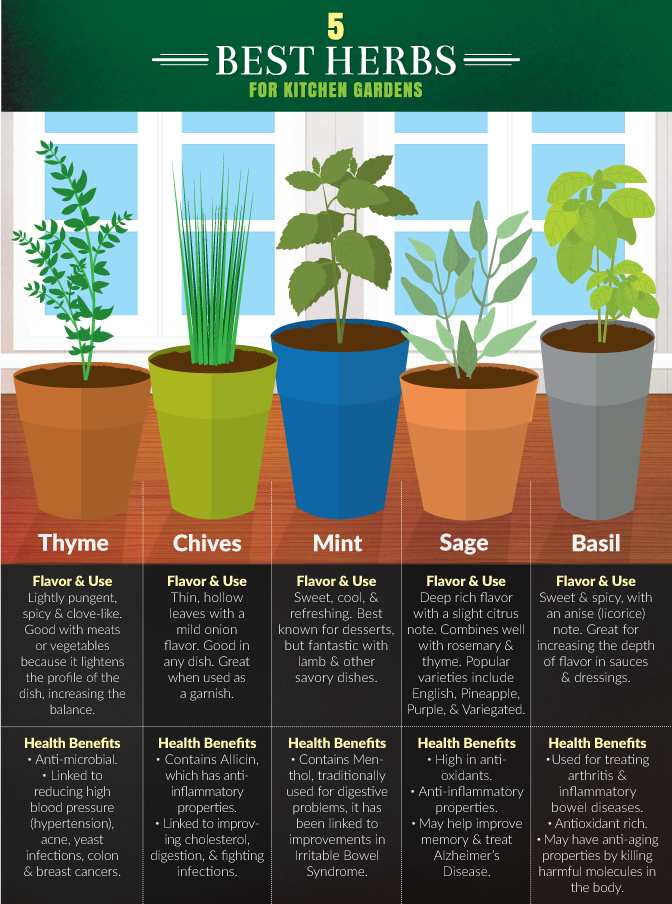
Basil (Ocimum basilicum)
The King of Culinary Herbs
We regard basil as a warmweather annual that is a staple in Italian, Thai, and Mediterranean cuisines. Its sweet, peppery flavor is a musthave for pestos, salads, and sauces. We find that growing basil indoors provides a continuous supply of fresh leaves, long after the outdoor growing season has ended.
Basil's Specific Needs We've Identified
Rosemary (Salvia rosmarinus)
The Aromatic Evergreen
We consider rosemary to be one of the most rewarding herbs to grow indoors. Its pinelike fragrance and flavor are essential for roasted meats, potatoes, and breads. We find that its woody stems and upright growth habit make it a beautiful and sculptural addition to any kitchen windowsill.
Rosemary's Unique Requirements We've Mastered
Mint (Mentha)
The Vigorous, Refreshing Herb
We find that mint is an incredibly easy herb to grow indoors, and its versatility is unmatched. From mojitos to teas to garnishes, it provides a powerful burst of fresh flavor. We do believe that every indoor herb garden should include at least one variety of mint.
Mint's Care Routine We Advocate
Chives (Allium schoenoprasum)
The OnionFlavored Delight
We find that chives are an ideal herb for a beginner. They are a member of the onion family and provide a mild, delicate onion flavor that is perfect for salads, baked potatoes, and eggs. We love their upright, grassy appearance and their beautiful purple flowers.
Chives' EasytoFollow Care We Recommend
Parsley (Petroselinum crispum)
The Versatile Garnish and Flavor Base
We consider parsley to be an essential culinary herb. Both curly and flatleaf varieties are wonderful for adding a fresh, clean flavor to a wide range of dishes. We find that flatleaf parsley often provides a more intense flavor than its curlyleaf counterpart.
Parsley's Specific Care We've Perfected
Thyme (Thymus vulgaris)
The Hardy and Aromatic Herb
We find that thyme is a very forgiving and rewarding herb for indoor growing. Its tiny leaves pack a powerful, earthy flavor, and its compact, bushy growth habit makes it a perfect windowsill plant. We do not believe you can have a complete herb collection without it.
Thyme's Care and Conditions We Recommend
Advanced Strategies and Troubleshooting We Provide
We do believe that a truly proficient indoor gardener is one who can anticipate and solve problems. We have prepared this final section to provide you with the advanced knowledge we've gained over years of experience, ensuring you can troubleshoot any issue that may arise.
Understanding and Adjusting for Seasonal Changes
We find that a common mistake is treating an indoor herb garden the same way yearround. We know that the winter months bring shorter days and less intense light, which means your herbs' needs will change.
Our Seasonal Recommendations
Troubleshooting Common Issues We See
From my experience, I do find that even with the best care, problems can occur. I recommend the following solutions for the most common issues:
Problem: Yellowing Leaves
Problem: Leggy, Spindly Growth
Problem: Wilting Leaves
We have poured our expertise into this comprehensive guide to give you everything you need to succeed. We do believe that with the right knowledge, you can transform your kitchen into a fragrant, living pantry. We wish you the best of luck in your indoor gardening journey and look forward to seeing your success.


Comments
Post a Comment