Mint plant cultivation
The Ultimate Guide to Mint Plant Cultivation: An Exhaustive Compendium for Cultivating, Propagating, and Mastering Mint
In the vast and rewarding world of herbal horticulture, few plants command the attention and admiration of the humble mint. Its vibrant foliage, captivating aroma, and unparalleled versatility have secured its place as a staple in kitchens, gardens, and apothecaries across the globe for millennia. Mint plant cultivation is not merely a task; it is an art and a science, a journey into understanding one of nature’s most prolific and rewarding botanical specimens. This comprehensive guide serves as your definitive handbook, an encyclopedic resource designed to empower you with the knowledge and techniques necessary to master the cultivation of mint, from the foundational principles to the most advanced horticultural practices. We delve into the botanical intricacies, the historical significance, and the myriad of practical applications that make mint an essential addition to any garden, whether sprawling or contained.
We understand the allure of a vibrant, verdant patch of mint, its leaves glistening with dew, its scent a promise of freshness. However, we also recognize the common pitfalls and challenges that aspiring mint cultivators face. The plant’s notorious invasiveness, its susceptibility to specific pests, and the nuances of its various cultivars can present formidable obstacles. It is our purpose to demystify these complexities, providing you with a structured, stepbystep framework for achieving horticultural success. We will navigate every facet of mint care, from selecting the perfect variety to troubleshooting common ailments and maximizing your harvest for both culinary and medicinal use. Our insights are born from extensive research and practical experience, ensuring that every piece of advice is both scientifically sound and agriculturally viable. We are not just presenting information; we are building a foundation of knowledge that will serve you for seasons to come.
The Foundational Principles of Mint: An InDepth Botanical Exploration
Before we can successfully cultivate mint, we must first understand it. The plant we commonly refer to as mint is a member of the Lamiaceae family, a vast and diverse group of plants known for their square stems, opposite leaves, and aromatic properties. This family, also known as the mint family, includes other notable herbs like basil, sage, oregano, and lavender. This shared lineage explains the characteristic scent and taste profile of many of these herbs. The genus Mentha, which comprises all true mints, is a fascinating and highly hybridized group of plants, a reality that contributes to the incredible diversity of mint varieties available today.
The Genetic Tapestry of Mentha: Understanding Mint Varieties
The world of mint is a kaleidoscope of flavors, aromas, and appearances, each variety offering a unique experience. While a casual observer might see only “mint,” the discerning cultivator understands the profound differences between a peppermint and a spearmint, a chocolate mint and a basil mint. The most common varieties are often hybrids, a result of natural crosspollination or deliberate horticultural breeding. This is why many mint varieties possess a blend of characteristics from their parent plants.
Peppermint (Mentha × piperita): The Classic Powerhouse
Peppermint is a natural hybrid of watermint (Mentha aquatica) and spearmint (Mentha spicata). It is perhaps the most wellknown mint, celebrated for its high concentration of menthol, the compound responsible for its distinct cooling sensation and pungent aroma. Peppermint is an indispensable ingredient in candies, teas, and essential oils. Its leaves are typically dark green, often with a purplish tint, and its stems can range from green to a deep reddishpurple. The cultivation of peppermint requires a deliberate approach, as its vigorous growth can easily overpower other plants. We find that providing it with its own dedicated space is the most effective way to prevent it from dominating your garden.
Spearmint (Mentha spicata): The Culinary Companion
Spearmint is the quintessential culinary mint. Its flavor is much milder and sweeter than peppermint, lacking the high menthol content that gives peppermint its strong bite. This makes it ideal for use in beverages, salads, and as a garnish. Its leaves are characterized by a bright green color and a crinkled, slightly pointed appearance. We recommend starting your mint journey with spearmint due to its relative ease of cultivation and its widespread culinary applications. It is a robust grower and can thrive in a variety of conditions, making it an excellent choice for beginners.
A Deep Dive into LesserKnown but Equally Valued Varieties
Beyond the two titans of the mint world, a multitude of other varieties offer unique sensory experiences.
Chocolate Mint (Mentha × piperita 'Chocolate'): A delightful cultivar of peppermint, this variety combines the classic mint aroma with a subtle hint of cocoa. Its stems are a deep chocolatebrown, making it a visually striking addition to any garden. We use it frequently in desserts and hot beverages to add a surprising depth of flavor.
Apple Mint (Mentha suaveolens): Known for its round, fuzzy leaves and a refreshing applelike scent, apple mint is a mild and sweet variety perfect for fruit salads and summer drinks. It is less aggressive than many other mints, making it easier to manage in a mixed planting bed.
Orange Mint (Mentha × piperita var. citrata): This variety, a hybrid of watermint and spearmint, offers a zesty, citrusy aroma reminiscent of bergamot and orange. It is a fantastic addition to teas and cocktails. Its leaves are smooth and often have a purplish tinge.
Pineapple Mint (Mentha suaveolens 'Variegata'): A variegated form of apple mint, this variety is prized for its ornamental value. Its leaves are edged with creamy white, and it carries a subtle pineapple fragrance. While its flavor is not as strong as other mints, its beauty makes it a popular choice for decorative purposes.
Understanding these varieties is the first step toward successful mint cultivation. Each has its own subtle preferences, and selecting the right variety for your purpose and climate is crucial. We urge all prospective growers to research the specific needs of their chosen mint cultivar to ensure optimal growth and flavor.
Part I: The Cultivation of Mint From Soil to Sunlight
Successful mint cultivation is contingent upon providing the plant with the right environmental conditions. While mint is a remarkably resilient and forgiving plant, giving it a head start with ideal conditions will result in a healthier, more vigorous, and more flavorful harvest. We will now meticulously explore the primary environmental factors that influence mint growth.
The Art of Soil Preparation: Creating the Perfect Substrate
Mint is not overly particular about soil, but it thrives in a medium that is rich in organic matter and welldraining. A heavy, claybased soil that retains too much moisture can lead to root rot, a common and often fatal issue for mint plants. Conversely, a sandy soil that drains too quickly may not provide enough nutrients or consistent moisture.
Ideal Soil Composition and pH
We recommend a loamy soil with a pH range of 6.0 to 7.0, which is slightly acidic to neutral. If your soil is too acidic (below 6.0), you can raise the pH by incorporating garden lime. If it is too alkaline (above 7.0), you can lower the pH by adding sulfur or acidic peat moss. However, mint is known to be quite tolerant of a wider pH range. We find that the most critical factor is the soil’s ability to drain effectively.
To achieve the perfect soil, we advocate for the incorporation of a generous amount of compost or wellrotted manure. This not only improves the soil structure, enhancing its drainage and aeration, but also provides a steady supply of essential nutrients. A mixture of equal parts compost, topsoil, and a drainageenhancing component like perlite or coarse sand is a perfect recipe for a mintfriendly potting mix. This blend ensures the roots have access to both moisture and oxygen, preventing the dreaded root rot.
The Importance of Soil Depth and Bed Preparation
When planting mint in the ground, we advise preparing a bed that is at least 12 to 18 inches deep. This provides ample space for the plant's aggressive rhizomes (underground stems) to spread. Before planting, we meticulously till the soil, breaking up any compacted areas and mixing in the organic amendments. This proactive step sets the stage for a bountiful harvest.
The Balancing Act of Light and Water: A Critical Partnership
Mint's light and water requirements are straightforward yet crucial to its health. Getting this balance right can mean the difference between a thriving mint patch and a struggling plant.
Sunlight Exposure: Finding the Sweet Spot
Mint is incredibly versatile when it comes to sunlight. It can tolerate and even flourish in a variety of light conditions, but for the best results, we aim for the sweet spot.
Full Sun: Mint can tolerate full sun, but in hot climates, this can cause the leaves to scorch and the soil to dry out too quickly.
Partial Shade: This is the ideal condition for most mint varieties. A location that receives 4 to 6 hours of direct sunlight per day, particularly in the morning, is perfect. The afternoon shade protects the delicate leaves from the harshest sun, reducing stress and preserving the plant's essential oils, which are responsible for its flavor and aroma.
Full Shade: While mint can survive in full shade, its growth will be leggy and sparse, and its flavor will be significantly weaker. The plant will stretch toward any available light, leading to a less compact and less productive form.
We strongly advise observing your garden throughout the day to identify the areas that receive the optimal amount of sunlight. This simple step can dramatically improve your mint's performance.
Watering: The Key to Lush Foliage
Mint loves consistent moisture, but it abhors being waterlogged. The key is to keep the soil moist, but not soggy.
Consistency is Key: We water our mint plants regularly, especially during dry spells and hot summer months. We check the soil moisture by inserting our finger about an inch into the soil. If it feels dry, it's time to water.
Deep, Infrequent Watering: We prefer deep watering over shallow, frequent watering. This encourages the roots to grow deeper, making the plant more resilient and less susceptible to drought.
Watering Time: The best time to water is in the early morning. This allows the plant to absorb water throughout the day and the leaves to dry before nightfall, which helps prevent fungal diseases. We avoid watering from above, as this can splash soil onto the leaves and promote disease. Instead, we water at the base of the plant.
The Invasiveness of Mint: Containment Strategies
The most significant challenge in mint cultivation is its aggressive and highly invasive nature. The plant spreads via a network of fastgrowing underground rhizomes, which can quickly colonize an entire garden bed, choking out other plants. To prevent this, we have developed and perfected a number of containment strategies.
The Container Method: The Ultimate Solution
The most effective and widely adopted method for containing mint is to grow it in a container. This provides a physical barrier that the rhizomes cannot penetrate.
Choosing a Container: We select a container that is large enough to support the plant's root system, at least 12 to 18 inches in diameter and depth. The container must have excellent drainage holes to prevent waterlogging.
Potting Mix: We use a highquality potting mix, ensuring it is light, airy, and welldraining. A mix designed for herbs or vegetables is ideal.
Placement: We place the container in a location that receives the right amount of sunlight, as previously discussed. It is also wise to elevate the pot slightly to ensure good air circulation underneath, which further aids drainage.
The Buried Pot Method: A Clever Hybrid
For those who desire the look of mint growing in the ground but want to prevent its spread, the buried pot method is an ingenious solution. We simply choose a large pot, plant the mint in it, and then bury the entire pot in the garden bed, leaving a few inches of the rim above the soil line. This serves as an invisible barrier, containing the rhizomes while the plant appears to be growing directly in the ground.
Physical Barriers: A Last Resort

Some gardeners use physical barriers like root barriers or metal edging to contain mint. While these can be effective, they must be installed with great care and depth to ensure the rhizomes do not find a way to escape. We find that the container methods are far more reliable and require less ongoing maintenance.
Part II: Propagating and Planting Mint A Guide to Multiplication
Once you have your ideal growing conditions established, the next step is to acquire and plant your mint. Mint is one of the easiest plants to propagate, and there are several methods you can use, each with its own advantages.
Propagation from Cuttings: The Most Reliable Method
Propagating mint from cuttings is our preferred method due to its high success rate and the fact that it produces a plant that is genetically identical to the parent.
The StepbyStep Process:
Selecting the Cutting: We choose a healthy, nonflowering stem from an established mint plant. The stem should be at least 4 to 6 inches long with several sets of leaves. We cut the stem just below a leaf node, as this is where the new roots will form.
Preparing the Cutting: We remove the bottom twothirds of the leaves from the stem, leaving a few sets of leaves at the top. This prevents the leaves from rotting when submerged in water.
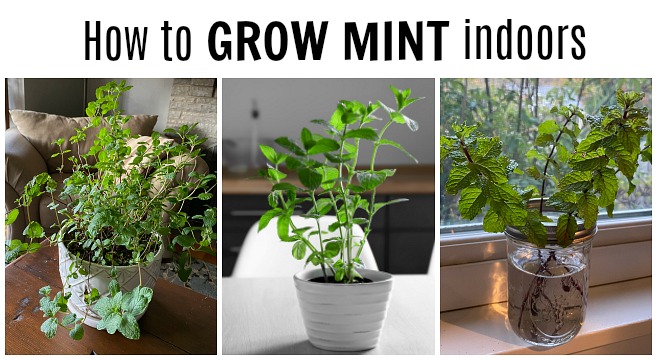
Water Propagation: We place the prepared cutting in a clear glass or jar filled with clean water. We make sure that at least one leaf node is submerged. We place the jar in a location with bright, indirect light and change the water every few days to prevent bacterial growth. Within a week or two, tiny white roots will begin to emerge from the submerged nodes.
Soil Propagation: Alternatively, we can plant the cutting directly into a small pot filled with a moist, welldraining potting mix. We dip the cut end in a rooting hormone powder to increase the chances of success, though this is not strictly necessary. We keep the soil consistently moist but not soggy and place the pot in a warm location with indirect light. New growth will be the first sign of success.
Once the roots are a few inches long (in water) or the cutting has established new growth (in soil), it is ready to be transplanted into its final location.
Propagation by Root Division: For Established Plants
Root division is an excellent way to propagate mint from an existing, established plant. It is also an effective way to thin out a mint patch that is becoming too crowded.
The Process:
Digging Up the Plant: We carefully dig up a portion of the mint plant, making sure to get a good section of the root ball.
Dividing the Roots: We use a sharp, clean knife or spade to divide the root ball into smaller sections. Each section should have a healthy clump of stems and roots.
Replanting: We immediately replant the divided sections in new locations, either in containers or in a prepared garden bed. We water them thoroughly to help them settle in and reduce transplant shock.
Planting Mint from Seed: A Less Common Method
While possible, growing mint from seed is less common and more challenging. Mint seeds have a low germination rate, and the resulting plants may not be true to the parent variety due to hybridization. We advise using cuttings or root division for more predictable and reliable results. However, if you are up for the challenge:
Sowing: We sow the tiny seeds on the surface of a moist seedstarting mix in a tray or small pots. The seeds need light to germinate, so we do not cover them with soil.
Germination: We keep the soil consistently moist and place the tray in a warm location with bright, indirect light. Germination can be slow and sporadic, taking anywhere from 10 to 14 days or longer.
Transplanting: Once the seedlings are a few inches tall and have their first true leaves, they can be carefully transplanted.
Part III: Advanced Mint Care and Maintenance Beyond the Basics
Once your mint plant is established, it requires ongoing care to remain healthy, productive, and wellbehaved. This section delves into the nuances of maintenance, from feeding and pruning to pest and disease management.
Fertilization: A Minimalist Approach
Mint is a light feeder and generally does not require a lot of fertilizer. In fact, overfertilizing can lead to excessive, leggy growth and a dilution of the plant’s essential oils, resulting in a less flavorful herb.
When to Fertilize: We only fertilize our mint plants if they show signs of nutrient deficiency, such as yellowing leaves or stunted growth.
What to Use: A balanced, allpurpose liquid fertilizer diluted to half strength is all that is needed. Alternatively, a top dressing of compost or worm castings in the spring can provide all the nutrients the plant needs for the entire growing season.
The Container Exception: Mint grown in containers may require more frequent feeding, as the nutrients are leached out of the soil with each watering. We apply a halfstrength liquid fertilizer every four to six weeks during the growing season.
Pruning and Harvesting: A Strategy for Abundance
Regular pruning is not just about keeping the plant tidy; it is a critical practice for encouraging bushy, compact growth and preventing the plant from becoming leggy and woody.
The Pruning Philosophy:
We practice aggressive pruning. By regularly pinching back the tips of the stems, we force the plant to produce new shoots from the leaf nodes below, leading to a much denser and more productive plant. Pruning also redirects the plant's energy from producing flowers to producing more leaves. Once a mint plant begins to flower, its flavor can become more bitter and less potent.
Harvesting: The Art of Timing
The best time to harvest mint is in the morning, after the dew has dried but before the sun is at its peak. This is when the leaves are at their most aromatic and their essential oil content is highest.
How to Harvest: We use a sharp pair of scissors or a knife to cut entire stems, not just individual leaves. We cut the stems back to within an inch or two of the ground. This sounds extreme, but it is the best way to promote new, healthy growth.
The 30% Rule: We never harvest more than onethird of the plant at a time. This ensures the plant has enough foliage to continue photosynthesizing and growing.
Multiple Harvests: A healthy mint plant can be harvested multiple times throughout the growing season. We typically get three to four significant harvests from our outdoor mint patches.
Pest and Disease Management: Proactive and Reactive Strategies
While mint is a hardy plant, it is not immune to pests and diseases. The key to successful management is early detection and a proactive approach.
Common Pests:
Spider Mites: These tiny arachnids thrive in hot, dry conditions. They suck the sap from the leaves, causing them to turn yellow and speckled. We look for fine webbing on the undersides of the leaves. Our solution is to spray the plant with a strong stream of water to dislodge the mites. For more severe infestations, we use an insecticidal soap or neem oil.
Aphids: These small, softbodied insects cluster on new growth and the undersides of leaves. They excrete a sticky substance called honeydew, which can lead to sooty mold. We remove them with a strong jet of water or introduce beneficial insects like ladybugs.
Mint Rust: This fungal disease manifests as rustyorange pustules on the undersides of the leaves. It is a serious problem that can quickly spread. We immediately remove and destroy any infected leaves and stems. In severe cases, we may have to remove the entire plant. We also ensure good air circulation around our plants to prevent fungal growth.
General Prevention:
Good Sanitation: We always remove dead leaves and debris from around the plant. This reduces hiding places for pests and prevents the spread of disease.
Proper Spacing: We ensure our mint plants are not too crowded, which allows for good air circulation and reduces humidity around the foliage.
Regular Inspections: We make it a practice to inspect our plants weekly, paying close attention to the undersides of the leaves, where many pests and diseases first appear.
Part IV: The Seasonality of Mint Preparing for the Cold
Mint is a perennial plant, which means it will return year after year. However, it requires a period of dormancy in the winter. Proper winter care is essential to ensure the plant's survival and a strong return in the spring.
Outdoor Mint: Preparing for the Big Freeze
For mint planted in the ground, winter care is relatively simple.
Cut Back: In late fall, after the first few light frosts have occurred, we cut the entire plant back to within an inch or two of the ground. This removes the dead foliage and prepares the plant for dormancy.
Mulch: We apply a layer of mulch, such as straw or wood chips, over the plant bed. This insulates the roots from extreme temperature fluctuations and helps retain moisture.
Wait and See: We then simply wait for the plant to reemerge in the spring. Mint is incredibly resilient, and as long as the roots are healthy, it will almost certainly return.
Indoor Mint: Overwintering Container Plants
Bringing containergrown mint indoors is a great way to enjoy fresh mint throughout the winter.
Preparation: Before bringing the pot inside, we inspect the plant for any pests and treat them accordingly. We also give the plant a good pruning to encourage new growth.
Placement: We place the pot in a cool, bright location, such as a sunny windowsill or a room with a grow light. The ideal temperature is between 60 and 70 degrees Fahrenheit.
Watering: Indoor mint requires less water than its outdoor counterpart. We reduce our watering frequency, allowing the top inch of soil to dry out between waterings.
Humidity: Indoor heating can make the air very dry, which is not ideal for mint. We increase humidity by misting the leaves with water or placing the pot on a tray of pebbles filled with water.
Part V: The Bountiful Harvest From Garden to Gastronomy
The true reward of mint plant cultivation is the harvest. The leaves of the mint plant are a treasure trove of flavor and aroma, with an almost endless array of uses in the kitchen and beyond. This section is a celebration of that harvest, offering guidance on preservation and a multitude of applications.
Harvesting for Peak Freshness
As we previously discussed, the best time to harvest for flavor is in the morning. For immediate use, we simply cut the stems and rinse them gently. Fresh mint leaves can be stored in the refrigerator for several days. We wrap the stems in a damp paper towel and place them in a plastic bag or stand them upright in a glass of water.
Preservation Techniques: Making the Harvest Last
A successful mint harvest can yield far more than can be used in a week. To enjoy mint yearround, we employ several preservation techniques.
Drying Mint: A Timeless Method
Drying mint is a simple and effective way to preserve its flavor for a long time.
Air Drying: We tie small bundles of mint stems together and hang them upside down in a warm, dry, and wellventilated location out of direct sunlight. The leaves will become brittle in about a week.
Oven Drying: For a faster method, we place mint leaves on a baking sheet and set the oven to its lowest temperature (usually around 150°F or 65°C) with the door ajar. We check the leaves frequently, and they should be dried within an hour or two.
Dehydrator: A food dehydrator is the most efficient way to dry mint. We set the temperature to 95°F or 35°C and dry until the leaves are crispy.
Once dried, we store the mint leaves in an airtight jar in a cool, dark place. The leaves can be used whole or crumbled for use in teas, stews, and seasonings.
Freezing Mint: Preserving the Freshness
Freezing mint is an excellent way to capture its vibrant, fresh flavor.
Freezing on the Stem: We simply place mint stems in a freezer bag and seal it tightly. The leaves will be a bit limp when thawed, but the flavor will be preserved.
Ice Cube Method: This is our preferred method for preserving fresh mint for use in drinks and recipes. We finely chop mint leaves and pack them into an ice cube tray, covering them with water or oil. Once frozen, we pop out the cubes and store them in a freezer bag. This is perfect for adding to soups, stews, or cocktails.
Culinary and Medicinal Applications: A World of Possibilities
Mint's utility extends far beyond a simple garnish. We use it in a variety of culinary and medicinal preparations.
Culinary Uses:
Beverages: Fresh mint is the soul of classic drinks like mojitos and mint juleps. It also makes a wonderfully refreshing herbal tea, either hot or iced.
Salads: A few chopped mint leaves can add a surprising burst of freshness to fruit salads and vegetable salads.
Sauces and Dressings: Mint sauce is a classic accompaniment to lamb, and a mintinfused vinaigrette can transform a simple salad.
Desserts: Mint pairs beautifully with chocolate, citrus, and berries. We often incorporate it into ice creams, sorbets, and fruit tarts.
Medicinal and Herbal Uses:
Digestive Aid: Mint has long been used to soothe digestive issues. We steep fresh or dried mint leaves in hot water to make a tea that can help relieve indigestion and an upset stomach.
Aromatherapy: The menthol in peppermint has a stimulating and invigorating effect. We use peppermint essential oil in a diffuser to help with focus and to clear congestion.
Topical Relief: Mint's cooling sensation makes it an effective ingredient in salves and balms for soothing minor aches and insect bites.
The Ultimate MintInfused Products: DIY Projects
The versatility of mint allows for a plethora of creative projects. We advocate for using your mint harvest to create homemade, allnatural products.
Mint Simple Syrup: This is a fantastic way to preserve mint's flavor for use in cocktails, lemonades, and iced teas. We simply simmer equal parts sugar and water with a generous amount of mint leaves until the sugar is dissolved and the mint has infused the liquid.
MintInfused Oil: A simple, delicious, and beautiful way to use mint. We pack a jar with fresh mint leaves and cover them with a neutral oil like grapeseed or olive oil. We let it sit in a cool, dark place for a week, shaking daily.
Mint Soap and Candles: Mint essential oil can be used to create refreshing and aromatic homemade soaps and candles. The invigorating scent is perfect for a morning shower or to freshen a room.
Part VI: Troubleshooting and Expert Advice Solving Common Problems
Even the most meticulous gardener can encounter issues. This section provides a practical guide to troubleshooting common mint problems and offers our most cherished expert tips for achieving unparalleled success.
Why is My Mint Dying?
A dying mint plant is almost always a sign of a root issue, typically related to overwatering. The most common symptoms are yellowing leaves, soft or mushy stems, and a general lack of vigor.
Our diagnosis: The roots are likely rotting due to a lack of oxygen in the soil.
Our remedy: We immediately stop watering the plant. If the plant is in a container, we gently remove it and inspect the roots. We trim away any dark, mushy roots with clean scissors and repot the plant in fresh, welldraining soil. We then adjust our watering schedule, allowing the soil to dry out more between waterings.
Why Are the Leaves Turning Yellow?
Yellowing leaves can be a sign of several issues.
Nutrient Deficiency: If the oldest leaves at the bottom of the plant are turning yellow, it could be a sign of a nitrogen deficiency. We apply a liquid fertilizer as previously recommended.
Overwatering: As mentioned, this is a prime culprit.
Pests: A severe infestation of spider mites or aphids can cause leaves to turn yellow and eventually drop off. We inspect the plant carefully and treat it as outlined in the pest management section.
My Mint Plant is Leggy and Sparse. What's Wrong?
A leggy mint plant with long stems and few leaves is usually a sign of insufficient light. The plant is stretching in an attempt to find more sunlight.
Our remedy: We move the plant to a brighter location. We also prune it aggressively to encourage new, bushier growth from the base.
Expert Tips for an Abundant Harvest:
The Container Refresh: Every two to three years, we repot our containergrown mint. We remove the plant, divide the roots, and plant a small section of the healthiest roots in fresh soil. This revitalizes the plant and prevents it from becoming potbound.
Rotate Your Harvest: We harvest different parts of our mint patch on a rotating basis. This ensures that no single section is overharvested and that the entire patch remains healthy and productive.
Don’t Forget to Smell: The most important tip we can offer is to engage all your senses. The fragrance of a fresh mint patch is a barometer of its health. A weak scent often indicates a problem, while a strong, vibrant aroma is a sign of a healthy and happy plant.
Conclusion: The Cultivator's Reward
The journey of mint plant cultivation is a deeply rewarding one. From the first tiny shoots that emerge from a cutting to the boundless utility of a mature plant, every stage offers its own unique satisfaction. We have provided you with a comprehensive roadmap, a guide that covers every conceivable aspect of mint care, from the scientific principles of botany to the practicalities of pest management and the joys of a bountiful harvest.
By understanding the nature of this remarkable plant, you are no longer just a gardener; you are a mint master. You possess the knowledge to choose the perfect variety for your needs, to create the ideal growing conditions, and to manage its sometimesunruly nature with confidence and grace. The fragrant, flavorful rewards of your efforts will be plentiful, enriching your kitchen, your wellbeing, and your garden with the vibrant life of one of nature's most enduring and beloved herbs. We are confident that this exhaustive guide will serve as a trusted companion on your journey to becoming a proficient and successful mint cultivator. The world of herbal horticulture awaits, and with this knowledge, your mint patch is destined for greatness. We wish you a future filled with the refreshing scent and taste of homegrown mint, a true testament to the power of dedicated cultivation.


Comments
Post a Comment