Mint plants in winter
Overwintering Mint: A Comprehensive Guide to Thriving Mint Plants in Winter
From my experience, its vigorous growth and distinct fragrance make it an absolute delight to cultivate. I do, however, find that many gardeners face a common challenge as the seasons change: how to ensure their beloved mint plants survive the cold, dormant months of winter. We are often asked if mint can truly withstand freezing temperatures, or if it must be brought indoors. I can tell you from years of handson experience and extensive research that most common mint varieties are surprisingly winter hardy. They are perennials, meaning they are built to endure the colder climate by going dormant and returning with renewed vigor in the spring. This article is your definitive guide to understanding and mastering the art of mint plant winter care, ensuring you have a fresh supply of mint year after year.
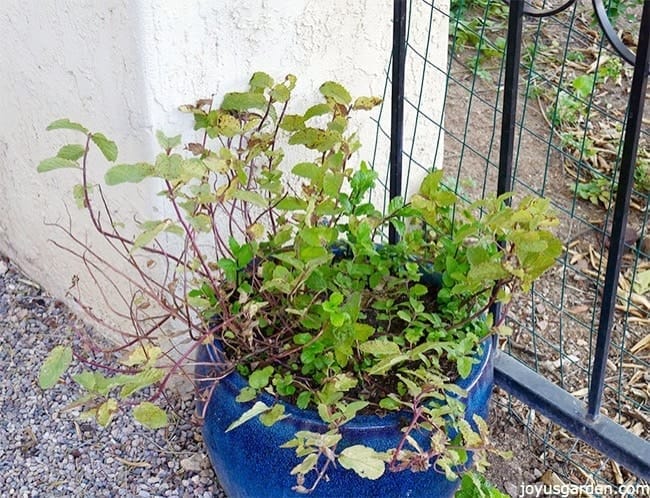
Understanding the Mint Plant's Dormancy Cycle
To successfully overwinter mint, we must first understand its natural life cycle. Mint plants are herbaceous perennials. This means that as temperatures drop in autumn, the leafy, green part of the plant will begin to wither and die back. This is not a sign of a sick or dying plant; on the contrary, it is a natural and necessary process known as dormancy. During dormancy, the plant's energy is redirected from the visible stems and leaves down to the rhizomes—the thick, underground roots that store nutrients. These rhizomes are the plant's lifeline, and they are what allow it to survive the freezing ground and harsh conditions of winter.
We must embrace this process rather than fight it. Attempting to keep your outdoor mint lush and green through a harsh winter is an uphill battle and can often do more harm than good. Instead, our focus should shift to protecting the rhizomes, ensuring they are wellinsulated and ready to sprout new growth when spring arrives.
Winter Care for Outdoor Mint Plants
We find that caring for outdoor mint is relatively simple, as the plant is naturally equipped for survival. However, a few key steps can significantly increase the chances of a healthy and robust return.
H5. Pruning and Preparing for the Cold
As the weather cools and your mint begins to brown, I recommend you prune it back. Use clean, sharp shears to cut the stems down to about 23 inches above the soil line. This may seem severe, but it is a critical step. Removing the dead and dying foliage prevents the spread of fungal diseases and pests that might otherwise overwinter in the decaying plant matter. It also directs the plant's remaining energy to its root system, strengthening the rhizomes for the long winter ahead.
H5. Applying a Protective Layer of Mulch
This is, in my opinion, the single most important step for protecting outdoor mint plants. A thick layer of mulch acts as a natural insulator, shielding the roots from extreme temperature fluctuations and preventing the ground from freezing and thawing repeatedly, which can damage the rhizomes. We recommend applying a 24 inch layer of organic mulch, such as:
Straw: Excellent for insulation and air circulation.
Shredded leaves: Readily available and a great source of nutrients as they decompose.
Wood chips or pine needles: Provide longlasting protection.
Apply the mulch after the first few light frosts, but before the ground freezes solid. This timing ensures the plant has started its dormancy but the ground is not yet completely frozen.
H5. Watering Sparingly
During the winter, your dormant mint plant needs very little water. The mulch layer will help retain moisture, and the plant's low metabolic rate means it isn't actively absorbing water. We advise that you only water your mint during extended dry spells, particularly in areas with little snowfall. The goal is to keep the soil from becoming bone dry, but never to make it waterlogged, as this can lead to root rot.
H5. The Importance of Snow
If you live in a region with consistent snowfall, consider yourself lucky. Snow is a fantastic natural insulator. A thick blanket of snow can protect your mint's roots even better than mulch, providing a stable, protective layer against the coldest temperatures.
Overwintering Mint in Containers
Growing mint in pots is an excellent way to control its aggressive, spreading nature. However, containergrown mint is more vulnerable to winter damage than mint planted directly in the ground. The soil in pots freezes much more quickly and deeply because it is exposed to the elements from all sides. To ensure their survival, we must take extra precautions.
H5. Bringing Pots Indoors
The most straightforward way to protect container mint is to move it to a sheltered location. This doesn't necessarily mean a warm, sunny windowsill. We recommend finding a cool, dark, and frostfree space, such as:
A garage or shed: These unheated spaces are ideal. The temperature will remain cold enough for the plant to go dormant but will protect the roots from freezing solid.
A cold frame or unheated greenhouse: These structures offer excellent protection while still exposing the plant to a bit of natural light.

H5. Insulating Containers Left Outdoors
If you cannot bring your pots inside, we recommend insulating them. We can protect the roots from freezing by:
Burying the pot: Dig a hole in a garden bed and bury the entire pot up to its rim. Then, apply a layer of mulch over the top and around the edges.
Creating a protective barrier: Cluster the pots together in a sheltered area, such as against a southfacing wall. Wrap the pots in burlap, bubble wrap, or old blankets for insulation. You can also place the pots inside a larger container and fill the space with shredded leaves or straw.

H5. Watering and Light Requirements Indoors
Even in a dormant state, your mint plant needs minimal care. Check the soil every few weeks and water only when it feels completely dry. Avoid overwatering at all costs. Since the plant is dormant, it does not need light, so placing it in a dark area like a basement or garage is perfectly acceptable.
Growing Mint Indoors YearRound
For those of us who simply cannot live without fresh mint in our winter cocktails or teas, we can keep a separate plant growing indoors. I do this myself, and it's a wonderfully rewarding experience.
H5. Tips for a Thriving Indoor Mint Plant
Choose the right spot: Mint thrives in a sunny location. I recommend placing your pot in a southfacing window where it can get at least 68 hours of direct sunlight. If natural light is scarce, a grow light is an excellent investment.
Watering: Indoor mint needs more consistent moisture than its outdoor, dormant counterparts. Water when the top inch of soil feels dry. We must ensure the pot has excellent drainage to prevent soggy roots.
Soil and Potting: Use a highquality, welldraining potting mix. A terracotta pot can help with moisture control, but any pot with drainage holes will suffice.
Pruning: Regularly harvest leaves and snip the stems to encourage bushier growth. This also prevents the plant from getting leggy and helps maintain its flavor.
Common Questions and Troubleshooting
We hear many questions about mint in winter, and we believe it's crucial to address them.
H5. My mint looks dead! Did I kill it?
If your mint plant is outdoors and the stems and leaves have died back, it is most likely dormant, not dead. Do not discard the plant! Wait until spring. Once the ground warms, you will see new shoots emerging from the soil. The rhizomes are a powerhouse of life, and they will surprise you with their resilience.
H5. Can I keep my outdoor mint green all winter?
While you can try, it's generally not recommended. The plant's natural cycle is to go dormant. Forcing it to stay green through a harsh winter can weaken it, making it less robust and productive in the following growing season.
H5. When do I know it's safe to uncover my mint in spring?
Wait until the danger of a hard frost has passed and the ground is no longer frozen. As the temperatures rise, gently remove the mulch layer. You should soon see new green shoots appearing from the soil. This is the sign you've been waiting for!

The Reward of Patience
There's something incredibly satisfying about watching a seemingly "dead" patch of mint spring back to life. It's a testament to the plant's tenacity and the effectiveness of our simple winter care methods. By following these comprehensive steps, we are not just protecting a plant; we are ensuring a continuous, vibrant supply of one of nature's most useful and flavorful herbs.
We recommend watching this video to see how to prune mint in the winter to ensure robust growth in the spring.
How to Prune Mint in the Winter to Grow LOTS of Mint in the Spring
How to Prune Mint in the Winter to Grow LOTS of Mint in the Spring // Spring Garden Prep Starts NOW YouTube
CaliKim29 Garden & Home DIY · 31 тыс. просм.


Comments
Post a Comment