100 Cherry tomatoes
We Unveil the Secrets to a HighYield Cherry Tomato Harvest: Cultivating & Enjoying a "100 Cherry Tomato" Yield from a Single Plant
From our experience, there is an unparalleled satisfaction that comes with stepping into your garden and seeing a tomato plant laden with hundreds of sweet, jewellike fruits. We have spent years perfecting the art and science of maximizing the yield of cherry tomatoes, and we believe that with the right knowledge and dedication, anyone can achieve a "100 cherry tomato" harvest—or even more—from a single, healthy plant. It’s not a myth, but a tangible goal that we will help you achieve. We do this not to boast, but to demonstrate that a truly abundant harvest is within your reach. We have seen time and time again that the key is a holistic approach, where every step, from the moment you choose a seed to the final harvest, is optimized for success.
Choosing the Right Arsenal: Selecting Your HighYield Cherry Tomato Variety
The journey to an incredible harvest begins long before you put a single seed in the ground. It starts with the selection of the right cultivar. We recommend that you choose an indeterminate variety for this specific goal. While determinate, or "bush" varieties, produce their fruit all at once, indeterminate types are vining plants that continue to grow and produce fruit throughout the entire growing season until the first frost. This characteristic is the single most important factor for achieving a continuous, highvolume yield. We have found that certain varieties are particularly suited to this challenge, and we want to share our top performers with you.
The Prolific Champions: Our Recommended Cherry Tomato Cultivars
We have a small list of varieties that, from our experience, consistently deliver an exceptional number of fruits.
Super Sweet 100: The Indeterminate King
This hybrid is a classic for a reason. Its name is not a coincidence; it’s a direct promise of its performance. It’s an incredibly vigorous plant that, when properly cared for, will produce long, branched clusters of sweet, red tomatoes. We have had single plants of 'Super Sweet 100' yield well over 100 tomatoes with minimal effort, and with proper cultivation, we have seen this number multiply exponentially. Its disease resistance to common ailments like Fusarium and Verticillium Wilt gives it a significant advantage, allowing the plant to remain healthy and productive for a longer period.
Sungold: A Golden Treasure
For those who prefer a burst of citruslike sweetness, 'Sungold' is our goto. This orangecolored cherry tomato is known for its exceptionally high sugar content and a complex, fruity flavor that is far more nuanced than many red varieties. It is also an indeterminate type and a prolific producer. We have observed that 'Sungold' plants can sometimes be even more vigorous than 'Super Sweet 100', producing vast quantities of fruit that ripen in quick succession. The beautiful, golden clusters add a stunning visual element to the garden as well.
Black Cherry: The Heirloom Star
For the gardener seeking a more complex, smoky, and rich flavor profile, we recommend the 'Black Cherry' heirloom variety. While not a hybrid like the other two, its indeterminate growth habit and dependable production make it a strong contender for a highyield harvest. We find that the deep, mahoganycolored fruits have a savory, earthy sweetness that is unmatched by other cherry tomatoes. 'Black Cherry' may not produce with the sheer volume of a 'Super Sweet 100', but its exceptional flavor makes the harvest an incredibly rewarding experience.
The Foundation for Abundance: Soil & Nutrients
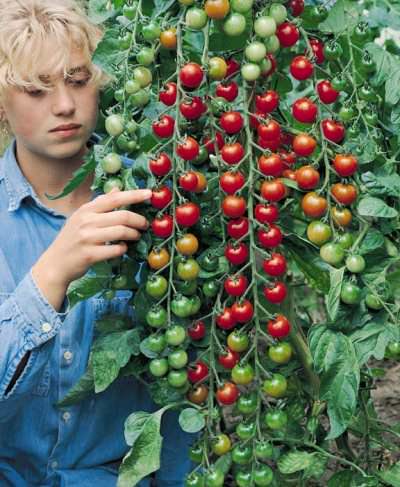
A strong foundation is paramount for supporting the weight of hundreds of tomatoes. We know that a plant can only be as healthy as the soil it grows in. We do not believe in shortcuts when it comes to soil preparation. We recommend a multifaceted approach to building a living, nutrientrich medium that will sustain your plant for months on end.
Soil Composition: The Perfect Blend
We prepare our planting beds by deeply tilling the soil to at least 1218 inches. This allows for deep root penetration, which is critical for a large plant that needs to access a significant amount of water and nutrients. We amend the native soil with a generous amount of wellrotted compost and aged manure to improve both its structure and fertility. A slightly acidic to neutral pH (6.06.8) is optimal for tomatoes, and we conduct a soil test to ensure we are in the right range. We also incorporate organic amendments such as bone meal for phosphorus and kelp meal for micronutrients and potassium, which are crucial for fruit development and overall plant health.
Nutrient Regimen: Feeding Your Champion
A plant that is producing fruit nonstop has an insatiable appetite. We start by giving our plants a balanced, slowrelease fertilizer at planting time. However, to truly achieve a prolific yield, we supplement this with a regular feeding schedule. Once the plant begins to set fruit, we switch to a liquid fertilizer with a higher phosphorus and potassium content (the second and third numbers in the NPK ratio). We apply this fertilizer every 1014 days. We are vigilant about monitoring our plants for signs of nutrient deficiencies, such as yellowing leaves or stunted growth, and we adjust our feeding schedule accordingly. We are precise with our applications, never overfertilizing, which can lead to lush, leafy growth at the expense of fruit production.
Cultivation & Care: The Path to a Bountiful Harvest
The true artistry of growing a massive harvest lies in the daytoday care and attention you give to your plants. This is where we employ our most critical strategies, transforming a healthy plant into a veritable fruitproducing machine.
Planting Deep: A Root System for a Titan
We plant our seedlings deep. This is a nonnegotiable step. We strip the lower leaves off the stem and bury the plant up to the first set of true leaves. Those tiny, almostimperceptible hairs on the buried stem will transform into new roots. This creates an incredibly extensive and robust root system that can support the immense growth and fruit load of an indeterminate tomato plant. It is a simple technique that has a profound impact on the plant's longterm performance.
Strategic Support: Building a Scaffolding of Success
A tall, indeterminate cherry tomato plant laden with fruit is a heavy plant. Without proper support, the stems will break, and the fruit will rot on the ground. We have found that the traditional, flimsy, coneshaped tomato cages are wholly inadequate for this task. We recommend one of two methods:
The Florida Weave
This method involves using sturdy stakes (Tposts or heavyduty rebar) and string. We place stakes at either end of the row and every 23 plants in between. As the plants grow, we weave a string on both sides of the plants, creating a supportive wall. We add a new layer of string every 68 inches. This method is incredibly effective and provides excellent support for a long row of plants.
The Cattle Panel Trellis
This is our preferred method for maximum support. We secure heavygauge wire cattle panels to sturdy posts. The plant is then trained to grow up the panel. The rigid grid of the panel provides a continuous and unbreakable structure for the plant to climb. This method also allows for excellent air circulation, which is a critical factor in preventing disease.
Pruning for Production: The Art of the Sucker
The debate on pruning tomato plants is an old one, but we have found a clear strategy that works for our highyield goal. We prune the suckers—the small shoots that grow in the crotch between the main stem and a branch. We are strategic about this. We allow the first 23 suckers below the first fruit set to grow, as they will contribute to the overall leaf surface area and production. After that, we remove the remaining suckers. This directs the plant’s energy into the main stem and the existing fruit, rather than into creating new, unproductive foliage. This practice also improves air circulation and light penetration, both of which are vital for a healthy, productive plant.
Watering for Consistency: Avoiding the Split
One of the most common problems with cherry tomatoes is fruit splitting or cracking. We have identified that this is almost always caused by inconsistent watering. A period of dry soil followed by a sudden deluge of water (from rain or watering) causes the fruit to swell faster than the skin can stretch, leading to cracks. We recommend a consistent watering schedule. We prefer drip irrigation as it delivers a steady amount of water directly to the root zone, keeping the soil moisture even and the foliage dry. If you are watering by hand, we suggest doing so deeply and regularly, aiming for about an inch of water per week. We always water at the base of the plant to keep the leaves dry, which helps prevent fungal diseases.
Pest and Disease Management: Protecting Your Investment
A healthy, vigorous plant is the best defense against pests and diseases. However, we also believe in being proactive. We regularly inspect our plants for any signs of trouble.
Common Pests
Aphids and tomato hornworms are two of the most common pests. We believe in using organic and integrated pest management (IPM) techniques. For aphids, a strong spray of water or an insecticidal soap can be effective. We also encourage beneficial insects like ladybugs, which are voracious aphid predators. For hornworms, we are vigilant and handpick them off the plants. Their large size makes them easy to spot and remove.
Common Diseases
Early Blight and Fusarium Wilt are two fungal diseases that can decimate a tomato plant. We prevent these by ensuring good air circulation through proper spacing and pruning, and by watering at the base of the plant. We also rotate our crops every year to prevent soilborne diseases from building up. If we see signs of fungal disease, we immediately remove the affected leaves and dispose of them away from the garden. We believe in being meticulous in this regard, as early intervention can save the entire plant.
Harvesting Your Bounty: The Rewards of Your Labor
The final step in this process is the most rewarding. We recommend harvesting cherry tomatoes frequently, every 12 days. This encourages the plant to produce even more flowers and fruit. We pick the tomatoes when they are fully colored and firm. We have found that harvesting them when they are slightly less ripe than you might think can actually improve their flavor and reduce the chance of splitting.
Utilizing a Massive Harvest of '100 Cherry Tomatoes'
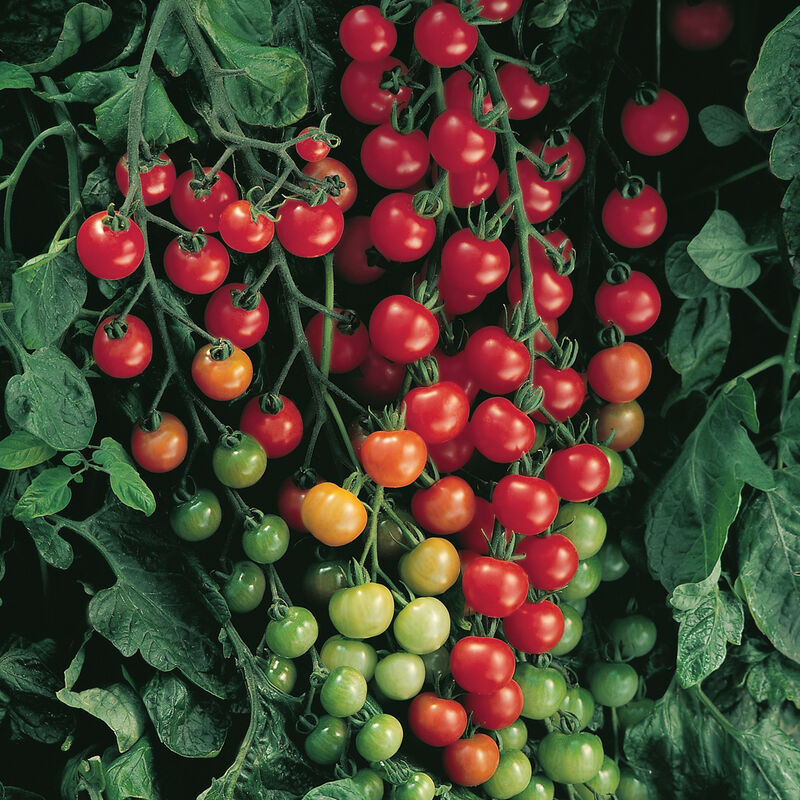
With a yield this large, the question quickly becomes, "What do we do with all these tomatoes?" We have developed a number of delicious and practical solutions for using, preserving, and sharing your abundant harvest.
The Culinary Experience: Fresh and Delicious Recipes
We find that the best way to enjoy the fruits of your labor is to use them fresh. Here are some of our favorite recipes that can handle a large volume of cherry tomatoes:
Roasted Cherry Tomato Pasta Sauce
This recipe is a revelation. We take a large sheet pan and cover it with cherry tomatoes, garlic cloves, and a drizzle of olive oil. We roast them at a low temperature (around 300°F) for 12 hours until the tomatoes have shriveled and their flavors have become intensely concentrated. We then toss this roasted mixture with pasta, fresh basil, and a generous shaving of Parmesan cheese. The resulting sauce is sweet, savory, and incredibly rich.
Bruschetta with a Twist
We use a large quantity of halved cherry tomatoes, finely chopped red onion, fresh basil, and a healthy dose of good balsamic vinegar. We let this mixture marinate for at least 30 minutes to allow the flavors to meld. We serve this on toasted crusty bread that has been rubbed with a clove of garlic and drizzled with olive oil. This is our goto appetizer for summer gatherings.

Cherry Tomato Confit
"Confit" means to slowly cook in oil. We place a single layer of cherry tomatoes and a few sprigs of thyme in a baking dish and cover them completely with olive oil. We bake this at a very low temperature (around 225°F) for several hours. The tomatoes become incredibly tender and sweet, and the oil becomes a fragrant, tomatoinfused elixir. We use this confit on everything from sandwiches to pizzas, or simply spread it on toast with a dollop of fresh ricotta. The infused oil is a treasure in itself.
Preservation: Making the Harvest Last
When the harvest is truly overwhelming, we turn to preservation to enjoy the taste of summer long into the colder months.
Freezing
This is by far the easiest method. We simply wash the tomatoes, pat them dry, and place them on a baking sheet in a single layer to freeze. Once frozen, we transfer them to a freezer bag. We use these frozen tomatoes in soups, stews, and sauces throughout the winter. The skins will come off easily after they thaw, and the flavor will be concentrated and delicious.
Canning
For those with the time and inclination, canning is a great way to preserve a massive harvest. We make a simple tomato sauce by blending roasted or simmered cherry tomatoes and then canning them in jars. We follow all the standard canning procedures to ensure safety and longevity.
Drying
We have a dehydrator that we use to make sundried tomatoes. We slice the tomatoes in half and dry them until they are leathery and chewy. We then store them in a jar filled with olive oil, garlic, and herbs. These are wonderful additions to salads, pasta dishes, and sandwiches, and they capture the essence of summer in a concentrated form.
Our Final Word on Your Abundant Harvest
We believe that growing a large, productive cherry tomato plant is a deeply satisfying and rewarding experience. It is a process that requires patience, observation, and a willingness to be handson. By selecting the right variety, preparing your soil with care, and providing consistent support and nourishment, you can transform your garden into a source of incredible abundance. We have done this for years, and we know that the reward is not just the hundreds of delicious tomatoes you will enjoy, but the knowledge and connection you gain to the natural world. From our experience, it's not just about growing a hundred tomatoes; it's about the journey of learning and discovery that gets you there.


Comments
Post a Comment