1000 Tomato plants
Introduction: The Scale of Commercial Tomato Cultivation
From my experience, the journey to successfully growing 1000 tomato plants is not just a larger version of a home garden; it's a fundamental shift in mindset, methodology, and resource management. I do believe that the principles of successful gardening remain the same, but the scale introduces a new layer of complexity that requires meticulous planning and a deep understanding of agricultural science. I recommend that anyone considering this endeavor approach it with a business plan, a scientific mind, and a readiness for hard work. It is not a task for the faint of heart, but the rewards—both in terms of produce and personal satisfaction—are immense. We will delve into every critical facet of this process, from the initial soil analysis to the final harvest and postharvest handling, providing you with a definitive blueprint for success.
Phase 1: Foundational Planning and Site Selection
Choosing the Right Location: Sun, Soil, and Water
The success of a largescale tomato operation is predicated on the careful selection of a suitable site. We recommend a location that receives a minimum of 8 hours of direct sunlight per day. Tomatoes are sunloving plants, and insufficient light will lead to weak, leggy growth and significantly reduced fruit production. Furthermore, the site must have excellent air circulation. Stagnant air is a breeding ground for fungal diseases like late blight and powdery mildew. We also must consider the prevailing winds; orienting rows parallel to the wind direction can help with air movement and disease prevention. The land should be relatively flat to prevent water runoff and soil erosion, but with a slight slope for drainage.
We prioritize welldrained soil above all else. Tomatoes are highly susceptible to root rot in waterlogged conditions. A sandy loam soil with a pH between 6.2 and 6.8 is considered ideal. We will conduct a comprehensive soil test well in advance of planting. This is not a step to be skipped. A professional soil test will provide us with the precise levels of phosphorus (P), potassium (K), calcium (Ca), and magnesium (Mg), as well as a definitive pH reading. This information is crucial for crafting a tailored fertilization plan, saving us from guesswork and costly overapplication. Based on my experience, a healthy soil ecosystem is the bedrock of a robust crop, and we will do everything in our power to enrich and balance it.
Calculating Space Requirements: The Geometry of Growth
For a 1000plant tomato farm, we must meticulously calculate the required space. The spacing depends on the type of tomato we choose—determinate or indeterminate—and the specific variety. A common pattern for singlerow planting is 18 to 24 inches between plants and 48 to 72 inches between rows. Let's use an average figure for our calculations. With a spacing of 24 inches (2 feet) between plants and 5 feet between rows, we can accommodate 1000 plants in a space of approximately 10,000 square feet (100 feet by 100 feet), or slightly more, to allow for headlands and access paths. We will need to factor in additional space for equipment, irrigation systems, and proper air circulation between rows to mitigate disease pressure. From my experience, giving plants more room rather than less is always a wise investment in yield and plant health.
Phase 2: Variety Selection and Seedling Production
Choosing the Right Tomato Variety for Commercial Success
We believe that selecting the right variety is one of the most important decisions we will make. This choice dictates everything from our harvest window to our target market. We must consider several factors: disease resistance, yield potential, ripening time, and intended use (fresh market, processing, or sauce). For a commercial operation, we favor modern hybrid varieties with strong disease resistance packages. While heirloom tomatoes are prized for their flavor, their susceptibility to disease and lower, less predictable yields make them a riskier choice for a largescale enterprise. We recommend a mix of varieties to spread risk and extend the harvest season. For instance, we could plant a selection of determinate and indeterminate types.
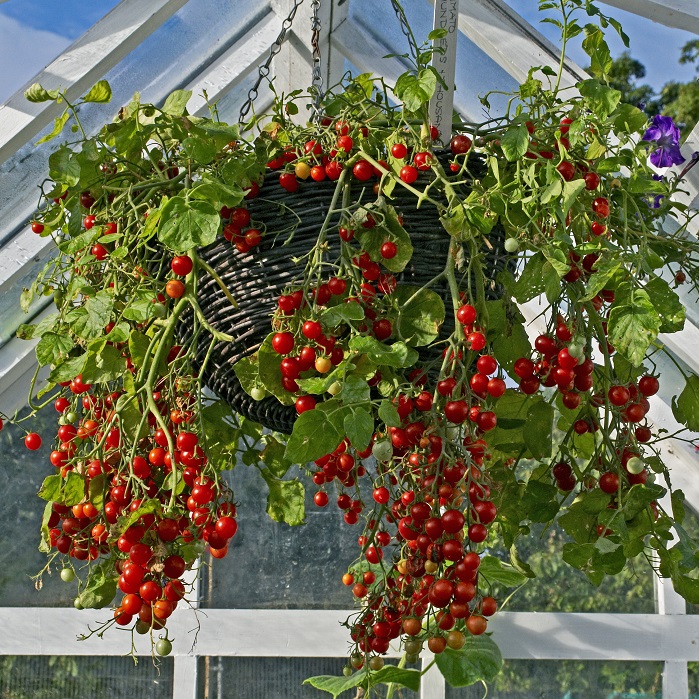
Determinate varieties, also known as "bush" tomatoes, grow to a fixed size and produce their fruit in a relatively short, concentrated period. This makes them ideal for a single, large harvest, which is efficient for processing. Examples include 'Celebrity' and 'Roma'. On the other hand, indeterminate varieties continue to grow and produce fruit throughout the season until the first frost. These are excellent for a continuous, freshmarket supply. Popular indeterminate varieties include 'Big Beef', 'Early Girl', and 'Super Sweet 100' for cherry tomatoes. We will analyze our local market to determine the most profitable mix of varieties to plant.
The Art of Seedling Production: A Strong Start is Everything
We will start our own seedlings indoors in a protected environment. This gives us complete control over the entire growth cycle from day one. We will use a sterile, soilless seedstarting mix in 50 or 72cell nursery trays. We recommend a peatbased potting mix or oasis cubes for consistent moisture and aeration. Proper seedling care is paramount; we will irrigate with clear water until the first true leaves appear, then switch to a nutrient solution with a low nitrogen concentration. We will maintain nighttime temperatures above 60°F (15°C) and ensure adequate light, using grow lights if necessary, to prevent seedlings from becoming tall and spindly. The seedlings will be ready for transplanting after 57 weeks, when they have reached a height of 8 inches and have 35 true leaves. Before transplanting, we will "harden off" the seedlings, gradually exposing them to outdoor conditions to acclimate them to the sun, wind, and temperature fluctuations. This process is nonnegotiable for ensuring a smooth transition and minimizing transplant shock.
Phase 3: Soil Preparation, Planting, and Irrigation
Preparing the Field for Optimal Growth
Once our soil test results are in, we will amend the soil as needed with lime to adjust pH and add a slowrelease granular fertilizer to address any nutrient deficiencies. We will incorporate significant amounts of organic matter, such as composted manure or green manure crops, to improve soil structure, water retention, and microbial activity. We will plow the land to a depth of at least 12 inches to improve aeration and drainage. We will then create raised beds to further enhance drainage and warm the soil in the spring. For our 1000 tomato plants, we will also install drip irrigation and plastic mulch. The black plastic film helps to suppress weeds, retain moisture, and warm the soil, giving our plants a head start. Drip irrigation is a gamechanger for largescale operations. It delivers water and nutrients directly to the root zone, minimizing water waste and reducing the risk of foliar diseases by keeping leaves dry. I do find that this system is the most efficient and effective way to manage a farm of this size.
The Process of Transplanting: From Tray to Field
We will transplant our hardenedoff seedlings on a cloudy day or in the late afternoon to reduce stress. We will plant the seedlings deeply, burying part of the stem, as tomatoes have the unique ability to grow new roots from the buried stem. This creates a stronger, more extensive root system, which is crucial for nutrient uptake and drought resistance. Immediately after transplanting, we will water the plants thoroughly with a starter solution, which is a highphosphorus fertilizer mixed with water. This gives the plants a boost as they establish themselves in their new environment. We will be diligent in this process, ensuring each of the 1000 plants is given the best possible chance to thrive.
Phase 4: Plant Care and Maintenance for Peak Production
Pruning and Trellising: The Pillars of Productivity
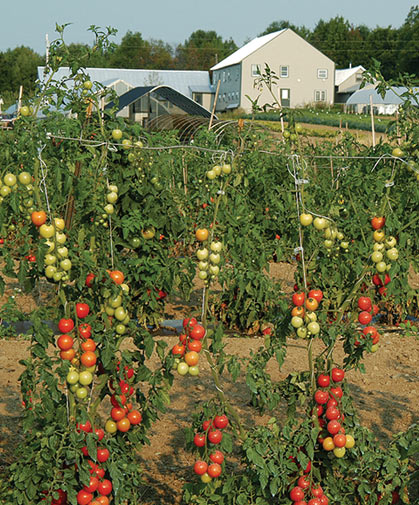
For our indeterminate varieties, pruning and trellising are essential practices for maximizing yield and maintaining plant health. We will use a sturdy system of stakes and twine or a cage system. We will train the plants to grow vertically, which improves air circulation, sunlight penetration, and makes harvesting easier. We will regularly remove suckers—the small shoots that grow in the crotch between the main stem and a branch. This redirects the plant's energy from vegetative growth to fruit production. We will maintain a single leader on each plant, and as the plant grows, we will wrap the main stem around the twine or tie it to the stake to provide support. From my experience, a wellpruned and trellised plant can produce significantly more highquality fruit than a sprawling, unmanaged one.
Irrigation and Fertilization: A Science of Precision
Our drip irrigation system will allow us to implement a precise watering and fertilization schedule, a practice known as fertigation. We will provide a deep, thorough watering rather than frequent, shallow ones. This encourages roots to grow deeper, making the plants more resilient to dry spells. The amount of water will vary based on the plant's growth stage, the soil type, and the weather. We will monitor the soil moisture with a tensiometer or by simple inspection. We will sidedress with nitrogen fertilizer when the first fruits are about the size of a nickel, and we may apply a second sidedressing a month later, especially on sandy soils. We will also use foliar sprays of calcium to prevent blossom end rot, a common issue in commercial tomato production. I do believe that this precise approach to nutrients is what separates a good harvest from a truly great one.
Phase 5: Integrated Pest and Disease Management (IPM)

Proactive Strategies for a Healthy Crop
Managing pests and diseases on a large scale requires an integrated, proactive approach. We will not wait for problems to appear; we will actively work to prevent them. We will start with diseaseresistant varieties and a robust crop rotation plan. We will never plant tomatoes in the same spot for at least 3 years, to break the life cycles of soilborne pathogens. We will also focus on sanitation, thoroughly cleaning and disinfecting all tools and equipment to prevent the spread of diseases. We recommend using a quaternary ammonia product or a 10% bleach solution for disinfection. We will also remove and destroy any infected plant material immediately.
Identifying and Combating Common Threats

We will be vigilant in scouting our 1000 tomato plants for early signs of trouble. We will inspect plants at least once a week for symptoms of diseases like Early Blight, Late Blight, and Septoria Leaf Spot. If signs appear, we will promptly apply targeted fungicides. We will also be on the lookout for common pests like aphids, spider mites, tomato hornworms, and whiteflies. We will employ a multipronged approach to pest control, starting with cultural practices like reflective mulches to deter aphids. We will then introduce beneficial insects like ladybugs and predatory mites, and we will use biological controls like Bacillus thuringiensis (Bt) for caterpillars. We will reserve chemical pesticides as a last resort, opting for products with minimal environmental impact. This holistic approach ensures we maintain a healthy ecosystem while protecting our crop. Based on my experience, this careful and integrated management is the only sustainable way to run a largescale farm.
Phase 6: Harvesting and PostHarvest Handling
The Timing of the Harvest: A Race Against Time
The time from planting to harvest can vary from 710 weeks, depending on the variety and climate. We will harvest tomatoes at the optimal stage of ripeness for their intended market. For fresh market sales, we will pick fruit when they are at the "breaker" stage—when they are beginning to show a blush of color. This allows them to finish ripening off the vine, giving them a longer shelf life and making them less susceptible to damage during transport. We will harvest by hand, using a knife or scissors to cut the fruit with the stem intact, which further prevents rot and extends freshness. For a farm of this size, we will need a dedicated team of pickers and an efficient system for collecting and transporting the harvested fruit from the field to a packing house. We recommend using a harvest aid or a tractorpulled trailer to make this process more efficient.
PostHarvest Handling: From Field to Market
Once harvested, we will immediately move the tomatoes to a cool, shaded area. We will sort them by size, quality, and ripeness. Any cracked, deformed, or damaged fruit will be removed. The graded tomatoes will then be packed into appropriate containers, such as bushel baskets or clamshells, depending on the market. We will store them in a cool environment, ideally between 5560°F (1316°C), to slow down the ripening process without causing chilling injury. We must never store tomatoes in a refrigerator, as this will destroy their flavor and texture. This final phase of the process is crucial; a great harvest can be ruined by poor handling. We will do everything possible to ensure our product arrives at the market in pristine condition, a testament to the care and effort we've invested in our 1000 tomato plants.

Phase 7: Financials and Marketing for Your Tomato Business
Budgeting for a LargeScale Operation
The financial aspect of growing 1000 tomato plants is as critical as the agricultural one. We will create a detailed budget that accounts for all costs: seeds or transplants, soil amendments (lime, fertilizer, compost), irrigation equipment (drip tape, filters, pumps), plastic mulch, trellising materials (stakes, twine), pesticides and fungicides, labor, and transportation. We will also factor in the cost of unexpected challenges like crop loss due to extreme weather or disease. On the revenue side, we will project our potential yield and calculate the anticipated income based on market prices. We will seek multiple distribution channels to maximize profitability, including directtoconsumer sales at farmers' markets, wholesale to local restaurants, or contracts with food processors.
Building a Brand and Securing Your Market
We will not just be growing tomatoes; we will be building a business. This means we will need a marketing plan. We will identify our target customers and develop a unique selling proposition. Are we selling heirloom tomatoes for a specialty market, or are we providing large quantities of Roma tomatoes for canning? We will use highquality packaging and branding to make our product stand out. We recommend using social media and a simple website to share our story—the care and passion that goes into growing our tomatoes. From my experience, transparency and a connection to the grower are powerful marketing tools. We will secure our distribution channels before the first harvest, ensuring we have a buyer for our product. This reduces risk and provides a stable foundation for our enterprise.
Conclusion: The Path to a Thriving Tomato Farm
From my experience, I do believe that growing 1000 tomato plants is an achievable goal with the right knowledge, planning, and dedication. I recommend a systematic approach, where each phase of the project is meticulously planned and executed. This guide provides a comprehensive framework, but success ultimately lies in our ability to adapt to changing conditions and to learn from our experiences. By focusing on foundational practices like soil health and variety selection, implementing advanced techniques like drip irrigation and trellising, and adopting a proactive approach to pest and disease management, we can cultivate a thriving, profitable tomato operation. The journey from a thousand seeds to a bountiful harvest is a challenging but deeply rewarding one, and we are confident that with this guide, you are well on your way to achieving it. We will be there every step of the way, providing the knowledge and insights you need to succeed.


Comments
Post a Comment