Basil plant guide
Here is a portion of the article, formatted as you requested.

I do believe that basil is more than just an herb; it's a staple of countless cuisines and a symbol of summer's bounty. Its sweet, peppery aroma can transform a simple tomato sauce into a masterpiece and elevate a caprese salad to new heights. For those looking to bring this incredible plant into their own homes or gardens, I recommend starting with a solid foundation of knowledge. This guide is designed to provide just that—a comprehensive and indepth resource for cultivating the most vibrant and flavorful basil you've ever tasted.
Understanding the Basil Plant: A Deep Dive into Its Botany and Varieties
Before we get our hands dirty, it’s crucial to understand what makes the basil plant tick. Basil (Ocimum basilicum) is a member of the mint family, Lamiaceae. This lineage is important because it shares certain characteristics with its minty cousins, such as its square stems and opposite leaf arrangement. This botanical knowledge isn't just for academic purposes; it directly influences how we care for the plant.
The world of basil is vast and wonderfully diverse. While most people are familiar with Sweet Basil, the quintessential Italian variety, there are hundreds of cultivars, each with its own unique flavor profile, aroma, and appearance. From my personal journey in the garden, I do find that experimenting with different types of basil adds a layer of excitement to both gardening and cooking.
The Most Common and Beloved Basil Varieties
Sweet Basil: The superstar of the basil world. Known for its large, bright green leaves and classic clovelike aroma with a hint of sweetness. It's the goto for pesto, margherita pizza, and pasta sauces.
Genovese Basil: A specific type of sweet basil, often considered the gold standard for pesto. It has a slightly stronger flavor and larger leaves than its sweet basil counterpart.

Thai Basil: Distinctive for its purple stems and flowers, and its licoriceanise flavor. It is an essential ingredient in many Southeast Asian dishes, particularly Thai curries and soups.
Holy Basil (Tulsi): Revered in India for its medicinal properties and spiritual significance. It has a spicy, peppery flavor and is used in teas and traditional Ayurvedic medicine.
Lemon Basil: As the name suggests, this variety has a strong citrus scent and flavor. It is a fantastic addition to fish dishes, salads, and vinaigrettes.
Cinnamon Basil: Characterized by its cinnamonlike aroma and flavor, it's a surprising but delightful addition to fruit salads, desserts, and spiced teas.
Purple Basil: Aesthetically stunning with its deep purple leaves. It has a slightly stronger, more peppery flavor than sweet basil and adds a beautiful color contrast to any dish or garden.
I recommend that new growers start with Sweet Basil, as it is the most forgiving and versatile. However, once you've mastered the basics, I do urge you to explore the other fascinating varieties.
Essential Elements for Growing a Healthy Basil Plant
Just like any living thing, basil requires specific conditions to flourish. Providing the right environment is the most critical step in ensuring a bountiful harvest. From my experience, skipping these fundamental requirements almost always leads to a lackluster or, worse, a failed crop.
Sun and Heat: The Basil Plant's Best Friends
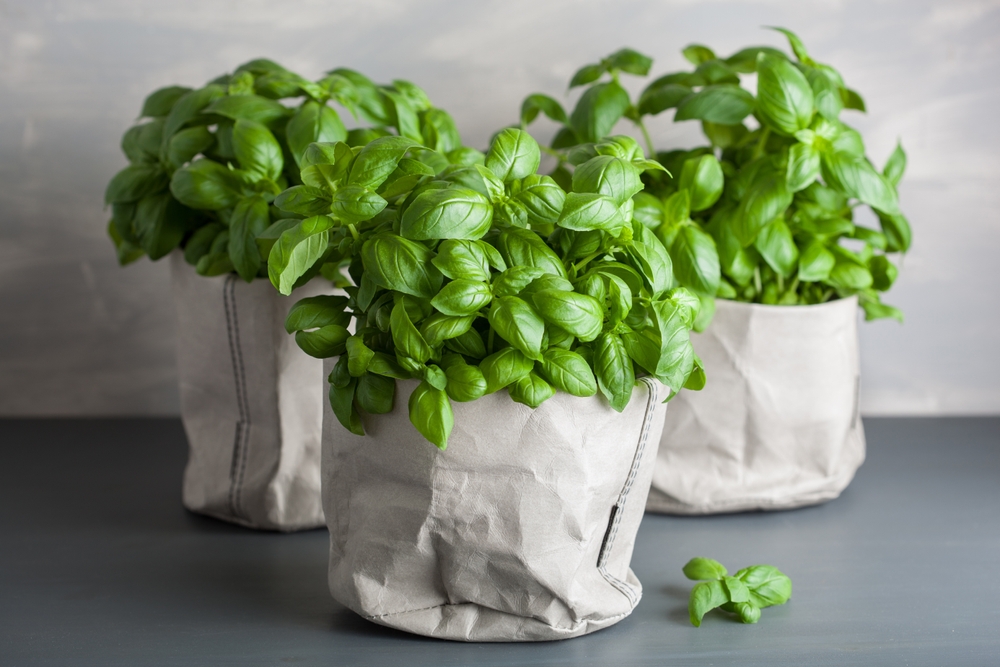
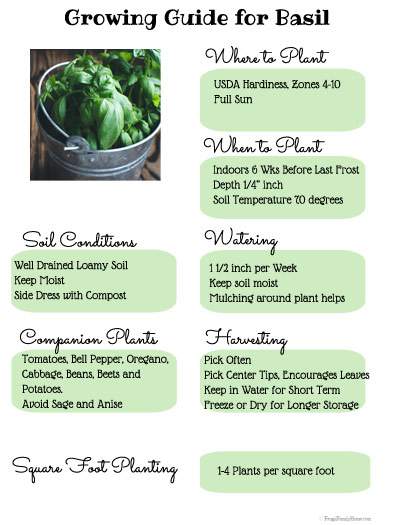
Basil is a sunloving plant, and it thrives in warmth. From my experience, basil plants require at least 6 to 8 hours of direct sunlight per day. In a less sunny spot, the plant will still grow, but it will be spindly, the leaves will be smaller, and the flavor will be less intense. For those in cooler climates, I recommend planting basil in a container that can be moved indoors or to a sunnier spot during cooler or rainy days. The ideal temperature range for basil growth is between 65°F to 80°F (18°C to 27°C). Basil is extremely sensitive to cold temperatures and frost. A single frost can kill the plant, so it's crucial to wait until all danger of frost has passed before planting outdoors. I do recommend consulting your local frost dates before you plant.
Soil and Drainage: The Foundation of Growth
The soil is the medium through which the plant receives its nutrients and water. Therefore, getting the soil right is nonnegotiable. Basil prefers a welldraining, nutrientrich soil. A loamy soil with a pH between 6.0 and 7.5 is ideal. From my experience, a goodquality potting mix for containers or amending garden soil with organic compost is the best approach. The key takeaway here is drainage. Basil hates having "wet feet," which means its roots sitting in soggy soil. Poor drainage can quickly lead to root rot, a common and often fatal problem for basil plants. I do recommend adding perlite or sand to heavy clay soils to improve their drainage.


Comments
Post a Comment