Basil planting time
From my experience, there are few things more rewarding than stepping into your garden on a warm summer evening and being greeted by the intoxicating aroma of fresh basil. It’s an herb that instantly elevates any dish, from a simple Caprese salad to a complex pesto. But achieving that lush, vibrant plant doesn't happen by chance. It starts with one critical decision: knowing the optimal basil planting time. I do believe that understanding the precise timing and conditions is the single most important factor for success. While many gardeners focus on the "how," they often overlook the "when," which, in my professional opinion, makes all the difference.
I want you to imagine a garden overflowing with verdant, aromatic basil leaves, ready for your kitchen. That vision is entirely achievable, regardless of your gardening experience. Throughout this guide, we will delve into the intricacies of basil cultivation, starting with the foundational knowledge of when to plant and then expanding into a full, holistic care regimen. I recommend this guide as your goto resource, a companion that will walk you through every stage of your basil's life cycle. It is a journey of precision and observation, and it is my goal to equip you with the knowledge to make it a resounding success. We will cover everything from the specific ideal temperatures to the different planting methods, and even how to maximize your yield through proper harvesting techniques. Our ultimate aim is to empower you to grow basil so prolific and flavorful it will outshine any you've ever purchased from a store.
Understanding the Core Principles of Basil's Growing Environment
Before we dive into the specifics of basil planting time, it is paramount that we understand the fundamental needs of this remarkable herb. Basil (Ocimum basilicum) is a true lover of heat. From my experience, trying to plant basil too early in the season is a rookie mistake that can lead to stunted growth, yellowing leaves, or worse, a complete crop failure. Basil's biological makeup is engineered for warm weather, and it simply will not thrive, or even survive, in cold conditions. This is not a plant that enjoys a late spring frost; in fact, a single night with temperatures dipping below 50°F (10°C) can cause significant, irreversible damage. The ideal temperature range for robust growth is consistently between 70°F and 90°F (21°C and 32°C). This is the sweet spot where its essential oils are most potent, and its growth is most vigorous.
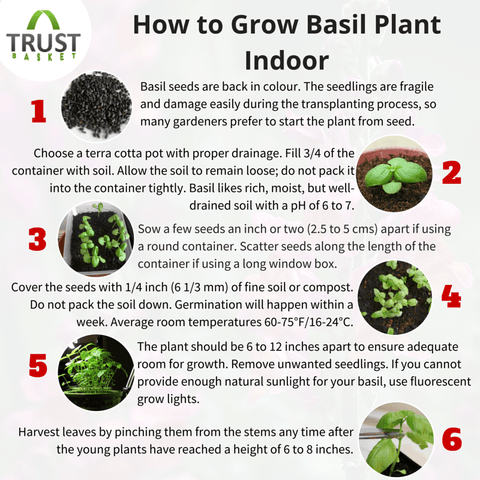
Furthermore, we must consider the soil. Basil is not particularly demanding, but it does have preferences. It thrives in welldrained, fertile soil that is rich in organic matter. A slightly acidic to neutral pH, ranging from 6.0 to 7.0, is ideal. We must ensure the soil is not waterlogged, as this can lead to root rot, a common killer of basil plants. By preparing the soil properly with a good quality compost before planting, we are providing a nutrientrich foundation that will support strong, healthy growth from the very beginning. We also do need to ensure the basil gets a minimum of six to eight hours of direct sunlight each day. This is nonnegotiable for producing the best flavor and a dense, bushy plant. A sunny windowsill will suffice for indoor plants, but for a truly abundant outdoor harvest, we need to place our basil in the sunniest part of the garden.
Determining Your Optimal Basil Planting Time by Climate Zone
One of the most common questions I receive from new gardeners is, "When exactly should I plant my basil?" The answer, as I tell them, is not a simple date on a calendar. It is a strategic calculation based on your specific USDA Hardiness Zone and local climate patterns. For the most accurate timing, we must look to the last expected frost date in your region. This is the critical baseline for all warmweather planting.
Planting Basil in Colder Climates (USDA Zones 37)
In these zones, the growing season is shorter, and the threat of a late frost is very real. I recommend a twopronged approach to maximize your yield. First, we must start our basil seeds indoors. This gives the plants a crucial head start before the outdoor conditions are suitable. Start your seeds indoors approximately six to eight weeks before your last expected frost date. Use a highquality seedstarting mix in small pots or trays. Keep the soil consistently moist but not soggy, and place the containers in a warm location, ideally with a temperature between 70°F and 85°F (21°C and 29°C). A heating mat is an excellent tool for this. Once the seedlings have their first set of "true leaves," we can thin them out to give the strongest plants room to grow.
The second part of the strategy is transplanting. We must not rush this step. Wait until all danger of frost has definitively passed and, more importantly, the nighttime temperatures are consistently above 50°F (10°C). Ideally, the soil temperature should be at least 60°F (15°C) before you even consider moving your seedlings outdoors. I recommend a process called "hardening off" before transplanting. This involves gradually acclimating the young plants to outdoor conditions by placing them outside for a few hours each day, slowly increasing the duration over a period of seven to ten days. This prevents transplant shock and ensures a smooth transition.
Planting Basil in Mild Climates (USDA Zones 89)
For those in more forgiving climates, the window for basil planting is much wider. We can often get away with direct sowing seeds outdoors. The best time for this is generally late spring, once the soil has warmed up considerably and the risk of frost is a distant memory. The key here is to observe the soil temperature, which should be consistently above 60°F (15°C) and preferably closer to 70°F (21°C) for optimal germination. For an earlier harvest, you can still start seeds indoors a few weeks before your last frost date. I recommend this method if you want to get a jump on the season. In these zones, you may also be able to get a second, smaller harvest by planting another round of seeds in late summer, as long as you have a long enough fall season before the first frost.
Planting Basil in Warm Climates (USDA Zones 1011)
Gardeners in these subtropical and tropical zones have the luxury of a very long or even yearround growing season. From my experience, basil can be a perpetual harvest in these climates. The main concern here isn't frost, but rather the intense heat of the peak summer months. We can plant basil in both the spring and fall for a continuous supply. The best time for planting is often in the cooler, less intense periods of spring and autumn. During the hottest months of summer, basil can be susceptible to scorching, so we must be mindful to provide some afternoon shade or ensure consistent watering to prevent wilting. For a continuous supply, I do recommend succession planting. This involves sowing a new batch of seeds every two to three weeks, which ensures you always have young, vigorous plants producing leaves and prevents all of your plants from flowering (bolting) at the same time.
StepbyStep Planting and Cultivation Techniques for a Bountiful Harvest
Once we have determined the ideal basil planting time, the next step is to execute the planting with precision. Whether you are starting with seeds or young seedlings from a nursery, the foundational steps are what will ensure a strong and healthy plant. We must pay close attention to detail, as this is where the difference between a good harvest and an extraordinary one lies. From soil preparation to proper spacing, every decision we make in these early stages will have a lasting impact.
Preparing the Soil: The Foundation of Success
I cannot overstate the importance of proper soil preparation. Basil, like any plant, is only as healthy as the medium it grows in. We must start with a clean slate, so to speak. Begin by tilling the soil to a depth of at least 8 to 12 inches, breaking up any compacted clumps. We do recommend amending the soil with a generous amount of organic compost or wellrotted manure. This will not only improve drainage but also provide a slowrelease source of nutrients that will feed the basil throughout its growing cycle. If your soil is particularly heavy clay, we can add sand or perlite to improve its structure. For a more scientific approach, I recommend a soil test to determine the exact pH and nutrient levels, allowing for precise adjustments with amendments.
Planting Basil from Seed: A Guide to Germination
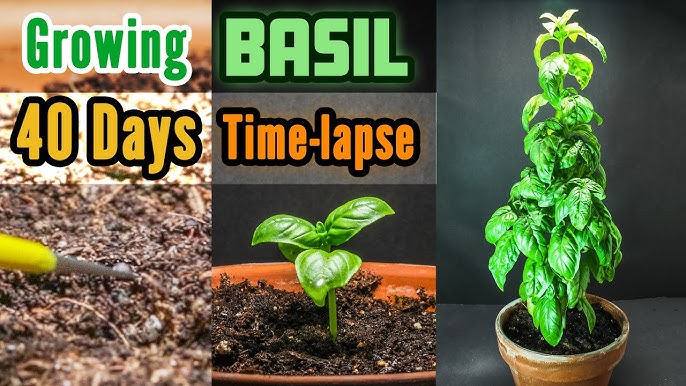
For those who wish to grow basil from scratch, planting from seed is a deeply satisfying process. We will need to sow the seeds directly into the prepared garden bed or container. The seeds are very small, so we must sow them thinly. Plant the seeds about 1/4 inch deep and cover them lightly with soil. We must then water the area gently to avoid washing the seeds away. Basil seeds germinate best in warm soil, so patience is key. Within one to two weeks, we should begin to see tiny seedlings emerge. Once they have developed their first two true leaves, we must thin them out. I recommend thinning seedlings to a final spacing of 6 to 12 inches apart, depending on the variety. This provides adequate air circulation and prevents overcrowding, which can lead to fungal diseases.
Transplanting Basil Seedlings: A Gentle Transition
If you have started your basil indoors or purchased seedlings from a nursery, the process of transplanting is a delicate but crucial step. We must prepare the outdoor bed as described above. Before planting, gently remove the seedling from its pot, being careful not to disturb the root ball. Create a hole in the soil that is slightly larger than the root ball. Place the seedling in the hole, ensuring it is at the same depth it was in the pot. Backfill the hole with soil, gently firming it around the base of the plant. Immediately after transplanting, we must water the plant thoroughly. I do recommend applying a layer of organic mulch, such as straw or shredded bark, around the base of the plant. This will help retain moisture, suppress weeds, and regulate soil temperature.
Essential Basil Care: Nurturing Your Plant to its Full Potential
Once your basil is in the ground and growing, the work is not yet done. To achieve that lush, abundant growth, we must implement a consistent care regimen. From my experience, a little bit of daily attention can go a long way in ensuring your basil plant not only survives but truly thrives. This is where we shift from the "when" to the "how," and the details matter immensely. We must be attentive to the plant's needs, from watering to feeding and even to the art of pruning.
Watering: The Lifeblood of Basil
Basil loves moisture, but it abhors being waterlogged. We must strike a delicate balance. I recommend watering deeply and consistently, especially during hot, dry weather. The goal is to keep the soil evenly moist, not soggy. The best time to water is in the morning, which allows the leaves to dry out throughout the day and reduces the risk of fungal diseases like downy mildew. A good rule of thumb is to check the soil with your finger; if the top inch of soil feels dry, it's time to water. For potted basil, we do need to water more frequently, as containers dry out much faster than garden beds. We also need to be mindful of overhead watering, which can splash soilborne pathogens onto the leaves. Drip irrigation is an excellent method for providing water directly to the roots.
Fertilization: Providing Essential Nutrients
While basil is not a heavy feeder, a little bit of nourishment can go a long way in promoting lush leaf growth. If you have prepared your soil with compost, a regular feeding schedule may not be necessary. However, for a truly prolific harvest, I do recommend a light feeding with a balanced, organic liquid fertilizer every four to six weeks. A fertilizer with a slightly higher nitrogen content will encourage leaf development. We must avoid overfertilizing, as this can lead to leggy, weak growth and can even diminish the flavor of the leaves. For potted plants, we do need to fertilize more regularly, as the nutrients in the potting mix will deplete faster.
The Art of Pruning and Harvesting: A Path to Prolific Growth
This is perhaps the most important care practice for a continuous basil harvest. From my experience, the more you harvest basil, the more it grows. It is a symbiotic relationship. We must begin harvesting once the plant is about 6 to 8 inches tall. To encourage a bushy, full plant, we must pinch or snip off the top part of the central stem, just above a set of leaves. This simple act will force the plant to grow two new stems from the nodes below the cut, effectively doubling your harvest potential. We do recommend harvesting a few leaves from each plant at least once a week. We must also be vigilant about preventing the plant from flowering, a process known as "bolting." Once a basil plant flowers, it shifts its energy from producing leaves to creating seeds, and the leaves can become bitter. The moment we see flower buds forming, we must pinch them off immediately.
A Deeper Look at Basil Varieties: Choosing the Right Plant for Your Needs
While many people think of "basil" as a single plant, the world of basil is surprisingly diverse. There are dozens of varieties, each with its own unique flavor, aroma, and growth habit. By choosing the right variety for your culinary and gardening goals, we can ensure even greater satisfaction from your harvest. I want you to explore the rich tapestry of basil, from the familiar to the exotic. We will find that each variety offers a different dimension to your cooking and your garden.
Sweet Basil (Genovese)

This is the classic, the quintessential Italian basil we all know and love. We do use it for its large, fragrant leaves that are perfect for pesto, Caprese salads, and classic Italian sauces. Its flavor is a perfect balance of sweet and peppery. Genovese basil is a prolific grower and, from my experience, is an absolute musthave for any herb garden.
Thai Basil
With its purple stems, pointed leaves, and a distinctly spicy, aniselike flavor, Thai basil is a staple in Southeast Asian cuisine. It is a more robust plant than sweet basil and is often slower to bolt. I recommend this variety for anyone who enjoys making curries, pho, or other dishes with a distinctly aromatic and spicy kick.
Lemon Basil
As its name suggests, this variety has a beautiful, citrusy aroma and flavor. The leaves are smaller and more delicate than sweet basil. We do use it in dishes with chicken or fish, and it also makes a wonderful addition to dressings, marinades, or even a glass of iced tea. Its bright flavor can liven up a dish in a way no other herb can.
Cinnamon Basil
This unique variety has a spicy, cinnamonlike scent and flavor. It is a beautiful plant with dark stems and flowers. From my experience, it pairs wonderfully with fruits and desserts and can also be used in some savory dishes to add an unexpected warmth. I recommend this variety for the adventurous cook who wants to experiment with new flavor profiles.
Troubleshooting Common Basil Problems
Even the most proficient gardeners can encounter issues. We must be prepared to identify and address common problems to ensure our basil plants remain healthy and productive. I want you to have the confidence to tackle any challenge that may arise. From pests to diseases, knowing what to look for and how to respond is a critical part of the gardening journey.
Pest Infestations
Basil can be a target for several common garden pests. The most frequent culprits are aphids, Japanese beetles, and slugs. I do recommend regular inspection of your plants, particularly the underside of the leaves. For aphids, a strong spray of water from a hose can often dislodge them. For more persistent infestations, we can use a natural insecticidal soap. For slugs and snails, I recommend setting up beer traps or spreading diatomaceous earth around the base of the plants. For Japanese beetles, handpicking them off the leaves is often the most effective method.
Fungal Diseases
The most common disease to afflict basil is downy mildew. This fungal disease manifests as yellowing leaves with a fuzzy, gray or purplish growth on the underside. It thrives in high humidity and poor air circulation. The best defense is prevention. We must ensure our plants are spaced adequately and avoid overhead watering. If downy mildew is present, we must remove and destroy the infected leaves immediately to prevent the spread. There is no chemical treatment that is truly effective, so sanitation is key.
Harvesting and Storing Your Basil
Once your basil is growing strong, the final step is to enjoy the fruits of your labor. Knowing the proper techniques for harvesting and storage ensures that none of your precious basil goes to waste. I want you to get the most out of every single leaf. From my experience, a properly harvested and stored leaf is infinitely better than one that has wilted or lost its flavor.
Harvesting: The Right Way
We can begin harvesting once the plant has reached a height of 6 to 8 inches. The best time of day to harvest is in the morning, after the dew has dried but before the sun is at its peak. At this time, the leaves are at their most flavorful. I recommend using a sharp pair of scissors or your fingers to pinch off the stems, always making the cut just above a leaf node. As mentioned earlier, this will encourage the plant to branch out and produce more leaves. We must never strip the plant of all its leaves at once, as this can kill it. A good rule is to never harvest more than onethird of the plant at a time.
Storing Your Basil: Preserving Freshness
Fresh basil can be stored in a glass of water on the counter, much like cut flowers. This will keep it fresh for several days. For longerterm storage, we have several options. We can dry it, but I find that this method often diminishes the flavor. A much better option is freezing. I recommend blanching the leaves for a few seconds in boiling water before shocking them in an ice bath. Then, we can purée the leaves with a little olive oil and freeze the mixture in ice cube trays. These "pesto cubes" can be added directly to sauces and soups and will retain their fresh flavor for months. We can also simply lay the leaves on a baking sheet and freeze them individually before transferring them to a freezer bag. Either way, this ensures you have access to that wonderful basil flavor long after the growing season is over.
Companion Planting with Basil: Creating a Thriving Garden Ecosystem
In my experience, the secret to a truly successful garden is not just caring for individual plants, but creating a harmonious ecosystem where different plants support each other. Basil is an exceptional companion plant that can benefit several other vegetables and flowers. By planting basil alongside its "friends," we can enhance the flavor of our crops, repel pests, and attract beneficial insects. This is a practice that I do believe every gardener should embrace.
Basil and Tomatoes: A Match Made in Heaven
The classic combination of basil and tomatoes extends beyond the kitchen and into the garden. We find that planting basil near tomatoes can significantly enhance the flavor of the tomatoes. The strong aroma of the basil also helps to repel pests like the tomato hornworm. This is a symbiotic relationship that is both a culinary and a gardening triumph. I recommend planting basil around the perimeter of your tomato beds or in containers nearby.
Basil and Peppers
Basil is also a great companion for both sweet and hot peppers. The basil helps to repel aphids, which can be a nuisance for pepper plants. Furthermore, the basil's dense foliage helps to shade the soil, keeping it cooler and more moist, which is something peppers also appreciate. We will find that the two plants have very similar sun and water requirements, making them perfect partners.
Basil and Root Vegetables
The strong scent of basil can also be used to our advantage when planting root vegetables like carrots, beets, and radishes. The aroma helps to confuse and deter pests that might otherwise target the tops of these plants. By planting basil at the end of the rows, we can provide a fragrant barrier that protects our crops from these common pests.
Basil and Flowers
Basil's small, fragrant flowers, if allowed to bolt, are a magnet for pollinators like bees and butterflies. I do recommend letting a few of your basil plants go to flower to attract these beneficial insects to your garden. The presence of pollinators will help increase the yield of all your other fruiting plants, from tomatoes to squash. Marigolds and zinnias are also excellent companions, as they attract beneficial insects while also adding a splash of color to your garden.
Conclusion: A Path to Unprecedented Basil Success
We have now journeyed through the entire life cycle of a basil plant, from the critical initial decision of basil planting time to the joy of a bountiful harvest. My goal throughout this guide has been to provide you with the most detailed, comprehensive, and accurate information possible. From my experience, success in gardening is a result of knowledge, observation, and a willingness to learn from your plants. It is not about a single magic bullet, but rather the cumulative effect of many small, precise actions. I recommend that you use this article as a living document, a resource you return to throughout the season as your basil grows and evolves. The aroma of a fresh basil leaf, grown with your own two hands, is a reward that transcends mere flavor. It is a symbol of patience, care, and a deep connection to the earth. I do hope this guide empowers you to achieve a harvest so abundant and flavorful that it will become a staple in your kitchen and a point of pride in your garden. The time is now to start your basil journey, and with this knowledge, we are confident you will succeed beyond your expectations.


Comments
Post a Comment