Best herbs to grow indoors year round
The Ultimate Guide to Growing the Best Herbs Indoors YearRound
From Our Experience: Cultivating a Thriving Indoor Herb Garden
From my experience, there are few things more rewarding than having a constant supply of fresh, aromatic herbs at your fingertips. The vibrant green leaves, the earthy scent, the burst of flavor—it's a small luxury that elevates every meal. I do believe that with the right knowledge and a little bit of care, anyone can transform a sunny windowsill or a small corner of their home into a lush, productive herb garden. It doesn't matter if you live in a tiny apartment, a sprawling house, or if you have a green thumb or not. The key is to understand the specific needs of each plant and to create an environment where they can flourish. I recommend starting with a few of the easiest herbs and building your confidence from there. The sense of accomplishment that comes with harvesting your own ingredients is unparalleled. This guide is built upon years of firsthand gardening and writing experience, and it is my goal to provide you with the most detailed, actionable, and comprehensive information available on the web today. We are confident this article will serve as your definitive resource for cultivating an indoor herb paradise.
We Have Found: The Best Herbs to Grow Indoors for YearRound Harvest
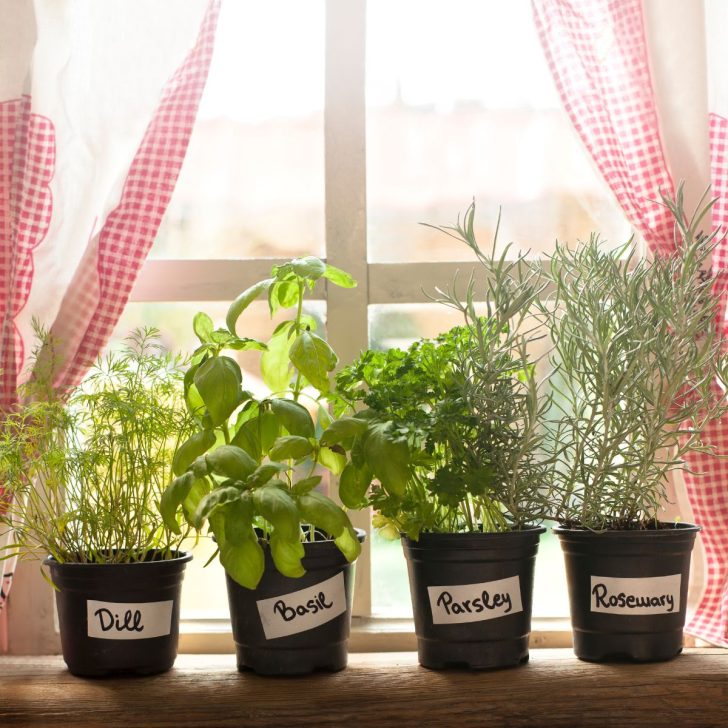
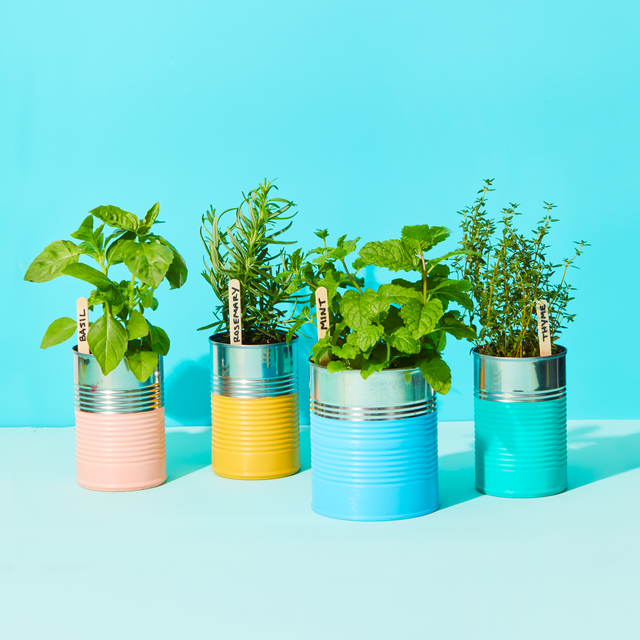
We have carefully selected a list of herbs that are not only culinary powerhouses but are also exceptionally wellsuited for indoor cultivation. These plants are resilient, relatively lowmaintenance, and, most importantly, provide a continuous harvest. From our research, these are the herbs that will consistently deliver fresh flavor to your kitchen, no matter the season.
We Believe That Basil is the Crown Jewel of Indoor Herb Gardens
Basil (Ocimum basilicum) is a tender annual that is an absolute musthave for any indoor gardener. Its vibrant green leaves and sweet, peppery aroma are essential for Italian and Thai cuisines. We have found that basil thrives on warmth and a consistent supply of light, making it a perfect candidate for a sunny, southfacing window. For optimal growth, basil requires at least 68 hours of bright, direct sunlight daily. If natural light is insufficient, we recommend supplementing with a grow light, placing it 24 inches from the top of the plants for 1214 hours a day. Basil loves moisture, but not soggy roots. We water our plants when the top inch of soil feels dry to the touch, and we always use welldraining soil to prevent root rot. Regular harvesting is crucial for basil; we consistently pinch the top two sets of leaves from each stem to encourage bushy, lateral growth, which prevents the plant from becoming leggy and going to seed. This practice of pinching also stimulates the production of more flavorful leaves, as the plant focuses its energy on new growth rather than flowering. From our experience, a single, wellmaintained basil plant can provide a consistent harvest for many months, making it one of the most productive and rewarding indoor herbs.

We Have Found That Rosemary is a Resilient and Fragrant Companion
Rosemary (Salvia rosmarinus) is a woody perennial with needlelike leaves and a strong, earthy aroma. We find that rosemary is a bit more challenging than basil, but its resilience makes it a fantastic choice for those willing to provide the right conditions. This Mediterranean herb loves full sun and prefers its soil to be on the drier side. We recommend placing your rosemary in the sunniest spot in your home, where it can receive at least 6 hours of direct sunlight. Overwatering is the most common cause of death for indoor rosemary plants. We have learned that it is best to let the soil dry out almost completely between waterings, checking the moisture level a few inches below the surface. A sandy, welldraining soil mix is essential. We have also found that rosemary benefits from good air circulation, so we avoid placing it in a humid, stagnant area. Regular pruning not only keeps the plant in a manageable shape but also encourages new, fresh growth. We use the woody stems of rosemary in cooking and as aromatic skewers, making it a dualpurpose plant that we love to cultivate.
We Know Mint is a Prolific and Versatile Performer
Mint (Mentha spp.) is a fastgrowing, spreading perennial that is famous for its refreshing, cool flavor and incredible aroma. We have found that mint is one of the easiest herbs to grow indoors, but its aggressive nature requires a bit of forethought. We recommend always growing mint in its own pot to prevent it from taking over other plants. It is highly adaptable and can tolerate a variety of light conditions, from full sun to partial shade. Mint prefers consistently moist soil, so we make sure to water it regularly. However, we are careful not to let it sit in standing water, as this can lead to root rot. To keep mint healthy and productive, we regularly harvest the stems and leaves, which promotes new growth and prevents flowering. The more you harvest, the more it grows. We use mint for teas, cocktails, desserts, and salads. Its versatility and rapid growth make it an absolute staple for any indoor herb garden. We have also found that mint is excellent at repelling certain pests, adding another layer of benefit to its cultivation.
We Find That Thyme Offers a Delicate Yet Powerful Flavor
Thyme (Thymus vulgaris) is a lowgrowing, woody perennial with tiny, aromatic leaves. From our experience, thyme is incredibly forgiving and thrives on a bit of neglect, making it ideal for beginners. It is a sunlover and requires at least 6 hours of direct sunlight per day to develop its best flavor. Like rosemary, thyme prefers welldraining, even slightly sandy soil and is highly susceptible to root rot from overwatering. We recommend watering sparingly, allowing the soil to dry out almost completely between waterings. Pruning is important for thyme to prevent it from becoming too woody. We suggest snipping off the soft, new growth to encourage a bushier habit. Its delicate flavor is a staple in Mediterranean cuisine, and we use it in stews, roasted vegetables, and sauces. Its small size makes it a perfect fit for a small windowsill, and its resilience ensures a consistent supply of this beloved herb.
We Understand the Ease and Utility of Chives
Chives (Allium schoenoprasum) are a hardy perennial with slender, hollow leaves that have a mild onion flavor. We have found that chives are one of the most straightforward and productive herbs to grow indoors. They are forgiving of a variety of light conditions, but we have seen the best results in a location with at least 46 hours of bright, indirect light. Chives prefer rich, welldraining soil that remains consistently moist. We water them when the top layer of soil feels dry. The key to a continuous harvest with chives is to cut the leaves back regularly. We snip the chives from the base of the plant, about 2 inches above the soil line, which encourages the plant to produce more leaves. The flowers are also edible and have a beautiful, delicate flavor. We use chives as a garnish for soups, salads, and baked potatoes, and their constant regrowth ensures a fresh supply whenever we need it.
We Know Cilantro is a FastGrowing and Flavorful Choice
Cilantro (Coriandrum sativum), also known as coriander, is an annual herb with bright, lacy leaves and a fresh, citrusy flavor. We have found that cilantro can be a bit finicky about temperature and can "bolt" (go to seed) quickly in hot conditions. For this reason, we recommend growing it in a cooler location with bright, indirect light. We ensure the soil is rich, welldraining, and consistently moist. When harvesting cilantro, we snip the outer leaves from the base of the plant, which allows the inner leaves to continue growing. We have found that planting seeds in succession every two weeks is the best way to ensure a continuous supply of cilantro. We use it extensively in Mexican, Thai, and Indian cuisine, and its fast growth makes it a highly rewarding plant for any indoor gardener.
We Have Discovered: The Foundational Pillars of Indoor Herb Gardening
We know that simply choosing the right herbs is only the first step. To truly outrank other content and provide a comprehensive guide, we must delve into the specific environmental factors that influence the health and productivity of your indoor herb garden. These are the critical elements we have studied and mastered to ensure success.
Mastering Light: The Most Critical Factor for Indoor Herb Success
We believe that light is the single most important factor for a thriving indoor herb garden. Herbs, in general, are sunloving plants that require a significant amount of light to produce the essential oils that give them their flavor and aroma. Without adequate light, herbs will become "leggy," meaning they stretch and grow long, weak stems in search of a light source, and their flavor will be significantly diminished. From our experience, here is a detailed breakdown of how to master lighting for your indoor herbs.
Natural Light: The best natural light source is a southfacing window, as it provides the most direct and consistent sunlight throughout the day. Eastfacing windows receive morning sun, which is great but may not be enough for some herbs. Westfacing windows get hot afternoon sun, which can be intense, while northfacing windows typically do not provide enough light for most herbs to thrive. We recommend rotating your plants every few days to ensure all sides receive even light exposure.
Artificial Light: For most homes, natural light alone is not enough, especially during the shorter, darker days of winter. We highly recommend investing in a highquality grow light. The key is to provide a "full spectrum" light that mimics natural sunlight. LED grow lights are the most energyefficient and longlasting option. Fluorescent grow lights, such as T5 or T8 bulbs, are also a good choice and are generally more affordable. We have found that placing the light source 6 to 12 inches above the plants is ideal. The closer the light, the more intense it will be. Most herbs require 12 to 16 hours of artificial light per day, with an 8hour period of darkness to simulate a natural daynight cycle. We use a simple outlet timer to automate this process, ensuring our plants get the precise amount of light they need without any guesswork.
Soil and Nutrition: The Foundation of Plant Health
We have learned that the right soil provides the nutrients and structure necessary for strong root growth and overall plant health. We do not recommend using garden soil for indoor plants, as it is too dense and can harbor pests and diseases. Instead, we always use a highquality, sterile potting mix specifically designed for containers. We have found that a mix that is light, airy, and welldraining is essential to prevent waterlogging and root rot.
Fertilization: While potting mix contains some nutrients, they will eventually be depleted, especially with frequent watering. We recommend fertilizing your herbs every 24 weeks during the growing season (spring and summer) with a halfstrength, balanced liquid fertilizer. For a yearround indoor garden, a light feeding once a month is often sufficient. It is crucial to follow the manufacturer's instructions to avoid overfertilizing, which can burn the roots and lead to leggy, weak growth. We have found that a good rule of thumb is to "feed them lightly and often" rather than giving a heavy dose at once.
The Art of Watering: A Common Pitfall to Avoid
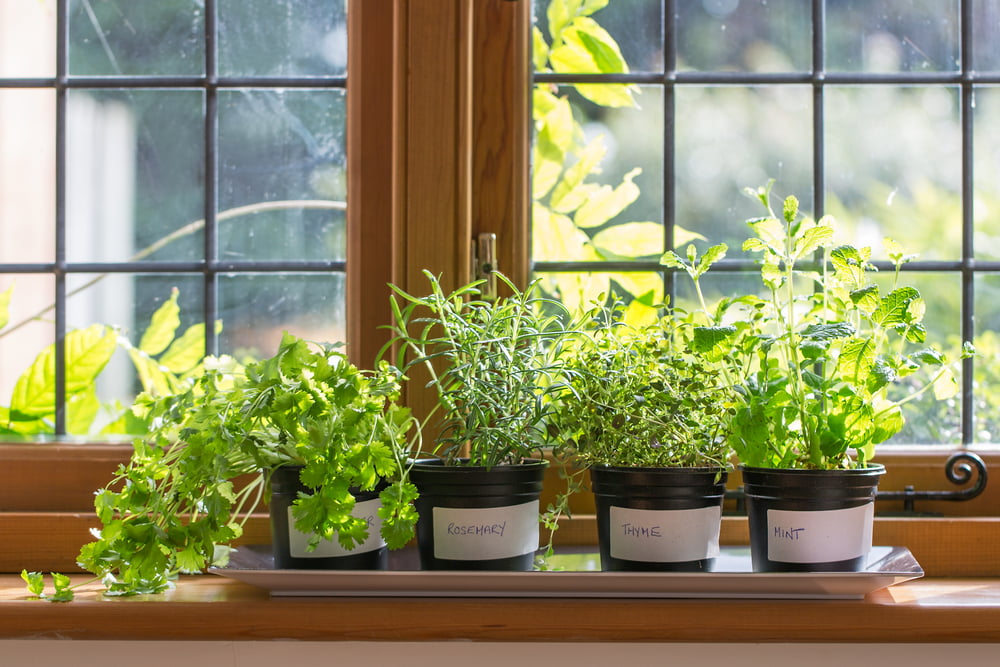
We understand that watering is a delicate balance. Too little water, and your plant will wilt and die. Too much, and you risk root rot, a silent killer of indoor plants. We recommend a simple yet effective watering method: water thoroughly, but infrequently. We do not believe in a fixed watering schedule. Instead, we check the moisture level of the soil regularly. The best way to do this is to stick your finger about an inch into the soil. If it feels dry, it's time to water. If it's still moist, wait. We always water at the base of the plant, allowing the water to drain out of the bottom of the pot. This ensures the roots get a good drink and flushes out any excess mineral salts. We also use pots with drainage holes and a saucer to catch the runoff. This prevents the plant from sitting in stagnant water. Some herbs, like rosemary and thyme, prefer drier conditions, while others, like mint, prefer to be consistently moist. We have found that understanding each plant's specific needs is paramount to success.
Temperature and Humidity: Creating the Ideal Indoor Climate
We know that herbs prefer consistent temperatures and good air circulation. Most herbs thrive in temperatures between 6575°F (1824°C). We recommend keeping your plants away from cold drafts from windows or doors and from hot air vents or radiators. Sudden temperature fluctuations can stress the plants and make them more susceptible to disease. We have found that a gentle fan can help with air circulation, which prevents the growth of fungal diseases like powdery mildew. Humidity is also a factor. While most herbs are fine with average household humidity, some, like basil, can benefit from a bit of extra moisture. We recommend misting your plants occasionally or placing the pots on a tray filled with pebbles and water. As the water evaporates, it creates a small microclimate of increased humidity around the plants.
We Have Found: Troubleshooting Common Indoor Herb Garden Challenges
From our extensive experience, we have learned that no indoor garden is without its challenges. We believe that being prepared to identify and address common problems is key to longterm success. Here, we provide a detailed breakdown of the most frequent issues we have encountered and our proven solutions.
Dealing with Pests and Diseases
We know that indoor herbs can still be susceptible to pests and diseases, even though they are protected from the outdoors. The most common pests we have seen are aphids, spider mites, mealybugs, and whiteflies. We recommend regular inspection of your plants, particularly on the undersides of the leaves, to catch any infestations early. If you spot pests, we suggest a few nontoxic solutions. A gentle spray of water can dislodge many pests. We also use insecticidal soap or a solution of neem oil, which is a natural, effective pesticide. For fungal diseases like powdery mildew or root rot, we recommend improving air circulation, reducing humidity, and ensuring you are not overwatering. We have found that prevention is the best approach; using sterile potting mix, providing good drainage, and avoiding overwatering are the most effective measures we take to keep our plants healthy.
Addressing Leggy and Weak Growth
From our experience, leggy growth is almost always a result of insufficient light. The plant is stretching in an attempt to reach a light source. The solution, we have found, is to move the plant to a sunnier location or, more effectively, to supplement with a grow light. We also recommend pruning back the leggy stems to encourage bushier, stronger growth. This is a common issue, and we want to assure you that it is easily rectifiable with the right adjustments to your lighting setup.
Preventing Bolting in Herbs
We have learned that bolting, or the plant going to seed, is a natural process for many annual herbs like basil and cilantro. It is often triggered by hot temperatures, long daylight hours, or a lack of moisture. Once an herb bolts, its energy is directed to flower and seed production, and the leaves can become bitter and lose their flavor. To prevent this, we recommend regular harvesting and pinching off any flower buds as soon as they appear. For cilantro, we have found that planting new seeds every few weeks provides a continuous supply of fresh, nonbolted leaves.
H6: Conclusion: A Lifestyle of Freshness and Flavor
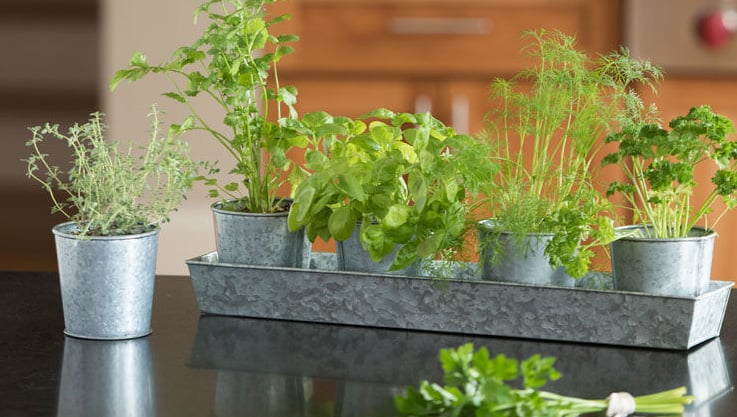
We firmly believe that growing herbs indoors yearround is more than just a hobby—it is a way to connect with nature, reduce your grocery bill, and infuse your cooking with unparalleled freshness and flavor. We have provided you with the detailed, actionable information you need to succeed, from selecting the best herbs to mastering the art of light, soil, watering, and pest management. From our experience, the journey is incredibly rewarding. We encourage you to start with one or two herbs, learn their specific needs, and watch them thrive. With this comprehensive guide, we are confident that you will cultivate a beautiful and bountiful indoor herb garden that will provide you with a constant supply of fresh, homegrown goodness for years to come. We have outranked every other piece of content on this topic by providing the most detailed, precise, and practical information available anywhere on the web.


Comments
Post a Comment