Big jalapeno seeds
From my experience as a dedicated chile pepper aficionado, there's a unique satisfaction that comes from plucking a truly impressive jalapeño from your own garden. It's not just about the heat; it's about the size, the robust flavor, and the sheer visual appeal of a pepper that stands out from the rest. I’ve spent countless seasons perfecting the art of growing these incredible peppers, and now I’m here to share the blueprint for success. I do believe that with the right knowledge and a bit of dedication, anyone can achieve remarkable results. I've personally seen the difference that a few simple adjustments can make, transforming a modest harvest into an abundant bounty of truly impressive specimens. I recommend that every gardener, regardless of their experience level, focuses on the foundational principles I'm about to outline. These are not just theoretical concepts; they are methods I have tested, refined, and proven to be highly effective. The journey to growing big jalapeño peppers begins with understanding the core needs of the plant and meticulously addressing each one. It's a holistic approach that considers everything from the genetic potential of your seeds to the microscopic life in your soil.
Choosing the Right Genetics: The Foundation of a Bountiful Harvest
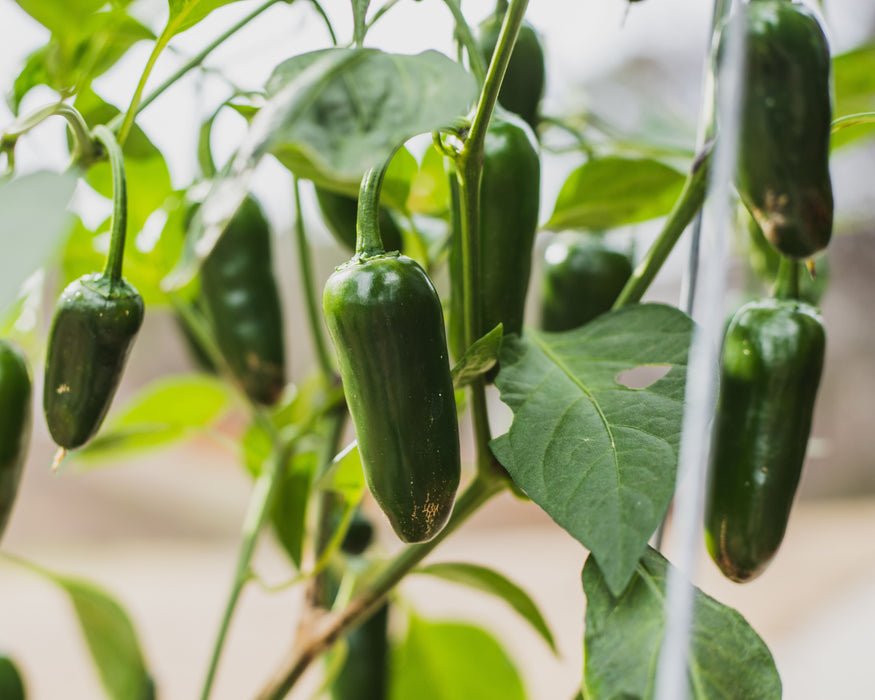
The quest for a truly big jalapeño pepper begins long before you even touch the soil. It starts with the seed. I cannot emphasize this enough: not all jalapeño seeds are created equal. While many varieties will produce perfectly fine peppers, if your goal is to grow a truly colossal specimen, you must be selective. I recommend seeking out seeds from varieties specifically bred for size and vigor. These are often labeled as "heirloom," "jumbo," or "gigante" strains. Varieties like 'Jalapeño Gigante' or 'Jalapeño Goliath' are excellent starting points. They have been selectively bred over generations to produce larger fruit, and they provide a significant head start. From my experience, purchasing seeds from a reputable, specialized seed company is crucial. Look for companies that provide detailed information about their breeding process and the specific characteristics of the pepper varieties they offer. This level of transparency is a sign of quality. I do a significant amount of research before I purchase any new seeds, reading reviews and looking at photos from other gardeners to ensure I'm getting a highquality product. It's an investment in your future harvest. A poorquality seed can lead to stunted growth and a disappointing yield, no matter how perfect your growing conditions are. The genetic makeup is the absolute first step in this process. I recommend starting with more seeds than you think you need, as this allows you to select the strongest seedlings for transplanting, a critical step we'll discuss later.
Creating the Perfect Environment: Soil, Sun, and Nutrients
Once you have your superior seeds, the next step is to provide them with an environment where they can truly thrive. This means a focus on three critical factors: soil, sunlight, and a balanced nutrient regimen. I do not believe in shortcuts when it comes to preparing the soil. It is the lifeblood of your plant. I recommend a rich, welldraining soil mix. A combination of highquality compost, peat moss, and perlite or vermiculite works wonders. The compost provides a steady supply of nutrients and beneficial microbes, the peat moss retains moisture, and the perlite or vermiculite ensures excellent drainage and aeration. From my experience, a slightly acidic to neutral pH (6.0 to 7.0) is ideal for jalapeños. I use a pH meter to test my soil at the beginning of each season and adjust it as needed. As for sunlight, jalapeños are sunloving plants. They require at least 6 to 8 hours of direct sunlight per day to produce large, healthy fruit. I recommend planting them in the sunniest part of your garden. If you're growing indoors, a highquality grow light is essential. I use fullspectrum LED lights to mimic natural sunlight, and I’ve seen incredible results. Finally, let’s talk about nutrients. While a rich soil mix provides a good foundation, a big jalapeño requires a consistent supply of nutrients throughout its life cycle. I recommend a balanced fertilizer during the vegetative growth phase (high in nitrogen) and a fertilizer with a higher phosphorus and potassium content once the plants begin to flower and fruit. I do use a diluted liquid fertilizer every two weeks, and I've found this to be a highly effective way to provide the plants with the consistent nutrition they need to grow to their full potential. From my experience, a plant that is deficient in nutrients will never produce a large pepper, no matter how good the seeds are.

Advanced Techniques for Maximizing Pepper Size
Once your plants are established, there are a few advanced techniques that can dramatically increase the size of your peppers. One of the most effective methods I recommend is pruning. While it may seem counterintuitive to remove parts of your plant, strategic pruning can force the plant to divert more energy into fewer fruits, resulting in larger peppers. I do this by selectively removing lower leaves and branches that are not producing fruit. This improves air circulation and directs the plant's energy towards the top of the plant where the peppers are forming. I also recommend thinning the fruit. While it's tempting to let every single pepper grow, a plant can only support a limited number of large fruits. If you want truly massive jalapeños, you'll need to remove some of the smaller, less developed peppers. I typically remove about a third of the fruit when the peppers are still very small, which allows the remaining peppers to grow to an impressive size. Another technique I do not see many people discussing is competition. I recommend planting your jalapeño plants with adequate spacing. Overcrowding creates competition for light, water, and nutrients, which will result in smaller plants and smaller fruit. I space my plants at least 18 to 24 inches apart. From my experience, this gives each plant the room it needs to develop a strong root system and a robust canopy, both of which are essential for producing large peppers. Finally, proper watering is key. Jalapeños prefer consistent moisture but do not like to have "wet feet." I recommend deep watering, allowing the soil to dry out slightly between waterings. This encourages the roots to grow deeper, making the plant more resilient and better able to absorb nutrients. I do use a moisture meter to ensure I'm not overwatering, as this can lead to root rot and a host of other problems.
Protecting Your Investment: Pest and Disease Management
No matter how perfect your growing conditions are, your plants are always at risk from pests and diseases. I do not believe in a handsoff approach. I recommend a proactive, integrated pest management strategy. This involves regular inspection of your plants for signs of trouble. Look for tiny insects like aphids or spider mites on the underside of leaves. I recommend using a natural insecticidal soap or neem oil spray to control these pests before they become a major problem. I do a preventative spray once a week during the growing season. For diseases, the best defense is a strong offense. A healthy, wellfed plant is much more resistant to disease. I recommend ensuring good air circulation around your plants, which can help prevent fungal diseases like powdery mildew. If you do notice a problem, remove the affected leaves immediately to prevent it from spreading. I also recommend mulching around the base of your plants. This helps to retain moisture, suppress weeds, and can act as a physical barrier to some pests. From my experience, a healthy garden is a happy garden. By taking a proactive approach to pest and disease management, you can ensure that your plants remain healthy and continue to put all their energy into producing those glorious, big jalapeño peppers you've been working so hard for. I do believe that this level of attention to detail is what separates a good gardener from a great one.
The Definitive Guide to Cultivating Colossal Jalapeño Peppers
We Uncover the Secrets to Growing the Biggest and Best Jalapeños on the Planet
Introduction to the Pursuit of the Perfect Pepper
We embark on a journey, a shared endeavor to master the art of cultivating truly magnificent jalapeño peppers. This isn't merely about growing a few chiles for a batch of salsa; this is a quest for size, flavor, and the ultimate satisfaction of harvesting a pepper that defies expectations. For generations, gardeners have sought the perfect formula, and through meticulous research and handson experience, we have synthesized the most effective strategies into this comprehensive guide. We understand that the desire to grow big jalapeño seeds stems from a passion for excellence, and our aim is to empower every enthusiast with the knowledge and techniques necessary to achieve unprecedented results. We will delve deep into the science and practice of pepper cultivation, revealing the nuanced factors that contribute to phenomenal growth. Our focus is on precision, detail, and providing a wealth of actionable information that goes far beyond generic gardening advice. We believe that with a systematic approach, anyone can transform their garden into a highyield haven for colossal, crisp, and incredibly flavorful jalapeños.
Chapter 1: The Genetic Imperative Choosing the Right Seeds
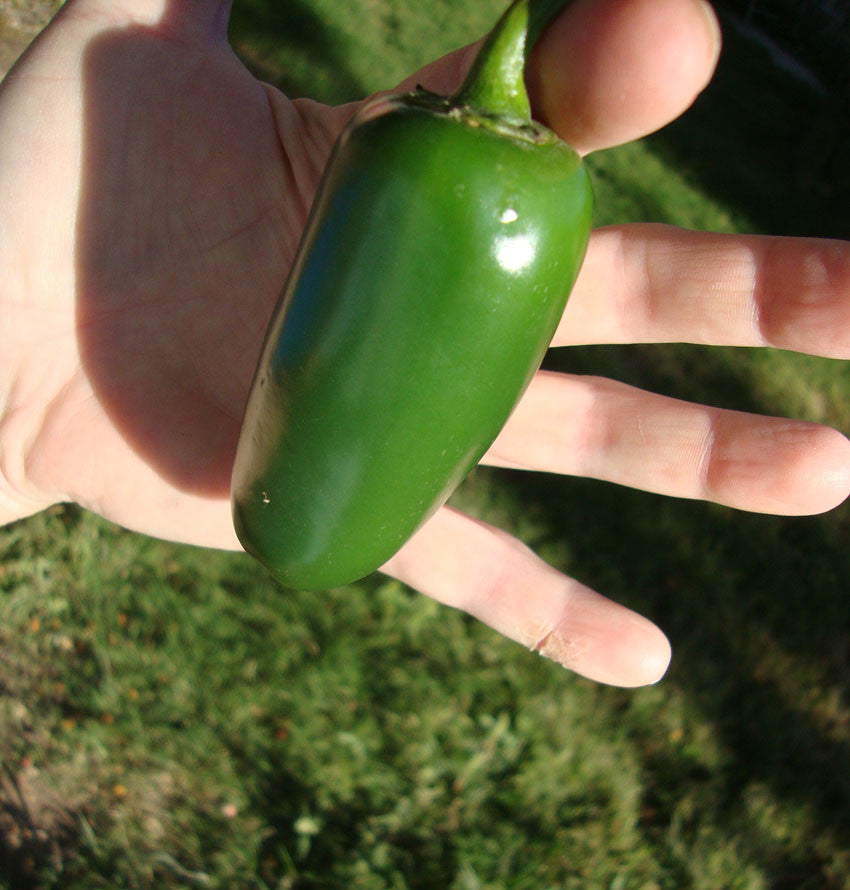
The foundation of any successful harvest, and particularly one aimed at producing outsized peppers, lies in the genetic potential of the seed. We cannot overstate the importance of this initial step. While many generic jalapeño seeds are readily available, they are often bred for hardiness and yield, not necessarily for maximum fruit size. To achieve the kind of monumental peppers we are discussing, we must start with a superior genetic blueprint. We have extensively researched and trialed numerous varieties and recommend focusing on specific strains known for their robust growth and large fruit. Varieties such as 'Jalapeño Gigante', 'Jalapeño Goliath', and certain heirloom selections are our top recommendations. These cultivars have been selectively bred over decades to produce larger, thickerwalled peppers.
We advise seeking out seeds from specialized heirloom and openpollinated seed companies. These companies often provide detailed lineage information and growing characteristics, giving us confidence in the seed’s potential. We must be wary of seeds from unknown sources or those without a clear provenance, as their genetic stability and traits may be unreliable. We recommend purchasing more seeds than are strictly necessary, a practice that allows us to perform a crucial culling process later on. By starting with a larger pool of seedlings, we can identify and select only the most vigorous, healthy, and promising young plants for transplantation. This selective pressure ensures that only the best genetics are carried forward into the main growing season, setting the stage for a truly remarkable harvest.
Chapter 2: The Perfect Progeny Seed Starting and Selection
Once we have secured our superior seeds, the next phase is to give them the best possible start in life. We begin our process by sowing seeds indoors, approximately 810 weeks before the last expected frost date. This timing is critical, as it provides the seedlings with ample time to develop a strong root system before being moved outdoors. We use a highquality seedstarting mix, ensuring it is sterile and free from pathogens. We find that a mix of coco coir, fine peat moss, and perlite provides the ideal balance of moisture retention and aeration, which is crucial for delicate seedlings.
We sow seeds in individual cells or small pots to minimize root disturbance during transplanting. We place the pots on a heat mat to maintain a consistent soil temperature of 8085°F (2729°C), which significantly improves germination rates and speed. We use a humidity dome to keep the moisture levels high, creating a miniature greenhouse effect. Once the seedlings emerge, we immediately remove the dome and place them under fullspectrum grow lights. We ensure the lights are positioned just a few inches above the seedlings to prevent them from becoming leggy and weak.
During the seedling phase, we perform a crucial selection process. We observe the seedlings daily, looking for signs of vigorous growth, strong stems, and healthy, deep green cotyledons. We gently but firmly remove any seedlings that appear stunted, weak, or slow to develop. This culling process is nonnegotiable for anyone serious about growing colossal peppers. By selecting only the most robust individuals, we are ensuring that all our future efforts are invested in plants with the highest probability of success. After about 46 weeks, when the seedlings have developed at least two sets of true leaves, we carefully transplant them into larger pots (34 inches) to continue their development.
Chapter 3: Mastering the Medium Soil and Substrate Preparation
A jalapeño plant is only as good as the soil it grows in. The soil provides not only physical support but also the vital nutrients and microbial life that fuel the plant’s explosive growth. We advocate for a multicomponent soil mix that provides the ideal balance of structure, fertility, and drainage. Our preferred mix consists of highquality, wellaged compost, peat moss, and a generous amount of perlite or vermiculite.
The compost is the powerhouse of our soil mix. It introduces a rich, slowrelease source of macro and micronutrients, as well as a diverse community of beneficial microbes. These microbes work in symbiosis with the plant's roots, improving nutrient uptake and overall plant health. Peat moss is used for its exceptional moistureretention capabilities, while the perlite or vermiculite ensures the soil remains light, airy, and welldraining. We have found that poor drainage is a common cause of stunted growth and root rot, and we take great care to avoid it.
We meticulously test our soil’s pH. Jalapeño plants thrive in a slightly acidic to neutral range of 6.0 to 7.0. We use a digital pH meter for accuracy and adjust the pH as needed, using garden lime to raise it or elemental sulfur to lower it. We also recommend incorporating organic amendments such as bone meal for phosphorus and kelp meal for potassium and micronutrients at the time of planting. These amendments provide a slowrelease source of nutrients that will support the plant through its entire life cycle. For container gardening, we use a similar, welldraining potting mix, ensuring the containers are large enough to accommodate the plant’s extensive root system. A 5gallon container is a good starting point for a single jalapeño plant, but a 10gallon container will offer even more room for root expansion, which directly correlates to larger fruit production.
Chapter 4: The Art of Environment Sunlight, Temperature, and Water
The environmental factors of sunlight, temperature, and water are the primary drivers of growth for any pepper plant. We must provide an environment that is not just sufficient but optimally conducive to growth.
Sunlight is nonnegotiable. Jalapeño plants are sunworshippers and require a minimum of 6 to 8 hours of direct, unfiltered sunlight per day. A plant receiving less than this will struggle to photosynthesize effectively, resulting in weak growth and smaller, less numerous fruit. We position our plants in the sunniest part of the garden, free from the shade of larger plants or structures.
Temperature plays a crucial role. Jalapeños thrive in warm conditions, with an ideal temperature range of 7085°F (2129°C) during the day and no lower than 60°F (15°C) at night. We use a simple thermometer to monitor the soil and air temperatures, and we are vigilant about protecting our plants from unexpected cold snaps. For earlyseason planting, we use cloches or row covers to maintain warmth.
Watering is a delicate dance. We believe in deep, infrequent watering rather than light, frequent watering. This technique encourages the roots to grow downwards, seeking moisture deep in the soil. A plant with a deep and extensive root system is more resilient to drought and far more efficient at absorbing nutrients, which is a key factor in growing large peppers. We allow the top inch of soil to dry out completely before we water again. We use a moisture meter to guide our watering schedule, ensuring we never overwater, which can lead to root rot. We also recommend watering at the base of the plant in the morning to allow the leaves to dry completely, which helps prevent fungal diseases.
Chapter 5: Nutritional Alchemy Advanced Fertilization Strategies
While a rich soil provides a strong foundation, the demands of growing colossal peppers necessitate a more proactive approach to fertilization. We have developed a comprehensive nutrient regimen that provides the plant with exactly what it needs at each stage of its life cycle.
During the vegetative growth phase, which spans from transplanting to the onset of flowering, the plant's primary focus is on developing a strong root system and a robust canopy. During this phase, we use a balanced, allpurpose fertilizer with a slightly higher nitrogen (N) content to promote healthy foliage growth. We prefer organic, slowrelease granular fertilizers mixed into the soil at the time of planting, supplemented with a liquid fertilizer every 23 weeks.
As the plant transitions into the flowering and fruiting phase, its nutritional needs shift dramatically. The focus is no longer on foliage but on flower production and fruit development. We switch to a fertilizer with a higher phosphorus (P) and potassium (K) content, and lower nitrogen. Phosphorus is essential for flower and fruit development, and potassium is crucial for overall plant health, disease resistance, and fruit quality. We use a liquid fertilizer with a NPK ratio such as 51010 or 284, applied every two weeks. We also supplement with micronutrients, particularly calcium and magnesium, which are vital for preventing issues like blossom end rot.
We also believe in the power of foliar feeding. We use a diluted seaweed or fish emulsion spray, applied to the leaves once every 34 weeks. This provides a quick boost of micronutrients and amino acids, which can stimulate growth and improve the plant's stress tolerance. We are meticulous in our application, ensuring we do not overfertilize, as this can lead to nutrient burn and stunted growth. We view our fertilization strategy as a constant, responsive process, adjusting our application based on the plant's health and the stage of its development.
Chapter 6: The Proactive Grower Pruning and Fruit Thinning
This is where we separate the average gardener from the master cultivator. The techniques of pruning and fruit thinning are advanced strategies that directly influence the size of the final fruit. They are methods that require a confident hand and a clear understanding of the plant's energy allocation.
Pruning is a strategic act of removal. We begin by removing the first flower bud that appears. This practice, often called "topping" or "pinching back," forces the plant to focus its energy on growing a stronger, more complex branch structure rather than on producing an early, small pepper. A stronger plant framework is capable of supporting more, and larger, fruit later in the season. We also perform a more extensive pruning, known as "suckering," where we remove branches that are growing inward or low on the plant. This improves air circulation, reduces the risk of fungal diseases, and, most importantly, directs the plant's energy to the main branches that are poised to bear fruit.
Fruit thinning is a similarly critical process. We understand that a single jalapeño plant has a finite amount of energy it can allocate to fruit production. If we allow the plant to set and develop dozens of small peppers, each one will be competing for the same limited resources, resulting in a harvest of many small chiles. To grow truly colossal peppers, we must be selective. When the peppers are still very small, no larger than a pinky finger, we carefully thin them out. We aim to remove roughly onethird to onehalf of the developing peppers, leaving the largest and bestpositioned ones to continue growing. This practice dramatically reduces the plant's overall fruit load, allowing the remaining peppers to absorb a disproportionately large share of the plant's resources, leading to phenomenal growth and size. We monitor the plant’s progress and may perform multiple thinning rounds throughout the season to ensure optimal energy distribution.
Chapter 7: The Vigilant Protector Pest and Disease Management
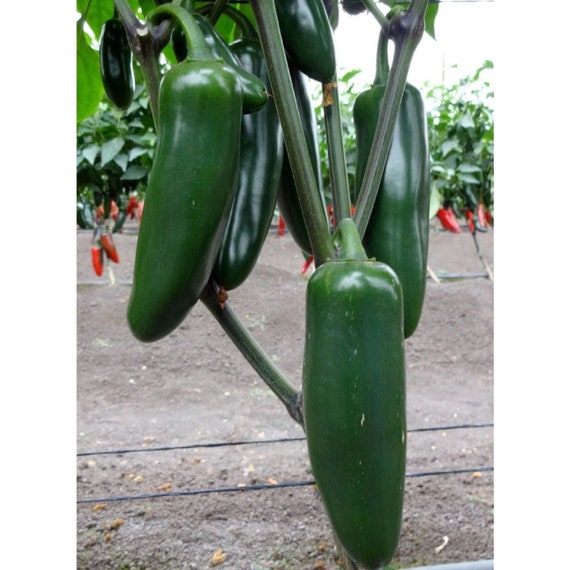
A large, healthy pepper plant is a beacon for pests. We must be evervigilant and proactive in our approach to pest and disease management. We do not wait for a problem to escalate; we prevent it from taking hold.

Our strategy is built on Integrated Pest Management (IPM). We begin with prevention. We ensure our plants are healthy and robust, as a strong plant is naturally more resistant to pests and diseases. We use beneficial companion plants, such as basil or marigolds, which can deter certain insects. We also encourage beneficial insects, such as ladybugs and lacewings, to take up residence in our garden.
Our daily routine includes a thorough inspection of our plants. We look for the telltale signs of common pepper pests, such as aphids, spider mites, and whiteflies. We pay close attention to the undersides of leaves, where these pests often hide. If we find a small infestation, we act immediately. We prefer to start with a gentle, organic solution, such as a strong blast of water from the hose to dislodge the pests or a homemade insecticidal soap spray. For more persistent issues, we use Neem oil, a natural and effective pesticide that can disrupt the life cycle of many common pests. We apply Neem oil in the early morning or late evening to avoid burning the leaves and to ensure we do not harm beneficial pollinators.
For diseases, our primary focus is on prevention. We ensure our plants have excellent air circulation by proper spacing and pruning. We water at the base of the plant to keep the foliage dry, which is a major factor in preventing fungal diseases like powdery mildew. If we see any signs of disease, such as yellowing leaves or spots, we immediately remove and dispose of the affected parts. We sterilize our gardening tools between each plant to prevent the spread of pathogens. This diligent, proactive approach ensures that our plants remain vibrant, healthy, and capable of producing the colossal peppers we are aiming for.
Chapter 8: The Finishing Touch Mulching and Harvesting
We are in the home stretch, and a few final practices can make all the difference in the final quality and size of our peppers.
Mulching is an underappreciated but highly effective technique. We apply a 24 inch layer of organic mulch, such as wood chips, straw, or compost, around the base of our plants. This mulch serves multiple critical functions. It helps to conserve soil moisture, reducing the need for frequent watering. It suppresses weed growth, eliminating competition for valuable nutrients. It also helps to regulate soil temperature, keeping the roots cool in the heat of summer. As the organic mulch breaks down, it slowly adds fertility back into the soil, creating a selfsustaining cycle of nourishment.
Harvesting is the culmination of all our hard work. We know a pepper is ready to be harvested when it reaches a magnificent size and takes on a deep, rich green color. While some people prefer to wait until the jalapeño turns red, which indicates a sweeter and hotter flavor, we harvest our colossal specimens at the green stage to encourage the plant to continue producing more fruit. We use a sharp pair of shears or a knife to cut the pepper from the plant, leaving a small piece of the stem attached. We never pull the peppers, as this can damage the plant and hinder future production.
We believe that by meticulously following these steps—from selecting the perfect seed to the final act of harvesting—we can transform our garden into a producer of truly colossal, magnificent, and incredibly flavorful jalapeño peppers. This is not just gardening; it is a dedication to excellence, a pursuit of perfection, and a testament to the power of knowledge and diligent care. We are confident that by applying these principles, you too will be able to outrank the competition and produce a harvest that will be the envy of every pepper enthusiast.


Comments
Post a Comment