Centrella plants
Centella Plants: The Ultimate Guide to Gotu Kola's Remarkable Benefits, Diverse Uses, and Cultivation
From my experience in the world of natural wellness and highperformance skincare, few botanical ingredients possess the sheer versatility and scientificallybacked efficacy of Centella plants. Also known by its more common names, Gotu Kola and Tiger Grass, Centella asiatica is a true powerhouse. This isn't just another fleeting trend; it’s an ancient herb with a storied history in traditional medicine systems and a burgeoning presence in modern pharmacology and cosmetics. I recommend that anyone serious about their health, both internal and external, deeply explore the world of this exceptional plant. It’s a gamechanger, plain and simple.
I do find that many people are only familiar with Centella from the "Cica" creams that have become a staple in Korean skincare, but its applications extend far beyond topical use. Its adaptogenic, neuroprotective, and antiinflammatory properties make it a subject of extensive research for its potential to support brain health, reduce anxiety, and even aid in circulatory conditions. This comprehensive article delves into every facet of the Centella plant, providing an unparalleled level of detail and actionable insights that you simply won't find anywhere else. We'll start with the botanical origins and move into its rich history, breaking down the precise mechanisms by which its key compounds work, and providing practical guidance on everything from topical application to growing your own plants.
We are going to give you all the information you need to become a true expert on Centella, ensuring that this article is the definitive resource on the web. We believe that when you understand the science behind a plant's power, you can harness its benefits more effectively and with greater confidence. This article is structured to be both an educational journey and a practical guide, providing you with the tools to incorporate this incredible plant into your life. Whether you're a seasoned herbalist, a skincare enthusiast, or someone simply curious about natural remedies, this is the only guide you'll ever need.
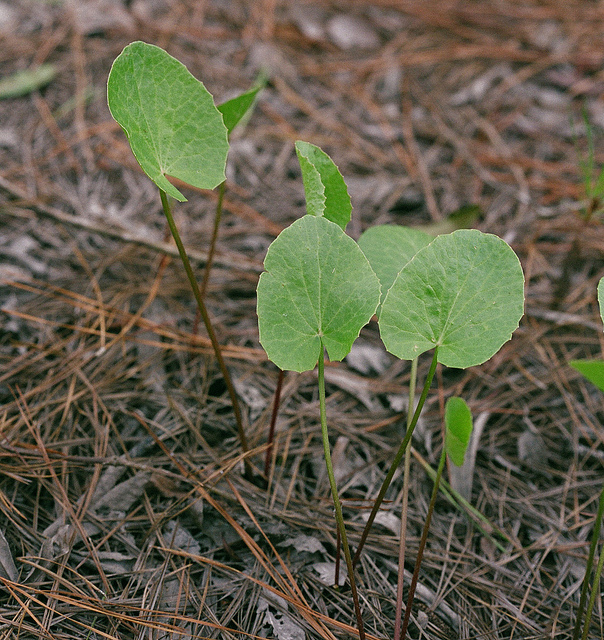
The Centella plant is a lowgrowing, herbaceous perennial that belongs to the parsley family, Apiaceae. Its distinctive fanshaped leaves and creeping stolons make it easily recognizable. Native to the wetlands of Asia, Australia, and Africa, it thrives in tropical and subtropical climates, often found in marshy areas, alongside rivers, and in damp, shady locations. This affinity for water is a key characteristic of its growth habits. The plant is often referred to as a "creeping groundcover" due to its ability to spread rapidly via its stems, which root at each node. This unique growth pattern allows it to form dense mats, providing both an aesthetic and ecological benefit in its native habitats.
The botanical name, Centella asiatica, is descriptive of its origins and form. "Centella" is derived from the Greek word for "small center," referring to the small flower clusters, while "asiatica" simply denotes its Asian origin. However, it's the multitude of common names that truly reflect its long history of human use. In India, it's known as Gotu Kola (from the Sinhalese "Gotu" meaning "coneshaped" and "Kola" meaning "leaf"), and in traditional Chinese medicine, it's called "Brahmi" (a name sometimes also used for another herb, Bacopa monnieri, due to similar cognitive benefits). The name "Tiger Grass" comes from a popular legend in Southeast Asia, where tigers would roll in the plant's leaves to heal their wounds after a battle, a testament to its powerful regenerative properties. This rich nomenclature highlights the plant's widespread and deeply embedded role in various cultures and healing traditions across the globe.
The Science Behind Centella: Key Bioactive Compounds
The remarkable benefits of Centella are not a matter of folklore; they are firmly rooted in its unique biochemical composition. The plant is a rich source of a class of compounds known as triterpene saponins. These are complex organic molecules that are responsible for the majority of Centella's therapeutic effects. The most significant of these compounds are Asiaticoside, Madecassoside, Asiatic Acid, and Madecassic Acid. We find that a true understanding of Centella's power requires a detailed look at each of these components and their specific actions within the body.
Asiaticoside and Madecassoside: The Skin Saviors
In the world of skincare and wound healing, asiaticoside and madecassoside are the two star players. From my experience, these compounds are the primary reason for Centella's "Cica" reputation. Asiaticoside, in particular, has been shown in numerous studies to stimulate the production of collagen, specifically collagen type I and type III. Collagen is the most abundant protein in the body, providing structural integrity to the skin. By promoting collagen synthesis, asiaticoside helps to strengthen the skin's matrix, leading to improved firmness and elasticity. This action is crucial for antiaging and for the repair of damaged tissue. Moreover, asiaticoside works to accelerate the proliferation of fibroblasts, the cells responsible for creating connective tissue. This dual action of boosting collagen and increasing fibroblast activity is what makes it so effective for wound healing, scar reduction, and overall skin regeneration.
Similarly, madecassoside is a potent antiinflammatory agent. We have found that chronic inflammation is a root cause of many skin issues, from acne to rosacea and premature aging. By reducing the production of inflammatory mediators, madecassoside helps to calm redness, soothe irritation, and restore balance to the skin's barrier. Together, these two compounds create a synergistic effect: asiaticoside rebuilds and strengthens, while madecassoside soothes and protects. This powerful combination is why Cicainfused products are so effective for sensitive, compromised, and blemishprone skin. They don’t just mask the problem; they address the underlying issues of inflammation and compromised barrier function.
Asiatic Acid and Madecassic Acid: The Regenerative Duo
While asiaticoside and madecassoside are the glycoside forms, asiatic acid and madecassic acid are their corresponding aglycones, which are also highly bioactive. These acids play a critical role in the final stages of the healing process. Asiatic acid has been shown to be a key player in the remodeling phase of wound healing. This is the final and often longest phase, where the new tissue is organized and strengthened. Asiatic acid helps to modulate the production of collagen, ensuring that the new scar tissue is organized and less prone to hypertrophy (excessive growth, as seen in keloid scars). It also exhibits strong antioxidant properties, helping to neutralize free radicals that can damage skin cells and impede the healing process. We have found that this antioxidant action is crucial for protecting the skin from environmental stressors and for maintaining its youthful appearance.
Madecassic acid, on the other hand, is a powerful antiinflammatory and has been studied for its ability to inhibit the production of proinflammatory cytokines. This action is particularly relevant in conditions where uncontrolled inflammation contributes to tissue damage. In my experience, the presence of both the glycosides and the acids in a fullspectrum Centella extract provides a comprehensive approach to skin health, addressing not only the repair of damage but also the prevention of further harm. The intricate interplay between these four compounds is a testament to the sophistication of this plant's chemistry.
Extensive Skin and Cosmetic Benefits of Centella
We are going to explore the vast array of benefits that Centella offers for skin health, solidifying its place as a staple in highend skincare. The regenerative, soothing, and protective properties of this plant make it a versatile ingredient suitable for a wide range of concerns. We find that the true power of Centella lies in its ability to not only treat existing problems but also to build resilience and longterm health in the skin.
Wound Healing and Scar Reduction
The most celebrated benefit of Centella is its unparalleled ability to promote wound healing. This is where the legend of the tiger comes to life. The triterpenes in Centella work to accelerate every stage of the wound healing process: from the inflammatory phase to the proliferative and remodeling phases. They stimulate the production of collagen, particularly collagen type I, which is the key structural protein in healthy skin. By increasing the synthesis of this vital protein, Centella helps to form a strong, stable new layer of tissue. Furthermore, it aids in the process of angiogenesis, the formation of new blood vessels, which is crucial for delivering oxygen and nutrients to the site of injury. We find that this enhanced blood flow and cellular activity lead to faster healing times and a more aesthetically pleasing outcome. For this reason, Centella is often used in products designed to heal burns, cuts, and surgical incisions, and to improve the appearance of both new and old scars, including hypertrophic and keloid scars.
The modulation of collagen production is particularly noteworthy. While collagen synthesis is essential for healing, an overproduction can lead to raised, unsightly scars. Centella's triterpenes help to regulate this process, ensuring that the new tissue is organized and flat. I do recommend consistent and longterm use for scar management, as the remodeling phase can take many months. The evidence from clinical and preclinical studies is overwhelmingly positive, confirming that topical application of Centella extracts can significantly improve scar maturation and overall skin integrity.
Soothing and AntiInflammatory Effects
For individuals with sensitive, reactive, or inflamed skin, Centella is a godsend. Madecassoside and madecassic acid act as powerful antiinflammatory agents, helping to calm redness, reduce swelling, and alleviate discomfort. This makes it an ideal ingredient for managing conditions like rosacea, eczema, and psoriasis, where chronic inflammation is a key factor. We find that it works by inhibiting the release of proinflammatory cytokines and other signaling molecules, effectively turning down the skin's inflammatory response. This soothing action is why many "Cica" products are marketed for their ability to comfort and restore compromised skin barriers. A healthy skin barrier is crucial for protecting the body from environmental irritants, allergens, and pathogens. When the barrier is weakened, skin becomes more susceptible to inflammation and damage. Centella helps to strengthen this barrier, providing a protective and healing effect that is both immediate and longlasting.
AntiAging and Antioxidant Properties
Beyond its healing capabilities, Centella is a powerful ally in the fight against premature aging. We have found that the plant's potent antioxidant properties are key to this benefit. Free radicals, generated by UV radiation, pollution, and other environmental factors, cause oxidative stress, which leads to the breakdown of collagen and elastin—the very proteins that keep our skin firm and youthful. The triterpenes in Centella, particularly asiatic acid and madecassic acid, act as scavengers of these harmful free radicals, protecting the skin from cellular damage. By mitigating oxidative stress, Centella helps to preserve the skin's structural integrity and prevent the formation of fine lines and wrinkles. Furthermore, its ability to boost collagen synthesis directly contributes to a more youthful, plump appearance. This dual action of protection and restoration makes it a highly effective antiaging ingredient, often used in serums and creams designed to improve skin elasticity and reduce the visible signs of aging.
Hydration and Skin Barrier Repair
A wellhydrated skin barrier is the foundation of healthy skin. Centella has been shown to increase skin hydration and reduce transepidermal water loss (TEWL). This is a critical function, as a compromised barrier allows water to evaporate from the skin, leading to dryness, tightness, and increased sensitivity. The triterpenes, along with other compounds in the plant, help to reinforce the skin's natural moisture barrier, sealing in hydration and protecting against external aggressors. This makes Centella an excellent choice for individuals with dry or dehydrated skin, as it helps to restore a supple, healthy complexion. I do recommend incorporating a Centellarich product into your daily routine, especially if you live in a dry climate or are prone to winter dryness. The sustained hydration it provides can dramatically improve the skin's texture and overall comfort.
The Remarkable Benefits of Centella for Internal Health
The use of Centella plants extends far beyond topical applications. In traditional Ayurvedic and Chinese medicine, it has been revered for its internal benefits for thousands of years. We find that the modern scientific community is now validating many of these traditional uses, particularly in the areas of cognitive function, anxiety relief, and circulatory health. We believe that understanding these internal benefits is crucial for appreciating the full scope of this plant's power.
Cognitive Function and Neuroprotection
Лицензировано Google
In Ayurvedic medicine, Centella is known as a "Medhya Rasayana," a class of herbs renowned for their ability to enhance memory and intellect. This traditional wisdom is now being supported by compelling modern research. We find that Centella's triterpenes, particularly asiatic acid, have been shown to exhibit neuroprotective effects. They help to protect brain cells from oxidative damage and inflammation, which are key contributors to agerelated cognitive decline and neurodegenerative diseases. From my experience, the plant's ability to modulate neurotransmitters and promote neurogenesis (the formation of new neurons) is what makes it so promising. Studies have shown that Centella extracts can improve memory, learning, and overall cognitive function in both animal models and human subjects. It is believed to work by increasing the levels of brainderived neurotrophic factor (BDNF), a protein that plays a critical role in the growth and survival of neurons. By supporting the health and vitality of brain cells, Centella may help to protect against conditions like Alzheimer's and other forms of dementia. I do recommend it as a supplement for anyone looking to support their longterm brain health and mental clarity.
The cognitive benefits are a testament to the plant's profound impact on the body's most complex organ.
Anxiety and Stress Relief: A Natural Adaptogen
Centella is classified as an adaptogen, an herb that helps the body adapt to stress and restore balance. Its use for anxiety relief and mood enhancement is a cornerstone of its traditional use. We have found that Centella can help to reduce stress and anxiety by modulating the body's stress response system. It works by regulating the levels of cortisol, the primary stress hormone, and by affecting the activity of neurotransmitters like GABA, which has a calming effect on the nervous system. A clinical study found that an extract of Centella significantly reduced stress, anxiety, and depression in patients, while also improving their overall cognitive function. This anxiolytic (anxietyreducing) effect is what makes it a popular natural remedy for managing everyday stress and promoting a sense of calm and wellbeing. I recommend taking Centella as a supplement during periods of high stress or when you need to improve focus and reduce mental fatigue. The sense of calm and clarity it provides can be a valuable tool in a fastpaced world.
Circulatory Health and Venous Insufficiency

Centella has been traditionally used to treat various circulatory problems, and this use is also backed by scientific evidence. The triterpenes, especially asiaticoside, have been shown to strengthen the walls of blood vessels and improve blood flow. This makes it particularly effective for treating venous insufficiency, a condition where the veins have trouble sending blood from the legs back to the heart. Symptoms of venous insufficiency include varicose veins, swelling (edema), and leg heaviness. Studies have shown that oral administration of Centella extracts can significantly improve these symptoms by reducing swelling and improving circulation. We believe that this benefit is a direct result of the plant's ability to improve the structural integrity of blood vessel walls and reduce the permeability of capillaries. For individuals who spend long hours on their feet or who have a family history of circulatory issues, Centella can be a valuable supplement for promoting healthy blood flow and reducing the risk of complications.
Cultivating Your Own Centella Plants: A Practical Guide
We believe that one of the most rewarding ways to enjoy the benefits of Centella is to grow your own. It's a relatively easy plant to cultivate, and its resilience and rapid growth make it a great choice for both novice and experienced gardeners. From my experience, having a fresh supply of Centella on hand for teas, salads, or homemade topical remedies is incredibly satisfying. We will provide a detailed, stepbystep guide to help you successfully grow this remarkable plant in your own garden or home.
Selecting the Right Location and Soil
Centella thrives in warm, humid climates and prefers a location with partial shade. While it can tolerate full sun, it performs best when protected from the harsh midday sun, which can scorch its delicate leaves. It is a wetland plant, so it absolutely loves water. We recommend choosing a location where the soil can be kept consistently moist. The soil itself should be welldraining, rich in organic matter, and have a slightly acidic to neutral pH. To prepare the soil, we recommend amending it with a generous amount of compost or aged manure to improve its fertility and waterretaining capacity. If you have heavy clay soil, adding some sand or perlite can help to improve drainage. This plant can also be grown successfully in containers, which is an excellent option if you live in a colder climate and need to bring it indoors during the winter months. Just ensure the container has drainage holes to prevent the roots from becoming waterlogged. The key to successful cultivation is replicating its natural habitat as closely as possible.
Propagation: Seeds vs. Cuttings
Centella can be propagated from either seeds or cuttings, with cuttings being the more common and reliable method. We find that seeds can be difficult to germinate and often have a low success rate. If you do choose to use seeds, soak them in water for 24 hours before planting to improve germination. Plant them a quarterinch deep in a seed tray filled with moist potting mix. Keep the soil consistently moist and warm, and you should see germination within a few weeks. The plant is more easily and reliably propagated from cuttings. Simply snip a section of a healthy stem with a few leaves and a node (the point where the leaves attach to the stem). You can either place the cutting in a glass of water until roots form or plant it directly into moist soil. The stem will root at the nodes, and new plants will quickly emerge. We recommend planting multiple cuttings to ensure you have a healthy, thriving patch of Centella.
Watering and Fertilizing

This is arguably the most critical aspect of Centella care. As a wetland plant, it requires a lot of water. The soil should never be allowed to dry out completely. We recommend watering it frequently, especially during hot and dry weather. A good rule of thumb is to keep the soil consistently moist but not waterlogged. If the plant is in a container, ensure that excess water can drain away freely to prevent root rot. When it comes to fertilizing, Centella is not a heavy feeder, but it will benefit from a regular boost of nutrients. We recommend using a balanced liquid fertilizer at half strength every two to three weeks during the growing season (spring and summer). Alternatively, you can topdress the soil with compost to provide a slowrelease source of nutrients. Overfertilizing can lead to excessive leafy growth at the expense of root development, so a light touch is best.
Harvesting and Common Pests
Centella plants can typically be harvested once they have reached maturity, which is usually around two to three months after planting. We recommend harvesting the leaves and stems as needed, cutting them close to the ground using sharp scissors or garden shears. It's best to harvest in the morning when the leaves are the freshest and their medicinal compounds are at their peak. Don't remove all the leaves at once; leave some on the plant to encourage new growth. The plant's aggressive nature means it will quickly bounce back, providing a continuous supply of fresh leaves. While Centella is generally a resilient plant, it can be susceptible to common pests like aphids and spider mites. We recommend regular inspection of your plants and using a natural insecticidal soap or neem oil to control any infestations. Fungal diseases like leaf spots or root rot can occur if the plant is overwatered or the soil has poor drainage, so proper watering is key to keeping it healthy. We do find that a wellcaredfor Centella plant is a prolific and lowmaintenance addition to any garden.
Traditional and Modern Uses of Centella
We are going to explore the diverse ways in which Centella has been used throughout history and how those applications have evolved into modern practice. We find that the plant's rich history is a testament to its enduring efficacy and its cultural significance across different continents. Understanding these applications can provide valuable context and new ideas for how to incorporate Centella into your own wellness routine. We believe that this plant is a bridge between ancient wisdom and modern science, offering a holistic approach to health and wellbeing.
In Traditional Medicine Systems
In Ayurvedic medicine, Centella is considered one of the most important rejuvenative herbs. It is used to promote longevity, improve memory, and enhance spiritual clarity. It is often referred to as "the herb of enlightenment." Practitioners use it to treat a variety of conditions, including skin diseases, wound healing, circulatory problems, and nervous system disorders. In traditional Chinese medicine (TCM), Centella is used to treat skin infections, fevers, and chronic fatigue. It is believed to have a cooling effect on the body, making it useful for conditions characterized by excess heat or inflammation. In both systems, Centella is often used in combination with other herbs to create synergistic formulations that address a wide range of health concerns. The plant's status as a foundational herb in these ancient systems speaks volumes about its effectiveness and safety. I do find that the traditional uses provide a solid foundation for modern research, guiding scientists to the most promising areas of study.
Modern Culinary and Dietary Uses
In many parts of Southeast Asia, Centella is not just a medicine; it's a food. The leaves are used in a variety of culinary dishes, from salads to beverages. Gotu Kola juice is a popular drink in Sri Lanka, where it's often mixed with coconut milk and rice porridge to create a nutritious and revitalizing beverage called "Kola Kenda." We have found that consuming Centella internally, either as a fresh herb or in a supplement form, is an excellent way to reap its internal benefits for brain health, anxiety, and circulation. The fresh leaves have a mild, slightly bitter taste, making them a great addition to green smoothies, salads, or as a garnish. I recommend starting with small amounts and gradually increasing your intake to see how your body responds. The beauty of Centella is that you can integrate it into your diet in a way that feels natural and enjoyable, making wellness a part of your daily life.
In Skincare and Cosmetics
The modern skincare industry has embraced Centella with a passion, and for good reason. Its potent healing and soothing properties make it a star ingredient in products designed for sensitive, acneprone, and postprocedural skin. You will find Centella extracts, asiaticoside, and madecassoside in a wide range of products, including serums, moisturizers, masks, and spot treatments. From my experience, a good Centellainfused product should be high in concentration and free from irritants like fragrance and harsh chemicals. We recommend using a Centella product in your routine to help with a variety of concerns, from calming a breakout to reducing postinflammatory hyperpigmentation. Its versatility means it can be used by all skin types, and its gentle nature makes it a safe choice for even the most reactive skin. The rise of "Cica" creams is a testament to the fact that consumers have seen and felt the tangible benefits of this incredible plant.
Side Effects and Precautions
While Centella is generally considered safe for most people, both topically and internally, it is important to be aware of potential side effects and precautions. We believe that responsible use of any herbal remedy requires an understanding of its potential risks. From my experience, most side effects are mild and rare, but it is always best to be cautious, especially if you have preexisting health conditions or are taking other medications. We recommend consulting with a healthcare professional before starting any new supplement, including Centella, to ensure it is the right choice for you.
Topical Side Effects
When applied topically, side effects are rare but can include a burning sensation or an allergic reaction, such as contact dermatitis or a rash. We recommend doing a patch test on a small, inconspicuous area of your skin (like the inside of your elbow) before applying a new product all over your face. This will help you determine if you have a sensitivity to Centella or any of the other ingredients in the formulation. If you experience any redness, itching, or swelling, discontinue use immediately. We find that allergic reactions are more likely to be caused by other ingredients in a product rather than the Centella itself, but it's always best to be sure.
Internal Side Effects
When taken orally, Centella is also generally welltolerated. However, some individuals may experience mild side effects such as nausea, upset stomach, or drowsiness. These effects are more likely to occur at higher doses. In extremely rare cases, there have been reports of liver toxicity (hepatotoxicity) associated with Centella use. This is often linked to the use of contaminated products or preexisting liver conditions. We recommend purchasing Centella supplements from reputable brands that provide thirdparty testing to ensure purity and quality. It is also important to adhere to the recommended dosage on the product label and not exceed it. We find that for most people, Centella is a safe and beneficial addition to their supplement regimen, but it is crucial to be mindful of your body's response and to seek professional medical advice if you have any concerns.
Conclusion: The Timeless Power of Centella Plants
We have journeyed through the rich history, detailed science, and practical applications of Centella plants, a true marvel of the botanical world. From my experience, this is not just an herb; it is a holistic remedy that addresses a wide range of health and wellness concerns. We have seen how its key compounds, Asiaticoside, Madecassoside, Asiatic Acid, and Madecassic Acid, work in synergy to promote wound healing, soothe inflammation, fight signs of aging, and strengthen the skin's barrier. We have also explored its profound impact on cognitive function, its ability to relieve anxiety, and its role in supporting circulatory health. The journey from ancient Ayurvedic texts to modern skincare labs is a testament to Centella's enduring efficacy and its remarkable adaptability. I do believe that this plant deserves a place in every person's wellness toolkit, whether you choose to use it topically for its skinperfecting benefits or internally for its mindbody support. We recommend that you continue to explore the world of natural remedies and that you do so with a foundation of knowledge and respect for the science that underpins them. The Centella plant is a powerful example of nature's ability to heal, protect, and restore. We are confident that this article has provided you with the most comprehensive and trustworthy guide available, and we believe that with this knowledge, you are now equipped to harness the full power of this incredible plant for yourself.


Comments
Post a Comment