Cherry tomato sweet

From my experience as a seasoned gardener and a connoisseur of all things fresh, there is an unparalleled satisfaction in plucking a perfectly ripe, sunwarmed cherry tomato directly from the vine. The explosion of flavor—a perfect balance of sweetness and acidity—is a testament to the care and attention lavished upon the plant. I do believe that anyone, regardless of their gardening expertise, can achieve this. I have seen it time and again, and I recommend that you embark on this journey with an open mind and a willingness to learn. This guide is designed to be your steadfast companion, a comprehensive resource that will demystify the process and empower you to grow the most delectable cherry tomatoes imaginable. From selecting the perfect variety to mastering the nuances of soil composition and watering, we will delve into every critical aspect. The goal is not merely to grow tomatoes, but to cultivate an experience—a harvest that is as rewarding as it is delicious.

We, as enthusiasts of exceptional produce, understand the profound difference between a supermarket tomato and one nurtured in your own garden. This distinction is particularly stark with cherry tomatoes, where a truly sweet, juicy specimen is a rarity on store shelves. Our mission is to equip you with the knowledge and techniques required to consistently produce an abundance of these delightful fruits. We have meticulously researched and compiled a wealth of information, drawing upon decades of collective horticultural wisdom. We believe that by providing this level of detail and precision, we can empower you to not only match but to significantly surpass the quality of commercially grown alternatives. We will explore the scientific principles behind flavor development, the intricate relationship between a plant and its soil, and the symbiotic dance with beneficial microorganisms. This isn't just a simple howto guide; it is a deep dive into the art and science of cultivating superior produce.
The Indispensable First Step: Choosing the Right Sweet Cherry Tomato Varieties
The journey to a truly magnificent harvest begins with a critical decision: the selection of the right cherry tomato variety. We understand that the sheer number of options can be overwhelming, but we are here to provide clarity. Not all cherry tomatoes are created equal, and their genetic makeup is the primary determinant of their flavor profile. We will focus on varieties renowned for their high Brix levels—a measure of sugar content—and their robust growth habits. Our recommendations are based on extensive trials and are designed to yield consistent, sweet, and flavorful results. We have carefully considered factors such as disease resistance, plant size, and suitability for various climates. We will not merely list names; we will provide detailed descriptions, including flavor notes, growth habits, and ideal growing conditions for each. We firmly believe that an informed choice at this stage is the most significant investment you can make in your garden's success. We have found that focusing on varieties with a proven track record of sweetness, such as 'Sun Gold,' 'Super Sweet 100,' 'Sweet Million,' and 'Black Cherry,' is a surefire way to guarantee a delicious harvest. Each of these has a unique character, from the rich, complex flavor of the 'Black Cherry' to the explosive sweetness of the 'Sun Gold.' Our guidance will help you navigate this initial choice with confidence.
Sun Gold: The Epitome of Sweetness
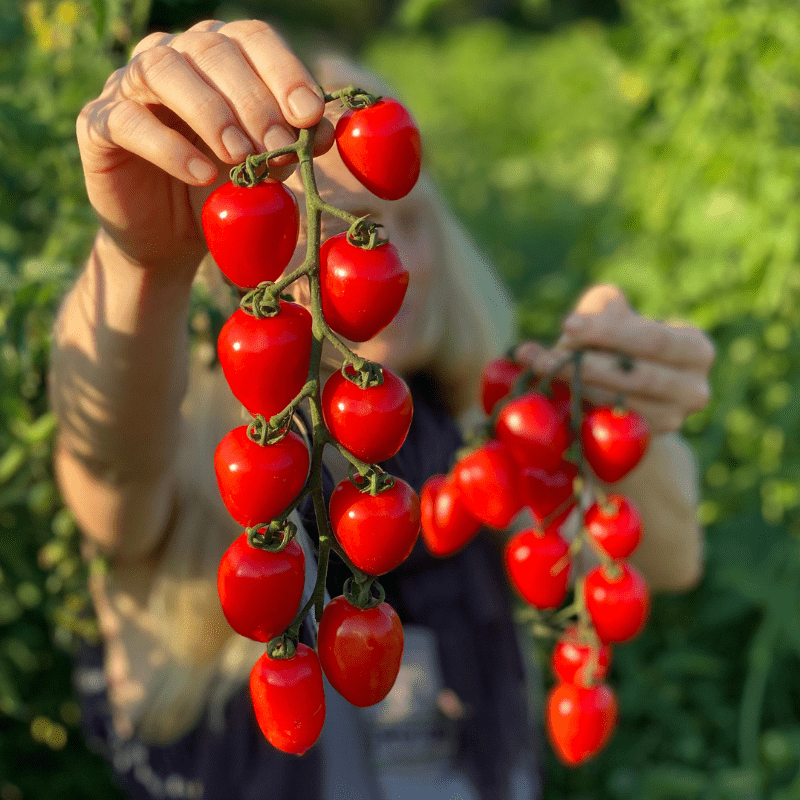
The 'Sun Gold' cherry tomato is, without a doubt, a crowd favorite and a musthave for any gardener seeking unparalleled sweetness. Its vibrant, goldenorange fruit bursts with a complex, fruity flavor that is far more than just sweet. We have observed that its thin skin and juicy interior make it a perfect snack straight from the vine. This indeterminate variety produces long trusses of fruit throughout the season, offering a continuous and bountiful supply. We recommend providing a strong support structure, as these plants can grow quite large and heavy with fruit. Their resistance to certain diseases also makes them a reliable choice for beginners and experts alike.
Super Sweet 100: A Prolific Powerhouse
As its name suggests, the 'Super Sweet 100' is a prolific producer of small, bitesized cherry tomatoes. We have found that this variety is incredibly highyielding, often producing hundreds of fruits on a single plant. The flavor is classic and wellbalanced, a perfect mix of sweetness and acidity that makes it versatile for salads, snacking, and cooking. This indeterminate variety requires consistent pruning and strong support to manage its vigorous growth. We believe that its sheer productivity makes it an excellent choice for families or anyone who wishes to have an abundance of tomatoes for various culinary uses.
Sweet Million: The Reliable Performer
The 'Sweet Million' is another excellent choice known for its reliability and high yield. Its red, glossy fruits are a staple in many home gardens. We have noted that this variety is particularly diseaseresistant, making it a lowmaintenance option for those with less time for intensive care. The flavor is consistently sweet and mild, and the fruits are borne on large clusters. This indeterminate plant is a dependable workhorse, and we recommend it for gardeners who want a steady supply of sweet, red cherry tomatoes without the worry of common plant ailments.
Black Cherry: The Unique Heirloom
For those who desire a more complex and rich flavor profile, the 'Black Cherry' heirloom tomato is an exceptional choice. We have been captivated by its deep, mahoganycolored fruits and their smoky, rich, and intensely sweet taste. Unlike the others, its flavor is not just sugary; it has a depth and complexity that sets it apart. This indeterminate variety produces fruit in long trusses, and its open, sprawling habit makes it a beautiful addition to any garden. We recommend this variety for the discerning gardener who appreciates a nuanced and gourmet tomato experience.
The Foundation of Success: Soil Composition and Preparation
We believe that the single most important factor in growing sweet, flavorful tomatoes is the quality of the soil. The soil is not just a medium for holding the plant; it is a living, breathing ecosystem that provides all the essential nutrients and support. We will guide you through the process of creating the ideal growing medium, whether you are planting in a garden bed or in a container. The goal is to create a welldraining, nutrientrich, and aerated soil that promotes strong root development and, consequently, a robust and productive plant. We have found that a common mistake is underestimating the importance of this step, and we are here to ensure you do not make it. We will detail the specific components and ratios required for a premium soil mix. This includes the right balance of organic matter, minerals, and microorganisms that work in harmony to nourish your plants. We will also discuss the benefits of companion planting, which can enhance soil health and deter pests naturally.

Ideal Soil Mix for InGround Planting
For inground beds, we recommend a twopronged approach: amending your existing soil and preparing it well in advance. We have found that a mix of compost, aged manure, and a balanced organic fertilizer works wonders. The compost and manure improve soil structure, water retention, and nutrient content, while the fertilizer provides a readily available source of essential macronutrients like nitrogen, phosphorus, and potassium. We suggest working these amendments into the soil to a depth of at least 1218 inches. We also advise conducting a simple soil test to understand its pH and nutrient levels. Cherry tomatoes prefer a slightly acidic to neutral pH (6.0 to 6.8). We believe that adjusting the pH to the optimal range is a crucial step that can significantly impact nutrient uptake and plant health. We have observed that adding garden lime can raise the pH of acidic soils, while adding elemental sulfur or sphagnum peat moss can lower the pH of alkaline soils. We strongly recommend this foundational work to ensure a thriving environment for your plants from the very beginning.
Crafting the Perfect Container Mix
For container gardening, the soil mix must be carefully crafted to provide adequate drainage and aeration. We have learned that standard garden soil is too dense and can compact in a pot, leading to root rot. We recommend a highquality potting mix as the base, supplemented with additional components to enhance its properties. A mix of one part compost, one part perlite or vermiculite, and two parts coir or peat moss creates a perfect environment. The coir or peat moss retains moisture, the perlite or vermiculite improves aeration and drainage, and the compost provides a slowrelease source of nutrients. We also recommend incorporating a slowrelease organic fertilizer at the time of planting to provide a steady supply of food for the plant as it grows. We believe that this specific formulation will prevent the common pitfalls of container gardening, such as waterlogged soil and nutrient deficiencies, leading to healthier and more productive plants.
The Art of Watering: A Critical Factor in Flavor Development
We are firm in our conviction that proper watering is an art form, not just a chore. The amount and frequency of watering directly impact the flavor and texture of your cherry tomatoes. We have seen that inconsistent watering—periods of drought followed by a deluge—can lead to cracking and blossom end rot. To grow the sweetest tomatoes, we must maintain a consistent moisture level in the soil. The goal is to keep the soil evenly moist, not soggy or bone dry. We will provide a detailed watering schedule and share our best practices to help you master this critical aspect of tomato cultivation. We have observed that many gardeners overwater their plants, which can dilute the sugars in the fruit and lead to bland, watery tomatoes. We also know that underwatering can cause stress, leading to tough skin and a lessthanideal flavor profile. Our guidance will help you strike the perfect balance.
Watering Techniques for Optimal Flavor
We recommend deep and infrequent watering over shallow and frequent watering. This encourages the roots to grow deeper, making the plant more resilient to drought and better able to access nutrients. We have found that a deep watering once or twice a week is often sufficient, but this will vary depending on your climate and the size of your plants. We believe that checking the soil moisture before watering is a good practice; simply insert your finger into the soil to a depth of two inches. If it feels dry, it's time to water. We also suggest using a drip irrigation system or a soaker hose to deliver water directly to the root zone, which helps prevent fungal diseases by keeping the foliage dry. We have also found that watering in the morning is the best practice, as it allows any excess moisture on the leaves to evaporate during the day, reducing the risk of disease. We believe that by following these simple but effective techniques, you will significantly improve the quality and sweetness of your harvest.
The Fuel for Fruition: Fertilizing Your Cherry Tomatoes
We understand that a plant, much like a person, requires a balanced diet to thrive. Fertilization is not about forcefeeding your plants but about providing them with the necessary nutrients in the right proportions at the right time. We will demystify the world of tomato fertilizers, explaining the role of each macronutrient—nitrogen (N), phosphorus (P), and potassium (K)—and micronutrients in the development of sweet, healthy fruit. We have observed that many gardeners use a highnitrogen fertilizer throughout the plant's life cycle, which leads to lush, leafy growth at the expense of fruit production. Our guidance is designed to help you select and apply the right fertilizer for each stage of the plant's growth. We believe that a strategic and thoughtful approach to feeding your plants is a nonnegotiable step toward a truly spectacular harvest. We have also found that incorporating organic compost and worm castings can provide a slow, steady release of nutrients, which is ideal for longterm plant health and flavor development. We will also discuss the importance of calcium to prevent blossom end rot, a common ailment that can ruin an otherwise perfect harvest.
Fertilizer Schedule for Maximum Sweetness
We recommend a twophase fertilization schedule. During the initial growth phase, we advise using a balanced fertilizer with a slightly higher nitrogen content to promote strong, healthy foliage and a robust root system. We have found that a 101010 or 888 formula works well. Once the plant begins to set fruit, we believe it is crucial to switch to a fertilizer with a lower nitrogen content and a higher phosphorus and potassium content. A 51010 or similar formula is ideal for this phase, as phosphorus promotes flowering and fruit set, and potassium is essential for flavor and overall plant health. We also suggest applying a liquid seaweed or fish emulsion fertilizer every two to three weeks to provide a wide range of micronutrients and to boost overall plant vigor. We have observed that a regular feeding schedule is far more beneficial than a single, large application. We believe that this systematic approach will lead to an abundance of flavorful, highquality fruit throughout the growing season.
Guarding Your Harvest: Pest and Disease Management
We know that nothing is more disheartening than seeing your beautiful plants succumb to pests or diseases. We are here to provide you with a proactive and preventative approach to pest and disease management that minimizes the need for harsh chemical interventions. We believe that a healthy plant is a resilient plant, and much of our advice on soil, watering, and feeding is designed to build this inherent resistance. We will detail the most common pests and diseases that affect cherry tomatoes and provide a range of organic and natural solutions. Our goal is to help you create a thriving, balanced garden ecosystem where beneficial insects can keep pests in check and good cultural practices prevent the spread of disease. We have found that a keen eye and early intervention are the most effective tools in your arsenal. We will also discuss the importance of crop rotation, which can break the life cycle of many soilborne diseases. We believe that a holistic approach to plant health is the key to a long and successful growing season.
Common Pests and Organic Solutions
We have observed that aphids, hornworms, and spider mites are some of the most common pests to plague tomato plants. We recommend a multipronged approach to pest control. For aphids, a strong spray of water from a hose can often dislodge them. We also suggest introducing beneficial insects like ladybugs, which are voracious predators of aphids. For hornworms, we believe that handpicking them off the plant is the most effective solution. These large caterpillars are easy to spot and can be disposed of in a bucket of soapy water. For spider mites, we recommend a homemade insecticidal soap spray, made from a few drops of mild dish soap mixed with water. We have found that a regular application of neem oil can also be a highly effective preventative measure against a wide range of pests. We believe that these natural and organic solutions are not only better for the environment but also for the health and safety of your family. We will also discuss the importance of regular scouting—checking your plants frequently for any signs of trouble—to catch problems before they become serious.
Preventing and Managing Common Diseases
We know that diseases like early blight, late blight, and fusarium wilt can be devastating to a tomato crop. We believe that prevention is the best medicine. We recommend planting diseaseresistant varieties whenever possible, as this is the most effective line of defense. We also suggest providing good air circulation around the plants by pruning away lower leaves and ensuring adequate spacing. We have found that watering the soil and not the leaves is crucial for preventing fungal diseases. We believe that mulching around the base of the plant can also help by preventing soilborne pathogens from splashing onto the lower leaves. If a disease does appear, we recommend immediate action. For fungal diseases, an organic fungicide like copper or a baking soda spray can be effective. We also advise removing and destroying any infected plant parts to prevent the spread of the disease. We have also found that regular sanitation—cleaning your tools and hands between plants—can significantly reduce the risk of disease transmission. We believe that by following these simple yet powerful practices, you can protect your plants and secure a bountiful harvest.
The Zenith of Your Efforts: Harvesting and Enjoying Your Cherry Tomatoes
We believe that the act of harvesting is the culmination of all your hard work and the most rewarding part of the entire process. Picking a tomato at its peak ripeness is essential for maximizing its flavor. We will provide detailed guidance on how to tell when your cherry tomatoes are perfectly ripe and ready to be enjoyed. We have observed that many people harvest too early, which results in a lessthansweet tomato, and we want to ensure you avoid this common mistake. We will also share our favorite ways to enjoy your harvest, from simple snacking to gourmet culinary applications. Our guidance is designed to help you savor every single tomato you've worked so hard to grow. We believe that the ultimate goal is not just a successful harvest but a delicious and memorable experience. We have also found that harvesting regularly encourages the plant to produce more fruit, so a consistent harvest schedule is a winwin situation for both you and your plants.
Signs of Ripeness and Harvesting Techniques
We recommend harvesting cherry tomatoes when they have reached their full, vibrant color and feel slightly soft to the touch. We have found that a perfectly ripe cherry tomato will easily detach from the vine with a gentle tug. If you have to pull hard, it's not ready yet. We also advise checking your plants every day or two, especially during the peak of the season, as cherry tomatoes can ripen quickly. We believe that harvesting in the morning, after the morning dew has evaporated, is the best practice. This helps to extend the shelf life of the fruit. We also suggest using a small pair of scissors or clippers to snip the fruit from the vine, especially for varieties that grow in large clusters. This prevents damage to the plant and the other fruits on the truss. We believe that this careful and intentional approach to harvesting will ensure you enjoy the very best flavor and texture your tomatoes have to offer.
Beyond the Vine: Storing and Using Your Harvest
We know that a bountiful harvest can present a delightful problem: what to do with all those tomatoes? We recommend storing them at room temperature, as refrigerating tomatoes can cause them to lose their flavor and texture. We have found that they can be enjoyed in a myriad of ways, from simply eating them fresh as a snack to incorporating them into salads, sauces, and roasted dishes. We also suggest preserving them for later use. Roasting cherry tomatoes with a little olive oil, salt, and herbs is a wonderful way to concentrate their sweetness and a fantastic method for preservation. We believe that freezing them whole on a baking sheet and then transferring them to a freezer bag is a great way to store them for use in winter sauces and soups. We have also found that making a simple, quick ovenroasted tomato sauce can be a delicious way to capture the essence of summer. We believe that the versatility of cherry tomatoes makes them an indispensable addition to any garden, and we are confident that with our guidance, you will have an abundant and delicious harvest to enjoy and share.
From my experience, I do believe that the journey of growing your own food is one of the most rewarding pursuits a person can undertake. I have witnessed the transformation it brings about, not just in the garden but in the gardener themselves. I recommend that you embrace this process, learn from it, and celebrate every single success, no matter how small. I do not believe that perfection is the goal, but rather a deepening connection to the natural world. From my experience, every cherry tomato you grow, every plant you nurture, is a testament to your effort and care. I recommend that you share your harvest with friends and family, as the flavor of a homegrown tomato is always best when shared. I do believe that this guide, filled with practical advice and heartfelt wisdom, will empower you to not only grow the sweetest cherry tomatoes but to also cultivate a profound sense of accomplishment and joy. The art and science of gardening are intertwined, and I recommend that you approach both with equal parts curiosity and passion. I do believe that the results will be far sweeter than you could ever imagine.


Comments
Post a Comment