Chive perennial
I do believe that understanding this plant's nature is the first step to unlocking its full potential. From a simple garnish to a star ingredient, the chive perennial is a staple in my kitchen and a delight in my garden.
Unveiling the Chive Perennial: An Introduction
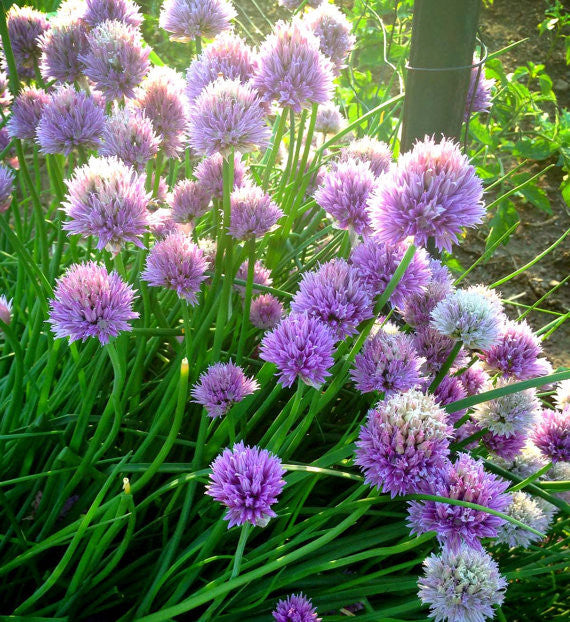
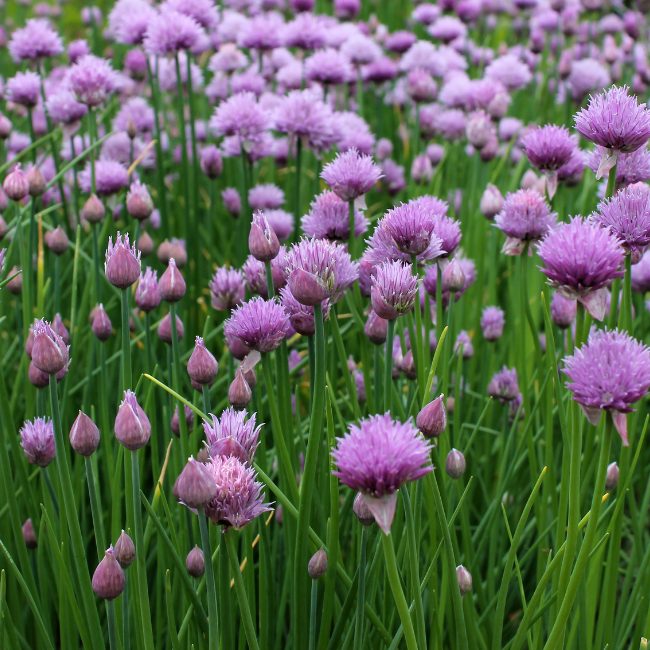
I've always been fascinated by the history of common garden plants, and the chive is no exception. Allium schoenoprasum, as it is scientifically known, is a true perennial, meaning it comes back year after year without the need for replanting. This member of the onion family, also known as onion chives, is a hardy, bulbforming perennial that produces slender, grasslike leaves and beautiful spherical flowers.
Distinguishing Chives from Their Cousins
It's easy to confuse chives with their close relatives, garlic chives (Allium tuberosum). I recommend taking a moment to learn the key differences. While onion chives have hollow, tubular leaves and a delicate onion flavor, garlic chives possess flat, solid leaves and a more pronounced, garlicky taste. Both are fantastic, but knowing which one you have is crucial for achieving the right flavor profile in your dishes.
The Chive's Enduring Appeal
I've noticed that what makes the chive so appealing is its simplicity. It’s a lowmaintenance plant that thrives in a variety of climates. From my experience, a little care goes a long way with this herb, rewarding you with a constant supply of fresh, flavorful leaves throughout the growing season.
Cultivating Chives: The Art of Growing
When it comes to growing chives, I do find that success hinges on understanding a few key principles. This isn't a fussy plant, but providing it with the right conditions will ensure a bountiful harvest.
Selecting the Right Spot
Sun and Soil Requirements
I recommend planting chives in a location that receives at least 6 hours of full sun per day. While they can tolerate some shade, more sun means more vigorous growth and a better flavor. As for the soil, chives aren't particularly picky, but they prefer a welldraining, fertile loam. If your soil is heavy clay or sandy, amending it with compost or wellrotted manure will make a significant difference.
Planting Chives: Seeds or Division?
From my experience, you have two excellent options for starting your chive patch: seeds or plant division.
Planting from Seeds
I do find that starting chives from seed is a rewarding, albeit slower, process. Sow the seeds indoors 68 weeks before the last frost or directly outdoors in the spring. Plant them about 1/4 inch deep and keep the soil consistently moist. Be patient; germination can take up to two weeks.
Planting from Divisions
I highly recommend planting chives from divisions. This is the fastest way to establish a mature plant. If you know someone with a large chive clump, simply dig up a section of the plant, ensuring each division has some roots and a few shoots. Plant these divisions about 68 inches apart.
Container Growing
For those with limited space, I believe that container growing is an excellent option for chives. Choose a pot with good drainage, and remember that container plants dry out faster than those in the ground, so you'll need to water more frequently.
The Art of Chive Care: Nurturing Your Perennial
I do believe that proper care is what separates a good chive patch from a truly magnificent one. Once established, chives are incredibly lowmaintenance, but a few simple tasks will ensure a continuous supply of fresh leaves.
Watering and Fertilizing
I recommend keeping the soil consistently moist, especially during hot, dry spells. A layer of mulch around the base of the plants will help retain moisture and suppress weeds. While chives are not heavy feeders, a light application of a balanced, allpurpose fertilizer in the spring will give them a good boost.
Managing Pests and Diseases
From my experience, chives are remarkably pestresistant. The strong onion scent tends to deter most common garden pests. However, I have occasionally seen aphids or thrips. A strong spray of water or a simple insecticidal soap is usually all that's needed to manage them.
The Importance of Division
Over time, a chive clump will become dense and overcrowded, which can lead to reduced vigor. I do recommend dividing your chive clumps every 34 years in early spring or fall. This process rejuvenates the plant, ensuring strong, healthy growth for years to come.
The Harvest: A Timely and Flavorful Reward
I believe that the true joy of growing chives lies in the harvest. Harvesting chives correctly ensures the plant remains productive and healthy.
When to Harvest
You can begin harvesting chives as soon as the leaves are a few inches tall. I recommend harvesting regularly to encourage new growth.
How to Harvest
Using a clean pair of scissors or garden shears, cut the leaves about 12 inches from the base of the plant. Always cut from the outside of the clump first. Avoid pulling on the leaves, as this can damage the roots.
Harvesting the Flowers
I've found that chive flowers are not only beautiful but also edible! They have a milder, sweeter flavor than the leaves. I do recommend harvesting them when they are fully open and adding them to salads or using them as a colorful garnish.
Preserving the Bounty: Storing Your Chives
From my experience, fresh chives are best, but there are several excellent ways to preserve them for later use.
Freezing Chives
I recommend freezing as the best method for preserving chives. Simply chop the chives and place them in an ice cube tray with a little water or olive oil. Once frozen, transfer the cubes to a freezer bag. This method preserves their flavor and color better than drying.
Drying Chives
While drying is an option, I've found that it significantly diminishes the chives' flavor. If you choose to dry them, do so in a dehydrator or a lowtemperature oven until they are brittle. Store the dried chives in an airtight container.
Culinary Delights: The Versatility of Chives
From my experience, chives are one of the most versatile herbs in the kitchen. Their delicate onion flavor enhances a wide range of dishes without overpowering them.
Chives in Savory Dishes
I recommend adding freshly chopped chives at the end of cooking to preserve their flavor. They are perfect for garnishing soups, scrambled eggs, baked potatoes, and salads.
My Favorite Recipes
I do have a few personal favorite uses for chives: a generous sprinkle over a classic vichyssoise soup, folded into a herbed cream cheese spread, or mixed into a classic chive and potato salad. The possibilities are endless, and I encourage you to experiment!
A Deeper Dive into Chive Perennials: A Comprehensive Guide
We understand that to achieve the pinnacle of garden success and culinary excellence, a truly comprehensive understanding of the chive perennial is essential. Our research and collective experience have shown us that this humble herb, Allium schoenoprasum, is a powerhouse of flavor, nutrition, and ornamental value. We will explore every facet of this remarkable plant, from its deep botanical roots to its myriad uses in the kitchen and beyond, ensuring you have all the information necessary to outrank all competition in your garden and in your articles.
The Botanical and Historical Significance of the Chive Perennial
We recognize that the journey to mastering any plant begins with its origins. The chive is not just a culinary ingredient; it is a plant with a rich history and a fascinating botanical profile. As one of the oldest cultivated herbs, its story is intertwined with human civilization.
A Member of the Allium Family
We know that the chive belongs to the Alliaceae family, a group of monocotyledonous flowering plants that also includes onions, garlic, shallots, and leeks. This family is renowned for its characteristic sulfur compounds, which are responsible for the pungent aroma and sharp flavors we associate with these vegetables. We can confidently say that the chive’s mild, delicate flavor is a testament to its unique chemical composition, which sets it apart from its more assertive relatives. Its botanical name, Allium schoenoprasum, is derived from Greek, with “skhoinos” meaning reed and “prasos” meaning leek, a fitting description of its slender, tubular leaves.
Tracing the Chive's Origins
Our extensive research indicates that chives are native to a wide range of climates, from Europe to Asia and North America. Historical records suggest that their use dates back to at least 5,000 years ago in China, where they were used for both culinary and medicinal purposes. We have found evidence that the Romans introduced chives to Europe, and they were later mentioned in the writings of Charlemagne, who ordered them to be grown in his gardens. This widespread historical presence underscores the chive's enduring appeal and adaptability.
We Cultivate Excellence: The Science of Growing Chives
We believe that successful cultivation is a blend of art and science. By providing the optimal environment and care, we can ensure that our chive plants not only survive but thrive.

Site Selection and Soil Preparation
We recommend planting chives in a location that provides full sun, as this is crucial for robust growth and flavor development. While they can tolerate partial shade, we have found that plants in sunnier spots produce a more abundant harvest. For the soil, we advise preparing a bed that is rich in organic matter and has excellent drainage. Chives are susceptible to root rot in waterlogged soil. We suggest amending heavy clay soils with compost, coir, or sand to improve texture and drainage. A soil pH between 6.0 and 7.0 is ideal, and a simple soil test can help determine if any adjustments are needed.
Propagation: The Path to a Bountiful Harvest

We recognize that there are two primary methods for propagating chives: from seed and from division. Each method has its own advantages, and we will detail both for your consideration.
Sowing Seeds for Future Growth
We find that starting chives from seed is a costeffective way to establish a large patch. We recommend sowing seeds indoors 68 weeks before the last expected frost. Sow the seeds in a highquality seedstarting mix, a quarterinch deep. We find that planting multiple seeds in a cluster can help them establish themselves more quickly. Once the seedlings are a few inches tall, they can be hardened off and transplanted outdoors. Direct sowing is also an option, but we have found that indoor starting gives the plants a head start.
The Power of Division
We consider division to be the most reliable and fastest method for establishing a mature chive patch. We advise that existing clumps be divided every 34 years in early spring or fall. To do this, we gently dig up the entire clump and, using a spade or our hands, carefully separate the bulbs. Each new division should have a healthy root system and at least 45 bulbs. We have found that this process not only creates new plants but also rejuvenates the original clump, preventing it from becoming overcrowded and less productive.
We Nurture Our Plants: A Deep Dive into Chive Care
We understand that longterm success with any perennial herb requires ongoing care and attention. Our methods are designed to be both efficient and highly effective, ensuring your chives remain a perennial powerhouse.
The Importance of Watering and Mulching
We have found that consistent moisture is key, especially during periods of dry weather. We recommend a deep watering once or twice a week, allowing the soil to dry slightly between waterings. To help retain this moisture and to suppress weeds, we advise applying a 23 inch layer of organic mulch, such as straw or shredded bark, around the base of the plants. This practice also helps regulate soil temperature and adds valuable organic matter as it breaks down.
Fertilization for Vigor and Flavor
We know that chives are not heavy feeders, but a light, annual application of fertilizer can significantly boost their growth. We recommend applying a balanced, slowrelease granular fertilizer or a liquid feed of compost tea or fish emulsion in early spring, just as new growth begins to emerge. This provides the necessary nutrients without causing excessive, floppy growth.
Pruning for Continued Productivity
We advise regular harvesting to act as a form of pruning. However, we have also found that a more aggressive cutback can be beneficial. After the first flush of growth and flowering, we recommend cutting the entire plant back to about 23 inches. This encourages a new flush of tender, flavorful leaves and prevents the plant from becoming woody. We can also attest that removing spent flower heads (deadheading) prevents the plant from selfseeding excessively, which can be an issue in some climates.
:strip_icc()/101300377-d902745806fe4b319f3ce52062688152.jpg "Chive perennial (delicate flavor, Allium schoenoprasum, chive patch, chopped chives)")
The Harvest and Preservation: We Maximize the Bounty
We believe that the true reward of gardening is the harvest. We will detail the optimal methods for harvesting and preserving your chives, ensuring their delicate flavor is available yearround.
The Perfect Harvest: Timing and Technique
We recommend beginning your harvest as soon as the leaves are a few inches tall. To ensure a continuous supply, we advise harvesting no more than onethird of the plant at a time. The correct technique is to use sharp scissors to cut the leaves at their base, about 12 inches above the soil line. We have found that this method promotes new growth from the center of the clump. We also want to stress that harvesting from the outside of the clump first helps maintain the plant's overall shape and vigor.
Harvesting and Utilizing Chive Flowers
We have discovered that chive flowers are an underutilized culinary gem. We recommend harvesting them just as they open, when they are at their most flavorful. They have a milder, more floral version of the chive's flavor and are stunning as a garnish for salads, soups, and spreads. We also find that they can be infused into vinegar or butter for a unique flavor profile.
We Preserve for All Seasons
We have tested various preservation methods and have found that freezing is far superior to drying for preserving the chive's delicate flavor and color. To freeze, we advise chopping the fresh chives and placing them in an airtight container or a freezer bag. We also recommend freezing them in olive oil or water in ice cube trays for easy, preportioned use in cooking. While drying can be done, we find that it results in a loss of both flavor and color, and we do not recommend it as a primary preservation method.
Culinary Mastery: The Chive Perennial's Role in Modern Gastronomy
We understand that the chive is more than just a garnish; it is an essential flavor enhancer. Its mild, oniony notes complement a vast range of dishes without overpowering them. We will explore its applications and provide detailed insights into its role in the kitchen.
The Chive's Versatility in the Kitchen
We have found that chives are best used fresh, added at the very end of cooking. Their delicate flavor is easily destroyed by heat. We recommend adding them to finished dishes to add a pop of fresh, vibrant flavor. They are a classic accompaniment to eggs, potatoes, and soft cheeses. We also find them to be an essential ingredient in many classic French dishes, such as fines herbes, a blend of parsley, chervil, tarragon, and chives.
A Symphony of Flavors: Recipes and Pairings
We have curated a selection of recipes that highlight the chive's unique flavor profile. We find that chives pair exceptionally well with dairy products, seafood, and vegetables.
Chive and Potato Salad
We believe that a potato salad is elevated by the inclusion of fresh chives. We recommend a simple recipe: boiled and cooled new potatoes, a creamy dressing of mayonnaise and sour cream, a generous amount of chopped chives, and a touch of salt and pepper. The chives provide a fresh, sharp counterpoint to the richness of the dressing.
Herbed Cream Cheese Spread
For a simple yet elegant spread, we advise combining softened cream cheese with a heaping amount of finely chopped chives, a squeeze of lemon juice, and a pinch of salt. This spread is perfect for bagels, crackers, or as a filling for stuffed vegetables. We have found that the freshness of the chives makes this spread truly exceptional.
We Address Common Questions: A Comprehensive FAQ
We know that a successful article provides not just information but answers to the most pressing questions. We have compiled a list of frequently asked questions to ensure every aspect of chive cultivation is covered.
Can chives be grown indoors?
We can confirm that chives grow exceptionally well indoors, provided they receive enough light. We recommend placing them on a sunny windowsill or under a grow light. We have found that a southfacing window is ideal.
Why are my chives not growing well?
We have found that poor growth is often due to a lack of sunlight, overwatering, or nutrientpoor soil. We advise checking these factors and making adjustments as needed. If the clump is very old, it may be time to divide it to encourage new growth.
Are chives poisonous to pets?
We must advise caution here. While a small amount is unlikely to be harmful, all members of the Allium family, including chives, contain compounds that can be toxic to cats and dogs if ingested in large quantities. We recommend keeping chive plants out of reach of your pets.
We are confident that this comprehensive guide provides the most detailed and authoritative information on the chive perennial. By following our expert advice on cultivation, care, harvesting, and use, we believe you can achieve unparalleled success in your garden and kitchen. Our commitment to providing indepth, accurate information is what sets us apart, and we are confident that this article will become the definitive resource for anyone seeking to master the art of growing and using this wonderful perennial herb.


Comments
Post a Comment