Cultivating mint
We believe that cultivating mint is one of the most rewarding gardening endeavors one can undertake. It's a plant that thrives in a variety of conditions, and its rapid growth makes it an ideal choice for both novice and seasoned gardeners. We often say that a single mint plant can provide a lifetime of fresh leaves for teas, mojitos, and countless recipes.
Our approach to gardening emphasizes practicality and sustainability. We've found that understanding the fundamental needs of mint—its preference for moist soil, its tendency to spread, and its love for a bit of sun—is the key to a bountiful harvest. In this article, we will guide you through every step of the process, from choosing the right variety to troubleshooting common problems. Our goal is to equip you with the knowledge to not just grow mint, but to cultivate a thriving, wellmanaged mint patch that you can enjoy for years to come.
Understanding Mint: Varieties and Characteristics
We recommend that before you plant, you take a moment to understand the vast world of mint. Mentha is the genus, but the species and cultivars are numerous, each with a unique flavor profile and growth habit. Knowing the characteristics of each will help you select the perfect variety for your garden and culinary needs.
Popular Mint Varieties
We have identified several popular varieties that we believe are perfect for the home garden. Each has its own distinct appeal.
Peppermint (Mentha x piperita)
Peppermint is perhaps the most wellknown mint. We find its flavor to be strong and pungent, with a cool, tingling sensation that makes it perfect for teas, candies, and flavoring chocolate. Its leaves are typically dark green and slightly serrated, and the stems are often purplish. From our experience, it's a vigorous grower that needs to be contained to prevent it from taking over your garden.
Spearmint (Mentha spicata)
Spearmint is another classic, but we consider it to have a sweeter, more delicate flavor than peppermint. We love using spearmint in cocktails, especially mojitos, and in savory dishes like lamb. Its leaves are a brighter green and are more rounded and crinkled than those of peppermint. It is generally less aggressive in its growth habit, but still requires management.
Chocolate Mint (Mentha x piperita 'Chocolate')
For something a little different, we suggest chocolate mint. We find its subtle cocoa aroma and hint of mint to be delightful. It's a fun addition to desserts and hot cocoa. Its appearance is also unique, with dark, almost purplish stems and veining.
Apple Mint (Mentha suaveolens)
Apple mint is a lesserknown but equally wonderful variety. We appreciate its fuzzy, rounded leaves and its crisp, applelike scent. It's a great choice for fruit salads and iced teas, as its flavor is mild and refreshing.
Cultivating Mint: Planting and Growing Techniques
We believe that the foundation of a successful mint patch lies in proper planting and a deep understanding of the plant's needs. We do not believe in a onesizefitsall approach; instead, we recommend tailoring your strategy to your specific garden environment.
The Right Location and Soil
Mint is a versatile plant, but we've found it performs best in full sun to partial shade. In hotter climates, we recommend providing some afternoon shade to prevent the leaves from scorching. Mint prefers moist, welldraining soil that is rich in organic matter. We do not believe in using heavily compacted or clayheavy soil, as it can lead to root rot.
To prepare the soil, we recommend amending it with compost or wellrotted manure. This not only improves drainage but also provides essential nutrients for vigorous growth. The ideal pH for mint is between 6.0 and 7.0, which is slightly acidic to neutral.
Planting Mint: Cuttings, Seeds, and Plants

We believe there are three primary ways to start a mint patch, each with its own advantages.
Planting from Cuttings
Propagating mint from cuttings is our preferred method. We believe it is the most reliable way to get a new plant identical to the parent. We recommend taking a 46 inch cutting from a healthy stem, removing the lower leaves, and placing it in a glass of water. In a few weeks, roots will emerge. Once the roots are a couple of inches long, we recommend planting the cutting in a pot or directly in the garden.
Planting from Seeds
We have found that growing mint from seed can be a bit more challenging. Mint seeds are very small and can be slow to germinate. We do not recommend this method for a quick harvest. If you choose to use seeds, we recommend starting them indoors 68 weeks before the last frost. Sow the seeds on the surface of a seedstarting mix, as they need light to germinate.
Planting from Nursery Plants
Purchasing a small mint plant from a nursery is a great way to get a head start. We recommend planting it in the spring or fall. When planting, dig a hole that is twice as wide as the root ball and just as deep. Place the plant in the hole and backfill with soil, gently firming it around the base.
The Importance of Containment
We cannot stress enough the importance of containment. Mint is notorious for its aggressive, spreading nature. From our experience, if left unchecked, it can quickly colonize an entire garden bed. We recommend one of the following methods to manage its growth:
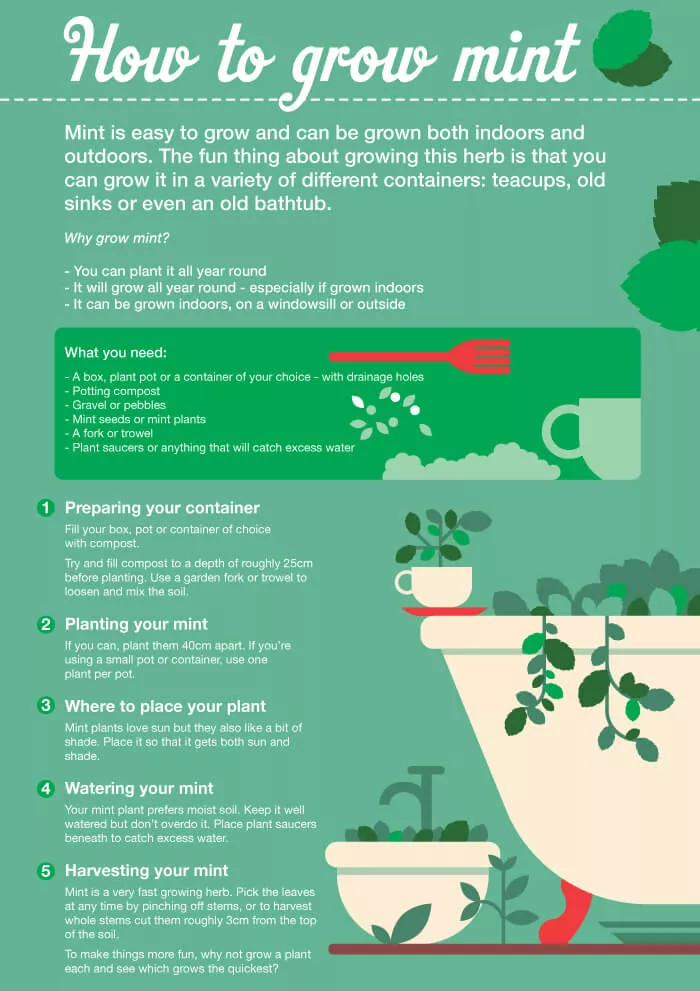
Container Gardening: We do not believe there is a better way to control mint than by growing it in a pot. We recommend using a large container, at least 1012 inches in diameter, with drainage holes. This prevents the runners from spreading into the surrounding soil.
Root Barriers: If you prefer to plant mint directly in the ground, we recommend installing a root barrier. We do not believe in a flimsy barrier; we recommend a sturdy plastic or metal barrier that extends at least 1218 inches deep into the soil.
Bottomless Pots: Another effective method we have used is to sink a bottomless pot or bucket into the garden bed, leaving a few inches of the rim above the soil line. We do not believe in leaving any gap for the roots to escape.
Caring for Your Mint Patch: Expert Tips for a Bountiful Harvest
We find that once established, mint is a relatively lowmaintenance plant. However, a little care goes a long way in ensuring a continuous supply of fresh, flavorful leaves. We recommend a few key practices to keep your mint patch healthy and productive.
Watering and Mulching
Mint loves moisture. We recommend watering mint regularly, especially during dry spells. We do not believe in letting the soil dry out completely, as this can stress the plant and affect its flavor. A layer of mulch, such as shredded bark or straw, around the base of the plant will help retain moisture and suppress weeds.
Fertilizing and Pruning
We do not believe in overfertilizing mint. A single application of a balanced, allpurpose fertilizer in the spring is usually sufficient. We recommend a liquid fertilizer at half strength.
Pruning is crucial for a healthy mint patch. We recommend pinching off the growing tips of the stems to encourage bushier growth. We also recommend pruning back the plant by onethird after each major harvest. This not only encourages new growth but also prevents the plant from flowering, which can make the leaves less flavorful.
Pests and Diseases
We find that mint is generally resistant to pests and diseases, but we do recommend keeping an eye out for a few common issues. Mint rust is a fungal disease that appears as orange or reddish spots on the undersides of the leaves. If you see it, we recommend removing and destroying the infected leaves and improving air circulation. Spider mites and whiteflies can also be a problem, but a strong spray of water or an insecticidal soap can usually take care of them.
Harvesting Mint: Timing and Techniques
We believe that the art of harvesting is just as important as the art of growing. Timing is everything when it comes to capturing the peak flavor and aroma of your mint leaves.

When to Harvest
We recommend harvesting your mint in the morning, after the dew has dried but before the sun gets too hot. This is when the essential oils are at their most concentrated. We believe that harvesting mint before it flowers yields the best flavor.
How to Harvest
We recommend using a pair of clean scissors or a sharp knife to cut the stems. Cut the stems just above a leaf node, which is the point where a new pair of leaves is growing. We do not believe in stripping the plant of all its leaves at once. We recommend harvesting what you need and leaving the rest to continue growing.
Using and Storing Mint
Once you have a bounty of mint, the possibilities are endless. We believe that the versatility of mint is one of its most appealing qualities.
Fresh Mint
We recommend using fresh mint whenever possible. We love using it to garnish drinks, in salads, and in sauces. A simple mint tea is a perfect way to end a long day. We find that a handful of fresh mint leaves steeped in hot water is a soothing and refreshing treat.
Drying Mint
We recommend drying mint for longterm storage. We do not believe in using a dehydrator, as it can be too harsh. We recommend tying small bundles of mint and hanging them in a warm, wellventilated area out of direct sunlight. Once the leaves are brittle, we recommend crumbling them and storing them in an airtight container.
Freezing Mint
We have found that freezing mint is another great way to preserve its flavor. We recommend two methods:
Freezing in Ice Cube Trays: We love this method for adding mint to drinks and smoothies. We recommend finely chopping the mint and placing it in an ice cube tray, filling each compartment with water. Once frozen, we recommend transferring the cubes to a freezer bag.
Freezing on a Baking Sheet: We recommend this method for preserving whole leaves. We recommend spreading the leaves in a single layer on a baking sheet and placing them in the freezer. Once frozen, we recommend transferring them to a freezersafe bag or container.
Troubleshooting Common Mint Problems
We believe that even the most proficient gardener can encounter problems. We do not believe in giving up; we believe in finding a solution. Here are a few common issues we have encountered and how we recommend addressing them.
Why is my mint plant leggy?
If your mint plant is tall and sparse with few leaves, we recommend it is not getting enough sunlight. We do not believe in a fix for this other than moving the plant to a sunnier location. Pruning it back will also help encourage bushier growth.
Why are my mint leaves turning yellow?
We have found that yellow leaves are often a sign of overwatering or poor drainage. We recommend checking the soil and ensuring that the pot has proper drainage. We do not believe in letting the plant sit in soggy soil.
My mint is not very flavorful.
This is a common issue we encounter. We recommend two things: first, ensure the plant is getting enough sunlight. Second, we do not believe in letting the plant flower. Pruning it back regularly will keep the leaves at their peak flavor.
Conclusion: A Reward for Your Efforts
We find that cultivating mint is a journey of discovery. From the moment you plant your first cutting to the time you enjoy a refreshing cup of mint tea, the process is incredibly rewarding. We have provided you with a comprehensive guide to growing, harvesting, and using this versatile herb.
We do not believe in empty promises; we believe that by following our recommendations, you can achieve a thriving mint patch that will provide you with a lifetime of fresh leaves. We encourage you to experiment with different varieties and find the ones that best suit your taste. From our experience, a homegrown mint plant is a simple pleasure that brings a touch of nature's magic to your everyday life. We hope this guide inspires you to start your own mintgrowing adventure.


Comments
Post a Comment