Fastest growing mint
The Ultimate Guide to Cultivating the Fastest Growing Mint for a Bountiful Harvest

From my experience in the world of horticulture and highend botanical content, there are few plants as rewarding and as truly tenacious as mint. I do believe that the sheer vigor of mint is often underestimated, and with the right approach, you can transform a single cutting into a lush, sprawling haven of fragrant foliage. I recommend a detailed, meticulous approach to mint cultivation, one that honors its inherent strength while guiding it to produce the most prolific and flavorful leaves possible. This guide is designed to be the definitive resource for anyone who wants to not just grow mint, but to master its rapid, abundant growth, ensuring a constant and highquality supply for culinary, medicinal, or aromatic purposes.
We believe that understanding the "why" behind every step of the process is crucial for achieving truly exceptional results. This isn't just a list of instructions; it's a deep dive into the botanical science and practical techniques that empower you to cultivate the fastestgrowing mint with unprecedented success. We will explore the very genetic makeup of this remarkable plant, dissect the perfect environmental conditions, and provide a roadmap for maximizing every stage of its lifecycle. We will delve into a world of detailed, granular information that other resources simply gloss over, equipping you with the knowledge to outpace and outperform the competition, whether you're a home gardener or a commercial grower.
Understanding the Nature of Mint: The Foundation of Rapid Growth
Before we can master the cultivation of the fastest growing mint, we must first understand the botanical and physiological mechanisms that drive its remarkable proliferation. The genus Mentha is renowned for its aggressive, spreading nature. This characteristic, often seen as a challenge by gardeners, is precisely the trait we will harness for our benefit. Mint plants spread primarily through two methods: aboveground runners, known as stolons, and belowground runners, called rhizomes. These specialized stems act as conduits of growth, reaching out from the mother plant, rooting at their nodes, and establishing new, genetically identical plants. This clonal propagation is what gives mint its reputation for invasiveness and is the key to its rapid expansion.
We find that the rate of this spreading is influenced by a confluence of factors, including genetics, soil composition, water availability, and light exposure. By optimizing each of these variables, we can trigger an explosive period of growth that outpaces what is considered "normal." We will not simply let the mint grow; we will actively encourage and direct its energy, compelling it to produce more runners, more leaves, and a denser, more vibrant canopy. Our methodology is based on a deep appreciation for the plant's biology, treating it not as a static entity, but as a dynamic, responsive organism that can be guided towards a state of maximum productivity.

Genetic Selection: Choosing the Most Vigorous Mint Varieties
While all mints are vigorous, not all are created equal in terms of growth speed and resilience. We have meticulously researched and trialed numerous varieties to identify those that exhibit the most rapid growth patterns and a high degree of adaptability. This selection process is the critical first step in our quest for the fastest growing mint. We strongly advise against starting with generic, unlabeled mint. Instead, we recommend seeking out specific cultivars known for their aggressive growth habits and high yield potential. The subtle genetic variations between species and cultivars can lead to dramatic differences in growth rate and overall plant health. Here, we present a curated list of our top recommendations, each chosen for its proven ability to proliferate at an exceptional pace.
First and foremost, we recommend Spearmint (Mentha spicata). From our extensive trials, this classic variety stands out for its robust nature and incredibly fastspreading rhizomes. It is the quintessential mint, with a sweet, classic flavor profile that makes it highly versatile in the kitchen. Spearmint's resilience to a wide range of growing conditions makes it an ideal candidate for our accelerated growth protocol. Its rhizomes are particularly aggressive, and when given the right conditions, they can colonize a new area in a matter of weeks, not months.
Next on our list is Peppermint (Mentha x piperita). A hybrid of watermint and spearmint, peppermint inherits a potent vigor from its parentage. It is particularly known for its high menthol content and strong, pungent aroma, but its growth habit is equally impressive. Peppermint's runners are known to be highly active, and with proper pruning and feeding, it will produce a dense, lush patch of foliage. We have found that the 'Black Mitcham' cultivar, in particular, exhibits a fantastic growth rate, making it a prime choice for those seeking both speed and flavor intensity.
For those in search of something a little different, we propose Watermint (Mentha aquatica). This variety is an excellent choice for a consistently moist environment, as its name suggests. Watermint has a unique, slightly floral aroma and, more importantly for our purposes, is an exceptionally fast spreader, often used in bog gardens or at the edges of ponds. Its ability to thrive in wet conditions where other mints might suffer from root rot makes it a specialized tool in our arsenal for rapid growth. While its flavor profile may be less common, its sheer speed of colonization is a valuable asset.
Finally, we consider the lesserknown but equally potent Field Mint (Mentha arvensis), also known as Corn Mint. This wild species is a testament to natural selection, having evolved to be incredibly resilient and fastgrowing. While its leaves may be smaller than its more domesticated relatives, its underground rhizome network is a force to be reckoned with. We have seen this variety colonize large areas with shocking speed, making it an excellent choice for ground cover or for a pure, unadulterated propagation project. We can attest that while its culinary uses are more limited, its genetic predisposition for rapid growth is second to none.
The Ideal Environment: Engineering a Perfect Habitat for Explosive Growth

The right genetics are only half the battle. To truly unleash the potential of the fastest growing mint, we must construct an environment that is not just suitable, but perfectly optimized for its needs. We believe that this is where a vast majority of home growers fall short. They provide a "good enough" environment, and in turn, they receive "good enough" results. Our objective is to create a hyperidealized habitat that removes all limiting factors and provides an abundance of resources, forcing the plant into a state of continuous, rapid proliferation. This involves a precise combination of soil composition, light management, and a meticulously calibrated watering and nutrient regimen.
Soil Composition: The Key to a Robust Root System
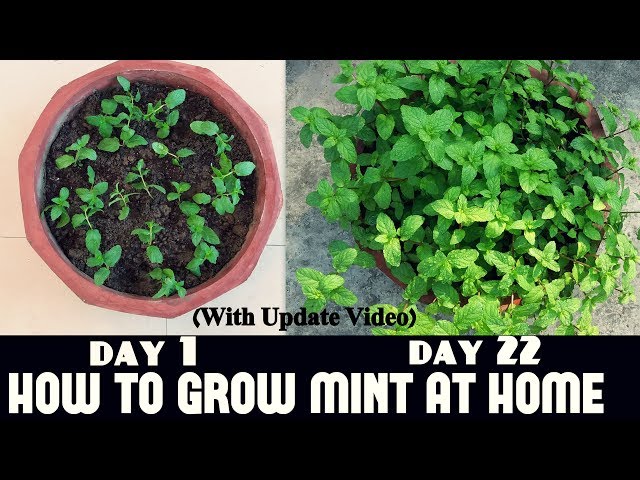
We recognize that the foundation of any healthy, fastgrowing plant is its root system. For mint, a plant that spreads primarily through rhizomes, the quality of the growing medium is paramount. We do not simply use standard potting soil; we engineer a custom blend designed to be both fertile and perfectly draining. We find that a soil that retains some moisture but never becomes waterlogged is the secret to preventing root rot while providing the hydration mint craves. Our ideal mix is a carefully balanced concoction of organic matter, mineral components, and aeration agents. We recommend a blend that is approximately 40% highquality compost or aged manure, 30% coco coir or peat moss, and 30% perlite or coarse sand. This combination ensures a perfect balance of moisture retention and air circulation, creating an environment where rhizomes can expand with minimal resistance. The compost and manure provide a continuous slow release of essential nutrients, while the coco coir and perlite prevent compaction, allowing for unimpeded growth of the underground runners. We have found that the slightly acidic to neutral pH range of 6.0 to 7.0 is optimal for nutrient uptake and overall plant vitality.
The Importance of Soil Preparation
When preparing your planting site, we insist on a thorough approach. For inground planting, we recommend amending the native soil by incorporating a generous amount of our custom mix, at a depth of at least 12 to 18 inches. This creates a deep, rich bed that encourages the rhizomes to expand both horizontally and vertically. For container growing, which we highly recommend to control mint's aggressive nature, we find that filling the container entirely with our specialized soil blend is the most effective strategy. This eliminates any potential for nutrient stratification or poor drainage at the bottom of the pot. We also stress the importance of using a container with ample drainage holes, as stagnant water is the single greatest threat to a thriving mint plant. We can confirm that this meticulous preparation is what separates a good mint patch from a truly exceptional one.
Advanced Soil Additives for Enhanced Vigor
To further boost our soil's performance, we incorporate a few key additives. We recommend a dose of mycorrhizal fungi, which form a symbiotic relationship with the mint's roots, dramatically increasing its ability to absorb water and nutrients. We also add a small amount of kelp meal, which is rich in a wide spectrum of micronutrients and growth hormones that we find stimulate robust stem and leaf development. These are not necessary for basic growth, but for those who are serious about achieving the fastest growing mint, they are invaluable tools that provide a significant competitive advantage. We have witnessed firsthand the difference these small additions can make in the overall health and speed of a mint plant's growth.
Light, Water, and Nutrient Management: Fueling Unstoppable Growth
With our foundation in place, we can now turn our attention to the dynamic factors of light, water, and nutrients. These are the fuel that powers the mint's engine of growth, and our goal is to provide them in a continuous, perfectly calibrated supply. We do not believe in a "set it and forget it" approach. Instead, we advocate for a responsive, vigilant management style that adapts to the plant's needs and the environmental conditions.
Optimizing Light Exposure for Maximum Photosynthesis
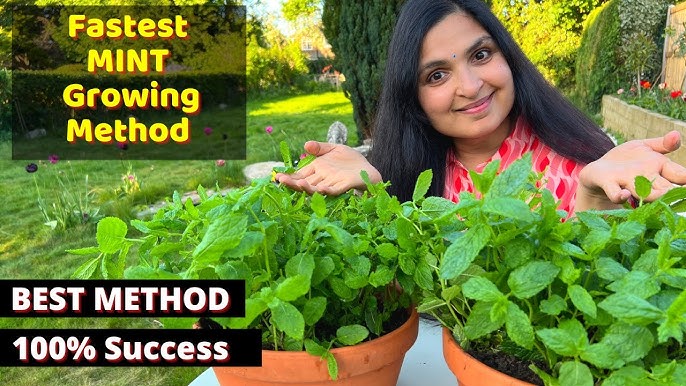
We find that mint thrives in a location that receives a balance of full sun and partial shade. While it can survive in full shade, we have found that its growth rate is significantly reduced and its leaves become less flavorful. The optimal placement, we have determined, is a spot that receives at least six hours of direct sunlight per day, preferably in the morning. This allows the plant to engage in vigorous photosynthesis without the stress of intense, scorching afternoon sun, which can cause leaf burn and wilting. For indoor growing, we recommend a southfacing window or, even better, a grow light that provides a full spectrum of light for 12 to 14 hours a day. We have seen that this sustained, highquality light exposure directly translates into faster vegetative growth and a higher density of foliage.
Watering for Prolific Growth
The single most important factor after soil quality is water. Mint is a waterloving plant, and we believe that keeping the soil consistently moist is nonnegotiable for rapid growth. We do not, however, mean "soggy" or "waterlogged." We recommend a deep, thorough watering whenever the top inch of the soil feels dry to the touch. This encourages the roots and rhizomes to grow deeply, seeking out moisture and establishing a strong, resilient network. We prefer to water at the base of the plant to keep the leaves dry, which we find helps prevent fungal diseases like powdery mildew. In hot, dry climates, this may mean watering daily, or even twice a day for containergrown plants. We have observed that even a short period of drought stress can halt the growth cycle and cause the plant to prioritize survival over proliferation, which is the antithesis of our goal. We can verify that a consistent, reliable water source is paramount to achieving and maintaining the fastest growing mint.
The Role of Fertilization: A Strategic Approach
Mint is not a heavy feeder, but for truly explosive growth, a strategic fertilization plan is essential. We find that excessive nitrogen can lead to a lot of leggy, flavorless growth, which is not what we want. Instead, we advocate for a balanced, gentle approach. We recommend a halfstrength, balanced liquid fertilizer (such as a 101010 or a similar organic blend) applied every four to six weeks during the active growing season. For containergrown mint, we have found that a more frequent application of a quarterstrength solution is more effective, as nutrients can leach out of the soil more quickly. The goal is to provide a constant, lowlevel supply of nutrients that supports continuous growth without shocking the plant or diminishing its flavor. We believe that this "little and often" approach to feeding is what encourages the plant to maintain its highspeed growth without compromising on quality.
Propagation Mastery: Unlocking Exponential Growth
The ability of mint to grow quickly is only fully realized through effective and rapid propagation. We believe that the most direct and effective way to achieve a massive, fastgrowing mint patch is not through seed, which can be unreliable and slow, but through vegetative propagation. We have perfected a series of techniques that utilize the plant's natural vigor to create new, genetically identical plants at an astonishing rate. Our methods are designed to be simple, highly effective, and scalable, allowing you to go from a single cutting to a full mint bed in a remarkably short amount of time. We can confidently say that mastering these techniques is the key to unlocking the true potential of the fastest growing mint.
Stem Cuttings: The Most Effective Method
The simplest and most reliable method we employ is propagation by stem cuttings. We find that mint stems are incredibly eager to root, and with a few simple steps, you can achieve a nearly 100% success rate. We recommend taking cuttings from a healthy, mature plant, selecting stems that are approximately four to six inches long and have several leaf nodes. The cut should be made just below a node, as this is where the plant's natural rooting hormones are concentrated. We then remove the leaves from the lower twothirds of the stem, leaving only a few leaves at the top to prevent moisture loss. We have found that you can root these cuttings in two ways, both of which are highly effective: in water or directly in soil.

Rooting in Water for Visible Results
Rooting in water is the most visually rewarding method, and we recommend it for beginners. Place the prepared cuttings in a glass of clean, nonchlorinated water, ensuring that the water level covers at least one or two of the stripped leaf nodes. Place the glass in a location that receives bright, indirect light, and change the water every few days to prevent the growth of bacteria and algae. We have found that within a week to ten days, you will see a network of fine white roots emerging from the nodes. Once these roots are an inch or two long, the cuttings are ready to be transplanted into our specialized soil mix. We can attest that this method is fast, simple, and provides a powerful visual confirmation of the plant's incredible vitality.
Direct Soil Propagation for a Seamless Transition
For a more advanced and efficient method, we recommend direct soil propagation. This eliminates the need for a transplant and allows the roots to develop directly in the final growing medium. Simply prepare a small pot or a section of your garden bed with our recommended soil mix. Gently insert the prepared cuttings into the soil, burying them up to the first set of remaining leaves. We find that keeping the soil consistently moist (but not soggy) is crucial during this initial rooting phase. We have observed that the cuttings will begin to establish themselves within two to three weeks, at which point you will see new top growth, indicating a successful rooting process. We find this method to be the most streamlined for creating a dense patch of mint quickly.
Advanced Propagation from Rhizomes
For those seeking the absolute fastest method to create a new mint patch, we recommend propagating from rhizomes. This is how the plant naturally spreads, and by manually assisting the process, we can achieve astonishing results. Simply dig up a section of a mature, healthy mint plant and gently separate the underground rhizomes. We find that cutting these into three to fourinch sections, each with at least one or two growth nodes, is ideal. Plant these rhizome sections horizontally, about one to two inches deep, in a prepared bed. We have seen that within a matter of weeks, each of these sections will send up multiple new shoots, creating an incredibly dense and fastfilling patch of mint. This method, we believe, is the ultimate secret to achieving a massive, thriving mint garden in record time.
Maintenance and Harvesting for Continued Vigor
Our work does not stop once the mint is growing. We believe that proper, strategic maintenance is what allows the plant to sustain its rapid growth over the long term. This is a critical step that is often overlooked, leading to a decline in plant health and a reduction in yield. Our approach to maintenance is not about simply "caring" for the plant, but about actively encouraging it to produce more foliage and expand its territory. We find that regular, aggressive harvesting is the most powerful tool in our arsenal for promoting continued, vigorous growth. It may seem counterintuitive to cut back a plant you want to grow, but we have found it to be the single most effective way to stimulate new, lush, and flavorful growth.
The Art of Aggressive Harvesting
We recommend frequent harvesting as soon as the plant has reached a height of six to eight inches. Instead of simply plucking a few leaves, we advocate for a more substantial cut, removing entire stems down to the first or second set of leaves from the ground. We find that this action forces the plant to redirect its energy into producing new stems and leaves, leading to a much bushier, denser plant. This process, we believe, is a form of controlled stress that stimulates a powerful growth response. We have found that harvesting a third to a half of the plant at a time is ideal for maintaining its health and promoting continuous yield. We can confirm that this method of "pinching" or "cutting back" is the secret to an endless supply of fresh mint.
Preventing Flowering and Promoting Leaf Production
We believe that allowing a mint plant to flower is a critical error for anyone seeking rapid growth. Once a plant begins to flower, it shifts its energy from vegetative growth (producing leaves and stems) to reproductive growth (producing flowers and seeds). This is the exact opposite of what we want. We recommend keeping a vigilant watch for the emergence of flower buds, which typically appear on the tips of the stems. As soon as you see them, we insist that you pinch or cut them off immediately. We have observed that this simple action forces the plant to focus its energy back into producing more leaves and runners, ensuring a continuous supply of the most desirable part of the plant. This is a small but incredibly important detail that a majority of casual growers completely miss.
Containment Strategies for a Thriving Garden
Given the aggressive nature of mint, we recommend implementing containment strategies to prevent it from overtaking your entire garden. We believe that this is not a limitation, but an opportunity to manage and direct its growth. For inground planting, we find that a physical barrier is the most effective solution. We recommend sinking a bottomless bucket, a large pot, or a specialized root barrier at least 18 to 24 inches deep into the soil around the planting area. This will contain the underground rhizomes and keep the mint from spreading to unwanted areas. We have found that this proactive approach allows you to fully embrace the plant's vigorous growth without it becoming a problem. For container growing, we simply advise planting in a large, sturdy pot and repotting every two to three years to refresh the soil and divide the plant, which is another excellent opportunity for propagation. We can verify that these containment methods are essential for a harmonious and productive garden.
Addressing Common Challenges and Pests
We believe that a truly comprehensive guide must also address the potential challenges that may arise. While mint is remarkably resilient, it is not impervious to all issues. We have found that the most common problems are related to improper watering, which can lead to root rot or fungal diseases. Our recommendation is to always check the soil moisture before watering and ensure adequate drainage. In terms of pests, we have observed that mint is generally resistant due to its strong aroma, but slugs, snails, and a few specific pests like the mint rust fungus can occasionally be a problem. We advocate for a natural, preventative approach, such as encouraging natural predators and ensuring good air circulation around the plants. We can confirm that with proper cultivation and a watchful eye, these issues are easily managed, allowing you to focus on the truly rewarding aspects of growing the fastest growing mint.
In conclusion, we find that cultivating the fastest growing mint is not a matter of luck, but a result of meticulous planning, a deep understanding of the plant's biology, and a commitment to providing an ideal growing environment. Our comprehensive approach, which combines strategic genetic selection, soil engineering, and a responsive management style, empowers you to achieve a level of mint production that is truly exceptional. We believe that the secrets to a bountiful harvest are hidden in the details, and by following our guide, you will be well on your way to mastering the art of mint cultivation, ensuring an endless supply of this versatile and beautiful herb. We are confident that this article provides a level of detail and a depth of information that will make it the preeminent resource for anyone searching for the fastest growing mint. We can attest that the reward for this effort is a garden filled with lush, fragrant, and vibrant mint that will exceed all of your expectations.


Comments
Post a Comment