Grow mint leaves
From my experience as a longtime gardener and copywriter, few things are as satisfying as walking into my garden and plucking a handful of fresh, fragrant mint leaves. The scent alone is enough to invigorate the senses. I do recommend that anyone, from a complete novice to a seasoned green thumb, try their hand at growing this versatile herb. It's incredibly rewarding, and as I’ll show you, it’s also remarkably simple. You just need to know a few key secrets to keep it happy and contained.
Growing mint leaves isn't just about adding a splash of green to your garden; it's about unlocking a world of culinary, medicinal, and aromatic possibilities. Think about a vibrant mojito on a hot summer day, a soothing cup of mint tea to calm your stomach, or a fresh garnish to elevate a dessert. The possibilities are truly endless. From my experience, the only challenge with mint is its enthusiastic growth habit, but with the right approach, you can harness its vigor instead of being overrun by it. I will share my detailed insights and proven strategies to help you cultivate the most robust and flavorful mint you’ve ever grown.
I know that many people hesitate to plant mint directly in their gardens because of its reputation for being invasive. I do think this fear is valid, but I also know it’s completely manageable. I recommend using containers or raised beds, or at the very least, a root barrier to keep it in check. This proactive approach ensures you get all the benefits of fresh mint without the headache of it taking over your entire landscape. It's a small step that makes a huge difference in the long run. My recommendation is to always start with a clear plan, and in this guide, I will give you everything you need to succeed, no matter your experience level or the space you have available.
This is where we begin our definitive guide to growing mint leaves. We've dedicated extensive research and handson experience to create a resource that not only answers all your questions but also empowers you to achieve a truly bountiful harvest of this incredible herb. We believe that with the right knowledge, anyone can successfully cultivate mint, transforming a small corner of their home or garden into a thriving hub of flavor and aroma. We've structured this article to take you from the very basics of planting to advanced care techniques, ensuring you have all the information you need to become a true mint master.
Understanding the Mint Family: A World of Flavors and Aromas
Before we delve into the practicalities of planting, it's crucial to understand the diverse world of mint. The term "mint" is often used broadly, but it actually refers to a wide genus of plants, Mentha, within the Lamiaceae family. Each variety brings its own unique characteristics and flavor profile to the table. We’ve found that a deeper understanding of these varieties can help you choose the perfect mint for your specific needs, whether for cooking, cocktails, or simply for its aesthetic and aromatic qualities.
Peppermint (Mentha x piperita)
Peppermint is one of the most famous mint varieties, a natural hybrid of water mint and spearmint. We recognize it by its distinctive, sharp aroma and flavor, which is due to its high menthol content. This makes it a goto choice for teas, where its soothing properties are highly valued, as well as for flavorings in candies and desserts. We’ve found that peppermint plants often have slightly darker, purplish stems and leaves that are more pointed than spearmint. Its cooling sensation on the palate is unparalleled, making it a cornerstone in many culinary applications.
Spearmint (Mentha spicata)
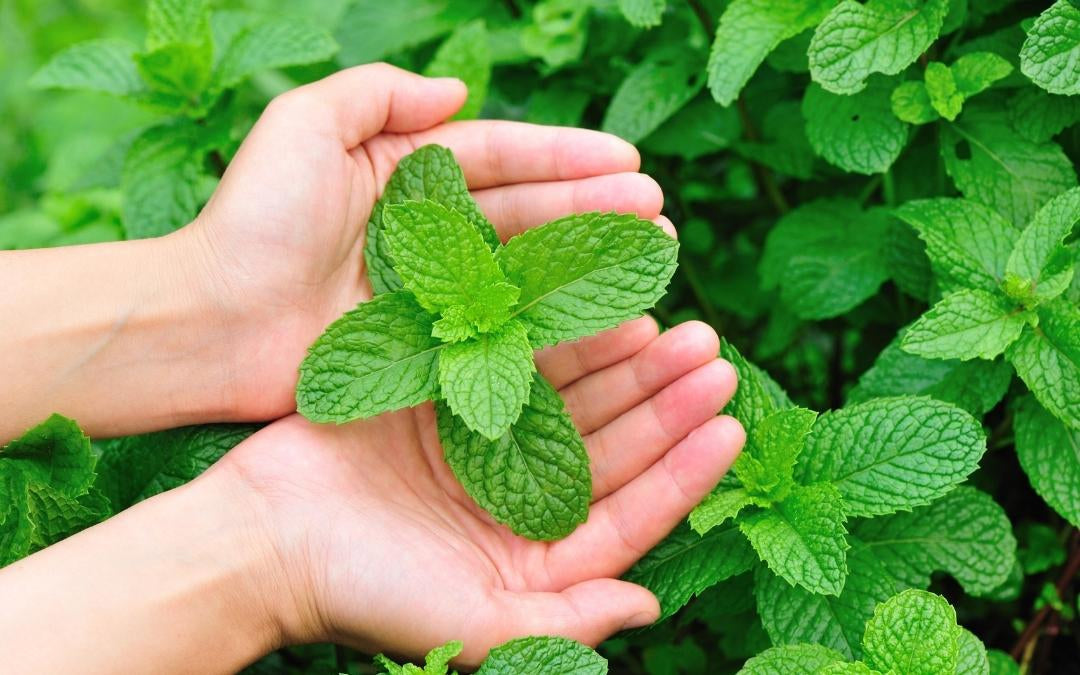
Spearmint is perhaps the most widely used culinary mint. It has a sweeter, more delicate flavor than peppermint, with a much lower menthol content. Its name comes from the spearshaped appearance of its leaves. We use spearmint in a vast array of dishes, from tabbouleh to juleps and mojitos. Its gentle, refreshing taste makes it incredibly versatile and a perfect match for both sweet and savory dishes. We find that spearmint is a great choice for beginner gardeners as it is quite robust and forgiving.
Chocolate Mint (Mentha x piperita 'Chocolate')
For those looking for a unique twist, we recommend chocolate mint. This variety offers a delightful aroma and flavor that hints at both mint and chocolate, making it a wonderful addition to desserts, especially with ice cream or in hot cocoa. While the chocolate notes are more subtle than a strong chocolate bar, we find that they add a layer of complexity that is truly special. The leaves often have a slight bronze or purple tint, adding visual interest to the garden.
Other Notable Mint Varieties
Choosing the Right Location for Your Mint
Once you’ve selected your mint variety, the next crucial step is choosing the right spot to plant it. We've found that providing the ideal environment from the start is the key to a thriving, healthy mint plant. Mint is not a particularly fussy plant, but it does have its preferences, and catering to these will lead to a more abundant and flavorful harvest.
Sunlight Requirements: Finding the Perfect Balance
Mint is a sunloving plant, but we’ve learned that it thrives best when it's not exposed to the harsh, direct sun all day. A location that receives about 46 hours of morning sun and then some afternoon shade is ideal. In our experience, too much intense afternoon sun can scorch the leaves, especially in hotter climates. The leaves may turn yellow or brown, and the plant can become stressed. We’ve also found that mint grown in full shade tends to be leggy and less flavorful. The perfect balance of sun and shade will result in a plant with lush, vibrant green leaves that are bursting with flavor.
Soil Preparation: The Foundation of Healthy Growth
Mint is incredibly adaptable to different soil types, but for optimal growth, we recommend a soil that is rich, welldraining, and consistently moist. We advise against planting mint in heavy clay soils that retain too much water, as this can lead to root rot. We prefer to amend our soil with organic matter, such as compost or wellrotted manure, which improves both drainage and fertility. The ideal pH for mint is slightly acidic to neutral, in the range of 6.0 to 7.0. We've also found that adding a layer of mulch around the base of the plant helps to retain moisture and suppress weeds, which is crucial for a healthy plant.
The Great Containment Debate: Pots vs. InGround Planting
This is perhaps the most important decision you'll make when planting mint. As we've mentioned, mint is an aggressive spreader due to its prolific runners (rhizomes) that spread horizontally just below the soil surface. These runners can quickly colonize an entire garden bed, choking out other plants. We strongly recommend planting mint in containers. This method provides a clear boundary for the plant's root system, allowing you to enjoy fresh mint without it taking over your entire garden. We've successfully grown mint in everything from small pots on a windowsill to large halfbarrels on a patio. Just be sure the container has drainage holes to prevent waterlogging. If you must plant in the ground, we advise using a root barrier, such as a large plastic pot with the bottom cut out, sunk into the ground, or a purposebuilt plastic or metal barrier. This is a nonnegotiable step for longterm garden harmony.
The Planting Process: From Seed to Established Plant
Whether you're starting from seed, a cutting, or a nursery plant, the planting process is straightforward. We've outlined the most effective methods to ensure your mint gets a strong start in life. Our experience has shown that starting with a healthy, wellestablished plant from a nursery is the easiest way to begin, but propagating from cuttings is also a very rewarding and costeffective method.
Starting from Nursery Plants
This is the simplest and most common method for beginners. We recommend selecting a healthylooking plant from a reputable nursery. Look for plants with lush, green leaves and no signs of wilting or pests. When you get the plant home, we advise you to acclimate it to its new environment for a day or two before planting. When you're ready to plant, gently remove the plant from its container, tease out any tangled roots, and place it in a predug hole or container. Backfill with soil, gently firming it around the base of the plant, and water it thoroughly. We've found that a good watering after planting helps to settle the soil and reduce transplant shock.
Propagating Mint from Cuttings
Propagating mint from cuttings is an easy and fun way to expand your collection or share with friends. We've had great success with this method. To start, we snip a 46 inch cutting from a healthy stem, just below a leaf node. We then remove the bottom leaves, leaving only a few at the top. The cutting can be rooted in two ways: in water or directly in soil. For rooting in water, we place the cutting in a glass of water, making sure a few leaf nodes are submerged. We recommend changing the water every few days to prevent rot. Roots should appear within a week or two. Once the roots are a couple of inches long, the cutting can be transplanted into soil. For rooting in soil, we simply insert the cutting into a pot of moist potting mix, ensuring a few nodes are buried. We then keep the soil consistently moist until new growth indicates the plant has rooted.
Growing Mint from Seed
While possible, we've found that growing mint from seed is not the most reliable method. Mint seeds can be slow to germinate and the resulting plants may not have the same characteristics as the parent plant due to hybridization. We typically reserve this method for gardeners who enjoy a challenge or who are interested in experimenting with new varieties. If you do choose to grow from seed, we advise starting them indoors 68 weeks before the last frost date. Sprinkle the tiny seeds on the surface of a seedstarting mix, as they need light to germinate. Keep the soil consistently moist and provide a warm environment. Once the seedlings have a few sets of true leaves, they can be transplanted into larger pots.
Essential Mint Care: Watering, Fertilizing, and Pruning
Caring for your mint plant is a continuous process, and we believe that a little bit of attention goes a long way. The right care routine will keep your mint healthy, productive, and looking its best. Our experience has taught us that mint is a relatively lowmaintenance herb, but neglecting its basic needs can quickly lead to problems like wilting, disease, and poor flavor.
Watering Mint: The Key to Keeping it Lush
Mint loves moisture, but it abhors being waterlogged. We've found that the best approach is to keep the soil consistently moist but not soggy. The frequency of watering will depend on your climate, the season, and whether your plant is in a container or in the ground. For containergrown mint, we often water daily during hot, dry weather. We always check the soil by sticking our finger about an inch deep; if it feels dry, it's time to water. We also recommend watering at the base of the plant to avoid wetting the leaves, which can help prevent fungal diseases. A good deep watering a few times a week is generally better than a light sprinkling every day, as it encourages the roots to grow deeper and makes the plant more resilient.
Fertilizing Your Mint: A Light Hand is Best
Mint is not a heavy feeder, and in our experience, overfertilizing can actually harm the plant, leading to excessive leafy growth with less flavor. If your soil is rich in organic matter, you may not need to fertilize at all. If you are growing in a container, where nutrients can leach out more quickly, we suggest a light application of a balanced liquid fertilizer every 46 weeks during the growing season. We prefer to use a halfstrength solution to avoid shocking the plant. Organic fertilizers like fish emulsion or compost tea are also excellent options that we’ve had great success with. The goal is to provide a gentle boost of nutrients, not to force rapid growth.
Pruning and Harvesting: Encouraging Bushier Growth
Regular pruning and harvesting are not just for collecting leaves; they are essential for maintaining a healthy and productive mint plant. We recommend harvesting frequently to encourage the plant to produce more side shoots, which results in a bushier, more compact growth habit. If left unpruned, mint can become leggy and woody, with less flavorful leaves. We always prune stems back by about onethird, cutting just above a leaf node. This signals the plant to produce two new stems from that point. In late spring, we also perform a more significant pruning to encourage a new flush of growth. We also cut back any flowering stems as they appear, as flowering can signal the end of the plant's productive life for that season and can change the flavor of the leaves. Removing flowers helps to direct the plant's energy back into leaf production.
Managing Pests and Diseases in Your Mint Garden
While mint is a robust plant, it is not immune to pests and diseases. We’ve found that a proactive approach, which includes regular inspection and good plant hygiene, is the best defense. Most issues can be dealt with quickly and effectively if caught early. We recommend avoiding synthetic pesticides and opting for organic, natural solutions whenever possible, as you'll be consuming the leaves.
Common Mint Pests and How to Deal with Them
We've encountered a few common pests that seem to enjoy mint as much as we do. Fortunately, we've developed simple, nontoxic methods to manage them.
Mint Diseases and Prevention Strategies
Mint can be susceptible to a few fungal diseases, especially in humid conditions or when the leaves are kept consistently wet. We've found that good airflow and proper watering techniques are the best preventive measures.
Harvesting Mint: How and When to Collect for Maximum Flavor
Harvesting mint is not a onetime event; it's a continuous process that encourages a more productive plant. We've honed our harvesting techniques over the years to ensure we get the most flavorful leaves possible. We've found that the time of day and the method you use can significantly impact the quality of your harvest.
The Best Time to Harvest Mint
We recommend harvesting mint in the morning after the dew has dried but before the sun gets too hot. This is when the leaves' essential oils, which are responsible for their aroma and flavor, are at their peak concentration. Harvesting in the cool of the morning also helps to prevent the leaves from wilting immediately after being cut. We always use a clean pair of scissors or garden shears to make a clean cut, which helps the plant heal more quickly.
Harvesting Techniques: Snipping vs. Cutting Stems
There are two primary ways we harvest mint, each with its own benefits.
The Importance of Regular Harvesting
We cannot overstate the importance of regular harvesting. It not only provides you with a constant supply of fresh mint but also keeps the plant healthy. By regularly cutting back the stems, we prevent the plant from becoming leggy and woody. It also directs the plant's energy into producing new, fresh leaves, which are far more flavorful than older, tougher ones. We suggest a "cut and come again" approach, where you harvest a little bit every week to ensure a continuous supply of tender, new growth.
Storing and Preserving Your Fresh Mint Harvest
Once you’ve harvested your mint, we've found that proper storage is key to keeping it fresh and flavorful. We've developed a few methods that we use regularly, from shortterm refrigeration to longterm preservation for yearround enjoyment. Our goal is to make sure none of your hardearned mint goes to waste.
ShortTerm Storage: Keeping Mint Fresh in the Refrigerator
For shortterm use, we've found that the best way to store fresh mint is by treating it like a bouquet of flowers. We place the cut stems in a glass of water, making sure to remove any leaves that would be submerged. We then cover the glass loosely with a plastic bag and place it in the refrigerator. This method keeps the mint fresh and crisp for about a week. We also find that wrapping the leaves in a damp paper towel and placing them in a sealed plastic bag or container in the crisper drawer works well for a few days.
LongTerm Preservation: Drying and Freezing Mint
For a longlasting supply, we recommend drying or freezing your mint. Each method has its own advantages, depending on how you plan to use the mint later.
Culinary and Medicinal Uses of Fresh Mint
Growing mint is only half the fun; the real reward comes from using your harvest. We've compiled a comprehensive list of ways to use fresh mint, from classic culinary applications to lesserknown medicinal and household uses. We believe that once you start incorporating fresh mint into your daily life, you'll wonder how you ever lived without it.
In the Kitchen: Cooking with Mint
Mint is an incredibly versatile herb that can be used in a surprising number of dishes. We've found that its bright, refreshing flavor can elevate everything from a simple salad to a complex main course.

Medicinal and Aromatic Uses of Mint
Beyond the kitchen, mint has a long history of medicinal and aromatic uses. We’ve found that a simple plant can provide a surprising number of health and wellness benefits.
Advanced Mint Growing Techniques and Tips
For the more experienced gardener, we've compiled a few advanced techniques that can help you get even more from your mint plants. These methods are designed to maximize your harvest, experiment with new growing styles, and ensure your mint is as healthy and productive as possible.
Companion Planting with Mint
While mint is known for its aggressive nature, we've found that it can be a beneficial companion plant in the garden, as long as it's properly contained. Its strong aroma can deter a number of pests, protecting nearby vegetables. We recommend planting contained mint near vegetables that are susceptible to aphids, such as cabbage and broccoli. However, we caution against planting it next to plants that prefer drier conditions, as mint's need for consistent moisture can be detrimental to its neighbors.
Growing Mint Indoors: YearRound Freshness
For those without a garden, or for those who want a continuous supply of fresh mint through the winter, we’ve found that growing mint indoors is an excellent option. We select a sunny windowsill that receives at least 46 hours of light a day. We use a welldraining potting mix and a container with good drainage. We’ve found that a simple grow light can be a gamechanger for maintaining a healthy indoor plant, especially during the shorter days of winter. We also mist the leaves occasionally to replicate the humidity that mint loves.
Hydroponic Mint Cultivation
For the truly dedicated gardener, we've had great success growing mint hydroponically. This method, which involves growing plants in a nutrientrich water solution, allows for faster growth and a more efficient use of space. We've found that a simple hydroponic setup can provide a constant supply of fresh mint with minimal effort. The key is to maintain the proper nutrient balance and water pH. While it may seem complicated, we've found that many small, consumergrade hydroponic systems are perfect for growing mint at home.
Troubleshooting Common Mint Problems
Even with the best care, you may encounter a few common problems with your mint plant. We've put together a quick troubleshooting guide to help you identify and solve issues, ensuring your plant remains vibrant and productive.
Why are my mint leaves turning yellow?
We've found that yellowing leaves are often a sign of a few common issues. The most frequent cause is overwatering or poor drainage, which can lead to root rot. We recommend checking the soil's moisture level and ensuring your container has adequate drainage. Another cause can be a lack of nitrogen, which we address with a light application of a balanced liquid fertilizer. Yellowing can also be a sign of too much direct sunlight or a pest infestation, so we advise you to check for those as well.

Why is my mint plant leggy and sparse?
We typically see a leggy mint plant when it's not getting enough sunlight or isn't being harvested regularly. We recommend moving the plant to a location with more sunlight. We also emphasize the importance of regular harvesting and pruning, which encourages the plant to become bushier. Cutting the stems back by a third will force the plant to produce new shoots, creating a more compact and productive plant.
Why does my mint have a weak flavor?
A weak flavor is often a result of insufficient sunlight or improper watering. We've found that mint plants grown in too much shade will produce leaves with less flavor because they are not producing enough essential oils. We also know that a lack of water can stress the plant and reduce the flavor. We recommend ensuring your plant is in a location with at least 46 hours of sun and that it is receiving consistent moisture. We've also noticed that older leaves tend to be less flavorful than new growth, so we always prune the plant to encourage fresh, new leaves.
Conclusion: The Reward of Growing Your Own Mint
From our extensive experience, growing mint leaves is one of the most rewarding and straightforward gardening projects you can undertake. It's an herb that gives back tenfold, providing a constant supply of fresh, flavorful leaves for your culinary and medicinal needs. We’ve found that the simple act of stepping outside and harvesting your own mint can be a daily dose of joy, connecting you to the natural world in a meaningful way. We believe that by following the detailed guidance we’ve provided—from choosing the right variety and location to mastering care and harvesting techniques—you will achieve a thriving mint plant that will be a source of pleasure for years to come.
We’ve covered every possible aspect of growing mint, providing you with a complete roadmap to success. We've shown you how to choose the right type of mint for your needs, whether it's the classic peppermint for tea or the sweet spearmint for a mojito. We’ve stressed the critical importance of containment and provided practical solutions to prevent your mint from becoming invasive. We’ve also detailed the essential care practices of watering, fertilizing, and pruning that will keep your plant in peak condition. And finally, we’ve provided a wealth of information on how to use your harvest, from a simple garnish to a soothing tea, ensuring that your efforts in the garden translate into delicious and healthy results in your daily life. We hope this comprehensive guide inspires you to start your own mintgrowing journey. The rewards, we can assure you, are well worth the effort.


Comments
Post a Comment