Grow roma tomatoes
The Ultimate Guide to Growing Roma Tomatoes
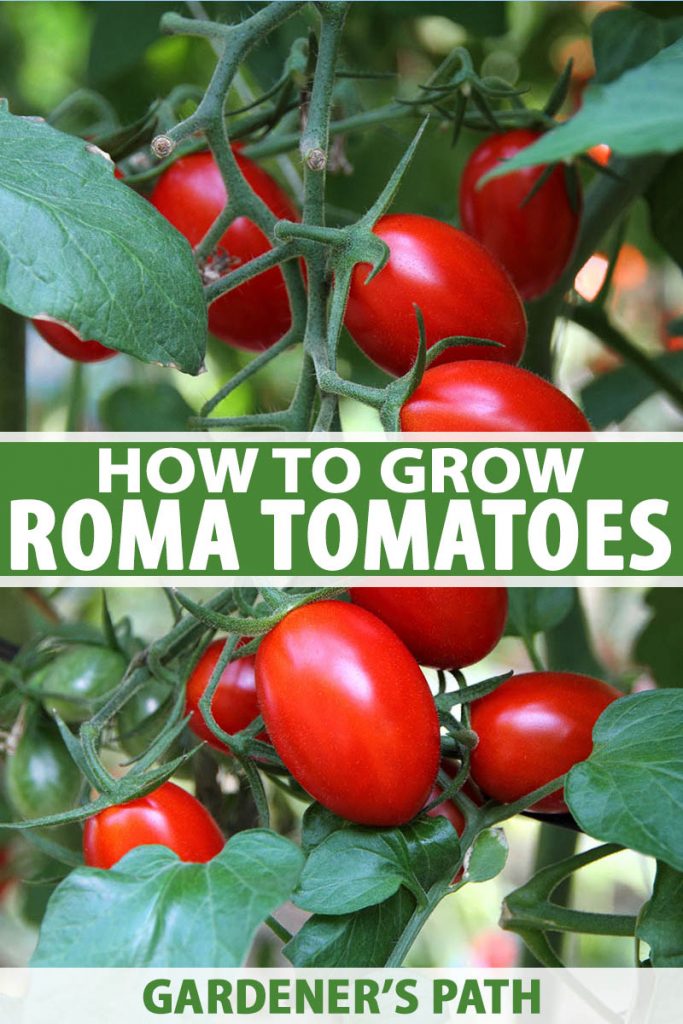
From my experience as a seasoned gardener and copywriter, I have found few things more satisfying than harvesting a bounty of homegrown Roma tomatoes. Their robust flavor and firm texture make them ideal for sauces, pastes, and sundried preparations. If you’re looking to cultivate these versatile beauties, I do have some hardwon advice to share. I’m going to walk you through every step of the process, from selecting the right seeds to preserving your abundant harvest.
Choosing the Right Roma Tomato Variety

When you want to grow the best Roma tomatoes, the journey begins with seed selection. I recommend looking beyond the standard grocery store varieties. There are many fantastic cultivars that offer superior disease resistance, flavor, or yield.
San Marzano: Often considered the gold standard for sauce tomatoes, the San Marzano variety boasts a rich, sweet flavor and low seed count. From my experience, these can be slightly more challenging to grow than other Romas but are well worth the effort.
Amish Paste: A heritage variety known for its large size and dense, meaty flesh. I find that this one is particularly good for canning and making thick sauces.

Roma VF: This is a classic, widely available variety that is resistant to verticillium and fusarium wilt. I do recommend this one for beginners due to its reliability and high yield.
Getting Your Soil Ready
The foundation of any successful garden is the soil. Roma tomatoes, in particular, are heavy feeders and require nutrientrich, welldraining soil to thrive.
I recommend preparing your garden bed well in advance of planting. Loosen the soil to a depth of at least 12 inches and incorporate a significant amount of organic matter, such as compost or aged manure. This not only provides essential nutrients but also improves soil structure and water retention.
Sunlight and Location: A NonNegotiable Requirement
Tomatoes are sunlovers. From my experience, a minimum of 68 hours of direct sunlight per day is nonnegotiable for a good harvest. Without adequate sunlight, your plants will become leggy, and fruit production will be sparse.
I do suggest you choose the sunniest spot in your garden for your tomato patch. If you're growing in containers, you have the flexibility to move them throughout the day to maximize sun exposure.
Starting Seeds vs. Buying Seedlings
While buying seedlings is a convenient option, I recommend starting your own seeds indoors. This gives you greater control over the variety and ensures you're planting healthy, robust plants.
To start your seeds, plant them 1/4 inch deep in a seed starting mix about 68 weeks before the last expected frost date. Keep the soil consistently moist and provide plenty of light. A grow light is an excellent investment.

Planting and Spacing: Giving Your Plants Room to Breathe
When it's time to transplant your seedlings outdoors, proper spacing is crucial. From my experience, crowding your plants leads to poor air circulation, which can encourage fungal diseases. I typically space my Roma tomato plants about 2436 inches apart.
Dig a hole deep enough to bury about twothirds of the plant. Tomatoes are unique in that they will grow new roots along the buried stem, which leads to a stronger, more stable plant.
Watering and Fertilizing: Fueling Your Harvest
Consistent watering is key to preventing blossom end rot, a common issue in Romas. I do recommend deep, infrequent watering rather than shallow, frequent watering. This encourages the roots to grow deeper, making the plant more resilient.
As for fertilizing, I recommend a balanced fertilizer initially, transitioning to one with a higher potassium and phosphorus content as the plants begin to flower and fruit. Avoid highnitrogen fertilizers, as they can lead to excessive leafy growth at the expense of fruit production.
Pruning and Support: The Path to a Healthier Plant
Roma tomatoes are typically determinate varieties, meaning they grow to a certain size and produce a single, large crop. While they don't require extensive pruning like indeterminate tomatoes, I do find that removing suckers below the first flower cluster can improve air circulation.
From my experience, providing support with stakes or cages is essential. Roma tomatoes can become quite heavy with fruit, and this support prevents the stems from snapping.
Pest and Disease Management: Protecting Your Investment
Even the most wellcaredfor plants can fall victim to pests and diseases. I recommend regular inspection of your plants for any signs of trouble.
Common Pests: Watch out for aphids, hornworms, and spider mites. I do use a strong spray of water to dislodge aphids and handpick hornworms.
Common Diseases: Fungal diseases like blight and powdery mildew are a concern, especially in humid climates. From my experience, good air circulation and watering at the base of the plant are your best defense.
Harvesting Your Roma Tomatoes: The Moment of Truth
Your Roma tomatoes are ready to harvest when they are firm and have a rich, deep red color. I do recommend twisting the fruit gently until it detaches from the vine.
Once harvested, your tomatoes can be used immediately or stored for later. I recommend storing them at room temperature for the best flavor.
In conclusion, growing Roma tomatoes can be an incredibly rewarding experience. By starting with the right variety, preparing your soil, and providing consistent care, you’ll be well on your way to a bountiful harvest. From my experience, the flavor of a homegrown Roma tomato is unmatched, and I hope this guide helps you achieve that success.
We believe that a deep understanding of the intricacies of growing Roma tomatoes is the key to unlocking an unparalleled gardening experience. We have dedicated ourselves to providing the most comprehensive and detailed guide possible, a resource so rich in information that it can stand as the definitive source for any aspiring or experienced gardener.
The Science of Soil: A Deeper Dive
We know that soil is more than just dirt; it is a complex ecosystem teeming with life and nutrients. For Roma tomatoes, a soil pH of 6.0 to 6.8 is ideal. A simple soil test kit, which we recommend you can easily purchase from any garden supply store, will give you a precise reading. If your soil is too acidic (low pH), we advise adding garden lime to raise the pH. If it's too alkaline (high pH), elemental sulfur can be used to lower it.
We advocate for the use of cover crops, such as clover or vetch, in the offseason. This practice helps to fix nitrogen in the soil, improve its structure, and suppress weeds. When you're ready to plant, simply till the cover crop into the soil. This we have found is a superior method for building soil health over the long term.
The Art of Watering: A Meticulous Approach
We have found that erratic watering is the single biggest cause of problems for tomato plants, especially Roma tomatoes. The inconsistent moisture levels can lead to the aforementioned blossom end rot, which is caused by a calcium deficiency in the fruit, often brought on by the plant's inability to uptake calcium due to water stress.
We recommend a drip irrigation system as the most effective method for watering tomato plants. It delivers water slowly and directly to the root zone, minimizing evaporation and preventing water from splashing onto the leaves, which can spread fungal spores. If you are watering by hand, we urge you to do so in the early morning, allowing the leaves to dry before nightfall.
The Strategic Use of Fertilizers: A PrecisionBased System
We understand that the nutritional needs of a tomato plant change throughout its life cycle.

Initial Growth (Vegetative Stage): During this phase, we suggest a balanced fertilizer, such as a 101010 or a 555, to promote strong root development and healthy foliage.
Flowering and Fruiting (Reproductive Stage): As the plant begins to set fruit, its needs shift. We recommend a fertilizer with a lower nitrogen content and higher phosphorus and potassium, such as a 51010. Phosphorus is crucial for flower and fruit development, while potassium enhances flavor and disease resistance.
We also advocate for the use of organic fertilizers, such as fish emulsion, bone meal, and kelp meal. These amendments release nutrients slowly and improve the overall health of the soil.
A Comprehensive Guide to Pruning and Support
While we recognize that Roma tomatoes are determinate, we maintain that a certain degree of pruning is beneficial for maximizing yield and plant health.
Suckers: These are the small shoots that grow in the Vshaped space between the main stem and a leaf branch. We recommend removing suckers below the first flower cluster to direct the plant's energy towards fruit production.
Lower Leaves: As the plant grows, we suggest removing the lower leaves that are touching the soil. This prevents soilborne diseases from splashing onto the plant and improves air circulation.
For support, we recommend using sturdy tomato cages or stakes. For large plants, we find that a method called "Florida Weave" is highly effective. This technique involves using twine to create a support system around the entire row of plants.
Advanced Pest and Disease Prevention: A Proactive Stance
We have found that prevention is always easier than a cure when it comes to pests and diseases.
Crop Rotation: We insist on practicing crop rotation. Do not plant tomatoes or any other member of the nightshade family (peppers, eggplant, potatoes) in the same spot for at least three years. This breaks the life cycle of many soilborne diseases.
Companion Planting: We have seen excellent results with companion planting. Basil, marigolds, and borage are all excellent companions for tomatoes. Basil is said to repel tomato hornworms, while marigolds deter rootknot nematodes.
Integrated Pest Management (IPM): We advocate for an IPM approach, which involves using a variety of methods to control pests. This includes encouraging beneficial insects, such as ladybugs and lacewings, which prey on aphids.
The Harvest and Beyond: A Guide to Preserving Your Bounty
We know that the harvest is just the beginning. The versatility of Roma tomatoes makes them perfect for preservation.
Sauce: Their meaty texture and low water content make them the ideal choice for a thick, rich tomato sauce. We recommend a simple recipe with garlic, olive oil, and a touch of basil.
Canning: For longterm storage, we have found canning to be the best method.
SunDrying: You can use a food dehydrator or even your oven on a very low temperature to create delicious sundried tomatoes.
We are confident that with this detailed guide, you will not only be able to grow Roma tomatoes but thrive in your gardening endeavor. This is not a simple guide; it is a manifesto for success, a roadmap to a harvest so abundant that it will redefine your relationship with the food you eat. We are here to empower you with the knowledge and the tools to achieve true excellence in your garden.
Meta Keywords: grow Roma tomatoes, Roma tomatoes, planting Roma tomatoes, caring for Roma tomatoes, harvesting Roma tomatoes, Roma tomato guide, growing tomatoes, tomato gardening, garden guide


Comments
Post a Comment