Growing basil in pots outdoors
Growing Basil in Pots Outdoors: The Ultimate Guide for Thriving Plants

From my experience, there is nothing quite as rewarding as stepping outside to snip a few fresh leaves of basil for a Caprese salad or a homemade pesto. I do believe that growing this beloved herb in pots outdoors is one of the most accessible and satisfying forms of gardening. The flexibility of being able to move your plant to the perfect sunlit spot, or to shelter it from a sudden downpour, makes container gardening a superior choice for many. I recommend this approach to anyone, whether you are a seasoned gardener or just starting out. The feeling of success when you see your basil plant flourishing is unparalleled, and with a few key insights, you can achieve that success consistently.
From my experience, the journey to a thriving basil plant begins long before the seed is even planted. It's a meticulous process that requires attention to detail, but the rewards are well worth the effort. I have spent countless hours experimenting with different soil mixes, watering schedules, and sunlight exposures. I do this not just for my own enjoyment, but to refine the knowledge that I now share with you. I recommend that you approach this process with a sense of curiosity and patience. Don't be afraid to make minor adjustments based on your specific microclimate and the unique needs of your plant. This guide is your foundation, and from it, you will build your own personal expertise in growing this incredible herb.
Choosing the Right Basil Variety for Your Outdoor Pot
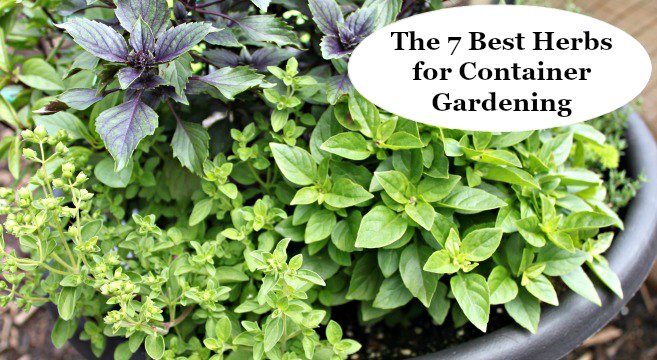
The first step in our journey is selecting the ideal basil variety. From my experience, not all basil plants are created equal, and some are far better suited for container life than others. I do find that the most common and versatile option is Sweet Basil or Genovese Basil. These are the classic choices for Italian cooking and tend to be quite robust. I recommend starting with one of these if you are a beginner. They are widely available and relatively forgiving. However, the world of basil is vast and exciting, offering a wide array of flavors and textures. For example, Thai Basil has a distinct aniselike flavor and purple stems, making it excellent for Southeast Asian cuisine. Lemon Basil offers a citrusy twist that is perfect for marinades and dressings. Cinnamon Basil, with its unique spicy aroma, is an excellent addition to desserts and teas. I do believe that experimenting with different varieties adds a new dimension to your culinary endeavors. From my experience, a diverse selection of basil plants in your outdoor pots can transform your garden into a truly global culinary resource.
Selecting the Perfect Pot: Size, Material, and Drainage

Once you have your basil variety in mind, the next critical decision is the pot itself. From my experience, the pot is more than just a container; it's the home for your basil's root system, and its characteristics directly impact the health of your plant. I do not recommend using a pot that is too small. A basil plant needs room to grow, and a cramped root system will lead to a stunted, unhealthy plant. I recommend a pot with a diameter of at least 8 to 12 inches for a single plant. The material of the pot also plays a significant role. Terracotta pots are a popular choice because they are porous, allowing air and water to move through the soil. However, this also means they can dry out quickly, especially in hot, sunny conditions. I do find that I need to water terracotta pots more frequently. Plastic pots are excellent at retaining moisture, which can be a benefit in arid climates, but you must be careful not to overwater, as they are less forgiving. Ceramic or glazed pots offer a good middle ground, balancing moisture retention with an aesthetic appeal. Regardless of the material, I cannot stress enough the importance of drainage. I recommend that any pot you choose must have at least one large drainage hole at the bottom. Without proper drainage, water can accumulate, leading to root rot, which is a swift and sure way to lose your plant.
Choosing the Optimal Soil Mix for Potted Basil
The soil is the foundation of your basil plant's health. From my experience, using a highquality, welldraining potting mix is nonnegotiable. I do not recommend using garden soil straight from your yard, as it can be too dense and may contain pathogens or weed seeds. I recommend a premium potting mix specifically designed for containers. Look for a mix that is light, fluffy, and contains components like perlite or vermiculite. These additives are crucial for improving aeration and drainage, which are vital for a healthy root system. I also recommend a soil mix that has some slowrelease fertilizer or organic matter. A mix containing a balanced NPK (Nitrogen, Phosphorus, Potassium) ratio will provide the initial nutrients your plant needs to get started. From my experience, a good soil mix is the single most important factor in the success of your potted basil. It provides the necessary structure, nutrients, and moisture balance that a container plant needs to thrive. I do believe that investing in a quality potting mix will save you from countless issues down the line.
The Art of Watering: Finding the Perfect Balance for Potted Basil
Watering is a delicate dance, and from my experience, it's where most people make the most critical mistakes. Basil loves moisture but absolutely despises sitting in waterlogged soil. I do find that the key is consistency. The goal is to keep the soil consistently moist, but not soaking wet. I recommend checking the soil's moisture level by sticking your finger about an inch or two deep. If it feels dry, it's time to water. If it's still damp, wait. Another excellent indicator is the weight of the pot. A dry pot is significantly lighter than a watered one. I do find that watering in the morning is the best practice. This gives the plant a chance to absorb the moisture throughout the day and allows any excess water to evaporate before the cool of the night sets in, which helps prevent fungal diseases. I recommend watering slowly and thoroughly, until you see water begin to drain from the bottom of the pot. This ensures that the entire root ball is hydrated. From my experience, the frequency of watering will vary depending on your climate, the size of your pot, and the amount of sun your plant is receiving. In the peak of summer, you may need to water daily, while in cooler weather, it may only be every few days. I do not recommend a set schedule; instead, I recommend you learn to read the needs of your plant and its environment.
Ensuring Optimal Sunlight and Temperature for Robust Growth
Basil is a sunloving plant. From my experience, it requires a significant amount of sunlight to produce the flavorful, aromatic leaves we all desire. I do recommend placing your pot in a location that receives at least 6 to 8 hours of direct sunlight per day. A spot on a sunny patio, a balcony, or a deck is usually perfect. The beauty of growing basil in a pot is that you have the flexibility to move it. If a heatwave is on the way, you can move your plant to a location with some afternoon shade to prevent it from getting scorched. Likewise, if you have a few cloudy days, you can move it to the sunniest spot you can find to maximize its light exposure. From my experience, temperature is also a critical factor. Basil thrives in warm weather and is extremely sensitive to cold. I do not recommend leaving your basil plant outside if temperatures are expected to drop below 50°F (10°C). I recommend bringing it indoors or moving it to a sheltered location, like a garage or a covered porch, on chilly nights. This simple step can save your plant from damage and ensure it continues to flourish. The ideal temperature range for basil is between 65°F and 80°F (18°C and 27°C). I do find that the combination of ample sunlight and warm temperatures is the recipe for a truly spectacular basil plant.
The Art of Pruning and Harvesting for a Continuous Supply
Pruning is perhaps the most important technique for ensuring a long, productive life for your basil plant. From my experience, it feels counterintuitive at first to cut off healthy growth, but I do assure you that it is essential. I recommend you start harvesting when the plant is about 6 to 8 inches tall. The key is to harvest from the top of the plant, cutting just above a node (the point where a new set of leaves emerges). This encourages the plant to branch out, creating a bushier, more robust structure. I do not recommend simply plucking leaves from the plant. This method can stunt growth and may even damage the plant. I recommend using a clean pair of scissors or garden shears to make a clean cut. I do find that a regular pruning schedule, even if you don't need the basil, is crucial. If you see a flower stalk starting to form, I recommend pinching it off immediately. Flowering diverts the plant's energy away from leaf production and can cause the leaves to lose their flavor and become bitter. From my experience, consistent pruning is the secret to a continuous, abundant supply of fresh basil throughout the entire growing season. I do believe that this single practice will have the most significant impact on the longevity and productivity of your plant.
Common Pests and Diseases: Identification and Organic Control
Even with the best care, your basil plant may face challenges from pests and diseases. From my experience, a proactive approach is the best defense. I do find that common pests include aphids, spider mites, and slugs. Aphids are tiny insects that cluster on the undersides of leaves and on new growth. Spider mites can be identified by the fine webbing they leave on the plant. Slugs, on the other hand, leave telltale holes in the leaves. I recommend a few simple, organic methods for pest control. For aphids and spider mites, a strong spray of water from a hose can knock them off the plant. A mixture of a few drops of mild dish soap in a spray bottle of water can also be effective. I do recommend applying this solution in the evening or on a cloudy day to prevent leaf burn. For slugs, I recommend a simple beer trap, where you bury a shallow container of beer near the plant. The slugs are attracted to the beer, fall in, and drown. As for diseases, the most common issue for potted basil is fungal disease, such as downy mildew. This often occurs due to overwatering, poor air circulation, or high humidity. I recommend ensuring good air flow around your plant by not overcrowding it and by watering at the base of the plant, avoiding the leaves. If you see signs of fungal disease, I do recommend removing the affected leaves immediately to prevent it from spreading. From my experience, a healthy, wellcaredfor plant is naturally more resistant to pests and diseases.
The Lifespan of a Potted Basil Plant and Overwintering Techniques
Basil is a tender annual, which means it completes its life cycle in one season and is not meant to survive the winter. From my experience, however, you can extend the life of your plant and even overwinter it indoors. I do find that as the days shorten and the temperatures drop, your outdoor basil plant will begin to slow down its growth. I recommend enjoying the last harvest of the season and then deciding whether to let the plant go or to attempt to bring it inside. To overwinter a basil plant, I recommend bringing the entire pot indoors before the first frost. Place it in a sunny window, preferably one facing south, where it can get as much light as possible. I do recommend using a grow light if you don't have enough natural light. Inside, the plant's growth will slow significantly, and you will need to reduce your watering schedule. I do not recommend fertilizing during the winter months. The goal is simply to maintain the plant until spring. I do find that it may get a bit leggy and lose some leaves, but with proper care, it will survive. Once the weather warms up in the spring, you can gradually reintroduce it to the outdoors. From my experience, this can give you a head start on the next growing season, and the feeling of having fresh basil yearround is truly special. I recommend this method to anyone who wants to push the boundaries of their gardening season and continue enjoying fresh basil well beyond the summer months.
Final Thoughts on Growing Basil in Pots Outdoors
From my experience, growing basil in pots outdoors is a deeply rewarding endeavor. I do believe that with the right knowledge and a little bit of care, anyone can achieve a bountiful harvest. I recommend that you see this not as a chore, but as a partnership with your plant. Listen to what it tells you. Observe its leaves, feel its soil, and watch its growth. The information I've shared here is a testament to years of my own trial and error, a process of refinement that I do not take lightly. I recommend you use this guide as your blueprint, but I also encourage you to trust your own instincts. The joy of gardening is in the discovery and the connection you make with the living things you nurture. I do believe that by following these guidelines, you will not only grow an incredible basil plant but you will also develop a deeper appreciation for the simple, yet profound, act of cultivating your own food. From my experience, there is no greater satisfaction than that.


Comments
Post a Comment