Growing conditions for oregano

The Foundation: Ideal Soil Conditions for Oregano
When we talk about growing oregano, we must first address the soil. This is, without a doubt, the most crucial factor for a healthy plant. We do not want to use rich, heavy, moistureretaining soil that might be perfect for many vegetables. On the contrary, we want to replicate the welldrained, even lean, soil of its native environment.
The Perfect Recipe for Oregano Soil
We recommend a soil mixture that is predominantly sandy or gravelly. A good starting point is a mix of garden soil, coarse sand, and a small amount of compost. The key is to ensure that water never sits around the roots. Root rot is the most common killer of oregano, and it’s a direct consequence of poor drainage. We find that a raised bed or a container is often the most effective way to ensure proper drainage, especially if your native soil is clayheavy.
The Role of pH in Oregano Growth
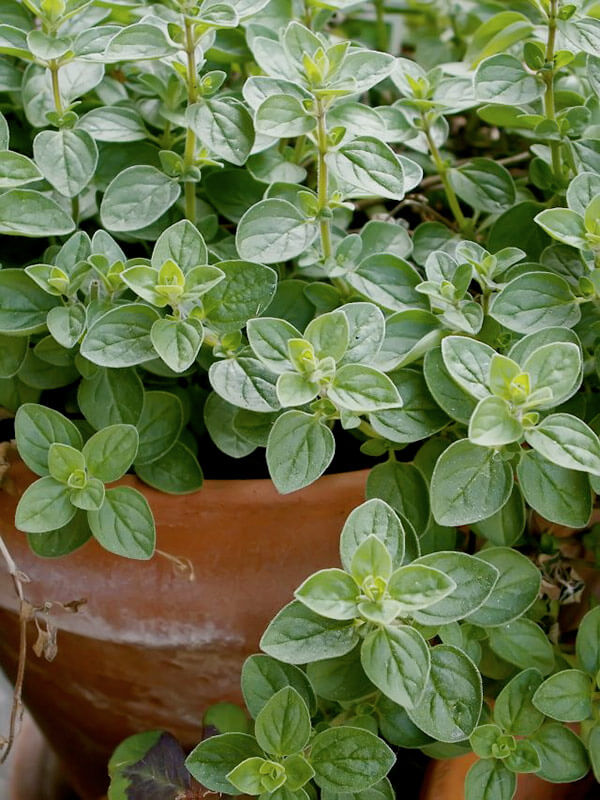
The pH of the soil is another vital, yet often overlooked, detail. Oregano prefers a slightly alkaline to neutral pH, ideally in the range of 6.0 to 8.0. If your soil is too acidic, you can amend it with a small amount of lime to raise the pH. We find that a simple soil test kit can provide invaluable information to help us create the perfect environment for our plants.
The Importance of Drainage Holes
For those of us growing oregano in containers, we cannot overstate the importance of ample drainage holes. We must ensure that any pot we use has several large holes at the bottom. We recommend adding a layer of gravel or broken pot pieces at the very bottom of the container before adding the soil mix to further enhance drainage.
Sunlight: The Fuel for Oregano's Flavor
Oregano is a true sunworshipper. Its robust, pungent flavor is a direct result of the energy it absorbs from the sun. We find that a minimum of six to eight hours of direct sunlight per day is essential for producing the most aromatic leaves.
Full Sun vs. Partial Shade
While oregano thrives in full sun, we acknowledge that in extremely hot climates (USDA Zone 7 and above), a little afternoon shade can be beneficial. It helps to prevent the plant from scorching and wilting during the hottest part of the day. However, we must stress that anything less than four hours of direct sun will result in a less flavorful, leggy plant.
The Consequences of Insufficient Sunlight
A lack of sunlight will lead to an oregano plant that is weak, spindly, and pale. The leaves will be smaller, and the essential oils that give oregano its characteristic flavor will be significantly diminished. We do not want to settle for mediocre results. We aim for excellence, and that starts with providing our plants with the light they crave.
The Art of Watering Oregano
This is where many new gardeners go wrong. They treat oregano like a thirsty vegetable plant, but it’s a droughttolerant herb. We do not want to overwater it. We must remember its Mediterranean roots, where it is accustomed to long, dry spells.
The "Wait and See" Approach
Our preferred watering method is to let the soil dry out completely between waterings. We recommend checking the soil by sticking a finger about two inches deep. If it feels dry, it's time to water. If it’s still damp, we wait. This is a simple but highly effective technique.
The Risks of Overwatering
As we mentioned earlier, overwatering leads to root rot, which is a silent killer. The signs are often subtle at first: a yellowing of the lower leaves, a general lack of vigor. By the time the plant is wilting, it may be too late. We must be disciplined in our watering schedule and err on the side of caution.
Watering Containers vs. InGround Plants
Containergrown oregano will dry out faster than plants in the ground, especially during the summer. We must be vigilant in checking them but still adhere to the principle of letting the soil dry out. We recommend watering deeply and less often, rather than lightly and frequently.
Planting and Propagation: Building a Thriving Oregano Garden
Once we have our ideal soil and location, it's time to plant. We find that oregano is incredibly easy to establish, whether from seed, a cutting, or a nursery plant.
Planting from Seed
We can start oregano seeds indoors six to ten weeks before the last frost. The seeds are tiny and require light to germinate, so we simply press them onto the surface of a seedstarting mix and mist them gently. The ideal soil temperature for germination is around 70°F (21°C). Once the seedlings are a few inches tall, we can thin them out and harden them off before transplanting them outdoors.
Propagating from Cuttings

Propagating oregano from cuttings is a very rewarding and reliable method. We simply take a 4 to 6inch cutting from a healthy stem, strip off the lower leaves, and place it in a glass of water or a pot of moist, welldraining soil. In a few weeks, we will see roots begin to form. Once the root system is established, we can plant the new oregano plant in its permanent home.
Transplanting Nursery Plants
The easiest and most common way to start is with a nursery plant. We recommend planting them in the spring after the last threat of frost has passed. We must make sure to plant them at the same depth they were in their original container and space them at least 12 inches apart to allow for good air circulation.
Pruning and Maintenance: Ensuring a Bountiful Harvest
Oregano is a prolific grower, and regular pruning is essential for maintaining its health and flavor. We do not want the plant to become woody and leggy.
The Purpose of Pruning
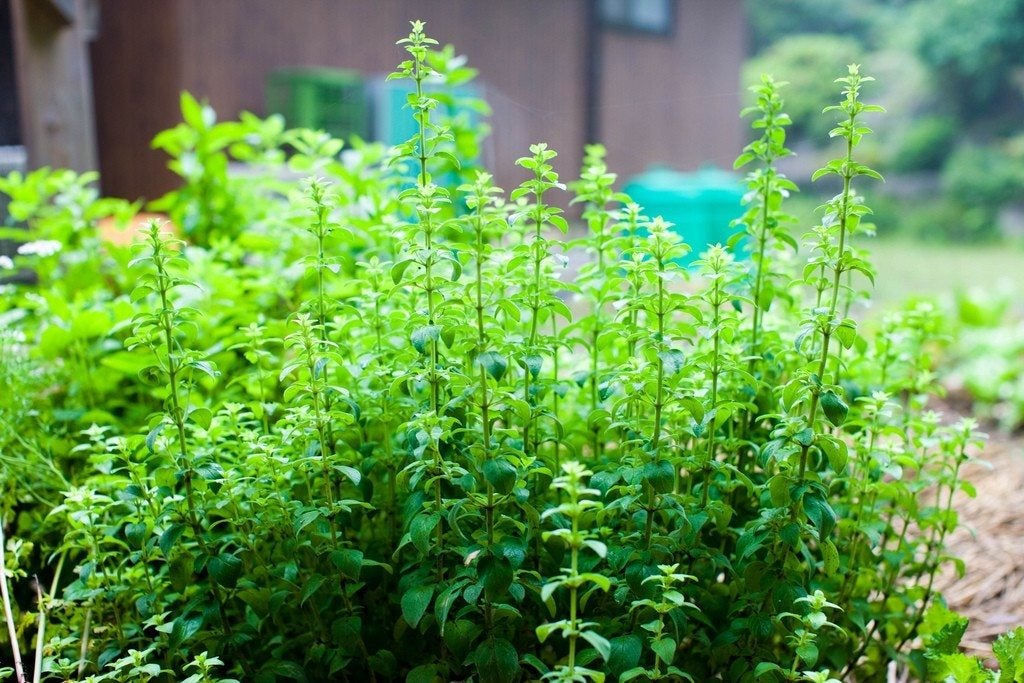
We prune to encourage new, bushier growth. The new leaves are always the most flavorful. We can begin to harvest once the plant is about four to six inches tall by snipping off the top few inches of a stem. This simple act encourages the plant to branch out.
The "OneThird" Rule

We recommend a general rule of thumb: never harvest more than onethird of the plant at a time. This ensures that the plant has enough foliage to continue photosynthesizing and growing vigorously. We can harvest throughout the growing season, with the best flavor occurring just before the plant flowers in midsummer.
Cutting Back for Winter
In colder climates (USDA Zone 46), oregano is a perennial that will die back in the winter. We can cut the plant back to a few inches above the ground in late fall to prepare it for dormancy. In milder climates, oregano may be evergreen, providing fresh leaves all year.
Common Pests and Diseases: A Proactive Approach
Oregano is a remarkably pestresistant herb, thanks to its strong scent and essential oils. However, it can still fall victim to a few common issues, especially in humid or poorly drained conditions.
Fungal Issues: The Culprit and the Cure

The most common issue we see with oregano is fungal problems like powdery mildew or root rot. These are almost always a result of poor air circulation or overwatering. We must ensure our plants have adequate spacing and are not watered from overhead. If a fungal issue does arise, we can apply a natural fungicidal spray, but the best approach is always prevention.
Pests to Watch Out For
While rare, we have seen infestations of aphids and spider mites. We recommend a regular inspection of the undersides of the leaves. If we find these pests, we can spray the plant with a strong jet of water or a solution of insecticidal soap. The strong aroma of oregano also helps to deter many of these pests.
Harvesting, Drying, and Storing: Preserving Oregano's Flavor
The entire purpose of growing oregano is to enjoy its flavor. We must know the proper way to harvest and preserve it to enjoy it yearround.
The Best Time to Harvest
As we mentioned, the most flavorful leaves are found just before the plant flowers. We recommend harvesting in the morning after the dew has evaporated but before the heat of the day has set in. This is when the concentration of essential oils is at its peak.
The Art of Drying Oregano
Drying oregano is a simple and effective way to preserve its flavor. We can hang small bundles of stems upside down in a warm, dry, and wellventilated area, out of direct sunlight. Once the leaves are brittle and easily crumble, we can strip them from the stems and store them in an airtight container. We have found that dried oregano is often more potent than fresh.
The Secret to LongTerm Storage
For a flavor that lasts, we recommend storing dried oregano in a cool, dark place, away from heat and light. A cupboard or pantry is an ideal location. Properly stored, dried oregano can maintain its potency for over a year.
Oregano Varieties: A World of Flavors and Textures
While Origanum vulgare is the most common variety, we must acknowledge the diversity of the oregano family. Each variety offers a unique flavor profile and aesthetic appeal. We find that experimenting with different types can add depth and complexity to our culinary creations.
Greek Oregano (Origanum vulgare subsp. hirtum)
This is what we consider "true oregano." From our experience, it has the most robust, peppery, and pungent flavor. It's the variety most commonly used in Mediterranean cuisine, and we believe it's a musthave for any serious herb garden.
Italian Oregano (Origanum x majorana)
A hybrid of oregano and marjoram, Italian oregano has a milder, more balanced flavor. We find it to be a more versatile herb for a wider range of dishes, particularly ItalianAmerican cooking.
Golden Oregano (Origanum vulgare 'Aureum')
This variety is grown as much for its striking goldenyellow foliage as for its flavor. We recommend growing it in partial shade, as full sun can sometimes scorch its delicate leaves.
Mexican Oregano (Poliomintha longiflora or Lippia graveolens)
This is not a true oregano in the Origanum genus, but its flavor is so similar that it's worth mentioning. It has a stronger, more citrusy and aniselike flavor. We find it is a perfect complement to Mexican and Southwestern dishes.
The Culinary and Medicinal Uses of Oregano
Beyond the garden, oregano is a powerhouse of flavor and beneficial properties. We do not just grow it for its aesthetic appeal; we grow it for its transformative power in the kitchen and beyond.
A Staple in the Kitchen
We use oregano in countless dishes. It's the quintessential herb for pizza, pasta sauces, roasted vegetables, and grilled meats. Its flavor intensifies with cooking, making it a perfect addition to stews and soups. We find that a sprinkle of fresh oregano at the end of a dish can brighten the flavors and add a fresh, pungent note.
Medicinal and Health Benefits
We are increasingly aware of the health benefits associated with oregano. From our research, we know it is a potent source of antioxidants and has antimicrobial properties. Oregano oil, in particular, has been used for centuries to treat various ailments. We must, however, emphasize that while these properties are welldocumented, we should always consult with a healthcare professional before using it for medicinal purposes.
The Final Word: Growing Your Best Oregano
Growing oregano is a simple, rewarding process that connects us to ancient culinary traditions. We must remember that it's a hardy, resilient plant that asks for little but gives so much. By providing it with the right soil, the sun it craves, and a disciplined approach to watering, we can ensure a continuous supply of this extraordinary herb. From my experience, the joy of snipping a fresh sprig from your own garden and adding it to a dish is unparalleled. I recommend you start today.


Comments
Post a Comment