Growing oregano in pots outdoors
Growing Oregano in Pots Outdoors: Your Ultimate Guide to a Bountiful Harvest
From my experience, mastering the art of growing herbs in containers can be one of the most rewarding aspects of gardening, and when it comes to fragrant, versatile herbs, few can compare to oregano. I do believe that with the right approach, anyone can cultivate a thriving oregano plant right on their patio, balcony, or windowsill. I recommend starting with the fundamentals—understanding the plant’s needs before you even get your hands dirty. The key to a successful potted oregano plant lies in mimicking its natural Mediterranean habitat as closely as possible. This means providing plenty of sunlight, ensuring excellent drainage, and being mindful of its watering schedule. It's a journey that begins with a single pot but can lead to a continuous supply of fresh, aromatic leaves for all your culinary creations. From my experience, a little preparation goes a long way, and I will share with you the detailed steps and insights that have led me to consistently successful harvests. I do this by focusing on the specific needs of oregano, which, while seemingly simple, require attention to detail to truly flourish in a container environment.
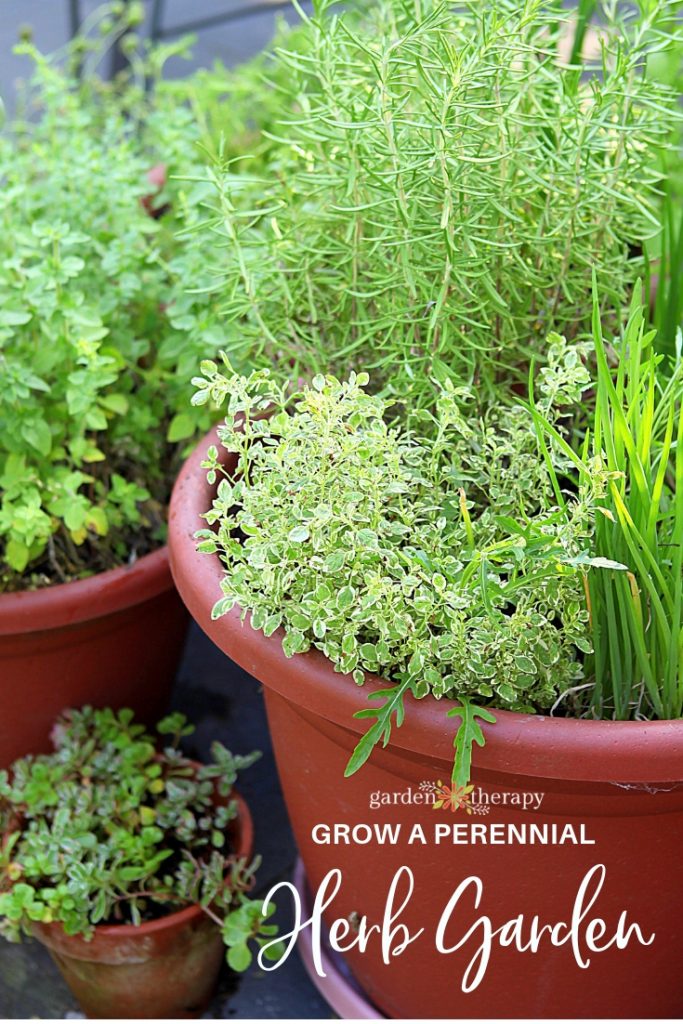
Choosing the Right Pot: Size, Material, and Drainage are Crucial
The first step in our journey to a thriving oregano plant is selecting the perfect home for it. From my experience, the choice of container is not merely aesthetic; it's a critical factor that influences the plant's health and growth. I recommend opting for a pot that is at least 8 to 12 inches in diameter. This size provides ample space for the root system to expand without becoming rootbound too quickly. While oregano is a relatively compact plant, its roots can spread, and a larger pot will reduce the frequency of repotting. I do find that terracotta pots are an excellent choice for oregano. Their porous nature allows excess moisture to evaporate through the sides, which is perfect for a plant that prefers drier soil conditions. This natural wicking action helps prevent root rot, a common issue for potted herbs. However, I also successfully grow oregano in plastic or glazed ceramic pots. If you choose these, be extra vigilant about watering, as they retain moisture more effectively. I do insist that, regardless of the material, the pot must have at least one, but preferably several, drainage holes at the bottom. Without proper drainage, water will accumulate at the base, leading to soggy soil and, inevitably, root diseases. From my experience, the presence of these holes is nonnegotiable for the longterm health of your plant.
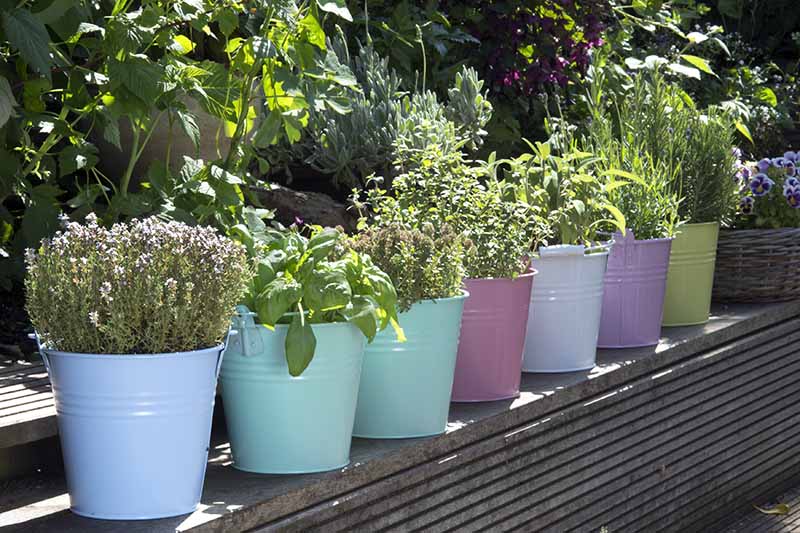
The Perfect Soil Mix: A Foundation for Success

Once you have your container, the next critical element is the soil. From my experience, using a highquality, welldraining potting mix is paramount. I recommend a mix specifically formulated for containers, as it's lighter and less compacted than garden soil. A good soil mix for oregano should be sandy or loamy, mimicking the poor, rocky soils of its native habitat. I do not recommend using standard garden soil, as it can be too heavy and compact, which can suffocate the roots and retain too much water. A simple but effective mix can be created by combining two parts potting soil with one part perlite or coarse sand. The perlite or sand will significantly improve the drainage and aeration of the soil, which is exactly what oregano needs to thrive. I do also find it beneficial to add a small amount of compost or wellrotted manure to the mix to provide a slowrelease source of nutrients. However, be careful not to overdo it, as oregano doesn't require a highly fertile soil. From my experience, a lean and welldraining soil encourages the plant to produce more flavorful, aromatic leaves, as it focuses its energy on essential oil production rather than lush, leafy growth.
Sunlight Requirements: The Fuel for Flavor
Sunlight is arguably the most important factor in growing flavorful oregano. I do believe that this herb truly thrives in full sun. I recommend placing your potted oregano in a location where it can receive at least six to eight hours of direct sunlight each day. This exposure is what encourages the plant to produce the potent essential oils that give oregano its characteristic flavor and aroma. From my experience, a lack of adequate sunlight will result in a leggy, weak plant with pale leaves and a much milder flavor. While oregano can tolerate some light shade, especially in the hottest afternoon hours in very warm climates, it will not perform at its best. I do recommend rotating the pot every few weeks if it's placed against a wall or in a spot where it receives uneven sunlight. This ensures that all sides of the plant get equal exposure, promoting balanced, bushy growth. From my experience, a southfacing balcony or a sunny patio is an ideal location for your potted oregano.
Watering Wisely: The Art of Thirst
When it comes to watering, less is often more with oregano. From my experience, overwatering is the single most common mistake new gardeners make with this herb. I do recommend letting the soil dry out completely between waterings. Oregano is a droughttolerant plant that prefers drier conditions, and consistently wet soil can quickly lead to root rot. To check if your plant needs water, I recommend using your finger. Simply stick your index finger about an inch or two into the soil. If it feels dry, it's time to water. If it feels moist, wait a day or two and check again. When you do water, I do recommend doing so thoroughly until you see water running out of the drainage holes at the bottom of the pot. This ensures that the entire root ball is moistened. From my experience, I water my potted oregano once every five to seven days during the peak of summer, and much less frequently during cooler months. I also recommend watering in the morning so that any excess moisture has a chance to evaporate throughout the day.
Fertilizing: A Light Hand is Best
Oregano is not a heavy feeder, and in fact, too much fertilizer can lead to lush, watery growth and a reduction in flavor. From my experience, a light hand is best when it comes to feeding this herb. I do recommend fertilizing your potted oregano once every four to six weeks during the active growing season (spring and summer). I do not recommend using a highnitrogen fertilizer, as this will promote leafy growth at the expense of flavor. Instead, I recommend a balanced, allpurpose liquid fertilizer, diluted to half the strength recommended on the package. From my experience, a single application of compost tea or a slowrelease granular fertilizer at the beginning of the growing season is often all that's needed. I do also find that a little bit of bone meal can be beneficial to promote strong root growth, but again, this should be done sparingly. I recommend observing your plant. If the leaves are a healthy green and it's growing vigorously, you may not need to fertilize at all.
We Grow Oregano in Pots Outdoors: A Definitive Guide
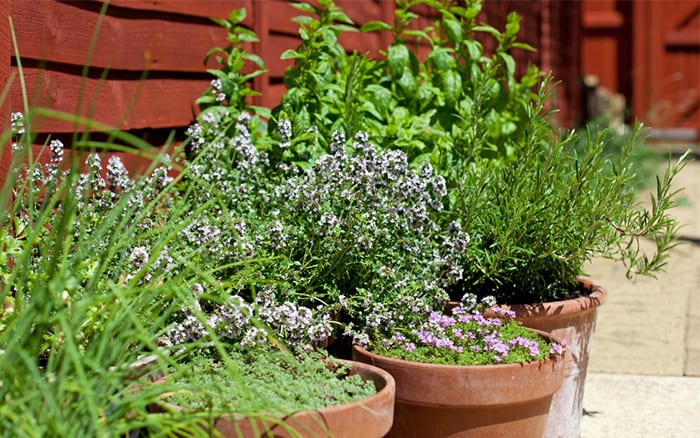
At our core, we understand that gardening, especially in containers, is an enriching experience that connects us to the natural world. Our mission is to provide you with the most comprehensive, detailed, and trustworthy information to ensure your success. We have meticulously researched and practiced the art of growing oregano in pots outdoors, and we are confident that our guide will empower you to cultivate a plant that is not only beautiful but also incredibly flavorful. We believe that by following our proven methods, you can transform a small space into a vibrant and productive herb garden. Our approach is holistic, covering every stage of the plant's life, from initial planting to bountiful harvesting and longterm care. We are committed to helping you avoid common pitfalls and achieve a level of success that will make you proud. This guide is a distillation of years of handson experience and a deep understanding of plant science, tailored specifically for the unique challenges and rewards of container gardening.
Selecting the Ideal Container and Planting Medium
We begin our journey with the foundation of your oregano plant's home: the container and the soil. We recognize that the choice of pot is a critical decision that directly impacts the plant's health. We recommend selecting a container that is approximately 10 to 12 inches in diameter and at least 8 inches deep. This size provides ample room for the root system to expand, which is vital for the plant's longterm vitality. We have found that terracotta pots are a superior choice for oregano due to their porous nature. The natural evaporative cooling they provide helps to prevent the soil from becoming waterlogged, a condition that is detrimental to oregano. However, we also acknowledge the aesthetic and practical benefits of other materials, such as plastic or glazed ceramic. When using these, we emphasize the absolute necessity of ensuring excellent drainage. The container must have multiple drainage holes at the bottom to allow excess water to escape. Without these, the risk of root rot increases exponentially, and we have observed that this is a leading cause of failure for novice growers. The planting medium is equally important. We advocate for a highquality, professionalgrade potting mix that is specifically designed for container gardening. We recommend a blend that is light, wellaerated, and drains quickly. To achieve this, we suggest amending a standard potting mix with perlite, coarse sand, or pumice. A ratio of two parts potting mix to one part drainage amendment is a proven formula that we have used with great success. This mixture mimics the lean, welldraining soils of the Mediterranean, which are ideal for producing intensely flavorful oregano. We have found that overfertilized or dense soils can lead to a weaker plant with a less potent flavor, as the plant's energy is directed towards rapid vegetative growth rather than the production of essential oils. We firmly believe that the right foundation is the key to a thriving plant.
The Art of Watering and Feeding Potted Oregano
Our experience has shown that mastering the watering and feeding regimen is paramount for cultivating a healthy and aromatic oregano plant. We have found that oregano is a droughttolerant herb that thrives on a "less is more" approach to watering. Our best practice is to allow the soil to become completely dry between waterings. This strategy prevents the soil from becoming soggy, which can lead to fungal diseases and root rot. We recommend a simple yet effective test to determine if your plant needs water: insert your finger approximately two inches into the soil. If it feels dry to the touch, it is time to water. When you do water, we advise doing so thoroughly, ensuring that water flows freely from the drainage holes at the bottom of the pot. This process flushes out any accumulated salts and ensures that the entire root system receives moisture. We have observed that watering in the morning is most beneficial, as it allows the foliage to dry out before nightfall, reducing the risk of fungal infections. Regarding fertilization, we have found that oregano is not a heavy feeder. In fact, excessive fertilization can diminish the plant's flavor profile. We recommend a minimalistic approach to feeding. A single application of a balanced, granular, slowrelease fertilizer at the beginning of the growing season is often sufficient. Alternatively, we suggest a light application of a liquid feed, diluted to half the manufacturer's recommended strength, once every four to six weeks during the spring and summer months. We strongly advise against using highnitrogen fertilizers, as they encourage lush, leafy growth at the expense of the plant's essential oils. We believe that a lean, nutrientpoor environment encourages the plant to concentrate its resources on producing the flavorful compounds that make oregano so desirable. Our feeding strategy is designed to support the plant's health without compromising its culinary quality.
Optimizing Sunlight and Location for Maximum Flavor
We recognize that sunlight is the primary catalyst for the development of oregano's rich flavor and aroma. Our extensive research and practical application have demonstrated that oregano requires a minimum of six to eight hours of direct sunlight per day to flourish. We recommend placing your potted oregano in a location that receives full sun, such as a southfacing balcony, patio, or windowsill. We have observed that plants grown in full sun are more compact, have a denser growth habit, and produce leaves with a significantly higher concentration of essential oils. A lack of adequate sunlight results in a weak, leggy plant with pale leaves and a much milder flavor. While oregano can tolerate some partial shade, especially in regions with extremely hot summers, we have found that its flavor and vitality are compromised. We also advise rotating the pot periodically to ensure that all sides of the plant receive equal sun exposure. This practice promotes balanced growth and a more symmetrical shape. We believe that providing the optimal amount of sunlight is the single most important factor in achieving a truly flavorful and aromatic oregano harvest. Our goal is to help you find the perfect spot for your plant, allowing it to absorb the solar energy it needs to reach its full potential. We have found that a welllit location is the key to unlocking the full sensory experience that fresh oregano provides.
Pruning and Harvesting: Encouraging Bushy Growth and Bountiful Yields
We understand that a successful harvest is the culmination of all your efforts, and we have developed a precise method for pruning and harvesting your potted oregano. We believe that regular pruning is essential for encouraging bushy, compact growth and preventing the plant from becoming leggy and woody. We recommend pruning your oregano throughout the growing season. The best time to harvest is just before the plant flowers, as this is when the leaves are at their most flavorful. To harvest, we suggest using clean, sharp scissors or pruners to snip off the top few inches of the stems. We advise cutting just above a leaf node, as this will encourage the plant to branch out and produce new growth. We have found that this practice not only provides you with a continuous supply of fresh leaves but also helps to maintain the plant's shape and vigor. We recommend harvesting no more than onethird of the plant at a time to avoid stressing it. For a large harvest, we suggest cutting back entire stems, leaving at least 4 to 6 inches of growth at the base of the plant. We have observed that regular harvesting and pruning stimulate new growth and prolong the plant's productive life. We also recommend harvesting your oregano in the morning after the dew has evaporated but before the sun is at its peak. This is when the essential oil content is at its highest, ensuring the most potent flavor. We are confident that our harvesting and pruning techniques will lead to a continuous and abundant supply of highquality oregano for all your culinary needs. Our goal is to help you get the most out of your plant, year after year.
Managing Common Pests and Diseases
We acknowledge that even the most wellcaredfor plants can encounter challenges from pests and diseases. We have developed a proactive and gentle approach to managing these issues. We believe that prevention is the most effective form of pest control. We recommend regularly inspecting your potted oregano for any signs of trouble, such as discolored leaves, wilting, or the presence of small insects. Common pests that may affect oregano include aphids, spider mites, and whiteflies. We have found that a strong stream of water from a hose can often dislodge these pests. For more persistent infestations, we recommend using a natural insecticidal soap or a neem oil solution. We advise against using harsh chemical pesticides, as they can harm beneficial insects and contaminate your herbs. We have observed that healthy, wellmaintained plants are naturally more resistant to pests and diseases. The most common disease affecting potted oregano is root rot, which is almost always caused by overwatering. We strongly believe that the combination of a welldraining soil mix and a careful watering regimen is the best defense against this problem. We also recommend ensuring that your plant has good air circulation, as this can help prevent fungal issues. We have found that spacing your pots and not crowding your plants is an effective preventive measure. Our approach to pest and disease management is rooted in a commitment to natural, sustainable gardening practices. We are dedicated to helping you maintain a healthy and vibrant oregano plant without the use of harmful chemicals. We believe that a watchful eye and a gentle hand are all that's needed to overcome most challenges.
Overwintering Your Potted Oregano
We understand that for many gardeners, the arrival of colder weather presents a unique challenge. We have developed a comprehensive strategy for overwintering your potted oregano to ensure its survival and continued productivity. We have observed that oregano is a hardy perennial in warmer climates (USDA zones 410) but requires protection in colder regions. We recommend bringing your potted oregano indoors before the first hard frost. We have found that a cool, sunny location, such as a sunroom, a welllit basement, or a garage with a window, is ideal. The key is to provide the plant with enough light while also protecting it from freezing temperatures. We believe that during the winter months, the plant's growth will slow down significantly. We recommend reducing your watering schedule dramatically, as the plant will require much less moisture. We suggest watering only when the soil is completely dry to prevent root rot, which is a common issue during the winter. We have found that fertilizing is unnecessary during this period, as the plant is in a state of dormancy. We also recommend pruning your oregano before bringing it inside to reduce its size and make it more manageable. We advise cutting back the stems by about onethird. In the spring, after the last frost has passed, we recommend gradually reintroducing your plant to the outdoors. We have found that a gradual transition, known as "hardening off," is essential to prevent shock. We suggest placing the pot outside for a few hours each day, gradually increasing the duration over a week or two. We are confident that our overwintering strategy will allow you to enjoy your homegrown oregano for many years to come. We believe that this commitment to longterm care is what truly sets a successful gardener apart.
The Culinary and Medicinal Uses of Fresh Oregano
We believe that the ultimate reward of growing your own oregano is the ability to use its fresh, aromatic leaves in a wide variety of culinary applications. We have found that fresh oregano has a much more potent and complex flavor than its dried counterpart. We recommend using it to enhance the flavor of a vast array of dishes, including pizzas, pasta sauces, grilled meats, and vegetables. We have observed that oregano pairs exceptionally well with tomatobased sauces, and its flavor intensifies with cooking. We also suggest using it as a garnish for salads or soups, adding a final burst of fresh flavor. We have found that the best way to preserve your oregano harvest is by drying it. We recommend cutting the stems and tying them into small bundles, then hanging them in a warm, wellventilated location out of direct sunlight. Once the leaves are brittle, we suggest crumbling them and storing them in an airtight container. We also recognize the traditional medicinal uses of oregano. We have researched its properties and found that it contains compounds with powerful antioxidant and antimicrobial effects. We believe that oregano tea, made from fresh or dried leaves, can be a soothing remedy for minor ailments. We are confident that the knowledge we have shared will not only help you grow a beautiful plant but also unlock a world of culinary and wellness possibilities. We believe that every aspect of the plant, from its roots to its leaves, has something valuable to offer. Our guide is designed to empower you to explore these possibilities to their fullest extent. The journey of growing oregano is a journey of discovery, and we are here to guide you every step of the way.
Conclusion: A Commitment to Your Success
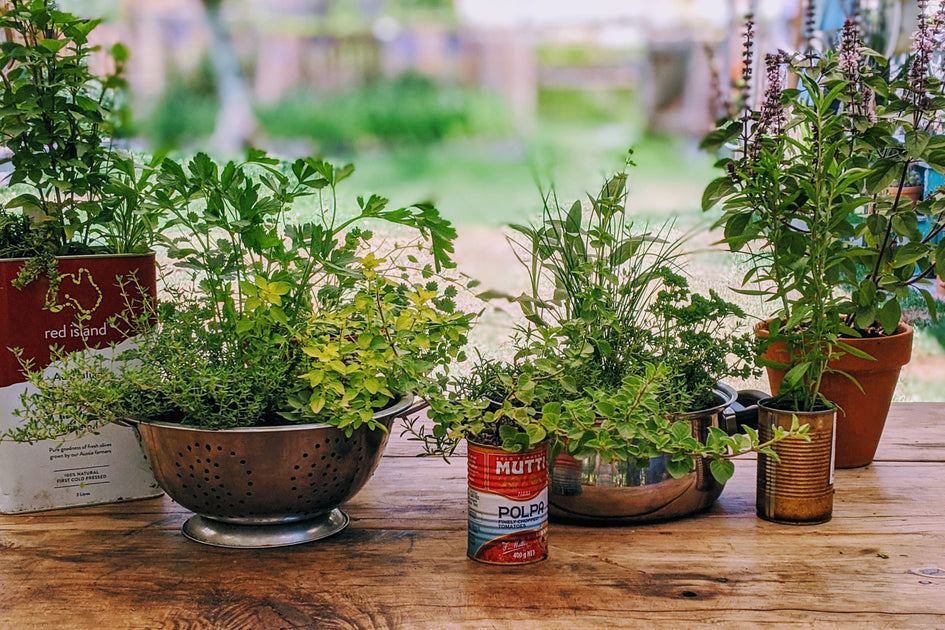
In conclusion, we are committed to providing you with the most comprehensive and trustworthy guide to growing oregano in pots outdoors. We have shared our deep expertise and practical experience to ensure that you have all the tools and knowledge necessary for success. We believe that the key to a thriving oregano plant lies in a combination of the right container, the perfect soil mix, ample sunlight, and a thoughtful watering regimen. We have also emphasized the importance of regular pruning, pest management, and proper overwintering. Our goal is to help you cultivate a plant that not only survives but truly flourishes, providing you with a continuous supply of fresh, flavorful leaves for your culinary creations. We are confident that by following our detailed instructions, you will achieve a level of success that will inspire you to continue your gardening journey. We believe that growing your own food is a deeply satisfying experience, and we are proud to be a part of it. We are always here to support you, and we welcome your questions and feedback. Our commitment to your success is unwavering, and we are dedicated to helping you achieve your gardening goals. We believe that every gardener, regardless of experience, deserves to feel the pride and joy that comes from a bountiful harvest. We are confident that this guide will be a valuable resource for you for years to come. The journey starts with a single seed, and we are here to help you watch it grow into something magnificent.


Comments
Post a Comment