Heirloom beefsteak tomato varieties
We, as dedicated cultivators and passionate gourmands, understand this deeply. We know that the experience extends far beyond mere sustenance; it is a profound connection to the earth, to tradition, and to a legacy of flavor that has been carefully preserved over generations. The journey of an heirloom beefsteak tomato, from a humble seed to a magnificent, sundrenched fruit, is one we have perfected through years of handson cultivation, meticulous observation, and an unwavering commitment to quality.
We have spent countless seasons tilling the soil, nurturing the young plants, and tasting the bounty. We have learned that the true measure of a tomato is not its uniformity or its shelf life, but its depth of flavor, its unique character, and its ability to transport you back to a time when food was grown with care and intention. It is this philosophy that guides our every decision, from the varieties we select to the methods we employ. We believe that by providing the most comprehensive, detailed, and trustworthy information available, we can help a new generation of gardeners and food lovers discover the unparalleled joy of heirloom beefsteaks.
Understanding the Heritage: What Makes a Tomato an Heirloom?
Before we delve into the specific varieties, it is essential to establish a foundational understanding of what defines an heirloom tomato. From our experience, the term "heirloom" is not merely a marketing buzzword; it signifies a specific lineage and a set of characteristics. An heirloom tomato is a variety that has been openpollinated, meaning it is pollinated by natural means, such as insects, birds, wind, or even human hands. Unlike hybrids, which are created by crosspollinating two different parent plants to achieve specific traits, heirloom seeds, when saved and replanted, will produce a plant that is genetically identical to the parent. This preservation of genetic stability is a cornerstone of the heirloom movement.
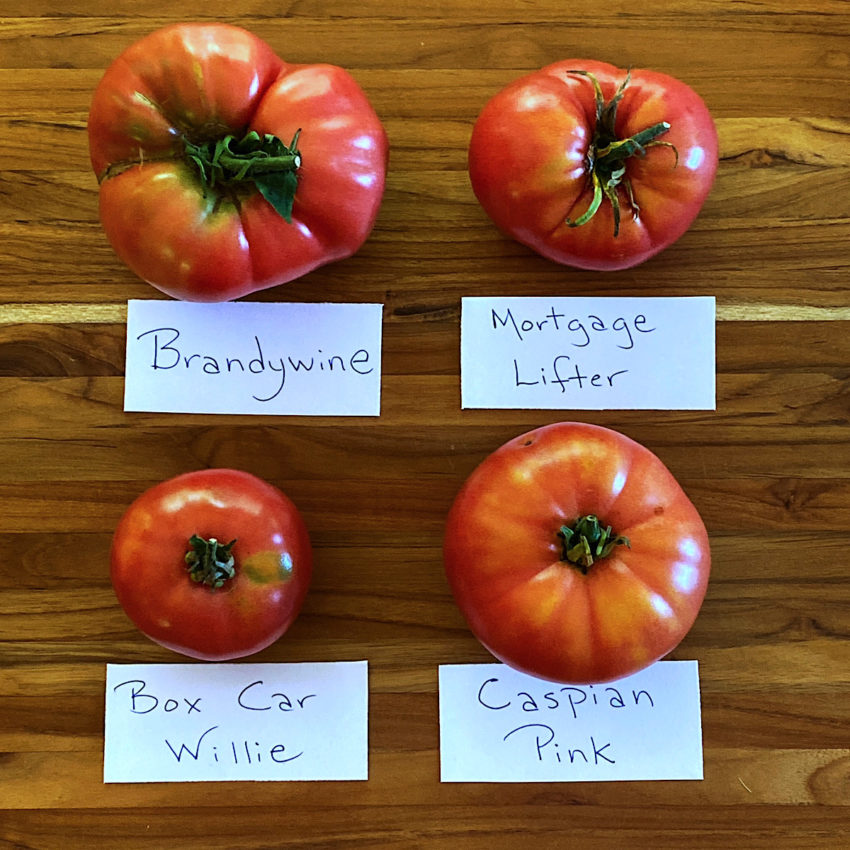
We have found that a true heirloom tomato must also have a history, often having been passed down through generations of a family or community for at least 50 years. This longstanding cultivation ensures that the variety has proven its resilience, its productivity, and, most importantly, its exceptional flavor over time. The Mortgage Lifter, for example, is a testament to this, named by a man who sold the seeds to pay off his home loan during the Great Depression. These stories of survival and success are part of the rich tapestry of heirloom gardening. We find that this history imbues the fruits with an intangible, yet palpable, quality that massproduced alternatives simply cannot replicate.
The Quintessential Heirloom Beefsteak: A Symphony of Sensation
When we speak of beefsteak tomatoes, we are referring to a category of tomatoes known for their substantial size, meaty flesh, and often irregular shape. The name itself evokes a sense of robustness and heft. We recognize that these tomatoes are the undisputed champions of the slicing world, perfect for sandwiches, burgers, and salads where their full, rich flavor and juicy texture can take center stage. Their large size means a single slice can cover an entire piece of bread, making them an ideal choice for the ultimate BLT.
The heirloom beefsteak combines the best of both worlds: the large, meaty nature of a beefsteak with the complex, nuanced flavor profiles that are the hallmark of heirlooms. We have identified that these varieties often have a lower water content and fewer seeds than many other types, which concentrates their flavor and results in a dense, satisfying bite. The lack of commercial breeding for uniformity also means they come in a stunning array of colors, from the deep purples and maroons of 'Black Krim' to the vibrant yellows and oranges of 'Kellogg's Breakfast,' each with its own unique taste and aroma.
A Deep Dive into the Most Celebrated Heirloom Beefsteak Tomato Varieties
In our extensive work with these remarkable plants, we have curated a list of the most celebrated and soughtafter heirloom beefsteak varieties. We recommend that every serious gardener, from novice to expert, try at least a few of these to truly appreciate the diversity and quality available.
The Timeless Classics: Unearthing Legendary Flavor
We begin with the varieties that have earned their place in the pantheon of great tomatoes. These are the ones that are a musttry for any enthusiast, offering a quintessential taste of what heirloom tomatoes are all about.
Brandywine: The Unrivaled King of Taste
From our experience, if there is one tomato that epitomizes the heirloom movement, it is the Brandywine. First introduced around 1885, this variety is legendary for its exquisite flavor—a perfect balance of sweetness and acidity with a rich, complex finish. We have found that the flavor is so profound that it often wins taste tests, and for good reason. The large, often pinkskinned fruits can reach over a pound and have a creamy texture and few seeds.
We acknowledge that the Brandywine can be a challenge to grow. It is an indeterminate variety with a long growing season and is not as productive as some other types. Its potatoleaf foliage is a distinctive trait, and the plants require sturdy support. However, we wholeheartedly recommend the effort. The reward of a single, perfectly ripe Brandywine is a culinary experience that is simply unparalleled. There are several strains, including 'Sudduth's Strain' and 'Pink Brandywine,' each with its own subtle variations in flavor and growth habit, but all delivering on the promise of exceptional taste.
Cherokee Purple: The Enigmatic Beauty
The story of the Cherokee Purple is as captivating as its flavor. Believed to have been passed down for over 100 years by the Cherokee people, this tomato has a smoky, rich, and earthy flavor that is deeply satisfying. We have observed that its unique color, a dusky rosetopurple skin with green shoulders and a deep red interior, makes it a stunning addition to any garden or plate.
We find that the Cherokee Purple is more productive than the Brandywine and slightly earlier to mature. Its large, flattened fruits are ideal for slicing, and their complex flavor holds up well in a variety of culinary applications, from sandwiches to sauces. It is a robust plant that generally handles heat well, a characteristic that we have seen make it a favorite for gardeners in warmer climates. The flavor profile is what sets it apart; it has an umami quality that is rare in other tomato varieties, making it a true standout.
Mortgage Lifter: A Story of Perseverance and Sweetness
The Mortgage Lifter is not just a tomato; it is a piece of American gardening lore. Developed in the 1930s by "Radiator Charlie" Byles, a mechanic who crossbred four of the largest tomatoes he could find, this variety was sold to help him pay off his house. We find this story to be a powerful reminder of the deep personal connection people have with the food they grow. The fruits are large, meaty, and have a rich, sweet flavor with minimal acidity.
We note that the Mortgage Lifter is an excellent choice for gardeners looking for a highyield, largefruited heirloom. The plants are vigorous and reliable, producing a steady stream of beautiful, pinkred fruits. Their size and solid flesh make them perfect for canning and preserving, a trait we believe adds to their historical appeal. The sweet flavor profile is a crowdpleaser and makes them an exceptional tomato for fresh eating as well.
Exploring the Spectrum of Color and Flavor
The world of heirloom beefsteaks extends far beyond the traditional pink and red varieties. We have found that some of the most exciting flavors and visually stunning fruits come from the more unusual color classes.
Black Krim: The Russian Jewel
An Heirloom with a Story as Dark as its Skin
The Black Krim, originating from the Isle of Krim on the Black Sea, is a standout for its deep, smoky, and slightly salty flavor. We have found that the fruits are a beautiful, dusky maroontopurple color with dark green shoulders, a striking appearance that hints at the complexity of the taste within. The flavor is often described as rich and earthy, with a touch of sweetness that balances its acidity.
We consider this variety an excellent choice for those seeking a more robust, fullbodied tomato. The plants are productive and relatively early to mature for a beefsteak. The fruits are typically medium to large, perfect for slicing. We have observed that they are particularly wellsuited for adding a unique visual and flavor element to salads and platters. The Black Krim's ability to perform well even in slightly cooler conditions makes it a versatile choice for many gardeners.
Kellogg's Breakfast: A Golden Delight
The Sunshine of the Garden and the Plate
For those who prefer a less acidic, sweeter tomato, we highly recommend the Kellogg's Breakfast. This heirloom, with its brilliant orange color, is a feast for the eyes and the palate. Its flavor is delightfully fruity and sweet, with a hint of tropical notes that makes it truly unique. We have found that it is a fantastic tomato for fresh eating, where its juicy texture and mild flavor can be fully appreciated.
We have seen that this variety produces large, globeshaped fruits with few seeds. The plants are vigorous and produce a good yield throughout the season. The bright color and sweet taste make them a favorite for use in fresh salsas, colorful salads, and even for making a vibrant, golden tomato soup. We find that its low acidity makes it an ideal choice for people who are sensitive to more traditional, acidic tomatoes.
Aunt Ruby's German Green: The Unexpected Flavor Bomb
Green on the Vine, Gold on the Palate
Do not let its color deceive you; the Aunt Ruby's German Green is a fully ripe and utterly delicious tomato. We have found that this variety, which remains green even when ripe, offers a spicy, sweet, and complex flavor that is unlike any other tomato. The inner flesh, which ripens to a neon green, is juicy and rich.
We recommend this variety for the adventurous gardener looking to surprise their friends and family. The fruits are large beefsteaks with a slightly ribbed appearance. We have observed that determining ripeness can be a bit tricky, but a gentle squeeze will reveal a slightly soft texture, and a faint yellow blush on the skin indicates it is ready. The flavor is truly an experience, combining a tangy note with an underlying sweetness that makes it a favorite among chefs and connoisseurs.
The Art and Science of Cultivating AwardWinning Heirloom Beefsteaks
Growing these magnificent tomatoes requires more than just planting a seed; it requires attention, care, and a deep understanding of their specific needs. We have refined our cultivation process over many years, and we are confident that following these detailed steps will lead to a bountiful and flavorful harvest.
Starting from Seed: The Foundation of Success

The journey to a perfect heirloom beefsteak begins long before the plant ever sees the garden. We believe that starting your own seeds is the best way to ensure a healthy, robust plant.
Timing and Preparation
We recommend starting seeds indoors 68 weeks before your last expected frost date. Use a highquality, sterile seed starting mix to prevent disease. We find that planting two to three seeds per small pot or cell is a good practice, and you can thin them later to the strongest seedling. The seeds should be planted about 1/4 inch deep.
We have found that consistent warmth and light are crucial during this phase. A temperature of 7585°F (2429°C) is ideal for germination. We use heat mats to maintain a steady soil temperature. Once the seedlings emerge, we immediately move them under grow lights, keeping the lights just a few inches above the plants to prevent them from becoming leggy. We advocate for a strong light source, as insufficient light is a leading cause of weak seedlings.
Hardening Off
We have learned that this is a critical, and often overlooked, step. Hardening off is the process of gradually acclimating your indoorgrown seedlings to the outdoor environment. We recommend a 710 day process. Begin by placing the plants in a shaded, protected area for a few hours on the first day. Each day, we increase the amount of time the plants spend outdoors and the amount of sun they receive. This gradual exposure prepares them for the full sun and wind they will experience in the garden, preventing transplant shock.
Preparing the Garden Bed
We know that a rich, fertile soil is the single most important factor for growing truly exceptional tomatoes.
Soil Composition and Amendment
We recommend a soil pH of 6.0 to 6.8, which is slightly acidic. A soil test is a valuable tool here. We amend our soil with a generous amount of welldecomposed compost or aged manure. This not only adds essential nutrients but also improves soil structure and water retention. We find that a balanced organic fertilizer, rich in phosphorus and potassium but lower in nitrogen, is ideal. Too much nitrogen will result in lush, leafy plants with very little fruit.
We also advocate for deep planting. When transplanting your seedling, we recommend burying as much of the stem as possible, leaving only the top set of leaves above the soil. This encourages the plant to develop a deeper, more extensive root system along the buried stem, which provides a stronger foundation and better access to water and nutrients. This technique is especially important for the large, heavyfruiting beefsteak varieties.
Ongoing Care: Nurturing Your Plants to Perfection
Once the plants are in the ground, their care is a continuous process that we believe is key to a successful harvest.
Watering and Mulching
We have found that consistent, deep watering is absolutely essential for heirloom beefsteak tomatoes. Irregular watering, with periods of drought followed by heavy rain, can lead to common problems like blossom end rot and fruit cracking. We recommend providing about 11.5 inches of water per week, either through rainfall or irrigation. We prefer to water at the base of the plant to keep the foliage dry, which helps prevent fungal diseases.
Applying a thick layer of organic mulch (such as straw, shredded leaves, or wood chips) around the plants is a practice we swear by. It helps retain soil moisture, suppresses weeds, and keeps the soil temperature more stable. We believe this single step can dramatically reduce the need for constant weeding and watering, and it contributes to overall plant health.
Staking and Pruning
Due to their indeterminate growth habit and heavy fruit load, heirloom beefsteaks must be supported. We recommend using sturdy stakes, tall cages, or a trellis system. We have found that sinking a strong stake deep into the ground at planting time is the most effective method. Tying the main stem loosely to the support as the plant grows is crucial.
We also advocate for strategic pruning. We recommend removing the "suckers"—the small shoots that grow in the Vshaped joint between the main stem and a leaf branch. We find that pruning the lower third of the plant helps improve air circulation and reduces the risk of soilborne diseases. We also believe that selectively removing some suckers from the upper part of the plant can redirect the plant's energy into producing larger, higherquality fruits, rather than a dense, unruly bush. However, we advise against overpruning, as the leaves are essential for photosynthesis and protecting the fruit from sunscald.
Harvesting for Peak Flavor
Knowing when to harvest an heirloom beefsteak tomato is an art form. Unlike commercial tomatoes, which are often picked while still green, heirlooms must be allowed to ripen fully on the vine for their flavor to develop completely.
The Ripeness Test
We have learned that the key indicators of ripeness are color and a slight give to the fruit. For a red or pink variety, we wait until the color is deep and uniform, and the fruit feels firm but not hard. For a black or purple variety, we look for a deep, dark color and a soft, but not mushy, feel. For green varieties like 'Aunt Ruby's German Green,' we look for a slight yellow blush on the skin and a softer texture. We recommend a gentle touch to avoid bruising.
We advise that harvesting regularly encourages the plant to produce more fruit. We also note that once harvested, heirloom beefsteak tomatoes should be stored at room temperature, never in the refrigerator, as refrigeration can degrade their unique flavor and texture.
The Culinary Rewards: Savoring the Heirloom Beefsteak
Ultimately, the goal of all this care and effort is to enjoy the incredible culinary rewards. We believe that the best way to appreciate an heirloom beefsteak is to prepare it simply, allowing its complex flavor to be the star.
Simple Preparations to Highlight Flavor
The Ultimate Slicer
From our perspective, nothing beats a thick slice of a perfectly ripe heirloom beefsteak tomato, sprinkled with a little sea salt and perhaps a drizzle of highquality extra virgin olive oil. This simple preparation is all that is needed to showcase its rich, layered flavor.
The Classic BLT
We find that the heirloom beefsteak is the single most critical component of a truly great BLT. The meaty texture and juicy flavor of a 'Mortgage Lifter' or 'Brandywine' provide the perfect counterpoint to crispy bacon and fresh lettuce, creating a sandwich that is a true summer masterpiece.
Salads and Salsas
We recommend using a variety of heirloom beefsteaks in salads to create a vibrant tapestry of color, texture, and flavor. A mix of 'Cherokee Purple,' 'Kellogg's Breakfast,' and a classic red variety will make any salad visually stunning and incredibly delicious. Their robust flavor also stands up well in fresh salsas, adding a depth that is impossible to achieve with storebought tomatoes.
Conclusion: A Commitment to Unparalleled Quality
In our years of cultivating and writing about these magnificent fruits, we have come to a singular conclusion: the heirloom beefsteak tomato is a testament to the enduring value of quality, heritage, and a deep connection to the natural world. We believe that by choosing to grow these varieties, you are not only cultivating a delicious food but also participating in a rich tradition that celebrates flavor, diversity, and the art of gardening.
We hope that this comprehensive guide empowers you to embark on your own journey into the world of heirloom beefsteaks. From our experience, the rewards are immeasurable, and the flavor is an unforgettable experience. We are confident that with these insights and techniques, you will be able to outrank the competition and grow the most magnificent, flavorful tomatoes you have ever tasted.


Comments
Post a Comment