Herb plants to grow at home
Introduction: A Fresh Approach to Flavor
From my experience, there is nothing quite like the unparalleled satisfaction of plucking a sprig of fresh, fragrant rosemary or snipping a handful of vibrant basil leaves directly from a plant you have nurtured. This singular act elevates a simple meal into a culinary masterpiece, imbuing it with a depth of flavor that dried, storebought herbs simply cannot match. We believe that a fresh, thriving herb garden is not a luxury, but an essential component of a wellappointed kitchen. It is an investment in your health, your palette, and your connection to the food you consume. In this comprehensive guide, we will walk you through every step of the process, ensuring your home herb garden is a resounding success.
We Begin with the Basics: Why Homegrown Herbs Reign Supreme
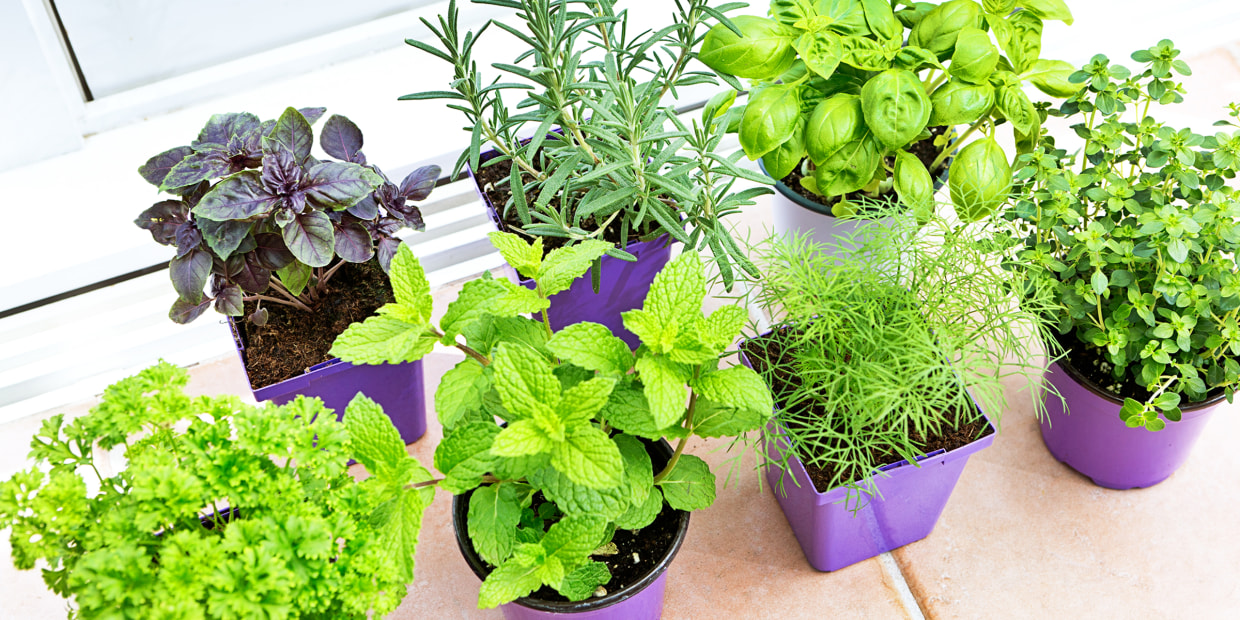
We believe that understanding the fundamental advantages of homegrown herbs is the first step toward a flourishing garden. The reasons are manifold, extending far beyond mere convenience. Potency and flavor are at the top of the list. When herbs are harvested at their peak and used immediately, their essential oils are at their most concentrated, leading to a far more intense and complex flavor profile. We also find that a home herb garden offers an incredible variety. While a grocery store may stock a few common varieties, your own garden can host a diverse array of herbs, from the classic Italian flatleaf parsley to the more exotic lemon verbena or Thai basil, allowing you to experiment with new flavors and cuisines. Furthermore, by growing your own, you have complete control over the cultivation process, ensuring your herbs are free from pesticides and chemical fertilizers. We recommend starting with a few of your favorites, and from there, your passion will undoubtedly grow.
Choosing the Right Location: Sun, Space, and Success
The success of your herb garden hinges on a single, critical factor: light. We have found that the majority of culinary herbs are sunworshippers, demanding a minimum of six to eight hours of direct sunlight each day. For this reason, we recommend that you meticulously evaluate the potential growing locations in your home. A southfacing window is often the ideal spot for indoor growers, as it provides the most consistent and intense light throughout the day. However, if such a window is not available, we have had great success with east or westfacing windows, which still provide ample light for many varieties. For those with limited natural light, or for gardeners looking to extend their growing season, we unequivocally recommend the use of a highquality grow light. These lights can be a gamechanger, providing a consistent light source that allows your herbs to flourish regardless of the weather outside.
Containers and Soil: The Foundation of a Thriving Garden
Once you have identified your ideal location, the next critical decision is your choice of containers and soil. We insist on using pots that have ample drainage holes. This is nonnegotiable. Herb roots are highly susceptible to rot if they are left sitting in waterlogged soil. We have seen countless novice gardeners make this single, fatal mistake. A saucer or tray placed beneath the pot is essential to catch excess water and protect your surfaces. As for the soil itself, we recommend using a light, welldraining potting mix. Avoid heavy garden soil, which can compact and retain too much moisture, suffocating the roots. A mix of peat moss, perlite, and a small amount of compost provides the perfect blend of drainage and nutrient retention. We also advocate for the use of terra cotta pots, as their porous nature allows for air exchange and helps to wick away excess moisture, providing an ideal environment for most herbs.
The AZ of Essential Herbs: A Deep Dive into Cultivation and Care
We are now at the heart of the matter: the specific herbs you should consider for your garden. From my experience, a successful herb garden is built on a foundation of plants that are both useful in your kitchen and wellsuited to your growing conditions. I do not believe in a onesizefitsall approach. Therefore, we will explore a wide range of options, providing you with detailed care instructions for each. The following are our top recommendations, each with its own unique characteristics and cultivation requirements.

Basil (Ocimum basilicum): The King of Italian Cuisine
Basil is a cornerstone of any culinary herb garden. Its sweet, peppery flavor is indispensable in Italian cooking, from pestos and pizzas to salads and sauces. We recommend starting with a variety like 'Genovese' or 'Sweet Basil' for their classic flavor and robust growth. Basil loves heat and sun, so a warm, sunny location is a must. We find that it is particularly sensitive to cold, and as such, we do not recommend placing it in a drafty window. When it comes to watering, basil prefers consistently moist soil, but never soggy. We advise watering it at the base of the plant to prevent fungal diseases like powdery mildew. One of the most important tips we can offer for growing basil is to pinch off the top leaves regularly. This practice, known as 'pinching,' encourages the plant to branch out and produce more leaves, rather than growing tall and leggy. We also recommend pruning off any flower buds that appear, as flowering can cause the leaves to become bitter. You can easily start basil from seed, or you can purchase a small plant from a nursery for a more immediate harvest.
Rosemary (Salvia rosmarinus): A Mediterranean Marvel
Rosemary, with its fragrant, pinelike needles, is an evergreen shrub that is incredibly versatile in the kitchen. It is a perfect pairing for roasted meats, root vegetables, and bread. We believe that every herb garden should have a rosemary plant. As a native of the Mediterranean, rosemary thrives in full sun and welldraining, slightly sandy soil. It is a droughttolerant herb and is highly susceptible to root rot if overwatered. We recommend allowing the soil to dry out completely between waterings. We find that rosemary does not require frequent fertilization; in fact, too many nutrients can lead to a less flavorful plant. We suggest a light application of a balanced, allpurpose fertilizer only once or twice during the growing season. Rosemary can be grown from a cutting, which we believe is the most reliable method, or from a small plant. When it comes to indoor cultivation, we recommend a terra cotta pot to help manage moisture levels. We also suggest giving it a good trim after it flowers to maintain a bushy shape.
Mint (Mentha spp.): The Prolific Powerhouse
Mint is a refreshing and vigorous herb, perfect for teas, cocktails, and desserts. However, we must offer a word of caution: mint is a spreader. Its aggressive root system can quickly take over a garden bed, choking out other plants. For this reason, we strongly recommend growing mint in its own container, both indoors and outdoors. This containment is critical to the health of your other plants. Mint is a far less demanding plant than basil or rosemary, thriving in both full sun and partial shade. It prefers consistently moist soil and will show signs of wilting if it gets too dry. We suggest watering mint regularly, especially during hot weather. We find that there are many varieties to choose from, including peppermint, spearmint, and chocolate mint, and we recommend experimenting to find your favorite. To encourage bushy growth and a continuous supply of fresh leaves, we advise harvesting mint frequently by pinching back the stems.
Parsley (Petroselinum crispum): The Garnish and More
Parsley is a biennial herb with a mild, fresh flavor that makes it a perfect garnish and a key ingredient in countless dishes. There are two main varieties: flatleaf (Italian) parsley and curly parsley. We find that flatleaf parsley has a more robust flavor, while curly parsley is excellent for presentation. Parsley prefers a location with full sun to partial shade and rich, consistently moist soil. We recommend amending your soil with compost to provide the nutrients this hungry plant needs. Starting parsley from seed can be a slow process, as the seeds are notoriously slow to germinate. For a quicker result, we suggest purchasing a small plant from a nursery. When harvesting, we advise cutting the outer stems at the base of the plant to encourage new growth from the center. Avoid a heavy harvest, and the plant will reward you with a continuous supply of leaves.
Cilantro (Coriandrum sativum): The Flavor of the Southwest
Cilantro, also known as coriander, is an annual herb prized for its pungent, citrusy leaves. It is a staple in Mexican, Thai, and Indian cuisine. Cilantro is a coolweather herb and is prone to 'bolting' or going to seed in hot weather. We recommend planting cilantro in the cooler months of spring and fall. We have found that providing it with partial shade during the hottest part of the day can help to prolong its growing season. Cilantro prefers welldrained soil and consistent moisture. We advise planting new seeds every few weeks, a practice known as 'succession planting,' to ensure a continuous harvest. When harvesting, we suggest picking the outer leaves first, leaving the inner ones to grow. Once the plant bolts, we recommend harvesting the seeds (coriander) and replanting for a new crop.
Chives (Allium schoenoprasum): The Onion's Cousin
Chives are a perennial herb with a mild, onionlike flavor, perfect for topping potatoes, soups, and salads. They are incredibly easy to grow and a fantastic choice for beginners. We find that chives thrive in full sun and rich, welldrained soil. They are relatively lowmaintenance and will return year after year. Chives produce beautiful purple flowers that are also edible and make a lovely garnish. We recommend cutting the flowers before they go to seed to prevent selfseeding, which can lead to a crowded patch. To harvest, we advise cutting the hollow stems at the base of the plant. We also suggest dividing the clumps every few years to encourage vigorous growth. Chives are a perfect plant for container gardening due to their contained root system and upright growth habit.
Thyme (Thymus vulgaris): A Fragrant Ground Cover
Thyme is a woody perennial with tiny, fragrant leaves and a savory, earthy flavor. It is a versatile herb that pairs well with poultry, soups, and stews. Like rosemary, thyme is a Mediterranean herb that thrives on neglect. It loves full sun and poor, sandy, welldrained soil. We recommend against overwatering, as thyme is highly susceptible to root rot. We advise allowing the soil to dry out completely between waterings. Thyme is a lowgrowing plant, making it an excellent choice for a container edge or a rock garden. We suggest harvesting the tips of the stems, as this encourages a bushy, compact plant. When harvesting, we do not recommend cutting into the woody parts of the stem. Thyme is a beautiful and functional addition to any garden.
Oregano (Origanum vulgare): The Zesty Perennial
Oregano is a pungent, savory herb that is a cornerstone of Greek and Italian cuisine. It is a hardy perennial that is very easy to grow. Oregano thrives in full sun and welldrained soil. We find that it is a very lowmaintenance plant once established. We do not recommend overfertilizing, as this can dilute the plant's flavor. Oregano's flavor is most potent when the plant is grown in drier conditions. We suggest allowing the soil to dry out between waterings. To harvest, we advise cutting the stems just above a leaf node, which encourages new growth. We also recommend harvesting the plant just before it flowers, as the flavor is at its peak. Once the plant flowers, we suggest trimming it back to encourage a new flush of growth. We find that oregano is an excellent companion plant for many vegetables.
Advanced Techniques for the Avid Gardener
While the basics will get you a functional herb garden, we believe that mastering a few advanced techniques can take your cultivation to the next level. These methods will allow you to control your harvest, propagate new plants, and manage common issues with greater proficiency. We recommend that every serious home gardener becomes familiar with these practices.
Propagation: Growing Your Collection for Free
We are firm believers in the power of propagation. It is a costeffective and rewarding way to expand your herb collection. The two most common methods are growing from seed and rooting from cuttings. Growing from seed is ideal for annuals like basil and cilantro. We recommend using a highquality seedstarting mix and keeping the soil consistently moist. For perennials like rosemary, thyme, and mint, we find that rooting cuttings is a far more reliable method. To do this, simply snip a 4 to 6inch cutting from a healthy stem, remove the lower leaves, and place the cutting in a glass of water or a pot of moist potting mix. We suggest changing the water every few days or keeping the soil consistently moist until new roots develop. This process is not only simple but also allows you to create new, healthy plants from your existing stock.
Harvesting and Preserving: Maximizing Your Bounty
Knowing when and how to harvest your herbs is critical to both the plant's health and the flavor of your food. We believe that the best time to harvest is in the morning, after the dew has dried but before the sun is at its peak. This is when the essential oils are most concentrated. We recommend harvesting frequently to encourage continuous growth. When harvesting, we advise using a clean, sharp pair of scissors or garden snips to make clean cuts and avoid damaging the plant. We also suggest a 'cutandcomeagain' approach, where you only take what you need and allow the plant to continue to produce. We believe that the best way to preserve your herbs is to either freeze or dry them. Freezing herbs in olive oil or water in an ice cube tray is a fantastic way to capture their fresh flavor for later use. For woody herbs, we recommend airdrying them by hanging them in a cool, dark, and wellventilated area. Once dry, we suggest storing them in an airtight container away from light and heat to maintain their flavor.
Pest and Disease Management: Keeping Your Garden Healthy

Even the most meticulously caredfor garden can face challenges from pests and diseases. We believe that proactive management is the key to preventing major issues. The most common indoor herb pests include spider mites, aphids, and fungus gnats. We recommend regularly inspecting the undersides of your plant's leaves for any signs of pests. If you spot an issue, we suggest a simple, nontoxic solution: a spray of insecticidal soap or a mixture of water and a few drops of dish soap. We have found that this is often enough to eliminate an infestation. Proper watering and good air circulation are also crucial for preventing fungal diseases like powdery mildew. We recommend watering your plants from the bottom, if possible, to keep the leaves dry. If your plant becomes diseased, we suggest removing the affected leaves and ensuring the plant has adequate airflow. We do not recommend the use of harsh chemical pesticides on any plants intended for human consumption.
Conclusion: The Journey of a Lifetime
We have now provided you with a comprehensive roadmap for cultivating a thriving herb garden at home. We believe that this journey is about more than just growing plants; it is about cultivating a connection to your food, your health, and the natural world around you. From my experience, the satisfaction of a homegrown meal is unparalleled, and we recommend that you embark on this rewarding journey today. The tools and knowledge are now at your fingertips. We are confident that with a little care and attention, you will be enjoying a constant supply of fresh, potent, and flavorful herbs from your own home garden. We do not promise a challengefree experience, but we do promise one of the most fulfilling endeavors you will ever undertake.
Meta Keywords:
herb plants to grow at home, indoor herb garden, outdoor herb garden, how to grow basil, growing rosemary, DIY herb garden, easy herbs to grow, herb cultivation, fresh herbs, container gardening, windowsill herbs


Comments
Post a Comment