Herbs you can grow indoors year round
From My Experience: Mastering the Art of YearRound Indoor Herb Gardening
From my experience as both a seasoned gardener and a professional copywriter, I know that few things compare to the simple pleasure of snipping a fresh sprig of basil or a few chives directly from a pot on your kitchen windowsill. The vibrant aroma, the rich flavor—it's an unparalleled convenience that elevates everyday cooking to an art form. I do believe that anyone, regardless of their gardening experience or living situation, can successfully cultivate a thriving indoor herb garden. You don't need a sprawling backyard or a sunroom; you simply need the right knowledge and a bit of dedication. This article is your comprehensive guide to achieving exactly that. I recommend you read this from start to finish, as we'll cover every detail necessary for success, from choosing the right herbs to combating common pests and maintaining your green oasis.
I’ve watched countless people struggle with their first foray into indoor gardening, often because they lacked fundamental knowledge. They might choose the wrong herbs, place them in unsuitable spots, or overwater with the best of intentions. My goal here is to equip you with the expertise to avoid these pitfalls entirely. We will dive deep into the specific requirements of each herb, demystifying the process and ensuring your plants don't just survive but truly thrive. I can tell you that the satisfaction of a selfsustaining indoor garden is immense, and it’s a journey I am thrilled to help you begin.
The secret to a lush, productive indoor herb garden lies in understanding the symbiotic relationship between plant, light, water, and soil. It's a delicate balance, but one that is easily mastered with the right guidance. I am confident that by the time you finish this guide, you will be wellprepared to start your own little green sanctuary, providing you with fresh herbs for all your culinary adventures, no matter the season.
The Definitive Guide to Growing Herbs Indoors YearRound
Cultivating a Perpetual Culinary Oasis in Your Home

We believe that the profound connection between the cook and their ingredients begins long before the first chop. It starts with the nurturing of a seed, the careful tending of a seedling, and the joyful harvesting of a fully grown plant. This connection is most easily and intimately fostered through the creation of a yearround indoor herb garden. Such a garden is not merely a collection of potted plants; it is a living, breathing extension of your kitchen, a perpetual source of fresh, vibrant flavor that stands impervious to the changing seasons outside. This extensive guide is meticulously crafted to empower anyone—from the novice with a single sunny windowsill to the enthusiast with a dedicated growroom—to achieve a bountiful and sustainable harvest of herbs, 365 days a year.
We understand the allure of an indoor herb garden. It offers the unparalleled convenience of having fresh, aromatic ingredients at your fingertips, eliminating the need for storebought, often wilted, alternatives. Moreover, it is a deeply rewarding hobby that adds a touch of green life and fresh scent to any living space. However, to truly succeed, one must move beyond the common misconceptions and embrace the precise science and careful artistry of indoor cultivation. We shall navigate every critical facet of this process, providing exhaustive detail on the specific requirements of each herb, the essential environmental controls, and the advanced techniques that separate a struggling plant from a flourishing one.
The Premier Selection of Herbs for Indoor Cultivation

The foundation of any successful indoor garden is the selection of the right plants. Not all herbs are created equal when it comes to adapting to the indoor environment. We have meticulously categorized and detailed the characteristics of the most reliable and rewarding herbs for yearround indoor growth, providing actionable insights into their specific needs.
Hardy and Forgiving Herbs for Beginners
For those just beginning their journey, we recommend starting with a group of herbs that are exceptionally resilient and tolerant of lessthanperfect conditions. These plants are forgiving and will provide a high degree of success and satisfaction, building the confidence needed to tackle more sensitive varieties.
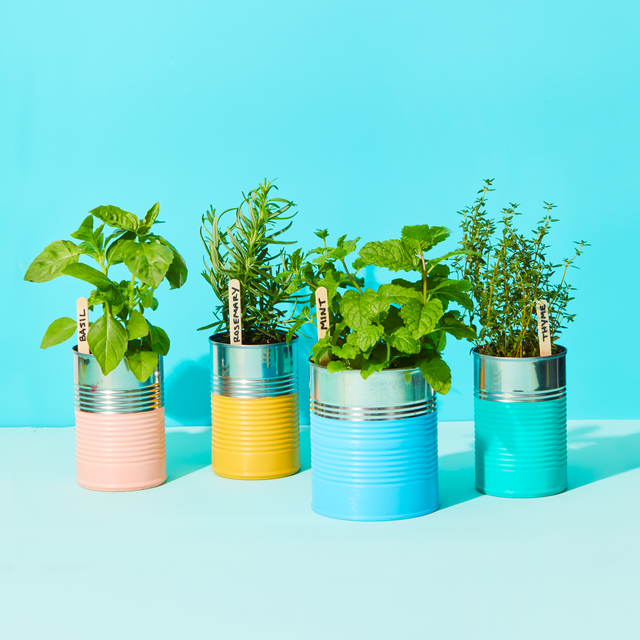
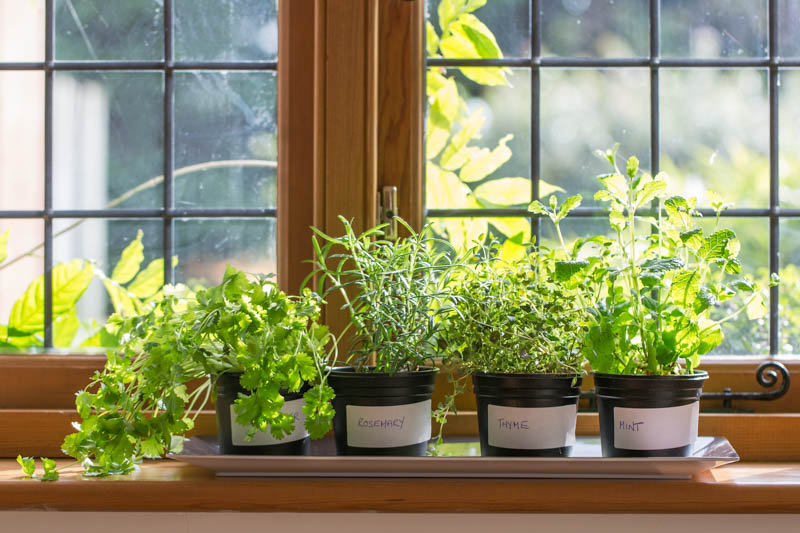
Mint (Mentha spp.): Mint is arguably the easiest and most vigorous herb to grow indoors. Its remarkable adaptability to various light conditions and its aggressive growth habit make it a powerhouse. However, its very vigor is a doubleedged sword; we recommend planting mint in its own container to prevent it from outcompeting and suffocating neighboring plants. Mint thrives in rich, consistently moist soil and can be propagated easily from cuttings. Varieties like peppermint and spearmint are particularly wellsuited for indoor pots. We find that mint's ability to bounce back from a little neglect is what makes it a stellar starting point.
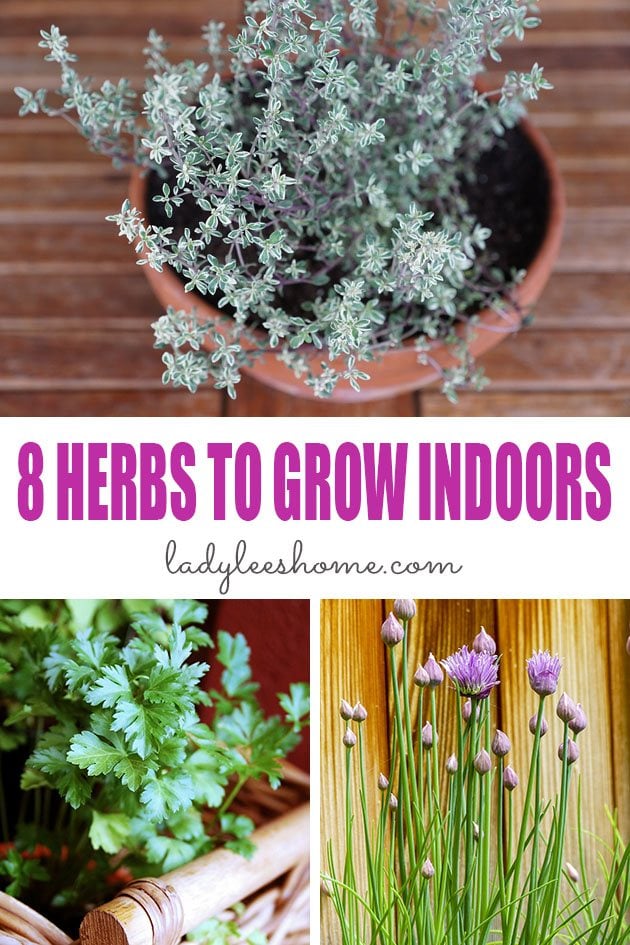
Chives (Allium schoenoprasum): A member of the onion family, chives are a delight to grow indoors. They require a good amount of light but are not overly demanding. The key to a continuous harvest is to snip the leaves from the outer part of the clump, leaving the inner, younger shoots to develop. This ensures the plant remains productive and healthy. Chives prefer a welldraining soil and consistent watering. We have found that they are quite resistant to most common indoor pests, which is a significant advantage.
Oregano (Origanum vulgare): Oregano is a Mediterranean herb that thrives on neglect. It prefers a drier soil and ample sunlight, mimicking its native arid climate. Overwatering is the most common mistake with this herb, so we advise allowing the soil to dry out almost completely between waterings. Its sprawling nature means it benefits from regular pruning to maintain a bushy, manageable shape. The more you snip, the bushier and more productive it becomes.
Thyme (Thymus vulgaris): Much like oregano, thyme is a robust, droughttolerant herb. It requires excellent drainage and a sundrenched location to truly flourish. We recommend a gritty, sandy soil mix to replicate its natural habitat. Thyme is a lowgrowing plant that can be harvested by snipping the new growth at the tips of the stems. We have observed that it is a perfect candidate for a southfacing windowsill, where it can receive the six or more hours of direct sunlight it craves.
Herbs Requiring More Specific Care
Once a gardener has mastered the basics, they can confidently move on to herbs that require a more nuanced approach. These varieties may be more sensitive to light, water, and temperature, but the reward of growing them is well worth the effort.
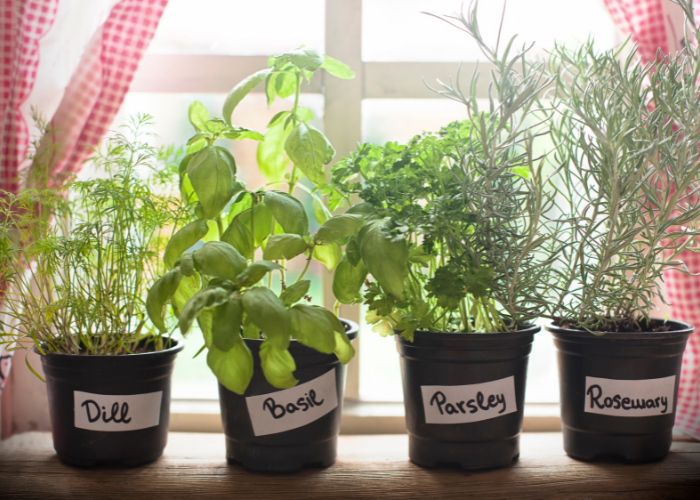
Basil (Ocimum basilicum): Basil is a quintessential kitchen herb, but it can be a bit finicky indoors. It is a true lover of warmth and light. We stress the importance of a sunny, southfacing window or, even better, a grow light. Basil despises cold drafts and will show its displeasure with blackening leaves. It requires consistently moist, welldraining soil. The most critical aspect of basil care is the harvest; we strongly recommend pinching the top two sets of leaves from the main stem to encourage branching and prevent the plant from flowering (bolting), which causes the leaves to lose their flavor.
Rosemary (Salvia rosmarinus): A woody perennial, rosemary presents a unique set of challenges indoors. It needs abundant direct sunlight—at least six to eight hours per day—and excellent air circulation. Rosemary is a plant that thrives on the drier side. We have found that overwatering is the single most common cause of its demise. A terracotta pot is an excellent choice for rosemary, as it wicks away excess moisture from the soil. We also recommend misting the plant occasionally to increase humidity, which it appreciates.
Parsley (Petroselinum crispum): Parsley is a biennial plant, meaning it will live for two years, but it's typically grown as an annual indoors. It prefers a cooler environment and can tolerate partial shade, making it a good candidate for an eastfacing window. Parsley needs consistently moist soil and a nutrientrich potting mix. When harvesting, we advise cutting the outer, mature stalks close to the base of the plant to encourage new growth from the center.
Dill (Anethum graveolens): Known for its feathery fronds, dill is a coolweather herb that can be challenging indoors. It has a deep taproot, so we recommend a deep pot to accommodate its root structure. Dill is prone to bolting (flowering) in hot, dry conditions, which is why a cooler spot away from direct heat sources is best. It needs consistent moisture but not soggy soil. Harvesting the outer fronds regularly will help prolong its life and productivity.
The Critical Factors for Indoor Herb Success
Beyond choosing the right herbs, success hinges on a deep understanding of the four primary environmental factors: light, soil, water, and temperature. We will now provide a comprehensive breakdown of each, offering actionable advice to create the ideal environment for your plants.
Illumination: The Lifeblood of Your Indoor Garden
Light is the single most important factor for plant health. Indoor light is significantly different from natural outdoor light in both intensity and spectrum. We have found that even a "bright" room can be insufficient for many sunloving herbs.
Natural Light: We strongly recommend placing your herbs in the sunniest window available. A southfacing window is the gold standard, providing the most hours of direct, intense light. Eastfacing windows are a good second choice, offering gentle morning sun. Westfacing windows provide strong afternoon sun, which can be too intense for some delicate herbs like basil. Northfacing windows are generally unsuitable for most herbs as they offer very low light.
Supplemental Lighting (Grow Lights): For most indoor environments, we find that supplemental lighting is not just a luxury but a necessity for robust, healthy growth.
FullSpectrum LED Grow Lights: We recommend these as the superior choice. They are energyefficient, produce very little heat, and their spectrum is specifically designed to mimic sunlight, promoting healthy vegetative growth and flowering.
Fluorescent T5 Lights: These are another excellent and affordable option. They provide a high output of light for their size and are suitable for a smallscale herb garden.
Light Duration: We advise providing your herbs with a consistent light cycle. A general rule of thumb is 1216 hours of light per day, followed by a period of darkness to allow the plants to rest. A simple timer can automate this process, ensuring consistency and preventing a forgotten light from stressing your plants.
The Foundation: Choosing the Right Soil and Pots
The medium in which your herbs grow is their lifeline. We emphasize that standard garden soil is a poor choice for indoor pots as it can compact and hold too much water, leading to root rot.
Potting Mix: We recommend using a highquality, welldraining potting mix specifically formulated for containers. This mix should be light, airy, and rich in organic matter. Many commercial mixes are available, or you can create your own by blending peat moss, perlite, and a good compost.
Pots and Drainage: The pot itself is just as important as the soil.
Drainage Holes are NonNegotiable: We cannot stress this enough. Every pot must have at least one, and preferably multiple, drainage holes at the bottom. Waterlogged roots are a death sentence for most herbs.
Material Choice: Terracotta pots are excellent for herbs that prefer drier conditions, like oregano, thyme, and rosemary, as they are porous and allow for moisture to evaporate through the sides. Plastic or glazed ceramic pots retain moisture more effectively, which is beneficial for waterloving herbs like mint and basil.
Repotting: As your herbs grow, their roots will fill the pot. We recommend repotting your plants into a slightly larger container when you notice roots beginning to circle the bottom of the pot or emerge from the drainage holes. Going up by only one or two sizes at a time prevents the soil from staying too wet, which can lead to root rot.
Hydration: Mastering the Art of Watering
Overwatering is the number one cause of indoor herb garden failure. We advise a methodical approach to watering, rather than a fixed schedule.
The Finger Test: We recommend this simple, yet effective method. Before watering, stick your index finger about an inch or two into the soil.
If the soil feels moist, do not water.
If it feels dry, it's time to water.
Watering Technique: When you do water, we suggest doing so thoroughly. Pour water slowly over the entire surface of the soil until it begins to flow freely from the drainage holes. Discard any excess water from the saucer after about 1520 minutes to prevent the plant from sitting in stagnant water.
Bottom Watering: For some herbs, bottom watering is an excellent alternative. Place the pot in a saucer or tray filled with an inch of water and allow the plant to soak it up from the bottom. This encourages the roots to grow downwards and prevents fungal issues on the soil surface.
Temperature and Humidity: Creating a Comfortable Climate
Indoor herbs are sensitive to drastic temperature swings and low humidity, which are common in climatecontrolled homes.
Ideal Temperature Range: Most herbs thrive in the same temperature range that we find comfortable, generally between 65°F and 75°F (18°C to 24°C). Avoid placing plants near cold drafts from windows or doors, or close to heat vents, as this can cause stress.
Humidity: The average home is much drier than the outdoor environment. We recommend increasing humidity for certain herbs like basil and mint.
Misting: A light misting of the leaves with water can provide a temporary boost.
Pebble Tray: Placing the pots on a tray filled with pebbles and water can create a localized humid microclimate around the plants as the water evaporates.
Grouping Plants: Grouping your herbs together can also help increase the ambient humidity as they release moisture through transpiration.
Advanced Techniques for Optimal Growth and Harvest
A truly proficient indoor gardener goes beyond the basics. We will now explore techniques that ensure your herbs are not just alive, but are intensely flavorful, productive, and structurally sound.
Pruning and Harvesting for a Bountiful Yield
The act of harvesting is not merely for culinary use; it is a critical component of plant maintenance. We have found that regular, strategic pruning is the key to a bushy, productive plant.
The 1/3 Rule: Never harvest more than onethird of the plant at a time. This ensures the plant has enough foliage to continue photosynthesis and recover quickly.
Pinching and Trimming: For herbs like basil and mint, we recommend pinching off the top growth just above a leaf node. This forces the plant to branch out, creating a denser, more productive specimen. For woody herbs like rosemary and thyme, a light, frequent trimming of the soft, new growth is best.
Regular Harvesting: The more you harvest, the more the plant will grow. This is a fundamental principle of herb gardening. We advise incorporating fresh herbs into your cooking frequently to keep your plants in a state of continuous production.
Fertilization: Providing Essential Nutrients
While a good potting mix provides initial nutrients, they will eventually be depleted. We recommend a regular fertilization schedule to keep your plants healthy and vibrant.
Fertilizer Type: Use a balanced, allpurpose liquid fertilizer specifically for houseplants or herbs. Look for a product with an NPK ratio (NitrogenPhosphorusPotassium) of something like 222 or 312.
Application: We advise using a diluted solution at half the strength recommended on the package. Apply this every 24 weeks during the active growing season (spring and summer). Reduce or cease fertilization entirely during the dormant months of fall and winter.
Pest and Disease Management
Even with the best care, indoor herbs can fall prey to common pests and diseases. We advocate for a proactive approach, including regular inspections and organic treatments.
Common Pests:
Fungus Gnats: These tiny, annoying flies are a sign of overwatering. We recommend allowing the soil to dry out more between waterings. Sticky traps can catch the adults, while a layer of sand or diatomaceous earth on the soil surface can deter them from laying eggs.
Aphids and Spider Mites: These sapsucking insects can be a nuisance. We suggest a simple solution of a few drops of mild dish soap in a spray bottle of water. Apply this to the affected leaves, ensuring you get the undersides. A neem oil spray is also an excellent organic, multipurpose solution.
Prevention is Key: We strongly advise inspecting any new plant you bring into your home for signs of pests before introducing it to your existing collection. Good air circulation, proper watering, and avoiding overfertilization are your best defenses against infestations.
A Deeper Dive into Hydroponic Herb Gardening
For those who wish to elevate their indoor herb growing, we present the fascinating world of hydroponics. This soilfree method offers faster growth, higher yields, and a cleaner process.
What is Hydroponics?
Hydroponics is a method of growing plants using a waterbased mineral nutrient solution rather than soil. The plants' roots are suspended in the nutrient solution, which provides them with all the necessary elements for growth. We find this method to be particularly wellsuited for herbs, especially leafy varieties like basil, mint, and cilantro.
Setting Up a Basic Hydroponic System
We recommend starting with a simple, selfcontained system. Many excellent readymade kits are available, but you can also create your own.
Container: A dark, opaque container is essential to prevent light from reaching the nutrient solution, which can cause algae growth.
Nutrient Solution: We advise using a preformulated hydroponic nutrient solution. These are carefully balanced to provide all the macro and micronutrients your herbs need.
Growing Medium: A soilless medium is used to support the plant and provide a surface for its roots. Rockwool cubes, clay pebbles (hydroton), and coconut coir are all excellent choices.
Aeration: For most systems, a small air pump and an air stone are used to oxygenate the water, which is crucial for healthy root development and prevents anaerobic conditions.
Light: As with soilbased gardening, a highquality grow light is nonnegotiable for hydroponics. The accelerated growth rates in hydroponic systems demand consistent and intense light.
The Benefits of Hydroponics
Faster Growth: We have observed that plants grown hydroponically often grow 3050% faster than their soilgrown counterparts.
Higher Yields: The direct access to nutrients and oxygen leads to more robust, productive plants.
Water Efficiency: Hydroponic systems use up to 90% less water than traditional soil gardening because the water is recycled and evaporates minimally.
No SoilBorne Pests: Without soil, you eliminate the risk of many common pests and diseases that reside in it.
Frequently Asked Questions and Troubleshooting
We have compiled a list of the most common questions and problems that arise when growing herbs indoors, providing clear and concise solutions.
Why are my herbs leggy and thin?
This is almost always a symptom of insufficient light. The plant is "reaching" for a light source that is too far away or too weak. We recommend moving the plant to a brighter location or supplementing with a grow light. Prune the leggy stems to encourage bushier growth once the light issue is corrected.
Why are the leaves on my plant turning yellow?
Yellowing leaves are a classic sign of overwatering. It indicates that the roots are not getting enough oxygen and are beginning to rot. We advise immediately ceasing watering and allowing the soil to dry out thoroughly. In the future, follow the "finger test" religiously and ensure the pot has proper drainage.
My basil is flowering (bolting). What do I do?
Bolting is a natural process where the plant shifts its energy from producing leaves to producing seeds. The leaves lose their flavor after this happens. We find that bolting is often triggered by heat or a lack of water. To prevent it, we recommend keeping the plant in a cooler environment and ensuring it is consistently watered. If your basil does start to bolt, immediately pinch off the flower buds to extend its leafy production.
Can I grow herbs from seeds indoors?
Absolutely. We find that growing from seeds is a deeply rewarding process. However, we also note that it requires more patience and a controlled environment. We advise using a seed starting mix and a heat mat to aid germination. Once the seedlings have their first set of true leaves, they can be transplanted into their permanent pots.
How often should I harvest my herbs?
We recommend a "little and often" approach. Regular, light harvests are far better for the plant than one large, aggressive harvest. This encourages continuous, vigorous growth and ensures you always have a supply of fresh herbs on hand.
Conclusion: Your Thriving Indoor Garden Awaits
We believe that the journey to a successful yearround indoor herb garden is a rewarding one, filled with learning and the joy of creating something beautiful and useful. By understanding and applying the principles of light, soil, water, and care that we have meticulously detailed, you are setting yourself up for an incredible experience. This guide has been crafted to provide you with the most accurate, comprehensive, and actionable information possible, leaving no stone unturned in the pursuit of a thriving culinary sanctuary in your home. The next time you need a sprig of rosemary for a roast or a few leaves of mint for a refreshing drink, you will know the immense satisfaction of harvesting it yourself, from a garden that you cultivated with your own two hands. We encourage you to start this journey today, knowing that you are now equipped with the knowledge to succeed. Your kitchen, and your cooking, will be forever transformed.


Comments
Post a Comment