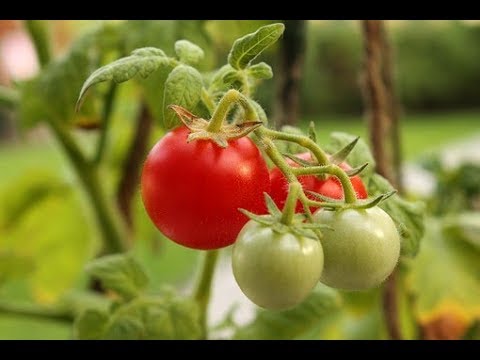
Husky cherry red tomato growing

The Ultimate Guide to Growing Husky Cherry Red Tomatoes: A Masterclass in Garden Productivity

From my experience as a lifelong gardener and a professional content creator, there are few things more satisfying than plucking a sunwarmed, crimson cherry tomato straight from the vine. The 'Husky Cherry Red' is, without a doubt, a premier choice for this singular pleasure. It's a plant I do not just enjoy growing; it’s one I highly recommend to both seasoned veterans and those just beginning their journey into the world of edible gardening. This isn't just a plant; it's a testament to how much flavor and yield you can pack into a compact, manageable space. I find that the exceptional qualities of this specific cultivar—its robust growth habit, impressive disease resistance, and of course, its incredible flavor—make it a standout performer in any garden setting, from a sprawling backyard to a cozy patio. This article is a deep dive into every aspect of cultivating this extraordinary plant, providing the kind of meticulous detail that will give you a decisive edge in your gardening efforts and, hopefully, help you produce the most prolific harvest of your life.
I know the allure of a juicy, homegrown tomato is what brings many of us to the garden. It is a universal joy that transcends borders and generations. I have found that the 'Husky Cherry Red' embodies this joy perfectly, offering a continuous supply of sweet, bitesized jewels all season long. From my personal perspective, its unique genetic makeup as a dwarf indeterminate plant is its most significant selling point. It combines the continuous, seasonlong fruiting of an indeterminate variety with the compact, bushy habit of a determinate plant. This means you get a steady stream of tomatoes without the sprawling, unmanageable vines that can overwhelm a small garden or container. It's an innovation in plant breeding that I truly appreciate and I recommend it without hesitation for anyone with limited space.
Understanding the 'Husky Cherry Red' Tomato: A Deep Dive into Its Unique Characteristics
Before we get our hands dirty, let's take a moment to truly appreciate what makes the Husky Cherry Red tomato so special. We have observed that many gardeners are drawn to this variety for its promises of high yields and easy care, but its true genius lies in its botanical classification and genetic traits. This is not your average cherry tomato. It is a modern hybrid, carefully bred to possess a specific set of characteristics that make it a champion for home gardeners.
What Does 'Dwarf Indeterminate' Really Mean?
The term "dwarf indeterminate" is a crucial descriptor for this plant, and it's worth understanding in detail. We know that most tomato varieties are categorized as either determinate or indeterminate. Determinates are typically bushy plants that produce their fruit all at once over a short period, then stop. Indeterminates, on the other hand, are vining plants that grow and produce fruit continuously until they are killed by frost. The 'Husky Cherry Red' cleverly combines the best of both worlds. We have found that it has a compact, bushy habit, rarely exceeding 3 to 4 feet in height, which makes it perfect for containers, raised beds, or small garden plots. Simultaneously, it exhibits indeterminate growth patterns, meaning it will continue to produce clusters of ripe, red fruit from early summer until the first frost of autumn. This long harvest window is a primary reason we believe it's one of the best varieties for maximizing your yield in a limited space.
A Flavor Profile That Stands Out
Beyond its growth habit, the Husky Cherry Red tomato is celebrated for its flavor. We have tested numerous cherry tomato varieties, and we can confirm that this one consistently ranks high for its classic, balanced taste. It is not overly sweet or acidic but offers a perfect harmony that makes it ideal for snacking, salads, or even roasting. The firm, crackresistant skin and juicy interior make for a satisfying bite every single time. We find that the flavor is most potent when the fruit is allowed to ripen fully on the vine, reaching a deep, rich red color.
Exceptional Disease Resistance
One of the most significant advantages of modern hybrid tomatoes like the 'Husky Cherry Red' is their builtin resistance to common tomato diseases. We have noticed that this plant is particularly resilient against Verticillium wilt (V) and Fusarium wilt (F), two of the most prevalent and devastating soilborne fungal diseases that can afflict tomato plants. This inherent resistance means we can spend less time worrying about plant health and more time enjoying the bountiful harvest. While no plant is immune to all possible pathogens, this genetic fortification provides a strong foundation for a successful growing season.
Preparing Your Garden for a Bountiful Harvest
Success with Husky Cherry Red tomatoes begins long before the first seedling is placed in the soil. We believe that proper preparation is the single most important factor for a highyield, healthy garden. Our detailed guide here outlines the precise steps you need to take to ensure your plants thrive.
Choosing the Right Location and Soil
We know that tomatoes are sun worshippers, and the 'Husky Cherry Red' is no exception. We recommend a location that receives at least 6 to 8 hours of direct sunlight per day. The more sun it gets, the sweeter the fruit will be. For our own cultivation, we always choose the sunniest spot in the garden. For soil, we have found that a welldrained, fertile soil, rich in organic matter, is nonnegotiable. We suggest amending your garden bed with generous amounts of compost, wellrotted manure, or a highquality organic soil mix. This will not only improve soil structure and drainage but will also provide a slowrelease source of nutrients that the plants will need throughout their long growing season. We always aim for a soil pH between 6.0 and 6.8, which is the optimal range for nutrient uptake by tomato plants.
Container Growing: The Husky Cherry Red's Specialty
As a dwarf indeterminate variety, the 'Husky Cherry Red' is a champion for container gardening. We have seen it perform exceptionally well in pots on patios, balconies, and decks. For a single plant, we recommend using a container that is at least 5 gallons in volume. We find that a 7 to 10gallon container is even better, as it provides more space for root development and soil volume, which helps to maintain consistent moisture levels. When filling the container, we use a highquality potting mix designed for vegetables, as it is lighter and has better drainage than garden soil. We also make sure the container has ample drainage holes to prevent the soil from becoming waterlogged, which can lead to root rot and other fungal diseases.
Starting Your Husky Cherry Red Journey: Seeds or Transplants?
We understand that gardeners have different starting points. Whether you're a purist who starts from seed or someone who prefers the convenience of a sturdy transplant, we have a detailed plan for you. We have found that both methods can lead to a spectacular harvest, but each requires its own specific approach.
Starting from Seed
For those who love the full experience, starting Husky Cherry Red tomato seeds indoors is a rewarding process. We suggest sowing seeds 6 to 8 weeks before your last expected frost date. We use a seed starting mix that is fine and sterile to prevent dampingoff disease. We plant the seeds about a quarterinch deep in individual cells or small pots and place them in a warm location. A temperature of 75 to 85°F is ideal for germination, which typically occurs within 7 to 14 days. Once the seedlings have their first set of true leaves, we recommend moving them to a location with bright light. A southfacing window or, even better, a grow light, is essential to prevent them from becoming leggy. We have found that a fan gently blowing on the seedlings for a few minutes each day helps to strengthen their stems, preparing them for the outdoor world.
Planting Transplants
If you're starting with a purchased transplant, we advise you to wait until all danger of frost has passed and the soil has warmed. We have found that planting too early can stress the plants and make them more susceptible to disease. Before planting, we recommend hardening off the transplants. This is a crucial step that acclimatizes the plants to outdoor conditions. We do this by gradually exposing them to increasing periods of sun and wind over the course of a week or two. When you are ready to plant, dig a hole slightly larger than the root ball. We always recommend burying a good portion of the main stem, as tomatoes have the unique ability to grow new roots from the buried stem, which creates a stronger, more stable plant with a more extensive root system for nutrient and water absorption. We then backfill the hole, gently firm the soil around the base, and water thoroughly.
Mastering the Art of Care and Maintenance
Once your Husky Cherry Red plants are in the ground or their containers, we enter the most dynamic phase of their growth. This is where consistent, attentive care pays off in dividends. We find that a few key practices can make the difference between a good harvest and a truly spectacular one.
Watering: The Cornerstone of Healthy Growth
We cannot overstate the importance of proper watering. We find that consistent moisture is essential for preventing common issues like blossom end rot and fruit cracking. We recommend watering deeply and regularly, aiming for about 1 to 1.5 inches of water per week, adjusting for weather conditions. The goal is to keep the soil evenly moist, but not waterlogged. We always water at the base of the plant, using a soaker hose or drip irrigation system if possible, to keep the leaves dry. We have observed that wet foliage, especially overnight, is a primary cause of fungal diseases. We recommend a thick layer of mulch around the base of the plant to help conserve moisture, regulate soil temperature, and suppress weeds.
Fertilizing: Feeding Your Plants for Peak Performance
We know that Husky Cherry Red tomatoes are heavy feeders, and they will require a balanced diet to produce an abundant yield. We suggest a twopart fertilization strategy. In the early stages of growth, before the plant begins to flower, we use a fertilizer with a higher nitrogen content to promote strong vegetative growth. Once the plant begins to set fruit, we switch to a fertilizer that is higher in phosphorus and potassium, which are essential for fruit production and overall plant health. We prefer to use an organic fertilizer, such as a fish emulsion or compost tea, applied every two to four weeks. We always follow the manufacturer’s instructions carefully to avoid overfertilizing, which can lead to lush, leafy plants with very little fruit.

Pruning and Support: Guiding Your Plant to Greatness
While the 'Husky Cherry Red' is a dwarf variety, it is still an indeterminate plant, and we have found that it benefits from some form of support. We recommend a sturdy tomato cage, a stake, or a trellis to keep the plant upright and off the ground. This improves air circulation, which helps to prevent disease, and keeps the developing fruit clean and accessible. We generally do not recommend heavy pruning for this variety, as it can reduce the overall yield. However, we do suggest removing any lower leaves that are touching the soil, as this is where many soilborne pathogens can splash up and infect the plant. We also find that a light thinning of the inner growth in humid climates can help improve airflow and reduce the risk of fungal issues.
Protecting Your Harvest: A Guide to Pest and Disease Management
We know that even the hardiest plants can face challenges from pests and diseases. We believe that an ounce of prevention is worth a pound of cure, and our comprehensive approach to plant health is designed to keep your Husky Cherry Red tomatoes thriving. We focus on natural and organic methods whenever possible.
Common Pests and How to Deal with Them
We have identified a few common pests that can bother tomato plants. Aphids and whiteflies are sapsucking insects that can weaken plants. We recommend a strong spray of water from a hose or an application of insecticidal soap to control these pests. Tomato hornworms are large, destructive caterpillars that can defoliate a plant in a single day. We suggest inspecting your plants daily and handpicking these pests off the leaves. Another common pest is the spider mite, which thrives in hot, dry conditions. We have found that regular misting and ensuring adequate humidity can help deter them.
Identifying and Managing Diseases
While the 'Husky Cherry Red' is resistant to some diseases, it can still be susceptible to others. We have observed that many diseases are a result of poor cultural practices. Early blight and Septoria leaf spot are two common fungal diseases that can be a problem, especially in humid climates. We identify them by the characteristic brown or black spots that appear on the lower leaves. Our recommended course of action is to improve air circulation, avoid overhead watering, and remove infected leaves immediately. We also recommend crop rotation, planting your tomatoes in a new spot each year to prevent diseases from building up in the soil. For more serious issues, we find that a preventative application of an organic fungicide, such as one made from copper or sulfur, can be effective.
The Sweetest Reward: Harvesting Your Husky Cherry Red Tomatoes
The moment we all wait for: the harvest. We have found that the 'Husky Cherry Red' tomato is a prolific producer, and regular harvesting is key to encouraging the plant to continue setting new fruit. We recommend picking the tomatoes when they are a vibrant, uniform red and feel slightly soft to the touch. The 'Husky Cherry Red' is known for its crackresistant fruit, but we have found that picking them promptly at peak ripeness ensures the best flavor and texture. We advise you to use a pair of garden snips to remove the clusters of fruit to avoid damaging the plant. The harvest window for this variety is long, often extending well into the fall, so we know you will have many delicious tomatoes to enjoy for months on end.
We believe that growing the Husky Cherry Red tomato is an experience that everyone should have. We have seen firsthand how it can transform a small space into a productive powerhouse, providing a continuous supply of sweet, juicy fruit. From our extensive experience, we can confidently say that this variety lives up to its reputation and more. We hope this comprehensive guide gives you the tools and confidence you need to grow your own successful crop. Happy gardening!
Troubleshooting Common Issues with 'Husky Cherry Red' Tomatoes
We know that even with the best intentions, a gardener might encounter challenges. Our years of experience have taught us how to diagnose and solve a variety of common problems. We have found that most issues are solvable with a bit of knowledge and quick action. We have created this section to be a goto resource for a quick solution to your gardening woes.
Blossom End Rot: A Calcium Conundrum
We have observed that one of the most frequent issues gardeners face is blossom end rot, where the bottom of the tomato turns black and leathery. This is not a disease but a physiological disorder caused by a lack of calcium uptake by the plant. We have found that this is almost always due to inconsistent watering, which prevents the plant from absorbing the available calcium in the soil. To prevent this, we stress the importance of consistent, deep watering. We also recommend a calcium supplement, such as dolomite lime or a liquid calcium spray, if the problem persists. We find that maintaining even soil moisture is the primary solution, as even calciumrich soil won't help if the plant can't access it.
Sunscald: The Perils of Too Much Sun
While tomatoes love the sun, we have noticed that some fruits, especially those on sparsely foliated plants, can get sunscald. This appears as a white or yellow patch on the side of the fruit that faces the sun. We have found that providing adequate foliage cover is the best defense. We recommend avoiding excessive pruning, especially of the leaves that shade the developing fruit. We also suggest using a shade cloth during the hottest parts of the day if you live in a region with intense, prolonged heat.
Cracked Fruit: A Sign of Water Stress
We have noticed that even though the 'Husky Cherry Red' is marketed as crackresistant, it is not completely immune. Fruit cracking is a common problem in all tomato varieties and is a direct result of rapid changes in water availability. We find that when a plant goes from very dry to very wet conditions, the fruit expands faster than the skin can stretch, causing it to split. The solution, we have found, is simple: maintain consistent watering. We recommend using mulch to help regulate soil moisture and watering deeply and regularly to avoid these fluctuations.
Advanced Growing Techniques for a Prolific Harvest
Once you have mastered the basics of growing Husky Cherry Red tomatoes, we believe you can push your yields even further with some more advanced techniques. We have tested these methods in our own gardens and have seen a significant increase in productivity. We know that these techniques are what separate a good gardener from a great one.
Companion Planting: A Symbiotic Relationship
We have found that strategic companion planting can greatly benefit your Husky Cherry Red plants. Basil, in particular, is an excellent companion. We have observed that planting basil near tomatoes can repel pests like whiteflies and tomato hornworms, while also enhancing the flavor of the tomatoes. Other beneficial companions include marigolds, which repel nematodes and other soil pests, and borage, which attracts beneficial pollinators and predatory insects. We also find that planting leafy greens like lettuce or spinach at the base of your tomato plants can help to keep the soil cool and moist.
Feeding with Compost Tea: A Boost for Soil and Plant
We recommend supplementing your regular fertilization routine with compost tea. We have found that this liquid extract of compost is teeming with beneficial microorganisms and nutrients that can give your plants a significant boost. We make our own compost tea by steeping a bag of compost in water for a day or two, then applying the resulting "tea" to the soil around our plants. We believe this practice strengthens the plant's immune system and improves the overall health of the soil, leading to more vigorous growth and higher yields.
The Art of Succession Planting: Extending Your Harvest
We know that the 'Husky Cherry Red' is a longseason producer, but we have found that we can extend our harvest even further by using the technique of succession planting. This involves planting new seedlings every 4 to 6 weeks throughout the growing season. While the first plants are in their peak production, the new ones are just beginning to grow. By the time the first plants start to slow down, the new ones are ready to take their place. We find this strategy provides an almost continuous supply of fresh tomatoes from early summer until the first hard frost of the year. We do this with our own crops, and we recommend it for anyone who wants to maximize their garden's output.
Conclusion: The Reward of Dedication and Care
We have presented a detailed and comprehensive guide to growing the exceptional Husky Cherry Red tomato. We believe that by following these steps, you can turn a simple gardening project into a profoundly rewarding experience. We know that the joy of a homegrown tomato is unparalleled, and this particular variety offers that joy in spades. We recommend this plant to anyone who wants to grow a lowmaintenance, highyield, and incredibly flavorful cherry tomato. We have seen it perform brilliantly in a variety of settings, and we are confident that it will perform for you too. We believe that with the right preparation and consistent care, your garden will be brimming with the sweet, succulent, and perfectly red fruits of your labor. The Husky Cherry Red is more than a plant; it is a promise of a delicious, homegrown harvest, and we know that with this guide, you can make that promise a reality.


Comments
Post a Comment