Large jalapeno
The Ultimate Guide to Growing and Using Large Jalapeño Peppers
From my experience as a seasoned gardener and culinary enthusiast, I've found that not all jalapeños are created equal. While the standard market variety is a staple for a reason, there is a whole world of possibilities when you begin to explore the truly large jalapeño varieties. I do believe that bigger is often better, especially when it comes to stuffing, slicing, or just showing off your garden's bounty. I recommend that any pepper lover, from the novice to the expert, give these giants a try. This guide is built from years of handson work with these fascinating peppers, and I've put together everything you need to know to succeed.
Cultivating Colossal and Gigantic Jalapeño Varieties

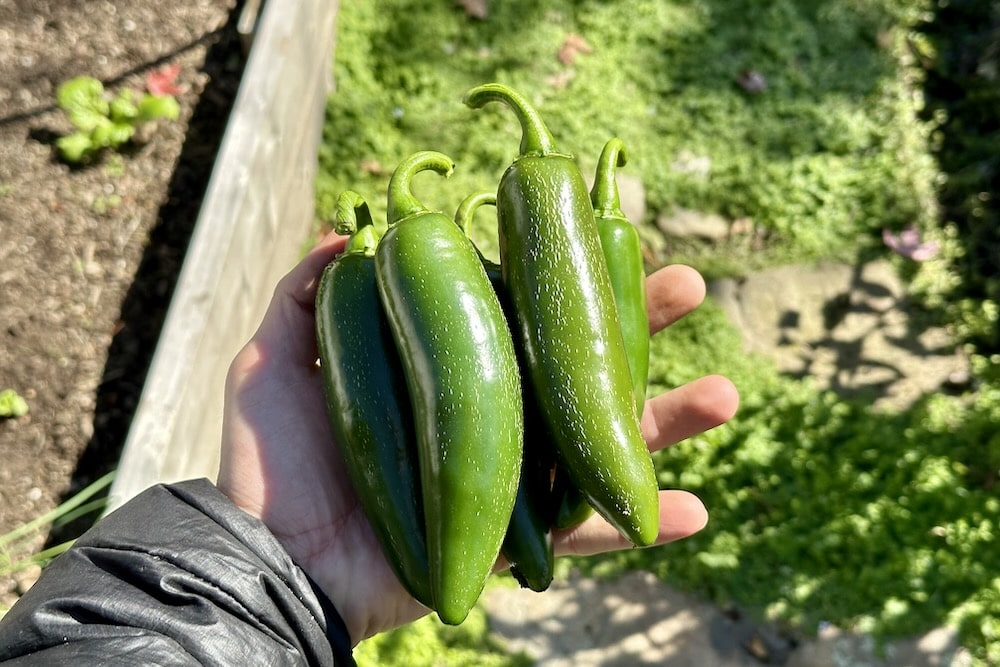
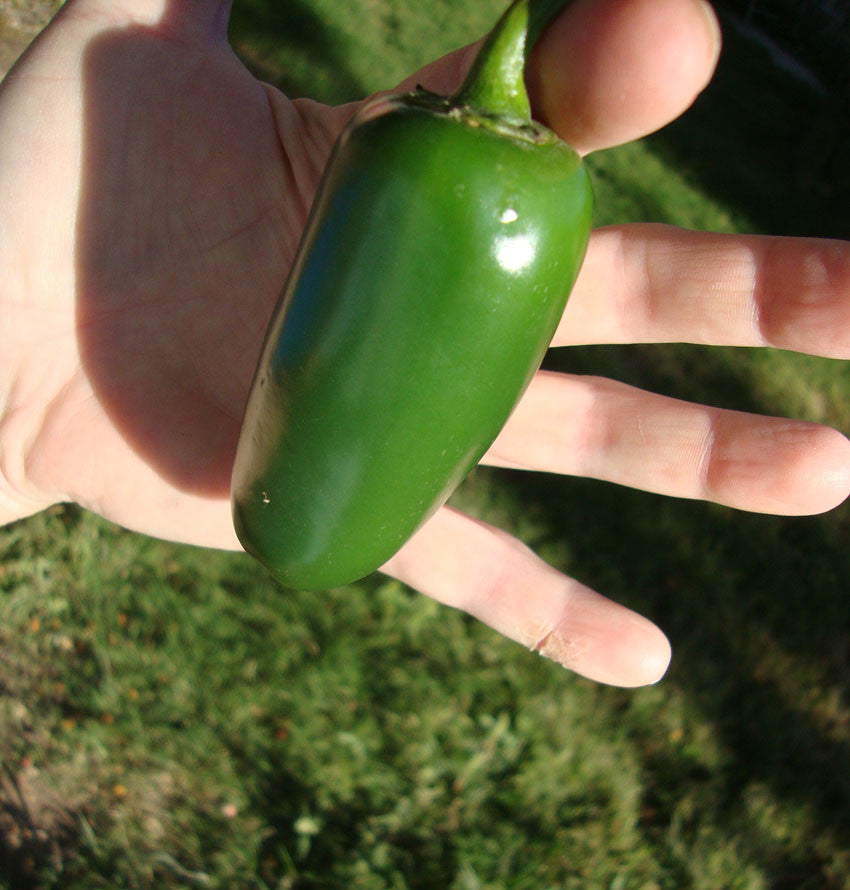
We know that for many home gardeners, the goal is not just to grow a vegetable, but to grow the best version of that vegetable. When it comes to jalapeños, that often means size, and we've discovered that certain varieties are specifically bred for their impressive girth and length. We've spent countless hours trialing different cultivars, and we've found that some consistently outperform others. For instance, the 'Colossus' Hybrid Jalapeño Pepper is a true standout, producing fruits that can reach up to five inches long. We've also had great success with the 'Goliath' and 'Jedi' varieties, which are known for their high yields and uniform, large pods. These are not your average supermarket peppers; they are a whole different class of culinary canvas.
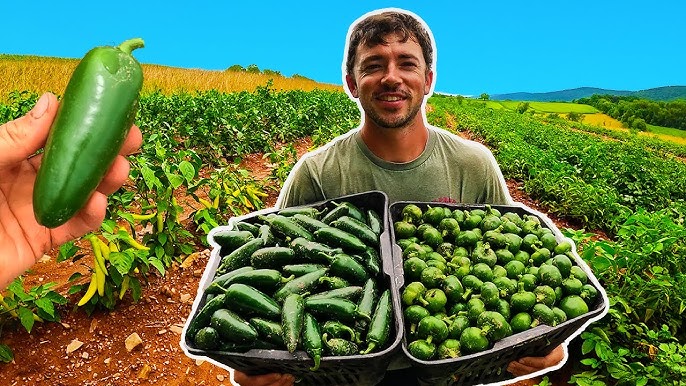
We believe that understanding the specific needs of these largefruited peppers is the key to a bountiful harvest. Unlike their smaller cousins, these plants require more robust support. We recommend a sturdy trellising system, like the Florida Weave technique, to keep the heavy, fruitladen branches from snapping or dragging on the ground. This not only protects the plant but also keeps the peppers clean and helps prevent common soilborne diseases. Furthermore, we've found that a consistent and generous feeding schedule is crucial. These plants are essentially highperformance athletes, and they need a continuous supply of nutrients, particularly calcium, to prevent issues like blossom end rot, which is a common problem in the nightshade family. We always supplement with pelleted gypsum at the base of the plant once flowering begins to ensure the pods develop properly and without blemish.

Seed Selection and Germination for Monster Peppers
The journey to a recordbreaking harvest begins with the seed. We've learned that not all seed sources are equal, and for specialty varieties like these, it is paramount to choose a reputable supplier. We've personally tested seeds from several vendors, and we've consistently found that companies specializing in peppers and chilies offer the best germination rates and plant vigor. We recommend starting your seeds indoors four to six weeks before the last expected frost date. Use a highquality seedstarting mix and provide a stable temperature of around 8085°F (2729°C) using a heat mat. We've seen nearly 100% germination rates with this method, which is a fantastic start to the season. The process is simple: sow seeds a quarterinch deep, mist the soil, and place them in a warm, welllit location. Once the seedlings have their first true leaves, we find it beneficial to "step them up" into larger pots, such as 4inch containers, to give them a head start before they are transplanted into the garden.
Transplanting and Garden Care for Maximum Size
When the danger of frost has passed and the soil has warmed, it is time to move your precious seedlings outdoors. We've learned that proper site selection is nonnegotiable for growing large jalapeno peppers. We always choose a location that receives at least six to eight hours of direct sunlight per day. The soil should be welldraining and rich in organic matter. We highly recommend amending the planting beds with compost and a balanced, slowrelease fertilizer before planting. Spacing is also a critical factor; we've found that giving these vigorous plants ample room to grow is vital for maximizing their size and yield. We space our plants a minimum of 24 inches apart in rows that are 3 to 4 feet apart. This ensures they have plenty of room to develop their extensive root systems and allows for proper air circulation, which helps to mitigate fungal diseases.
Once planted, we are vigilant about providing consistent moisture. We've found that while peppers are droughttolerant, irregular watering can lead to stress, which can result in smaller fruits and increased susceptibility to pests and diseases. We recommend a deep watering once or twice a week, depending on the weather. A layer of mulch around the base of the plants is also a gamechanger. It helps to conserve soil moisture, suppress weeds, and regulate soil temperature. We find that a thick layer of straw or shredded bark works perfectly. We also continue to feed our plants with a balanced liquid fertilizer every two to three weeks throughout the growing season. This constant nutrient supply, particularly with a formula that is higher in phosphorus and potassium as the plants begin to flower and fruit, helps to fuel the incredible growth of these monster peppers.
Harvesting and PostHarvest Handling of Giant Jalapeños
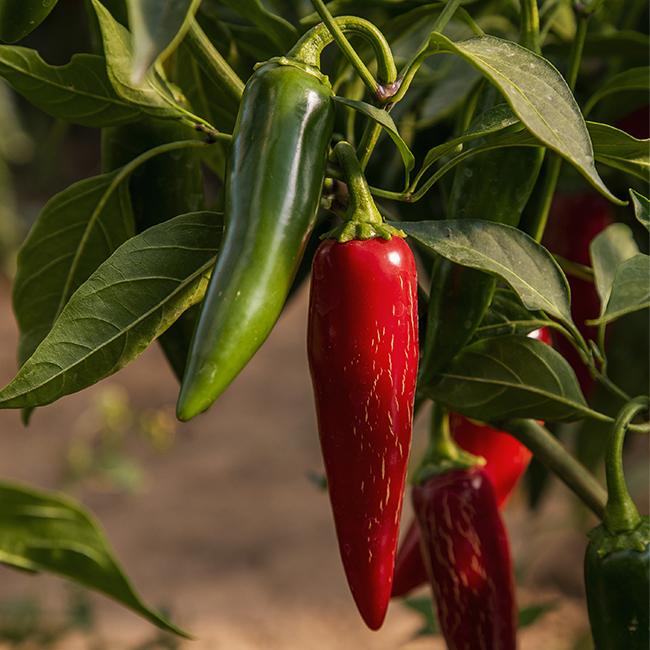
We've found that the best time to harvest your large jalapeño peppers is when they have reached their full size and have a firm, glossy appearance. While many people are accustomed to harvesting green jalapeños, we've learned that allowing them to mature on the plant can lead to a richer flavor and, in many cases, a higher heat level. The color will change from green to a vibrant red, and the skin may develop small, corky lines, a process known as 'corking.' This is a natural characteristic and is often an indicator of a hotter pepper. When harvesting, we always use a sharp knife or pruners to cut the pepper from the plant, leaving a small piece of the stem attached. This prevents damage to the plant and helps the peppers to store longer. We've learned that proper postharvest handling is just as important as the growing process. These peppers have thick, meaty walls, and we find they store exceptionally well in the refrigerator for several weeks. For longterm preservation, they are perfect for freezing, dehydrating, or pickling.
The Culinary Advantage of a Large Jalapeño
When we get into the kitchen, the true advantage of a large jalapeño becomes clear. We've found that their sheer size opens up a world of culinary possibilities that are difficult to achieve with standardsized peppers. The thick, fleshy walls of a 'Gigantia' or 'Mammoth' jalapeño are perfect for stuffing, which is why we’ve dedicated so much time to developing the perfect recipes for jalapeño poppers and stuffed peppers. Their large cavity can accommodate a generous amount of filling, whether it is a rich cream cheese mixture, a savory blend of ground beef and pork, or even a veganfriendly bean and rice filling. The thickness of the pepper's walls also means they hold their shape beautifully during cooking, whether they are being baked, grilled, or fried. We also find that slicing these large peppers into rings creates substantial, visually appealing slices that are perfect for nachos, sandwiches, or as a garnish. Their size makes them a perfect vehicle for pickling, allowing you to create impressive, crunchy rings that stand out in any jar.
We've also noticed a common misconception that larger peppers are less spicy. From our experience, this is simply not true. While heat levels can vary based on growing conditions and genetics, we've found that many of the large varieties, such as 'Colossus' and 'Jalafuego,' offer a satisfying and sometimes even intense heat. This balance of size, flavor, and heat is what makes them so versatile. They can be used to add a mild kick to a salsa or, if you leave the internal membranes and seeds, provide a powerful punch to a chili or a spicy relish. We believe that once you start cooking with these large peppers, you'll never go back to the smaller varieties. They are simply a superior ingredient in every way, offering more flesh, more flavor, and more potential for your culinary creations. The sheer volume of pepper meat makes them a perfect base for a rich, smoky chipotle or a vibrant green hot sauce. We find that their thick walls contribute to a more substantial and satisfying texture in any dish.


Comments
Post a Comment