Mint garden bed
Here is a detailed article on creating and maintaining a mint garden bed:
A Comprehensive Guide to Designing and Cultivating the Perfect Mint Garden Bed
Meta Description: Discover how to design, plant, and maintain a vibrant and fragrant mint garden bed. Our expert guide covers everything from soil preparation and pest control to harvesting techniques and companion planting.
Harnessing the Power of a Thriving Mint Garden Bed
We understand the allure of a lush, fragrant mint garden bed. From its invigorating aroma to its versatile culinary and medicinal uses, mint offers a unique and rewarding gardening experience. However, its famously vigorous growth habit can present a challenge. To truly harness its potential without it overtaking your entire garden, a strategic and wellthoughtout approach is essential. Our goal is to provide a comprehensive, detailed guide that empowers you to cultivate a stunning, productive, and manageable mint patch. We believe that by understanding the specific needs of this remarkable herb, you can create a beautiful garden feature that provides a continuous supply of fresh mint for years to come.
Strategic Planning: The Foundation of Your Mint Garden Bed
Before we even consider planting a single leaf, the most crucial step is planning. A mint garden bed is not a spontaneous project; it requires foresight and a clear understanding of mint’s growth patterns. We recommend a few key considerations to ensure your project's longterm success.
Understanding Mint's Aggressive Growth Habit
The single most important factor to manage when growing mint is its rhizomatous root system. The roots, or rhizomes, spread horizontally beneath the soil, sending up new shoots and creating new plants. This is what makes mint so persistent and, for many, a weed. We must embrace this characteristic and plan our garden bed with it in mind. Simply planting mint directly into an open garden bed is an invitation for it to become the dominant species, choking out other plants and becoming a nuisance.
Choosing the Ideal Location
Mint thrives in full sun to partial shade. We find that a location that receives 46 hours of direct sunlight each day is ideal for most varieties. However, in hotter climates, afternoon shade can prevent the leaves from scorching. The site should also be easily accessible for regular harvesting and maintenance. Consider placing your mint bed near a kitchen door or patio for convenience. The location's soil type and drainage are also critical factors we will explore in detail.
Selecting the Right Variety for Your Needs
The world of mint is vast and diverse. We are not limited to just the classic peppermint or spearmint. Each variety offers a unique flavor profile and aroma.
Peppermint (Mentha × piperita): A hybrid of water mint and spearmint, peppermint has a strong, pungent, and cooling flavor. It is fantastic for teas and desserts.
Spearmint (Mentha spicata): Spearmint is known for its sweet, mild flavor, making it a favorite for culinary uses like mojitos, sauces, and garnishes.
Chocolate Mint (Mentha × piperita 'Chocolate'): This variety has a subtle hint of chocolate and a powerful minty aroma, perfect for pairing with desserts.
Apple Mint (Mentha suaveolens): With its soft, fuzzy leaves and a mild, fruity scent, apple mint is a great choice for fruit salads and jellies.
Moroccan Mint (Mentha spicata 'Nana'): This is the variety most often used for traditional Moroccan mint tea. It has a strong, refreshing flavor.
We recommend researching and choosing a variety that aligns with your intended use. Do you want it for cocktails, cooking, or medicinal tea? Your choice will directly impact your culinary endeavors.
Constructing Your Mint Garden Bed: Containing the Conqueror
This is where we implement the most critical strategy for a successful mint patch: containment. We can create a dedicated space that provides the perfect growing conditions while preventing the plant's spread.
Raised Beds: The Ultimate Solution
From our experience, a raised garden bed is the most effective and aesthetically pleasing way to grow mint. A raised bed offers several distinct advantages.
Soil Control: We can fill a raised bed with a customblended soil mix, ensuring perfect drainage and nutrient content, which is often difficult to achieve with native garden soil.
Root Containment: By installing a physical barrier, such as a garden bed liner or simply the solid sides of the raised bed, we can completely control the mint's rhizomes. We must ensure the barrier extends well below the soil line to prevent escape.
Improved Drainage: Mint does not like soggy roots. Raised beds naturally have superior drainage, which helps prevent root rot and other fungal diseases.
Accessibility: Raised beds are easier to work with, as they reduce the need for bending and kneeling. This makes planting, weeding, and harvesting a more enjoyable experience.
InGround Containment Methods
If a raised bed is not an option, we can still successfully grow mint in the ground with proper preparation. We must create a physical barrier around the planting area.
Plastic or Metal Barriers: We can dig a trench around the desired planting area and install a solid, nonporous barrier at least 1824 inches deep. This will force the roots to stay within the designated zone. We must ensure the barrier extends a few inches above the soil line to prevent rhizomes from growing over the top.
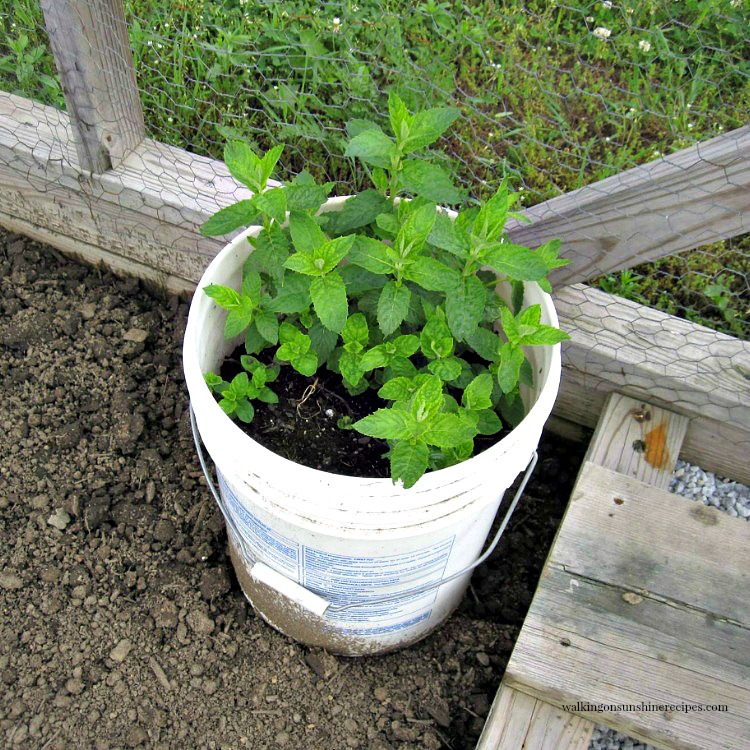
Pots and Containers: A simple yet effective method is to plant mint in a large pot or container. We can then sink this pot into the ground, ensuring the rim is above the soil line. This provides the ultimate containment solution while still allowing the mint to be part of the garden landscape. We must make sure there are adequate drainage holes in the pot.
Soil and Planting: Nurturing Your Mint
With the bed prepared, it's time to focus on the perfect medium for your mint to thrive. Mint is not particularly fussy, but a welldraining, nutrientrich soil mix will ensure a more robust and flavorful harvest.
The Ideal Soil Mix
We find that a blend of equal parts good quality compost, garden soil, and perlite or sand works best. Compost provides the necessary organic matter and nutrients, while the perlite or sand ensures excellent drainage, preventing waterlogged roots.
Planting Your Mint
From Cuttings: Mint is incredibly easy to propagate from cuttings. We can take a 46 inch cutting from a healthy plant, strip the lower leaves, and place it in a glass of water. Roots will form within a week or two. Once the roots are a couple of inches long, we can plant the cutting directly into the prepared garden bed.
From Nursery Plants: When we purchase a mint plant from a nursery, we recommend gently loosening the roots before planting. Dig a hole twice as wide as the root ball and just as deep. Place the plant in the hole, backfill with your prepared soil mix, and gently firm the soil around the base. Water thoroughly.
Spacing: We recommend spacing your mint plants about 1824 inches apart. While they will quickly fill in, this initial spacing gives them room to establish a strong root system without immediately competing with each other.
Cultivating a Bountiful Harvest: Care and Maintenance
Once your mint is planted, routine care is essential to keep it healthy, productive, and looking its best.
Watering
Mint loves consistently moist soil, but it abhors soggy roots. We should water the garden bed deeply and regularly, especially during dry spells and hot summer months. However, we must allow the top inch of soil to dry out slightly between waterings to prevent fungal issues. The best time to water is in the morning to allow the leaves to dry before nightfall, reducing the risk of disease.
Fertilizing
Mint is not a heavy feeder. We recommend a light application of a balanced, allpurpose liquid fertilizer once a month during the growing season. An organic option, like a fish emulsion or compost tea, is also an excellent choice. We should avoid overfertilizing, as this can lead to lush, leafy growth with a less intense flavor.
Pruning and Harvesting
Regular harvesting is not just for collecting mint; it is a critical part of its care. By harvesting frequently, we encourage the plant to branch out and produce more leaves, leading to a bushier, healthier plant.
How to Harvest: We should use clean shears or scissors to snip the stems just above a set of leaves. This promotes new growth.
When to Harvest: The best time to harvest mint is in the morning after the dew has dried but before the sun is at its peak. This is when the leaves' essential oils are most concentrated.
To Promote Fresh Growth: We can cut the entire plant back by onethird or even onehalf in midsummer. This rejuvenates the plant, prevents it from getting leggy, and encourages a fresh flush of new growth.
Managing Pests and Diseases
While mint is relatively resistant to pests and diseases, it is not immune. We must be vigilant and proactive to keep our plants healthy.
Common Pests
Mint Rust: This is a common fungal disease that appears as orange or brown pustules on the undersides of the leaves. We must remove and destroy infected leaves immediately and improve air circulation around the plants.
Spider Mites: These tiny pests can cause webbing and yellowing of the leaves. We can use a strong jet of water to knock them off the plants or use an insecticidal soap for a more severe infestation.
Aphids: Aphids can cause distorted leaves and stems. We can use the same methods as with spider mites to manage them.
Disease Prevention
The key to preventing most diseases is to ensure good air circulation and avoid overhead watering. We also recommend leaving adequate space between plants and pruning regularly.
Companion Planting with Mint
While a mint garden bed is often a standalone feature, we can strategically plant mint to benefit other plants. However, due to its aggressive nature, we must do this with extreme caution. We can use potted mint placed near other plants. The strong scent of mint can act as a natural pest deterrent for a variety of plants, including:
Tomatoes: Mint's strong aroma can help deter whiteflies and other pests.
Cabbage: It can repel cabbage moths.
Roses: It can help repel aphids.
We emphasize that this should be done with contained mint to prevent it from overrunning the other plants. We believe this symbiotic relationship is a valuable tool for any organic gardener.
Winterizing Your Mint Garden Bed
In many climates, mint will die back to the ground in the fall. We should not worry; this is a natural part of its life cycle.
Fall Cleanup: After the first frost, we should cut the dead foliage back to the ground. This helps prevent pests from overwintering and keeps the bed tidy.
Mulching: We can apply a layer of mulch, such as straw or wood chips, over the bed. This provides insulation and protects the roots from harsh freezing and thawing cycles, which can cause them to heave out of the soil.
Your mint will return with a vengeance in the spring, ready to provide a new season of fresh, fragrant leaves.
Harvesting for Maximum Flavor and Longevity
To get the most out of your mint, we must understand the best times and methods for harvesting and preserving. The essential oils, which give mint its distinctive flavor and aroma, are most concentrated just before the plant flowers. This is an ideal time for a largescale harvest.
Techniques for Optimal Flavor
We recommend harvesting in the early morning, as mentioned earlier. The leaves will be plump and full of flavor. The best way to harvest is to snip the entire stem, rather than just pulling off individual leaves. This method encourages the plant to produce new shoots and branches from the nodes below the cut. It's a method that ensures a continuous supply of fresh, tender leaves throughout the growing season. By harvesting this way, we are not just taking from the plant; we are actively cultivating its growth and encouraging a bushier, more vigorous habit. We've found that this disciplined approach to harvesting is a major factor in the overall health and productivity of the mint bed.
Preservation Methods
We recognize that there will be times when you have more mint than you can use fresh. Fortunately, mint is an excellent candidate for preservation.
Drying: We can dry mint by hanging small bundles of stems in a wellventilated, dark, and dry area. Once the leaves are brittle, we can crumble them and store them in an airtight container. Drying preserves the flavor for teas and culinary uses, though the intensity may diminish slightly over time. A food dehydrator is also an excellent tool for this purpose, providing a quick and efficient way to preserve large quantities. We find that low and slow heat settings yield the best results, preserving the color and aroma.
Freezing: Freezing is an excellent way to preserve mint for use in smoothies, soups, and teas. We can chop the leaves and place them in an ice cube tray, covering them with water or olive oil. Once frozen, we can transfer the cubes to a freezer bag. This method locks in the fresh flavor and is incredibly convenient. Another method is to simply freeze whole leaves on a baking sheet and then transfer them to a freezersafe bag. This allows for quick, ondemand use.
Mint Infusions: We can make a potent mint extract by steeping mint leaves in a highproof alcohol like vodka. We can also create delicious syrups by simmering mint leaves with sugar and water. These infusions can be stored in the refrigerator for weeks and are perfect for cocktails and desserts.

Beyond the Kitchen: The Many Uses of Mint
A thriving mint garden bed is a treasure trove of possibilities that extend far beyond the culinary world. We believe that understanding these applications adds immense value to your gardening efforts and highlights the true versatility of this remarkable herb.
Medicinal and Health Benefits
For centuries, mint has been used for its medicinal properties. We have found that the compounds in mint, particularly menthol, offer numerous health benefits.
Digestive Aid: Mint tea is a classic remedy for indigestion, bloating, and upset stomachs. The compounds in mint help relax the muscles of the digestive tract, easing discomfort. We can simply steep a handful of fresh mint leaves in hot water for a soothing and effective tea.
Relief from Headaches: The aroma of mint, particularly peppermint, can help alleviate tension headaches. We can apply a few drops of diluted peppermint essential oil to the temples or simply inhale the fresh scent of the crushed leaves.
Congestion Relief: Inhaling the steam from a hot bowl of water with mint leaves can help open up nasal passages and relieve sinus congestion. The menthol acts as a natural decongestant.
Home and Garden Applications
Mint's strong scent makes it a valuable tool around the home and garden.
Pest Deterrent: We can place small sachets of dried mint leaves in pantries and closets to deter ants, mice, and other pests.
Air Freshener: Crushed mint leaves can be placed in bowls or sachets to naturally freshen the air in any room.
Troubleshooting Your Mint Garden Bed
Even with the best planning, we may encounter issues. Our goal is to empower you to solve these problems with confidence.
Leggy or Sparse Growth
If your mint plant is growing tall and spindly with few leaves, it is likely not getting enough sunlight. We recommend moving the pot to a sunnier location or, if it is in the ground, considering transplanting it to a more suitable spot in the fall or spring. We can also try a hard prune, cutting the plant back by half to encourage bushier growth.
Yellowing Leaves
Yellow leaves can be a sign of overwatering. We must check the soil to see if it is soggy. If so, we need to reduce the frequency of watering and ensure the soil has adequate drainage. Alternatively, yellowing can indicate a nutrient deficiency, particularly nitrogen. We can apply a light, balanced liquid fertilizer to correct this.
Wilting Leaves
Wilting is often a sign of underwatering. We should check the soil moisture and water thoroughly. However, it can also be a sign of root rot, caused by too much water. We must inspect the roots to determine the cause. If the roots are brown and mushy, it is a sign of root rot. In this case, we may need to repot the plant in fresh, welldraining soil.
Designing Your Mint Garden Bed for Visual Appeal
A mint garden bed doesn't have to be just a utilitarian patch; it can be a beautiful and fragrant focal point in your landscape. We recommend incorporating various design elements to create a visually appealing space.
Incorporating Hardscape
We can use stepping stones, brick pathways, or decorative gravel to create a clean, intentional look. These elements not only add aesthetic value but also help define the space and provide a clean border, reinforcing the containment strategy. A stone wall or a decorative fence can serve as the backdrop, providing structure and visual interest.
Combining Varieties
Planting different varieties of mint in the same bed can create a beautiful mosaic of textures and shades of green. We must be mindful, however, that different mint varieties can crosspollinate, which may alter the flavor of the resulting seeds. If you are growing mint for a specific culinary purpose, we recommend planting varieties in separate containers or with a physical barrier to maintain their distinct characteristics.
Adding Decorative Elements
We can enhance the appeal of the mint bed with decorative elements like garden sculptures, wind chimes, or a small fountain. A small bench placed nearby provides a perfect spot to relax and enjoy the invigorating aroma of the mint.
The Science Behind Mint's Aroma and Growth

We believe that a deeper understanding of the plant's biology enhances the gardening experience. The distinctive aroma of mint comes from a group of volatile organic compounds known as essential oils, which are produced and stored in specialized glands on the leaves and stems. The most prominent of these is menthol, which gives peppermint its cooling sensation. The plant produces these compounds for defense against herbivores and for attracting pollinators.

The aggressive growth of mint is due to its specialized stems called stolons and rhizomes. Stolons are horizontal stems that grow above the ground, while rhizomes are horizontal stems that grow beneath the ground. Both of these structures can produce new roots and shoots at their nodes, leading to new plants. This is an incredibly effective form of asexual reproduction that allows mint to colonize large areas quickly. It's why our containment strategies are so essential for a balanced and beautiful garden.
Conclusion: A Rewarding Journey with Mint
We are confident that by following our comprehensive guide, you can create and maintain a magnificent mint garden bed that is a source of joy and utility. By embracing the unique challenges of this plant and implementing strategic containment, you can enjoy a continuous supply of fresh, aromatic mint without it taking over your entire garden. We have covered everything from planning and construction to care, harvesting, and even the science behind its captivating properties. We believe that this detailed knowledge will empower you to create a thriving and beautiful mint garden bed that will serve you for years to come. Your journey with mint is not just about growing a plant; it's about cultivating a resource that enriches your life in countless ways.


Comments
Post a Comment