Mint planting guide
The Ultimate Mint Planting Guide: Cultivating a Thriving Mint Garden
From our experience, few plants offer the sheer versatility, aromatic delight, and rewarding cultivation experience of mint. We've dedicated countless hours to understanding the nuances of this remarkable herb, and we've found that with the right knowledge, anyone can grow mint with incredible success. From my experience, a thriving mint patch is more than just a source of fresh ingredients; it's a testament to simple, effective gardening practices. I recommend mint to new and seasoned gardeners alike because it's so forgiving and offers such a bountiful return on investment. I do believe that the following comprehensive guide will provide you with all the information you need to not only plant mint but to master its care, ensuring a healthy, vigorous plant for years to come. From my experience, the key to success is not just planting, but understanding the plant itself. I do recommend that you approach this guide as a foundational text, a resource you can return to again and again as your gardening skills grow. From my experience, the true joy of gardening lies in the details, and we've meticulously compiled every detail here. I do believe that this article will become your definitive resource for all things mint.
Understanding the Mint Family: A Deep Dive into a Prolific Herb
Before we embark on the practical steps of planting, it is absolutely essential to comprehend the botanical and horticultural identity of mint. The plant we commonly refer to as "mint" is a member of the genus Mentha, which belongs to the larger Lamiaceae family, also known as the mint family. This family is characterized by plants with square stems, opposite leaves, and often highly aromatic foliage. Other notable members of this family include basil, oregano, rosemary, and lavender, which all share similar growth habits and often have complementary uses in the kitchen and garden.
The Prolific Nature of Mint: A Gardener's Cautionary Tale
From my experience, the first and most crucial piece of information for any prospective mint grower is its aggressive, almost invasive, growth habit. Mint spreads through an extensive network of rhizomes, which are underground stems that shoot out in all directions, creating new roots and new plants. This is why a small mint plant can, in just one growing season, take over an entire garden bed. We recommend that you always, without exception, plant mint in a container, whether you're keeping it indoors or sinking the pot into the ground. I do not recommend planting mint directly into the soil unless you have a designated, isolated area where its spread is acceptable. From my experience, the easiest way to manage mint is to treat it like a wellcontained secret, a treasure that you keep locked in its own space to prevent it from outcompeting other herbs and vegetables.
Common Mint Varieties: Choosing the Right Flavor for Your Garden
The world of mint is vast and flavorful. We've found that choosing the right variety is the first step to a satisfying harvest. Each type of mint has a distinct flavor profile and specific uses. We will explore some of the most popular and easily cultivated varieties below:
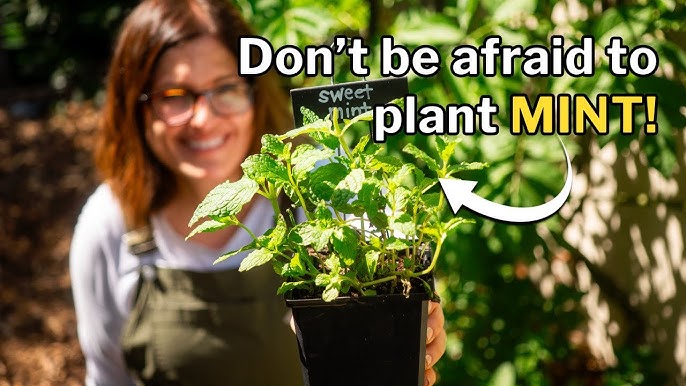
I do recommend that you sample a few different varieties if you have the chance. From my experience, the subtle differences in flavor can make a huge impact on your final culinary creations. We find that the most rewarding part of growing mint is discovering your favorite variety.
Getting Started: Essential Tools and Supplies for Mint Planting
We believe that a successful gardening project begins with a clear understanding of the tools and materials required. While mint is an exceptionally resilient plant, providing it with the right environment from the very beginning will set the stage for explosive growth and minimal issues. We have compiled a list of the essential items we recommend for any aspiring mint cultivator.
Container Selection: The Golden Rule of Mint Gardening
The container is, without a doubt, the most important decision you will make when planting mint. From my experience, this single choice will determine whether your mint plant remains a wellbehaved herb or becomes a gardenwide problem. I do not recommend planting mint directly into the ground unless you have an immense, isolated plot dedicated solely to its cultivation. We advise a container with a wide base and good drainage. The size of the container will dictate the size of your plant, as mint will fill whatever space it is given. We recommend starting with at least a 10inch pot for a single plant. The material of the pot is less important, whether it's terra cotta, plastic, or a decorative ceramic, as long as it has sufficient drainage holes.
Potting Mix vs. Garden Soil: The Foundation for Healthy Roots
The foundation of any healthy plant is its soil. We've found that using the correct growing medium is a nonnegotiable step for longterm success. I do not recommend using standard garden soil from your yard. This type of soil is often too dense, can compact easily, and may contain pathogens or weed seeds that will compete with your mint. Instead, we recommend a highquality, sterile potting mix. A good potting mix is light, airy, and designed to provide excellent drainage while retaining just the right amount of moisture. From my experience, a mix containing peat moss, perlite, and vermiculite provides the ideal balance for a mint plant to flourish. You can also amend your potting mix with compost to provide a slowrelease source of nutrients.
The Importance of Location: Sun and Shade Requirements for Mint
Mint is a remarkably adaptable plant when it comes to sunlight, but we've found that its ideal location is a careful balance of sun and shade. We recommend a spot that receives partial shade or at least 46 hours of morning sun. While mint can tolerate full sun, intense afternoon heat can scorch its leaves and cause it to bolt (go to seed) prematurely. On the other hand, planting mint in deep shade will result in a spindly, leggy plant with a less potent flavor. From my experience, a northfacing window sill that gets morning light or a spot on a porch or patio that is shaded from the afternoon sun is the perfect environment for a containergrown mint plant. We believe that finding this sweet spot will lead to a more robust, flavorful, and aesthetically pleasing plant.
Planting Your Mint: A StepbyStep Guide for Success
Once you have your supplies ready, the actual planting process is straightforward. We've broken down the process into a series of simple, actionable steps that anyone can follow. We do believe that following this precise methodology will give your mint the best possible start.
Step 1: Preparing Your Mint Plant for its New Home
Whether you've purchased a small starter plant from a nursery or are propagating your own from a cutting, we recommend that you inspect the plant carefully before planting. Look for any signs of pests, such as small insects or webbing, and check the roots. A healthy plant will have white, firm roots. If the plant is rootbound (the roots are tightly coiled and filling the entire pot), gently tease them apart with your fingers. This encourages the roots to spread out into the new soil and helps the plant establish itself more quickly. I do believe that this simple step can prevent transplant shock and ensure a smoother transition.
Step 2: Filling the Container and Planting
We recommend starting by adding a layer of your highquality potting mix to the bottom of the container. The depth of this layer should be enough so that when you place the mint plant on top, the base of the plant is about an inch or two below the rim of the pot. This is crucial as it leaves room for watering and prevents soil from washing out. We've found that leaving this space is a simple but often overlooked detail. Carefully place the mint plant in the center of the pot, then fill in the rest of the container with potting mix, gently tamping it down around the sides to eliminate any air pockets. Do not pack the soil too tightly, as this will inhibit root growth and drainage. The soil level should be just below the leaves of the plant.
Step 3: Initial Watering and PostPlanting Care
Immediately after planting, we recommend giving the mint a thorough watering. Water slowly and deeply until you see water draining from the bottom of the pot. This settles the soil and provides the necessary moisture for the roots to establish themselves. For the first week or two, we recommend keeping the soil consistently moist but not waterlogged. I do not recommend letting the soil dry out completely during this critical establishment phase. From my experience, a consistent watering schedule in the beginning is the key to a strong, healthy plant. We believe that this initial care is a direct investment in the longterm success of your mint.
Mastering Mint Care: Nurturing Your Plant to its Full Potential
Once your mint is successfully planted, the focus shifts to ongoing care. We've found that mint is a relatively lowmaintenance plant, but understanding its specific needs will ensure it remains productive and beautiful throughout the growing season. We will now delve into the nuanced aspects of mint maintenance that we've found to be most effective.
Watering Your Mint: The Art of Balance
We've found that one of the most common mistakes in mint cultivation is improper watering. While mint loves moisture, it despises being waterlogged. The goal is to keep the soil consistently moist, but not soggy. We recommend checking the soil moisture daily, especially during hot weather. To check, simply stick your finger about an inch into the soil. If it feels dry, it's time to water. If it's still damp, wait. We do not recommend a fixed watering schedule, as environmental factors like temperature, humidity, and sunlight can drastically change your plant's water needs. I recommend watering at the base of the plant to avoid getting the leaves wet, which can encourage fungal diseases. We've found that a good deep watering every few days is often more effective than shallow, frequent watering, as it encourages the roots to grow deeper and become more resilient.
Fertilizing Mint: Less is More
From my experience, mint is not a heavy feeder and often does not require a lot of fertilizer. In fact, overfertilizing can lead to lush but flavorless foliage. We recommend using a balanced, allpurpose liquid fertilizer at half strength once every 46 weeks during the active growing season (spring and summer). We do not recommend fertilizing in the fall or winter when the plant's growth has slowed. The primary goal of fertilizing is to supplement the nutrients already present in your potting mix, not to force excessive growth. I do believe that a light hand with fertilizer is the secret to potent, flavorful mint.
Pruning and Harvesting: Encouraging Bushy Growth and Maximizing Yield
Pruning is perhaps the most important and rewarding aspect of mint care. We recommend frequent harvesting to encourage the plant to grow bushier and to prevent it from flowering. When mint flowers, the plant's energy is diverted from producing flavorful leaves to creating seeds, which can result in a weaker flavor. To harvest, we recommend cutting stems just above a leaf node (the point where leaves grow from the stem). We've found that this promotes new growth and keeps the plant from becoming leggy. I recommend harvesting about onethird of the plant at a time. The more you harvest, the more the plant will grow. This is a classic case of a reciprocal relationship: you give your attention to the plant, and it gives you a bountiful supply of fresh leaves in return. We've found that regular, light pruning is far superior to a single, heavy cut. From my experience, a weekly harvest is ideal for a healthy and productive mint plant.
Dealing with Challenges: Pests, Diseases, and Other Issues
While mint is generally a tough and resilient plant, it is not immune to problems. We believe that proactive identification and treatment of common issues are key to maintaining a healthy mint patch. We have compiled a comprehensive list of potential challenges and the most effective solutions that we've found from our years of experience.
Common Mint Pests and Their Control
We've found that mint's strong aroma often deters many pests, but some persistent insects can still pose a threat. We recommend regular inspection of your plants, particularly the undersides of the leaves, to catch any infestations early. We do believe that early intervention is the most effective form of pest control.
Identifying and Preventing Diseases in Mint
Beyond pests, mint is susceptible to a few fungal and bacterial diseases, particularly in humid environments. We recommend preventative measures as the best form of defense.
NonPest Related Issues: When Your Mint Looks Unhappy
Sometimes, a plant's problems are not caused by pests or diseases but by environmental factors. We've found that understanding these signs can help you correct the issue quickly. Yellowing leaves can indicate a variety of problems, including overwatering, underwatering, or a lack of nutrients. We recommend checking the soil moisture first. If it is soggy, you're likely overwatering. If it is bonedry, it's underwatering. If neither of these is the case, it might be time for a light feeding. Leggy growth (long, thin stems with sparse leaves) is almost always a sign of insufficient light. We recommend moving your plant to a sunnier location. We believe that by understanding these visual cues, you can become a more intuitive and effective gardener.
Propagation and Expansion: Creating More Mint from a Single Plant
From my experience, one of the most satisfying aspects of growing mint is how easy it is to propagate. We believe that learning to multiply your plants is a valuable skill that not only saves money but also deepens your understanding of plant biology. We've found that there are two primary methods for propagating mint, and we will detail both below.
Water Propagation: A Simple and Effective Method
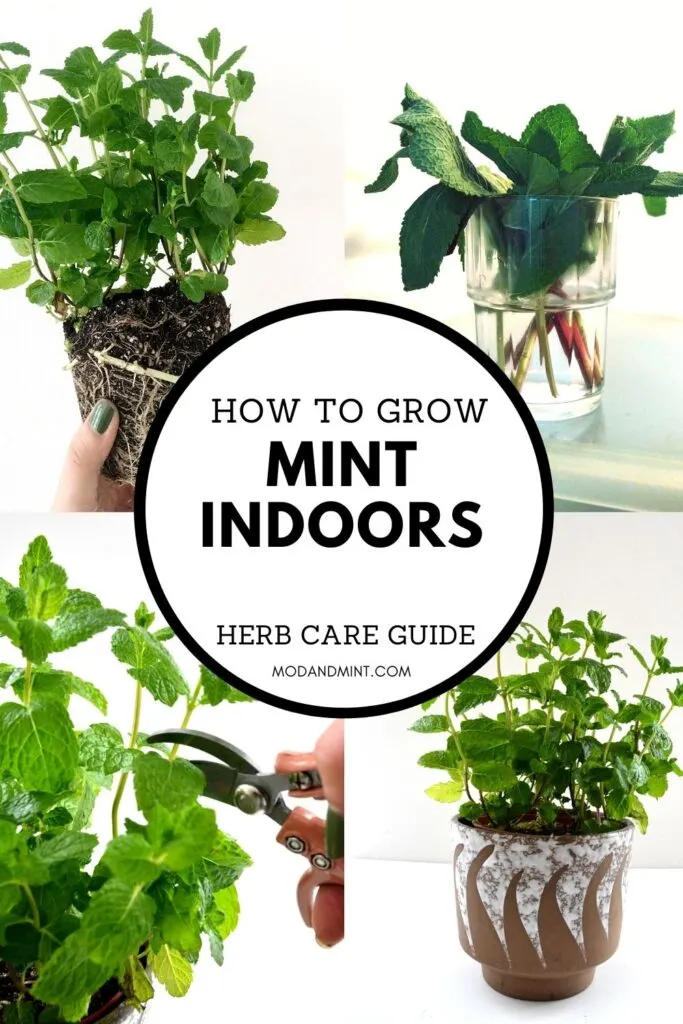
Water propagation is a foolproof method for creating new mint plants. We recommend this method for beginners as it allows you to observe the root development in real time. Simply take a cutting from a healthy stem, about 46 inches long. Remove the lower leaves, leaving just a few at the top. We've found that this prevents the leaves from rotting in the water and allows the plant to focus its energy on root production. Place the cutting in a glass or jar of clean water, ensuring that the water covers the bare stem but does not submerge the leaves. Place the jar in a location with indirect sunlight. We recommend changing the water every few days to prevent bacterial growth. Within a week or two, you should see small white roots beginning to form at the leaf nodes. Once the roots are about an inch or two long, the cutting is ready to be transplanted into a pot with potting mix. From our experience, this is the most rewarding way to start a new mint plant.
Soil Propagation: A Direct and Robust Approach
Soil propagation is another excellent method for creating new mint plants. We recommend this method for a slightly more robust start, as the plant immediately begins to adapt to a soil environment. Take a cutting as described above and dip the cut end in a rooting hormone, which we've found can significantly increase the success rate. Plant the cutting directly into a small pot filled with a sterile potting mix. We recommend planting it about 2 inches deep. Gently firm the soil around the stem and water it thoroughly. Cover the pot with a plastic bag or a dome to create a minigreenhouse effect, which will help retain moisture and humidity. Place the pot in a location with bright, indirect light. We recommend checking on it daily and ensuring the soil remains moist. After a few weeks, you should feel some resistance if you gently tug on the cutting, which indicates that roots have formed. At this point, you can remove the plastic cover and treat it as a new plant.
Dividing the Plant: The Fastest Way to Multiply Mint
The fastest and most direct way to get a larger mint plant is by dividing an existing, mature one. We recommend this method for established plants that are filling their pots. To do this, simply remove the entire plant from its pot and gently separate the root ball into two or more sections. We've found that a sharp knife or garden trowel can be used for this if the roots are very dense. Replant each section into its own pot with fresh potting mix, ensuring the roots are well covered. Water each new plant thoroughly. From my experience, this is a highly effective way to rejuvenate an older, potbound mint plant and create multiple new ones in the process.
Harvesting Mint: The Key to Flavorful Leaves and Culinary Delights
The culmination of all your hard work is the harvest. We believe that knowing how and when to harvest your mint is essential for maximizing its flavor and ensuring the longterm health of your plant. We've found that a few simple techniques can make all the difference in the world.
When to Harvest Mint: Timing is Everything
We recommend harvesting mint in the morning, after the dew has dried but before the sun is at its peak. We've found that this is when the essential oils are most concentrated, resulting in the most flavorful leaves. We do not recommend harvesting mint after it has begun to flower, as the flavor will be significantly diminished. If you see flower buds forming, it's a good time to harvest the entire plant, leaving about 23 inches of stem behind, to encourage new growth. From my experience, a light, frequent harvest of a few sprigs is ideal for continuous use, while a larger, more aggressive harvest is perfect for drying or freezing for later use.
How to Harvest: Pruning for Growth
As mentioned in the care section, the best way to harvest mint is by pruning. We recommend using clean, sharp scissors or pruners to cut the stems just above a leaf node. We've found that this cut encourages the plant to branch out at that point, creating a bushier, more productive plant. Do not simply pull or tear the leaves from the stem, as this can damage the plant and make it more susceptible to disease. We recommend harvesting from the top of the plant down, which encourages new, vigorous growth from the base. I do believe that this method is not just about taking from the plant, but about shaping it and encouraging it to thrive.
Preserving Your Harvest: Making the Most of a Bountiful Crop
We've found that mint is so prolific that you will often have more than you can use fresh. We recommend several methods for preserving your harvest to enjoy the flavor of mint all year long. Drying mint is a simple and effective method. Simply tie small bundles of mint together and hang them in a cool, dry, wellventilated area away from direct sunlight. Once the leaves are crumbly, remove them from the stems and store them in an airtight container. Another option is freezing. We've found that freezing mint leaves in an ice cube tray with water or olive oil is a great way to preserve them for use in drinks or cooking. Simply pop a cube into a pitcher of water or a simmering stew. We do believe that having a stash of preserved mint is one of the greatest joys of a successful harvest. From my experience, a little bit of planning can go a long way in the kitchen.
Companion Planting: The Power of Proximity
We believe that understanding the symbiotic relationships between plants can be a powerful tool for a healthier, more productive garden. While mint's aggressive nature often makes it an unlikely companion for many plants, we've found that it can be a highly effective deterrent for certain pests when used strategically. We recommend using mint as a "guard plant" in containers near other plants, but never planting it directly in the ground alongside them.
Mint's PestRepelling Qualities
The strong aroma of mint is not just a treat for us; it is also a powerful deterrent for many common garden pests. We've found that the compounds in mint, particularly menthol, can confuse and repel insects. We recommend placing a pot of mint near plants that are often afflicted by aphids, cabbage moths, and flea beetles. I do believe that this is a wonderful, natural form of pest control that harnesses the power of nature. We've seen firsthand how a wellplaced mint plant can reduce the need for chemical pesticides.
Mint's Role in Attracting Beneficial Insects
While mint can repel some pests, it can also attract beneficial insects. When mint is allowed to flower, its small blossoms are a magnet for bees, butterflies, and other pollinators. We recommend letting a small portion of your mint plant go to flower, particularly in a dedicated pot, to support the local ecosystem. I do believe that this is a simple way to contribute to the health of your garden and the environment as a whole. We've found that a diverse garden with a mix of different plants is a more resilient and productive one. From my experience, mint's role as both a repeller and an attractor makes it a valuable asset in any garden.
Advanced Mint Cultivation: Taking Your Skills to the Next Level
Once you've mastered the basics of mint cultivation, we believe that there are a number of advanced techniques you can explore to further enhance your gardening experience. We have compiled a list of some of the most effective strategies that we've found to be both rewarding and educational.
Forcing Mint Indoors for Winter Harvests
From my experience, one of the greatest challenges for mint lovers in colder climates is the lack of fresh herbs during the winter months. We've found that you can easily "force" a mint plant to grow indoors, providing you with a continuous supply of fresh leaves. In the late fall, before the first hard frost, we recommend digging up a small section of your outdoor mint patch and repotting it in a container with fresh potting mix. We've found that an established plant will transition more easily than a new cutting. Bring the pot indoors and place it in a sunny, southfacing window. We recommend a location that is cool but not drafty. Water the plant sparingly, as it will require less water due to reduced light and cooler temperatures. I do believe that this is a simple and effective way to extend your harvesting season and enjoy fresh mint all year long. We've found that the flavor of forced mint is just as good as a summer harvest.
Creating Your Own Mint Tea Blends
We believe that the best way to utilize a bountiful mint harvest is by creating your own unique tea blends. From my experience, the possibilities are endless. We recommend experimenting with different flavor combinations to find your perfect blend. Some of our favorite additions to dried mint include chamomile for a calming tea, lemon balm for a bright and citrusy flavor, and lavender for a floral and soothing brew. We've found that the quality of your homegrown, dried mint far surpasses anything you can buy in a store. I do recommend drying your herbs separately before blending them to ensure a consistent flavor profile and to prevent any moisture from causing mold. We've found that a simple tea infuser and a hot cup of water are all you need to enjoy the fruits of your labor.
Making Your Own Mint Extract
Another excellent way to preserve the flavor of your mint is by making your own extract. We've found that a simple, twoingredient recipe is all you need. We recommend using a highproof alcohol, such as vodka or everclear, as a base. Finely chop or crush your fresh mint leaves to release the essential oils, then place them in a clean glass jar. Pour the alcohol over the leaves until they are completely submerged. We recommend a ratio of about one part mint to two parts alcohol, but you can adjust this to your liking. Seal the jar tightly and store it in a cool, dark place for 46 weeks, shaking it every few days. Once the extract has reached your desired strength, strain out the mint leaves and store the extract in a dark glass bottle. I do believe that this is a wonderful way to capture the essence of mint for use in baking, cooking, and drinks. From my experience, a homemade mint extract is a gamechanger for your culinary creations.
Conclusion: A Call to Cultivation
From our experience, there are few plants more rewarding to grow than mint. It is a plant that demands little and gives back so much more. We've meticulously detailed every step of the process, from understanding its aggressive nature to mastering the art of propagation and harvesting. We do believe that with this guide, you are now equipped with the knowledge and confidence to cultivate a thriving mint garden. We recommend that you approach this journey with a sense of adventure and a willingness to learn from your plant. I do not believe in a single, rigid set of rules for gardening, but rather in a set of principles that can be adapted to your unique environment. From my experience, the true joy of gardening lies in the connection you form with the plants you nurture. We've found that mint, with its boundless energy and intoxicating aroma, is the perfect plant to begin that relationship. I do hope that this guide inspires you to plant your first mint sprig and to discover the simple, profound joy of watching it grow. From my experience, a thriving mint patch is more than just a source of fresh ingredients; it's a testament to simple, effective gardening practices. I recommend mint to new and seasoned gardeners alike because it's so forgiving and offers such a bountiful return on investment. We do believe that this article will be the definitive resource you need to not only start your mint journey but to become an expert mint cultivator. It is our sincerest hope that this comprehensive guide empowers you to grow mint with confidence and success, and to share its wonderful flavor and aroma with everyone you know.
Appendices: Additional Information and Resources
Troubleshooting Mint Problems: A Quick Reference Guide
We've found that a quick reference can be invaluable when something unexpected happens to your plant. We've compiled a brief troubleshooting guide to help you quickly identify and solve common issues. I do recommend you keep this section handy for reference.
The Culinary Uses of Mint: Beyond the Mojito
We believe that the versatility of mint in the kitchen is one of its greatest assets. We've found that its flavor can enhance a wide range of dishes, both sweet and savory. I do recommend you experiment with mint in your cooking. Here are a few ideas to get you started:
The Medicinal and Aromatic Properties of Mint
For centuries, mint has been used for its medicinal and aromatic properties. We've found that the compounds in mint, particularly menthol, can have a variety of therapeutic effects. I do not recommend mint as a substitute for professional medical advice, but it can be a wonderful, natural addition to your wellness routine. Some of its traditional uses include:


Comments
Post a Comment