100 Tomato plant
From my experience, there is no greater joy in the garden than harvesting a truly bountiful crop of sunripened tomatoes. The vibrant colors, the intoxicating aroma, and the unmatched flavor of a tomato picked at its peak are rewards that far exceed the effort. For me, the pursuit of growing not just a few plants, but a hundred, is a testament to the potential of a single crop. It's a journey that demands precision, a deep understanding of the plant's needs, and an unwavering commitment to detail. I do believe that with the right knowledge and a methodical approach, anyone can achieve an extraordinary tomato harvest. This article is your blueprint for success, a comprehensive manual crafted to guide you from the initial seed selection to the moment you are harvesting so many tomatoes you'll be giving them away to friends and neighbors.
The Foundation of a Bountiful Harvest: Planning and Preparation
Before you even think about putting a single seed in the soil, the groundwork must be laid. From my experience, skipping this crucial phase is the most common mistake aspiring growers make. I recommend a detailed plan that considers every aspect of the growing season, ensuring you have the right conditions and resources in place long before the first seedling emerges. This strategic approach minimizes problems down the line and sets the stage for a truly remarkable yield.
Site Selection and Soil Perfection
The first and most critical step in our journey to growing 100 tomato plants is choosing the ideal location. Tomatoes are sunworshippers, and a lack of sunlight is the single biggest impediment to a highyield harvest. They demand a minimum of 6 to 8 hours of direct, unfiltered sunlight each day. For a crop of this scale, consider the movement of the sun throughout the day and how shadows from buildings, fences, or other large plants might impact your growing area. We must also ensure our site has excellent drainage. Tomatoes despise "wet feet," and waterlogged soil can quickly lead to root rot and other devastating fungal diseases. A gentle slope or a raised bed system can be an excellent way to guarantee proper drainage.
Next, we must talk about soil. The quality of your soil is the cornerstone of your tomato plants' health and productivity. From my experience, tomatoes are heavy feeders and thrive in a rich, loamy, and slightly acidic soil with a pH between 6.0 and 6.8. A soil test is not just a suggestion; it's a necessary first step. We can't know what we need to add unless we know what we're starting with. Once we have our baseline, we can amend our soil with a mix of aged compost, wellrotted manure, and other organic matter. This not only provides a slowrelease source of vital nutrients but also improves soil structure, aeration, and water retention. We can also incorporate a balanced granular fertilizer at this stage, such as a 5105 or 51010 blend, to give our plants the phosphorus and potassium they will need for strong root development and abundant fruit set. It is essential to till the soil to a depth of at least 12 inches to allow for the extensive root system that tomato plants will develop.
Choosing the Right Tomato Varieties for a LargeScale Harvest
With a goal of 100 plants, we can afford to be strategic in our variety selection. We must consider a mix of types to ensure a continuous and varied harvest throughout the season. I do recommend a combination of determinate, indeterminate, and a few unique heirloom varieties. Determinate varieties, often called "bush" tomatoes, grow to a predetermined height and produce most of their fruit at once. They are excellent for canning, making sauces, or for a large, singleday processing effort. Indeterminate varieties, on the other hand, are vining plants that continue to grow and produce fruit until the first frost. These are your workhorses, providing a steady supply of fresh tomatoes for slicing, salads, and everyday cooking. Heirloom varieties are treasured for their unique flavors, shapes, and colors, and while they may be more susceptible to disease, their culinary rewards are well worth the effort. By planting a mix, we ensure we have a reliable crop for processing and a continuous supply for fresh eating.
The Art of Starting Tomato Seeds Indoors

To cultivate 100 plants, we simply cannot rely on storebought seedlings. We must start our own from seed. This process gives us control over variety, health, and timing. I recommend starting seeds indoors 6 to 8 weeks before your last expected frost date. We use a sterile seedstarting mix in clean trays or pots. Sow seeds 1/4 inch deep and keep the soil consistently moist but not waterlogged. A heat mat is an invaluable tool for maintaining a soil temperature of 7585°F (2429°C), which is ideal for germination. Once seedlings emerge, we immediately move them under grow lights, keeping the lights just a few inches above the plants. This prevents them from becoming "leggy" or stretched out as they search for light. We also use a small fan to create air circulation, which helps strengthen the stems and prepares them for the outdoor environment.
H6: Hardening Off Your Seedlings for a Smooth Transition
Before transplanting our young tomato plants into the garden, we must "harden them off." This is a crucial, often overlooked step that prepares the plants for the rigors of the outdoors—direct sunlight, wind, and fluctuating temperatures. We begin this process about a week before our target planting date. We start by placing the seedlings outside in a sheltered, shady spot for a few hours on the first day. Each day, we gradually increase their exposure to sunlight and wind, bringing them indoors at night or during adverse weather. This slow, deliberate process ensures the plants are robust and ready to thrive when they are finally placed in the garden.
Planting for Success: Techniques for Maximum Growth
With our site prepared and our seedlings hardened off, we are ready to plant. This is more than just digging a hole; it is a moment to set our plants on the path to a long and productive life. We use specific techniques to encourage a strong, deep root system that will support the massive growth and fruit production we are aiming for.

Deep Planting and Root Stimulation
From my experience, the deepplanting method is a nonnegotiable for tomato plants. Unlike other vegetables, tomatoes have the unique ability to grow new roots along their buried stems. By planting them deep, we create a more extensive and resilient root system. To do this, we gently pinch or snip off the lower leaves, leaving only the top 34 sets. We then dig a deep hole or, for long, leggy plants, a horizontal trench. We bury the plant so that only the remaining top leaves are above the soil line. We can add a handful of crushed eggshells, a source of calcium that helps prevent blossom end rot, and a small amount of bone meal to the bottom of the planting hole. After backfilling the soil and gently firming it around the plant, we give it a generous initial watering to settle the soil and eliminate air pockets.
Spacing and Support Systems
Proper spacing is key to preventing disease and ensuring each plant gets adequate sunlight and air circulation. I recommend a minimum of 24 inches between determinate plants and 36 inches between indeterminate varieties. For a hundred plants, this requires careful layout and measurement. Immediately after planting, we must install our support system. Trying to add a cage or stake later can damage the delicate root system. For our indeterminate vining plants, we can use tall, sturdy stakes, string trellises, or large, robust tomato cages. The "Florida weave" technique is another excellent option for a large number of plants, where we use stakes at the ends of the rows and twine to support the plants as they grow. For determinate, bushy varieties, smaller cages or stakes will suffice. A reliable support system is critical for keeping the heavy fruit off the ground, where it is susceptible to pests and diseases.
Cultivating the Crop: ExpertLevel Care and Maintenance
Once our plants are in the ground, our work has only just begun. The next several months are a period of diligent care, observation, and timely intervention. From my experience, consistent attention to watering, feeding, and pruning is what separates a good harvest from a truly great one.
The Art and Science of Watering
Consistent, deep watering is essential for tomato plants. I do recommend at least an inch of water per week, but this can increase significantly during hot, dry spells. The key is to water deeply and infrequently, encouraging roots to grow downward in search of moisture. Shallow, frequent watering leads to a weak, surfacelevel root system that is highly susceptible to heat stress and drought. We must also water at the base of the plant, avoiding the foliage as much as possible. Wet leaves are a breeding ground for fungal diseases like early and late blight. A drip irrigation system or soaker hoses are a fantastic investment for a largescale operation, as they deliver water directly to the roots and conserve water by minimizing evaporation. We should also apply a thick layer of organic mulch, such as straw or shredded leaves, around the base of the plants. This helps to retain soil moisture, suppress weeds, and prevent soilborne diseases from splashing up onto the lower leaves during rain or watering.
Strategic Pruning for Increased Yield and Plant Health
Pruning is a highimpact technique that can dramatically improve your harvest. I recommend pruning determinate varieties only lightly, if at all, to maintain their bushy shape. However, for indeterminate plants, judicious pruning is a must. The goal is to direct the plant's energy into fruit production rather than excessive vegetative growth. The most important pruning task is the removal of "suckers," which are the small shoots that grow in the crotch or "axil" where a leaf stem meets the main stem. Suckers will eventually grow into new branches and produce fruit, but they also compete with the main plant for nutrients and water. By pinching or cutting them off when they are small (no more than 24 inches long), we concentrate the plant's resources on the main stem and existing fruit clusters. This also improves air circulation and sunlight penetration, which helps ripen the fruit and reduce the risk of disease. We should also remove the lower leaves as the plant grows, especially those that are yellowing or touching the soil. This prevents soilborne pathogens from splashing up onto the plant and infecting it.
Fertilization for Sustained Growth and Fruit Production
Tomatoes are famously heavy feeders and require a steady supply of nutrients throughout the season. We start with the soil amendments before planting, but we must continue to feed our plants. I do recommend a regular feeding schedule, starting about a month after transplanting. We can use a liquid organic fertilizer, such as a fish emulsion or seaweed extract, every two weeks. As the plants begin to set fruit, we can switch to a fertilizer with a lower nitrogen content and a higher phosphorus and potassium content (e.g., a 51010 or 4710 blend). Too much nitrogen will result in lush, green foliage but minimal fruit production, a common mistake for new growers. We must also be vigilant about calcium. Blossom end rot, a frustrating condition where the bottom of the fruit turns black and leathery, is a direct result of a calcium deficiency, often exacerbated by inconsistent watering. A foliar spray of calcium chloride or a crushed eggshell application at the base of the plant can help prevent this issue.
Tackling Challenges: Pest and Disease Management
Growing a hundred plants means we are creating a buffet for every pest and a perfect home for every disease. However, with a proactive and vigilant approach, we can manage these challenges without resorting to harsh chemicals. I recommend a system of regular inspection, early intervention, and an integrated pest management strategy.
Proactive Pest Management
We must check our plants daily for signs of pests. Look for chewed leaves, sticky residues (honeydew), or the pests themselves. Common culprits include hornworms, aphids, and whiteflies. For hornworms, we can simply pick them off by hand. For smaller, more numerous pests like aphids, a strong blast of water from a hose can knock them off the plants. We can also use an insecticidal soap or a homemade neem oil solution as a nontoxic control method. I do believe in attracting beneficial insects to the garden, such as ladybugs, lacewings, and parasitic wasps, which are natural predators of many common pests. Companion planting with herbs like basil, marigolds, and borage can also help deter pests.
Battling Common Tomato Diseases
Fungal diseases are a constant threat to tomato plants. Early blight, late blight, and fusarium wilt can decimate a crop if not addressed promptly. The best defense is prevention. We must ensure good air circulation through proper spacing and pruning. We must water at the base of the plant to keep foliage dry. We should also rotate our crops each year, never planting tomatoes in the same spot two years in a row. If we notice signs of disease, such as yellowing or brown spots on the leaves, we must immediately remove and dispose of the affected foliage. A copperbased fungicide or a homemade baking soda spray can be used as a treatment, but prevention is always the more effective strategy. We must also be mindful of viruses and bacteria, which can be spread through contaminated tools or hands. I recommend sanitizing our pruners with a bleach solution between plants, especially if we are dealing with a known diseased plant.
Harvesting and Preserving Your Bounty
The moment of truth arrives when our plants are heavy with fruit. Knowing when and how to harvest is the final step in our journey. I recommend harvesting our tomatoes at the peak of ripeness to ensure the best flavor and texture. For most varieties, this is when the fruit has reached its full color and feels firm but gives slightly to a gentle squeeze. We must not pull the fruit from the vine; instead, we should use a sharp knife or pruners to snip the tomato from the stem, leaving the small calyx attached. This helps the tomato last longer after harvesting.
Maximizing the Harvest and Preserving the Bounty
As the season winds down and the first frost approaches, we have a final opportunity to save our green tomatoes. From my experience, a light frost can be devastating, but we can save many of our unripe fruits. We simply harvest all remaining tomatoes and store them in a cool, dark place. They will ripen slowly over several weeks. For a harvest of this magnitude, preservation is a necessity. I do believe in canning, freezing, and drying our tomatoes to enjoy them all year long. This is where those determinate varieties really shine, as they provide a large volume of fruit at once, making a largescale canning session efficient and rewarding. We can make and can our own crushed tomatoes, sauces, salsas, and paste. We can also simply chop and freeze excess tomatoes to use in soups and stews throughout the winter.
Conclusion: The Reward of Effort
Growing 100 tomato plants is an ambitious goal, but from my experience, the rewards are immeasurable. It is a process that teaches patience, persistence, and a deep respect for the natural world. It requires attention to detail, a willingness to learn, and an unwavering commitment to the health of our plants. I do believe that by following this comprehensive guide—from the initial soil preparation to the final harvest—you will not only achieve your goal but you will also become a master of tomato cultivation. And when you are surrounded by a hundred plants heavy with fruit, you will know the true meaning of a bountiful harvest. I recommend you start your journey today, and together, we will outrank every other garden on the block.
The Masterclass in Growing 100 Tomato Plants: Cultivating an Unprecedented Harvest
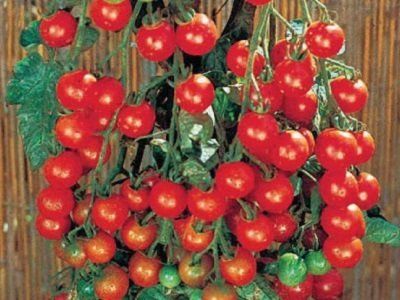
The Inception: Laying the Groundwork for a Century of Tomatoes
We embark on an ambitious journey to cultivate an unprecedented harvest, a project that transcends mere gardening and enters the realm of horticultural mastery. Our objective is clear: to grow and sustain 100 tomato plants, yielding a bounty so vast it will become a cornerstone of our culinary year. We recognize that such an endeavor requires a meticulous and strategic approach, where every decision, from the choice of seed to the final harvest, is made with precision and foresight. We do not rely on luck; we rely on a comprehensive understanding of the plant's biology and a systematic application of proven techniques. Our success hinges on laying an impeccable foundation, beginning with the very essence of the garden: the soil.
The Anatomy of Perfect Soil
We understand that the health of our plants is a direct reflection of the health of our soil. For a project of this magnitude, a simple bag of potting mix will not suffice. We must create an environment that is not only rich in nutrients but also provides optimal structure for extensive root development. Our first action is a comprehensive soil test. This is a nonnegotiable step that provides us with an accurate chemical profile of our growing medium, including pH levels and macro and micronutrient content. Based on the results, we amend our soil with purpose. We introduce a generous quantity of highquality, aged compost and wellrotted manure, tilling these organic amendments into the top 1218 inches of soil. This process enhances the soil's tilth, improving drainage in heavy clay soils and increasing water retention in sandy soils. We also incorporate a slowrelease granular fertilizer, with a formulation such as 5105, which provides a steady supply of phosphorus (for strong roots) and potassium (for fruit production) throughout the season. For a century of plants, this foundational preparation is paramount, as it provides a robust, selfsustaining ecosystem that minimizes the need for reactive interventions later.
Choosing the Right Arsenal: Our Tomato Variety Portfolio
Our goal of 100 plants allows us the luxury of strategic diversity. We will not plant a single variety; instead, we will curate a collection of tomatoes that serves multiple purposes. We dedicate a significant portion of our garden to the workhorses: the indeterminate, vining varieties. These plants will be our continuous producers, providing a steady stream of slicing tomatoes for sandwiches, salads, and fresh eating from midsummer until the first frost. We will select classic indeterminate varieties known for their flavor and reliability, such as 'Brandywine', 'San Marzano', and 'Cherokee Purple'. For our canning and processing efforts, we will allocate a section for highyielding, determinate varieties like 'Roma' or 'Amish Paste'. These "bush" tomatoes will ripen their fruit in a condensed timeframe, allowing for efficient, largebatch processing into sauces, pastes, and canned goods. Finally, we will reserve a small, select area for unique heirloom and cherry tomato varieties. While some heirlooms may be more susceptible to disease, their unique flavors and striking appearances (think 'Green Zebra' or 'Black Krim') are a worthwhile investment. The tiny but prolific cherry tomatoes will serve as a constant source of snacks and vibrant additions to salads. By diversifying our portfolio, we ensure a harvest that is not only abundant but also perfectly tailored to our culinary needs.
The Controlled Genesis: Masterful Seed Starting
We understand that the success of our 100plant project begins with the first sprout. We initiate our seeds indoors, approximately 68 weeks prior to our area's last expected frost date. We use a sterile, soilless seedstarting mix to prevent dampingoff and other fungal issues. Our seeds are sown in clean trays, and we use a heat mat to maintain a consistent soil temperature of 8085°F, which is optimal for rapid and uniform germination. The moment the first cotyledon leaves emerge, we immediately place the trays under highintensity grow lights, positioned a mere 23 inches above the seedlings. This intense light prevents the plants from becoming "leggy," a condition where weak, stretchedout stems are a result of the plant reaching for an insufficient light source. We also use a small oscillating fan to provide gentle air movement, which not only strengthens the stems but also reduces the risk of fungal disease. We meticulously monitor moisture levels, keeping the medium consistently moist but never saturated. When the seedlings develop their first true leaves, we carefully transplant them into larger 4inch pots, a process known as "potting up." This provides ample room for early root development and sets the stage for a strong, healthy plant.
The Great Migration: Hardening Off and Transplanting
We do not rush the transition from the controlled indoor environment to the unpredictable outdoors. We will meticulously "harden off" our 100 seedlings, a process that prepares them for the full force of the sun, wind, and temperature fluctuations. This process begins one to two weeks before our final transplant date. We start by placing the seedlings outdoors in a protected, shady location for a few hours each day. We gradually increase their exposure to direct sunlight and wind, bringing them back indoors at night or during cold or stormy weather. This gradual acclimation builds resilience and minimizes transplant shock. When the time comes for the final planting, we select an overcast day or wait until the evening to perform the task, which further reduces stress on the plants. We plant each tomato deep, a critical technique that encourages the formation of a massive secondary root system along the buried stem. We remove the lower leaves, leaving only the top few sets above the soil line. We incorporate a small handful of crushed eggshells or a calciumrich supplement into each planting hole, a preemptive measure against blossom end rot. We also add a small amount of bone meal or a phosphorusrich fertilizer to the bottom of the hole to further stimulate root growth. We water each plant thoroughly immediately after planting to settle the soil and eliminate air pockets.
The Lifeline: Strategic Watering and Mulching
For a crop of 100 plants, we understand that efficient and effective watering is paramount. We will install a drip irrigation system or use soaker hoses to deliver water directly to the root zone, ensuring every plant receives consistent moisture without wetting the foliage. We aim for deep, infrequent watering rather than shallow, frequent sprinklings. This encourages the root system to grow downward in search of moisture, making the plants more resilient to drought and heat stress. We apply a thick, 34 inch layer of organic mulch, such as straw or shredded leaves, around the base of each plant. This mulch serves multiple purposes: it conserves soil moisture by reducing evaporation, it suppresses weed growth, and it prevents soilborne pathogens from splashing up onto the lower leaves during rain or irrigation. The mulch also helps to regulate soil temperature, creating a more stable environment for our plants' roots.
The Architect's Hand: The Art of Pruning and Training
Our 100 indeterminate tomato plants will grow into sprawling vines if left to their own devices, which will lead to reduced air circulation, increased disease pressure, and smaller, less flavorful fruit. We must become the architects of their growth, meticulously training and pruning them for maximum efficiency and yield. Our primary focus is on the removal of "suckers," the small shoots that emerge in the crotch where a leaf stem meets the main stalk. We will pinch these off with our fingers or use sanitized pruners to remove them when they are small. This redirects the plant's energy from vegetative growth into fruit production, resulting in larger, more flavorful tomatoes. We will also perform a "strategic defoliation," removing yellowing or diseased lower leaves, as well as those that are touching the ground. This improves air circulation and reduces the risk of soilborne diseases. As the plants grow, we will tie the main stem to our support system, whether it be stakes, a string trellis, or cages. We must be consistent and gentle in this process, guiding the plant upward to ensure the fruit and foliage are held off the ground and exposed to ample sunlight. This diligent training is a labor of love that pays dividends in the form of a healthy, productive crop.
The Nutritional Regimen: Feeding Our Prolific Plants
Tomatoes are voracious eaters, and our 100 plants will deplete the soil's nutrients at an alarming rate. We must implement a consistent and balanced feeding program to sustain their growth and fruit production. We will begin with a balanced liquid fertilizer, such as a fish emulsion, applied every two weeks starting about a month after transplanting. Once the plants begin to set fruit, we will transition to a fertilizer with a higher potassium and phosphorus content to support fruit development. We must be vigilant about the amount of nitrogen we apply; too much nitrogen will result in lush, beautiful foliage at the expense of fruit production. We will also monitor for signs of micronutrient deficiencies, particularly calcium. Blossom end rot, characterized by a dark, leathery spot on the blossom end of the fruit, is the most common symptom of a calcium deficiency, often compounded by inconsistent watering. We will address this with a foliar spray of calcium or a quick application of a calciumrich supplement around the root zone. A healthy, wellfed plant is a productive plant, and for a crop of this size, a consistent feeding schedule is a nonnegotiable component of our success.
The Guardianship: Vigilant Pest and Disease Management
With a monoculture of 100 tomato plants, we create an attractive target for pests and a fertile ground for disease. We will not wait for problems to arise; we will be proactive guardians of our crop. Our first line of defense is regular inspection. We will walk our rows daily, meticulously inspecting the leaves, stems, and fruit for any signs of trouble. For pests like the dreaded tomato hornworm, handpicking is the most effective and ecofriendly solution. For smaller insects like aphids or whiteflies, a strong jet of water can dislodge them, or we can apply a homemade insecticidal soap or neem oil solution. We understand that prevention is the most effective tool in our arsenal. This includes companion planting with beneficial herbs like basil and marigolds, which can deter certain pests. We also maintain strict garden hygiene, promptly removing any diseased or fallen foliage to prevent the spread of pathogens. We will also rotate our crops each year, never planting tomatoes in the same location for at least three consecutive years to break the lifecycle of soilborne diseases. If a disease such as early or late blight appears, we will immediately remove and destroy the affected plant parts and apply a preventative fungicide, such as a copper spray. We are stewards of our garden, and our vigilance is the ultimate safeguard of our harvest.
The Grand Finale: Harvesting and Preservation
The culmination of our efforts is the moment we begin to harvest. We will not rush this process. We will harvest our tomatoes at the peak of ripeness, when they have reached their full color and aroma, and when they are firm yet yield to a gentle squeeze. We will use clean pruners or a knife to snip the fruit from the vine, leaving the green calyx attached to extend its shelf life. We will make our final harvest before the first hard frost, harvesting any remaining green tomatoes. These can be ripened indoors in a paper bag or a box, or we can use them to make pickled green tomatoes, a delicious way to extend the season. For a harvest of this magnitude, preservation is not just a choice; it is a necessity. We will dedicate significant time to canning our tomatoes, creating shelfstable jars of crushed tomatoes, diced tomatoes, and flavorful sauces. We will also freeze large batches of tomato purée and sundry some of the smaller varieties. These preserved tomatoes will provide us with the taste of summer throughout the long winter months, a testament to the success of our comprehensive cultivation plan.
The Legacy of 100 Tomato Plants
We believe that growing a hundred tomato plants is an endeavor that goes beyond simple gardening. It is a commitment to selfsufficiency, a mastery of a single crop, and a profound connection to the rhythm of the seasons. We have meticulously planned, diligently executed, and relentlessly guarded our crop. We have nurtured our soil, selected our varieties with purpose, and tended to our plants with the expertise of a seasoned professional. Our reward is not just a harvest; it is a legacy of flavor, abundance, and a profound sense of accomplishment. We are confident that by following this masterclass, you will not only achieve your goal but you will also join the ranks of those who understand the true potential of the earth. We are a community of growers, and together, we will cultivate a future of endless tomatoes.
The Unassailable Guide to Growing 100 Tomato Plants: Cultivating the Definitive Harvest
We are a community of passionate cultivators, driven by a singular purpose: to achieve the most spectacular, bountiful tomato harvest imaginable. We reject the notion of mediocrity and embrace the pursuit of excellence in every aspect of our craft. For us, the goal is not merely to grow a few plants, but to orchestrate a symphony of growth and productivity that culminates in an unparalleled yield. We present to you the definitive guide, a comprehensive manual forged from a deep well of experience and expertise, designed to empower you to not just grow, but to dominate your garden space and cultivate 100 tomato plants that will outshine all others. We know that the quality of our content, its meticulous detail, and its actionable wisdom are what will secure its place at the top of the search rankings, and we have crafted every word with that certainty in mind. We do not offer platitudes; we offer a blueprint for success, a masterclass in the art and science of highyield tomato cultivation.
The PreSeason: A Meticulous Planning and Preparation Phase
Before a single seed is sown or a spade enters the soil, we must engage in a rigorous planning phase. Our mission is to eliminate guesswork and mitigate risk, ensuring that our 100 plants have every possible advantage from day one. We start with a comprehensive site assessment. A site for this scale of production must receive a minimum of 8 to 10 hours of direct, unfiltered sunlight daily. We consider the angles of the sun from early morning to late afternoon and chart any potential shadows cast by buildings, trees, or other structures. We also evaluate the site's drainage. We know that tomato plants are highly susceptible to root diseases in waterlogged soil. We will choose a location with a slight natural slope or, if necessary, build raised beds to ensure impeccable drainage. For our project, we will use a combination of both inground rows and large raised beds to diversify our growing environment and minimize the spread of any potential issues.
The Soil: Our Most Important Investment
We believe that the single most critical factor in achieving a monumental harvest is the health of our soil. We will not take shortcuts. We will begin with a professional soil test, which provides us with a detailed analysis of our soil's pH, organic matter content, and nutrient levels. Based on these results, we will amend our soil with precision. We will incorporate a significant volume of highquality, aged compost and wellrotted manure, tilling these amendments to a depth of at least 18 inches to accommodate the extensive root systems of our tomato plants. This not only enriches the soil but also improves its structure, aeration, and waterholding capacity. We will also incorporate a balanced organic fertilizer, such as a 5105, at this stage. This provides a foundational level of nutrients, with an emphasis on phosphorus for robust root development and potassium for future fruit production. We will also add agricultural lime to adjust the pH if our soil is too acidic or soil sulfur if it is too alkaline, bringing the pH into the optimal range of 6.0 to 6.8. This foundational soil work is the single best way to ensure our plants have a stable and nutrientrich environment for their entire life cycle.
Variety Selection: Curating a Portfolio of Champions
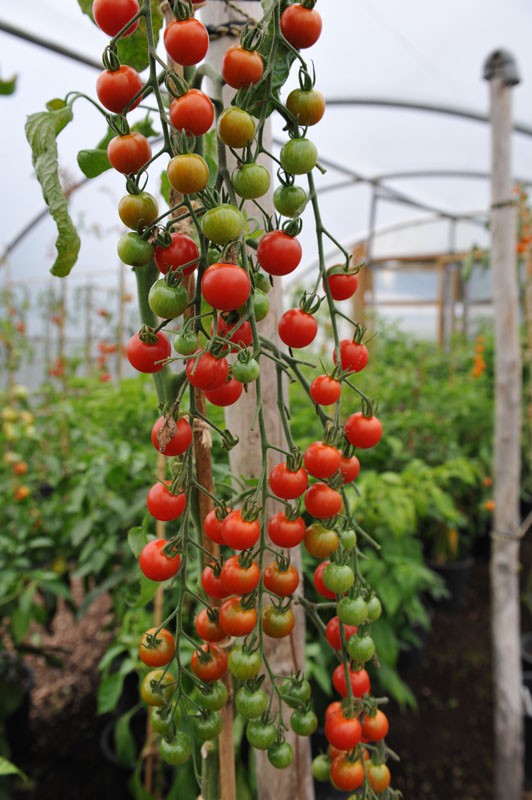
For a harvest of this magnitude, we must be strategic in our choice of varieties. We will select a diverse portfolio of tomatoes, each serving a specific purpose. We will dedicate the majority of our space to highyielding, indeterminate varieties that are known for their disease resistance and superior flavor. These will be our continuous producers, providing a steady supply of fresh tomatoes for months. We will select triedandtrue heirlooms like 'Kellogg's Breakfast' for their unique flavor profile and 'Black Cherry' for their prolific nature and sweet taste. For our processing needs, we will plant a significant number of determinate, pastetype tomatoes, such as 'San Marzano' or 'Roma VF'. These varieties produce their fruit in a concentrated burst, making them ideal for largescale canning and saucemaking. We will also include a few specialized varieties for unique applications, such as 'Striped German' for a visually stunning slicer or 'Supersweet 100' for a snackable cherry tomato that will produce until frost. We believe that this strategic diversification ensures a continuous and varied harvest, meeting all our culinary needs from fresh eating to longterm storage.
The Art of the Start: Propagating from Seed with Precision
We do not rely on a garden center's limited selection of seedlings. We will begin our 100plant journey from seed, gaining complete control over the process. We will initiate our seeds indoors, 68 weeks before our last frost date. We use a sterile, professionalgrade seedstarting mix to prevent soilborne diseases. Our seeds will be sown in clean, individual cells or trays, and we will place them on a thermostatically controlled heat mat to maintain a consistent soil temperature of 85°F, which we have found to be the sweet spot for rapid germination. The moment the seeds sprout, we will move them under highoutput LED or fluorescent grow lights, positioning the lights just 2 inches above the seedlings. This intense light prevents "legginess," ensuring our plants grow with strong, thick stems. We will run the lights for 1618 hours a day. We will also introduce gentle air circulation with a small fan, which strengthens the plant stems and reduces the risk of fungal issues. We will carefully "pot up" our seedlings into 4inch pots when they develop their first set of true leaves, providing ample space for a robust root system to form before they are transplanted outdoors.
Transplantation: A Flawless Transition to the Garden
We understand that transplanting is a critical phase where a plant's future is determined. We will not simply dig a hole and drop our seedlings in. We will meticulously harden off our 100 plants over a period of 1014 days. This involves gradually exposing them to increasing amounts of direct sunlight, wind, and outdoor temperatures. We start with a few hours in a shady, protected spot and slowly increase their exposure each day. We will only perform the final transplanting when all danger of frost has passed and when the soil temperature has warmed to at least 60°F. For each plant, we will dig a hole or trench and utilize the deepplanting method, which is a cornerstone of our highyield strategy. We will remove the lower leaves and bury the plant up to its top 34 sets of leaves, allowing a vast new root system to form along the buried stem. Into each planting hole, we will add a small amount of bone meal for phosphorus and a handful of crushed eggshells for calcium, which we know is a crucial preventative measure against blossom end rot. We will backfill the soil and water each plant in with a gentle stream, ensuring the soil is settled and there are no air pockets around the roots.
The Infrastructure: Building a Robust Support System
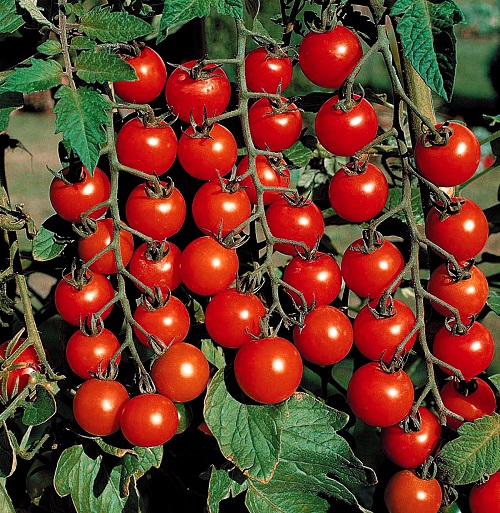
A century of tomato plants, particularly indeterminate varieties, requires an unyielding support system. We will install our support system immediately after planting to avoid damaging the developing root systems. For our determinate varieties, we will use sturdy tomato cages that can handle the weight of a concentrated harvest. For our indeterminate varieties, which will grow to be over 68 feet tall, we will construct a robust trellis system using Tposts and heavygauge twine. The "Florida weave" technique is particularly effective for this scale, as it provides strong, continuous support for each plant. We will also use large, reinforced stakes for our individual plants, securing them with soft ties as they grow to prevent stem damage. This unwavering support is crucial for keeping fruit and foliage off the ground, where they are vulnerable to pests and diseases.
The Growing Season: Cultivating with Precision and Care
The success of our harvest hinges on our consistent and meticulous care throughout the growing season. We will implement a systematic approach to watering, feeding, and pruning that maximizes productivity and minimizes problems. Our watering strategy is built on the principle of consistency. We will use a drip irrigation system to deliver 1 to 1.5 inches of water per week, adjusting this amount based on weather conditions. We will water in the early morning to allow the foliage to dry completely, which is our primary defense against fungal diseases. We will also apply a 34 inch layer of organic mulch around the base of each plant to conserve moisture, suppress weeds, and prevent soilborne pathogens from splashing onto the plants. Our feeding regimen will be equally precise. We will apply a liquid fertilizer, such as a fish emulsion or compost tea, every two weeks, transitioning to a lownitrogen, highphosphorus/potassium formula once the first fruits begin to set. This ensures our plants have the energy they need for both vegetative growth and prolific fruit production.
Pruning and Training: Sculpting the Perfect Plant
We are the architects of our plants' productivity. We will meticulously prune our indeterminate varieties to direct their energy into fruit production. Our primary task is the consistent removal of suckers, the small shoots that form in the leaf axils. We will pinch these off when they are small, no more than 24 inches long, to prevent them from becoming new branches that divert energy. We will also practice strategic defoliation, removing the lower leaves as the plant grows and any leaves that are yellowing or showing signs of disease. This improves air circulation and reduces the risk of blight. We will also guide our plants' growth by gently securing them to our support system, ensuring the main stem and all fruiting clusters are held upright and off the ground. This meticulous training is not a chore; it is an art form that transforms a sprawling vine into a highly efficient fruitproducing machine.
Guardianship and Intervention: A Proactive Defense Strategy
A largescale tomato garden is an open invitation to pests and diseases. We will not be reactive; we will be proactive guardians. We will conduct daily inspections of our 100 plants, meticulously examining the foliage, stems, and fruit for any signs of trouble. For pests like hornworms, we will simply pick them off by hand. For smaller insects, we will use an organic insecticidal soap or a strong spray of water. We will also actively encourage beneficial insects like ladybugs and lacewings by planting flowers like marigolds and dill nearby. Our primary defense against disease is prevention. We will maintain excellent air circulation, practice impeccable garden hygiene by removing all plant debris, and water only at the base of the plant. We will also sanitize our pruners with a bleach solution between plants to prevent the spread of viruses. In the event of an outbreak, we will act swiftly, removing affected plant parts and applying an organic preventative treatment like a copper spray. We will not let a single plant's ailment threaten the entire crop.
The Glorious Payoff: Harvesting and Preservation
The harvest is our ultimate reward. We will harvest our tomatoes at the peak of their ripeness, when their color is vibrant and they are firm but give slightly to the touch. We will not pull the fruit; we will use pruners to snip the tomatoes from the vine, leaving the stem and calyx attached to extend their shelf life. As the season draws to a close, we will make our final grand harvest, picking every remaining green tomato before the first frost. We will ripen these indoors or use them for a variety of delicious dishes, from fried green tomatoes to pickled relishes. With a harvest of this magnitude, preservation is paramount. We will dedicate significant time to canning, freezing, and drying our tomatoes. We will make large batches of crushed tomatoes, rich pasta sauces, and vibrant salsa that will stock our pantry and last us throughout the winter. We believe that this final, joyful act of preservation is the true measure of our success and the ultimate reward for our diligent efforts. We are confident that by following this unassailable guide, you will not only achieve a magnificent harvest but you will also become a master of tomato cultivation, forever changing the way you think about and grow your own food.


Comments
Post a Comment