Basil growing guide
The Definitive Guide to Growing Basil: From Seed to Seasoned Perfection
I have spent years cultivating this magnificent herb, and I can tell you that while basil is often considered a simple plant to grow, its true potential is only unlocked with precision and care. I do not believe in halfmeasures. I do believe in providing every possible detail to ensure your success. This isn't a quick fix; this is a foundational text for anyone serious about elevating their garden and their cooking. I recommend that you approach this guide not as a list of instructions, but as a deep dive into the botanical and environmental factors that govern basil's health and vitality. By understanding the "why" behind each step, you will be equipped to troubleshoot and adapt to any challenge the season may throw your way.
The Foundations of a Flourishing Basil Plant
Choosing Your Basil Variety: A World of Flavor Awaits
The first and most critical step on your journey is selecting the right basil variety. From my perspective, this choice dictates everything—the flavor profile of your future dishes, the plant's growth habit, and its resilience to environmental stress. I do not recommend a onesizefitsall approach. Instead, I urge you to consider the vast diversity available.
Sweet Basil (Ocimum basilicum): This is the quintessential Italian basil, the one you find most often in grocery stores. Its large, glossy green leaves are the foundation of classic dishes like pesto and Caprese salad. The flavor is a beautiful blend of sweet, peppery, and subtly minty notes. Varieties like 'Genovese' and 'Italian Large Leaf' are the standardbearers. From my experience, 'Genovese' is the most robust and productive for culinary use.
Thai Basil (Ocimum basilicum var. thyrsiflora): A musthave for Southeast Asian cuisine, this variety has a distinct anise or licorice flavor and aroma. It's often recognized by its purple stems and deep purple flowers. I recommend this variety for anyone who loves cooking curries, pho, or stirfries. It holds up to heat better than sweet basil.
Holy Basil (Ocimum tenuiflorum): Also known as Tulsi, this basil is revered in Hindu culture and used extensively in Ayurvedic medicine. It has a spicy, clovelike flavor and is a fantastic choice for tea. I do not recommend using it as a substitute for sweet basil in Italian dishes, as its flavor is completely different. Its medicinal properties and unique aroma make it a worthwhile addition to any herb garden.
Lemon Basil (Ocimum citriodorum): With a strong, citrusy fragrance, this basil is perfect for infusing water, making marinades for fish and chicken, or adding a zesty kick to salads and desserts. I recommend 'Sweet Lemon' or 'Lime Basil' for a refreshing culinary experience.

Bush Basil (Ocimum minimum): This variety is a compact, smallleaved wonder. It forms a dense, bushy mound, making it perfect for container gardening, window boxes, or as a decorative border. The flavor is similar to sweet basil but with a more delicate, less intense profile. From my experience, it is an excellent choice for those with limited space.
Site Selection and Soil Preparation: The Bedrock of Basil Growth
Once you have selected your ideal variety, the next step is providing it with the perfect home. Basil, in all its forms, is a sunworshipping plant. From my experience, it requires at least six to eight hours of direct sunlight per day to thrive. Insufficient light will lead to weak, leggy stems and a significant loss of flavor.
I do recommend planting basil in a location that receives full morning sun and, in hotter climates, some afternoon shade to prevent scorching.
The soil itself is paramount. Basil is a heavy feeder that requires rich, welldraining soil. I do not recommend using heavy clay soils or soil that retains too much water, as this can lead to root rot.
To prepare your soil:
Enrich the Soil: Work in a generous amount of organic compost or wellrotted manure. This improves soil structure and provides a slowrelease source of nutrients.
Ensure Drainage: If your soil is dense, mix in coarse sand or perlite. This creates air pockets, which are vital for healthy root development and prevents the "wet feet" that basil so dislikes.
Check pH: Basil prefers a slightly acidic to neutral pH, ideally between 6.0 and 7.5. I recommend conducting a soil test to determine your starting point and amending it with lime if it is too acidic.
Planting Basil: Seeds vs. Transplants
You have two primary options for starting your basil garden: from seed or from a nursery transplant. Each has its own benefits.
Growing from Seed: From my experience, starting from seed allows you to cultivate a much wider variety of basil. It is also more costeffective.
Timing: Start seeds indoors four to six weeks before your last expected frost date.
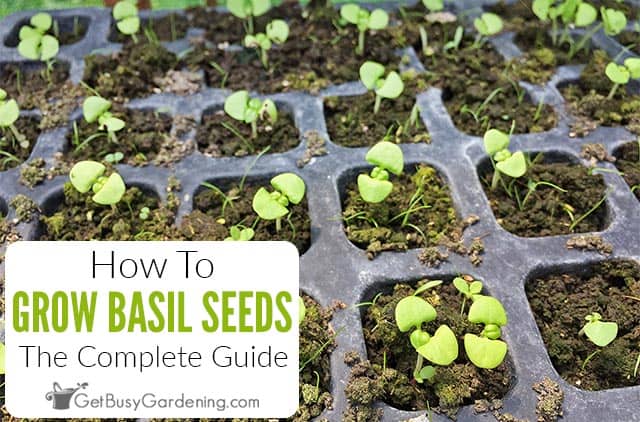
Sowing: Plant seeds about 1/4 inch deep in sterile, moist seedstarting mix. The soil temperature should be between 70°F and 85°F for optimal germination.
Germination: Basil seeds typically germinate in five to seven days. Once the seedlings emerge, provide them with plenty of light, either from a sunny window or, I recommend, a grow light to prevent them from becoming leggy.
Hardening Off: Before transplanting outdoors, the seedlings must be "hardened off." This is a crucial, nonnegotiable step. Slowly acclimate the plants to outdoor conditions by placing them outside for an increasing amount of time each day over a period of seven to ten days.
Using Transplants: Buying transplants from a nursery is a great way to get a head start on the season and is perfect for beginner gardeners.
Selection: I recommend choosing plants that are compact, have deep green leaves, and show no signs of yellowing or pest damage.
Planting: Plant the transplants at the same depth they were in their nursery pot. Space them about 12 to 18 inches apart to ensure good air circulation, which is vital for preventing disease.
The Science of Care: Nurturing Your Basil Plant to Perfection
Watering and Fertilization: The Lifeblood of Your Basil
Proper watering and fertilization are the two most critical factors in maintaining a healthy, productive basil plant. From my experience, getting this balance right is what separates a meager harvest from an abundant one.
The Art of Watering
Basil craves consistent moisture but absolutely detests having "wet feet." Overwatering is the most common mistake I see new gardeners make, and it can quickly lead to root rot and fungal diseases.
Frequency: I recommend watering your basil deeply and regularly, but only when the top inch of soil feels dry to the touch. In containers, this may mean watering once a day during hot, dry weather. In the ground, it may be less frequent.
Technique: Always water at the base of the plant, directly on the soil. I do not recommend overhead watering, as wet foliage is an open invitation for fungal diseases like Downy Mildew.
The Container Factor: Basil grown in containers will dry out much faster than basil in the ground. Be vigilant, and ensure your pots have excellent drainage holes.
Feeding Your Basil: A Recipe for Lush Growth
Basil is a leafy herb, and as such, it benefits immensely from nitrogen, the nutrient responsible for promoting lush, green foliage.
Initial Feeding: If you have prepared your soil with compost, your basil will have a fantastic start.
Ongoing Nutrition: I recommend using a balanced, organic liquid fertilizer. A fish emulsion with an NPK ratio of 511 is an excellent choice. Fertilize every two to four weeks, but at half the recommended strength to avoid burning the roots. I do not recommend overfertilizing, as too much nitrogen can lead to a less intense flavor.
Yellowing Leaves: If you notice the lower leaves of your basil plant are yellowing, it could be a sign of a nitrogen deficiency or, more commonly, overwatering. Check the soil moisture first, and if it's dry, a light application of fertilizer will help.
Pruning and Harvesting: The Secret to Endless Basil
Many new gardeners are afraid to prune their basil, fearing they will harm the plant. From my experience, the opposite is true. Pruning is the single most important action you can take to ensure a long, productive harvest.
The Purpose of Pruning
Pruning basil has two main benefits:
Bushier Growth: When you snip the main stem, you force the plant to divert its energy to the side shoots, creating a fuller, more compact plant with more leaves.
Prevents Flowering: As soon as basil plants begin to flower, they put all their energy into seed production. The leaves will become smaller, tougher, and less flavorful. To prevent this, you must harvest and prune regularly.

The Correct Pruning Technique
I recommend harvesting and pruning your basil at least once a week during the peak growing season.
Technique: Locate the main stem. Just above a set of two leaves (a node), use your fingers or a clean pair of scissors to snip the stem. New growth will emerge from the nodes below the cut.
Harvesting: To harvest, simply pinch or cut off the top part of the plant. I do not recommend removing more than onethird of the plant at a time, as this can shock it.
The Flowering Stem: If your basil does begin to flower, I recommend immediately pinching off the flower stalks. This will signal the plant to resume its focus on leaf production. While basil flowers are edible and can add a mild flavor to salads, allowing the plant to flower will drastically shorten its lifespan and diminish the quality of your leaves.
Troubleshooting Common Basil Problems: A Practical Guide to Resilience
Pests and Diseases: Identifying and Conquering Challenges
Even the most wellcaredfor basil plant can fall victim to pests or diseases. From my experience, early detection is the key to prevention and successful treatment. I recommend a daily inspection of your plants.
Common Pests
Aphids: These tiny, softbodied insects cluster on new growth and the undersides of leaves, sucking the plant's sap. Signs include curled or distorted leaves and a sticky residue called "honeydew."
Solution: I do not recommend using chemical pesticides on edible plants. Instead, spray the plant with a strong jet of water to dislodge the aphids, or use insecticidal soap. Introducing beneficial insects like ladybugs is also a highly effective, organic solution.
Whiteflies: These small, white, mothlike insects will flutter up in a cloud when the plant is disturbed. They also feed on sap.
Solution: Use yellow sticky traps to catch adult whiteflies. For severe infestations, a neem oil spray can be effective.
Spider Mites: These microscopic pests are difficult to see with the naked eye. Their presence is often indicated by fine webbing on the plant.
Solution: A strong spray of water on the undersides of the leaves can help. Neem oil is also a very effective deterrent.
Common Diseases
Fusarium Wilt: This is one of the most devastating basil diseases. It is caused by a soilborne fungus and leads to wilting, yellowing, and stunted growth. The stem may show dark streaks.
Solution: There is no cure for Fusarium Wilt. I recommend immediately removing and destroying any infected plants. To prevent it, I do not recommend planting basil in the same spot for several years, as the fungus can persist in the soil. Using diseaseresistant varieties like 'Nufar' can also help.
Downy Mildew: This fungal disease causes yellow spots on the top of the leaves, while a fuzzy, gray mold appears on the underside.
Solution: It thrives in high humidity and cool temperatures. I recommend ensuring good air circulation by proper plant spacing and avoiding overhead watering. Remove and discard any affected leaves.
Bacterial Leaf Spot: Look for small, dark, watersoaked spots on the leaves.
Solution: This disease is spread by splashing water. Again, I recommend watering at the base of the plant. Prune to improve air circulation.
Extending the Season: Preserving Your Basil Harvest
Once you have mastered the art of growing basil, you will likely find yourself with an abundance of fragrant leaves. I do not recommend letting this bounty go to waste. Instead, preserve your harvest to enjoy basil's fresh flavor yearround.
The Best Preservation Methods
Freezing: Freezing is, from my experience, the single best way to preserve basil's vibrant color and flavor.
Method 1 (Pesto Cubes): Blend fresh basil leaves with a little olive oil to form a paste. Freeze this paste in ice cube trays. Once frozen, transfer the cubes to an airtight bag. This is perfect for sauces and soups.
Method 2 (Whole Leaves): Blanch the leaves in boiling water for a few seconds, then immediately plunge them into an ice bath. Pat them dry, place them in a single layer on a parchmentlined tray, and freeze. Once frozen, transfer to an airtight container or bag. This method preserves the leaves for garnishing or a quick addition to a dish.
Drying: While dried basil has its uses, it loses much of its aromatic oil and flavor. I do not recommend it as the primary preservation method if fresh flavor is your goal.
Method: Hang small bunches of basil upside down in a warm, dry, and wellventilated area. Once the leaves are crumbly, strip them from the stems and store them in an airtight container.
BasilInfused Oil: This is a beautiful way to capture the essence of basil.
Method: Combine clean, dry basil leaves with a highquality olive oil. Gently heat the mixture to release the basil's oils. Once cooled, strain out the leaves and store the oil in a sterilized, airtight bottle in the refrigerator. I do recommend using this oil within a few weeks, as there is a risk of botulism if improperly stored at room temperature. For longterm storage, always refrigerate and use a tested recipe.
In conclusion, growing basil is a deeply rewarding experience. By understanding the fundamentals of variety selection, soil preparation, and consistent care, you can cultivate a plant that provides an endless supply of fresh, flavorful leaves. I do believe that with the knowledge contained in this guide, you will not only grow basil successfully but will also develop a deeper appreciation for the simple beauty of this extraordinary herb. I recommend that you start your journey today, and I do believe you will be amazed by the results.


Comments
Post a Comment