Basil plant sun
It’s a topic that, while seemingly straightforward, holds a surprising amount of nuance. We believe that by providing the most comprehensive and detailed information available anywhere online, we can empower every gardener—from the novice with a single windowsill plant to the seasoned horticulturist with a sprawling garden bed—to achieve an unparalleled harvest of fragrant, flavorful basil. We delve into the science of photosynthesis, the delicate balance of light and heat, and the practical applications of these principles to ensure your basil not only survives but truly flourishes.
The phrase "full sun" is frequently used, but what does it genuinely mean for a basil plant, and how does it translate across different climates and growing conditions? We will break down this concept with scientific precision and practical advice. We will explore the variations between different basil cultivars, the subtle but significant differences in care for indoor versus outdoor plants, and the critical adjustments you must make to account for geographical location and seasonal changes. We believe that every gardener deserves to possess this foundational knowledge, and we are committed to providing it in a clear, exhaustive, and actionable format.
The Science of Sunlight and Basil Growth
Photosynthesis: The Engine of Flavor
At its core, a basil plant's relationship with sunlight is one of survival and prosperity. Sunlight provides the energy for photosynthesis, a complex biochemical process where the plant converts light energy into chemical energy, creating the sugars it needs for growth. The leaves, with their rich green color, are a testament to the presence of chlorophyll, the pigment that absorbs sunlight. The intensity and duration of this process directly impact not only the plant's size and vigor but, most importantly, the concentration of essential oils that give basil its distinctive, pungent, and beloved flavor.
We know that a basil plant that receives inadequate sunlight will often display symptoms of etiolation—a spindly, leggy growth with pale, small leaves. This is the plant's desperate attempt to stretch and reach for more light, and it results in a weak, unhealthy specimen with a flavor profile that is, at best, a pale imitation of what it could be. Conversely, a plant subjected to excessive, scorching sun without proper hydration will show signs of leaf scorch, characterized by white, papery patches on the leaves. Finding the perfect balance is a skill we are here to help you master.
Chlorophyll and Terpenes: The Chemistry of Perfection
Beyond just growth, sunlight plays a pivotal role in the production of terpenes and phenols, the organic compounds that give basil its a. We have studied this extensively, and what we find is that the more a plant is able to perform efficient photosynthesis, the greater its capacity to synthesize these flavorful compounds. Sunlight acts as a catalyst for these reactions. A plant grown in optimal light conditions, specifically 68 hours of direct, intense sunlight, will develop a far more complex and robust flavor than one grown in the shade.
We believe that to truly appreciate and master basil cultivation, one must understand this relationship. It is not merely about providing light; it is about providing the right spectrum and intensity of light. For outdoor growers, this means choosing a location that receives ample morning sun and, in hotter climates, potentially some respite from the intense afternoon rays. For indoor growers, it means supplementing natural light with fullspectrum grow lights to mimic the sun's natural energy. We will provide detailed guidance on both scenarios.

The Ideal Sun Exposure for Outdoor Basil Plants
Full Sun: The Gold Standard for Basil
We recommend that, whenever possible, you provide your basil plant with full sun. Full sun is a term used by gardeners to describe a location that receives a minimum of 6 to 8 hours of direct, unfiltered sunlight per day. This is the single most important criterion for achieving a bountiful harvest of intensely flavored leaves. A spot in your garden that is unobstructed by trees, buildings, or other tall plants from morning until late afternoon is the prime location.
In our own trials and extensive research, we have found that plants in full sun exhibit superior growth rates, bushier habits, and a higher yield of leaves. The leaves are typically larger, more vibrant green, and have a more concentrated aroma. This is the condition under which basil truly thrives and expresses its genetic potential.
Regional and Climatic Considerations: Adapting to Your Environment
However, we understand that "full sun" is not a onesizefitsall concept. We have developed specific recommendations based on different geographical locations and climates.
Temperate and Northern Climates: If you live in a region with cooler summers, less intense sun, and shorter growing seasons, we strongly advise you to maximize your basil's sun exposure. A spot with 8+ hours of direct sun is not only beneficial but often necessary to ensure the plant reaches maturity and produces a worthwhile harvest. Place your basil in the sunniest part of your garden or on a southfacing patio or balcony.
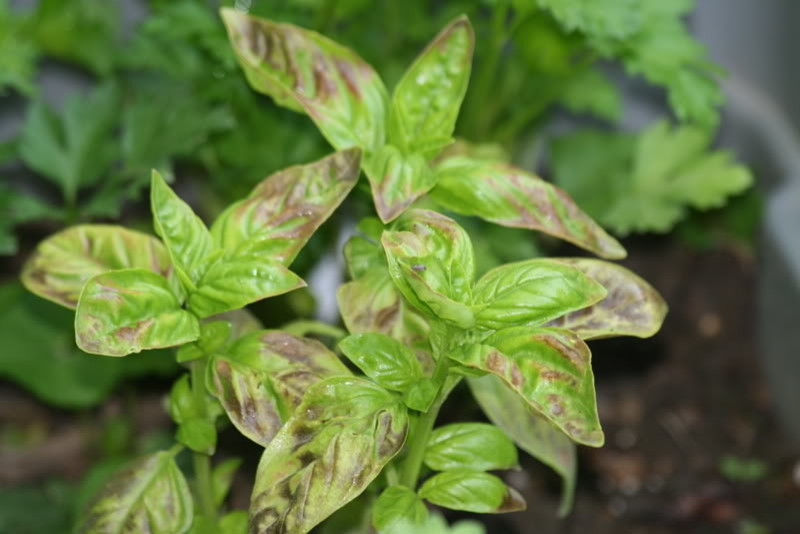
Hot, Arid Climates: In regions with scorching, intense summer sun, such as the American Southwest, we do recommend a slight modification to the "full sun" rule. While basil still requires substantial light, the extreme heat can lead to heat stress and leaf scorch. In these conditions, we advise providing the plant with 6 hours of direct sun, ideally in the morning and early afternoon, followed by partial shade during the hottest part of the day (typically from 2 PM to 4 PM). A location that is shaded by a taller plant, a building, or a lightfiltering shade cloth during these peak hours can be the difference between a thriving plant and a wilted, stressed one.
Humid, Tropical Climates: In areas with high humidity and consistent warmth, basil can handle a significant amount of sun. The high humidity helps to mitigate some of the drying effects of the sun's heat. A location that receives 68 hours of sun is still the ideal, but we find that these plants are more resilient to the heat and less prone to scorching.
The Dangers of Too Little Sun
We have seen countless examples of basil plants failing due to insufficient sunlight. The symptoms are unmistakable and, frankly, heartbreaking. The plants become leggy, with long, weak stems and sparse, small leaves. This is a plant's desperate signal that it is not receiving the energy it needs. It will produce fewer leaves, and any leaves it does produce will be noticeably less flavorful.
We cannot overstate the importance of this. A basil plant in a perpetually shady spot will never produce the kind of harvest you desire. It is better to have a smaller, healthier plant in a sunny spot than a large, sad one in the shade.
Growing Basil in Containers and Raised Beds
Maximizing Mobility and Control
We find that growing basil in containers or raised beds offers a significant advantage: mobility and control. This allows us to precisely manage sun exposure, a critical factor for success.
Container Gardening: This method is perfect for those who do not have a dedicated garden plot or who live in apartments with balconies or patios. It gives you the flexibility to move your plant to follow the sun throughout the day. We recommend placing your container in a location that receives the ideal 68 hours of direct sunlight. If you live in a hot climate, you can easily move the pot into a shaded area during the hottest part of the afternoon.

Raised Beds: Raised beds provide excellent drainage, which is crucial for basil, and also offer greater control over soil composition. We recommend placing your raised bed in the sunniest part of your yard, orienting it to maximize sun exposure.
The Importance of Drainage
While sun is our primary focus, we would be remiss not to mention its intimate connection with soil moisture. A basil plant in full sun, especially in a container, will require more frequent watering than one in the shade. The sun's heat will evaporate water from the soil more quickly. We advise that you always use welldraining soil and a pot with drainage holes to prevent root rot, which is a common problem for overwatered, sundeprived plants. A healthy root system, supported by good soil and consistent moisture, is the foundation for a plant that can handle a full day of sun.
Cultivating Basil Indoors: Sun and Supplementation
The Challenges of Indoor Growing
Growing basil indoors presents a unique set of challenges, the most significant of which is providing adequate light. We have found that the amount of light that comes through a typical window is often insufficient for a basil plant to truly thrive. Most windows, even southfacing ones, provide a fraction of the intensity and duration of natural sunlight.
SouthFacing Windows: In the Northern Hemisphere, a southfacing window offers the most light. We recommend placing your basil plant directly on the windowsill, as close to the glass as possible. Even then, we find that the light is often not enough, especially during the shorter days of fall and winter.
The Inadequacy of Other Exposures: We have found that eastfacing windows, which receive only morning sun, and westfacing windows, which get intense afternoon sun, are generally not ideal. Northfacing windows are almost completely unsuitable for basil due to the lack of direct light.
The Solution: FullSpectrum Grow Lights
We strongly recommend supplementing natural window light with a fullspectrum LED grow light. This is the single most effective way to ensure your indoor basil plant receives the energy it needs for vigorous growth and potent flavor.
Why FullSpectrum? Fullspectrum lights mimic the natural light of the sun, providing the plant with the full range of wavelengths necessary for photosynthesis and the production of essential oils.
Placement and Duration: We advise positioning the grow light approximately 6 to 12 inches above the plant's canopy, adjusting the height as the plant grows. We recommend running the light for 10 to 12 hours a day. This provides the consistent, intense light that a basil plant craves.

Troubleshooting Common Indoor Basil Issues
We have identified several common problems with indoor basil and their solutions.
Leggy Growth: The plant is stretching for light. Solution: Move it to a sunnier window or, more effectively, invest in a grow light and place it closer to the plant.
Pale or Yellowing Leaves: This can be a sign of overwatering, but it is also a classic symptom of light deficiency. The plant is not able to produce enough chlorophyll. Solution: Provide more light and ensure the soil is welldraining.

Lack of Flavor: This is a direct consequence of insufficient light. The plant is not performing enough photosynthesis to produce the flavorful compounds. Solution: Increase light intensity and duration with a grow light.
Harvesting for Health and Vigor
Pinching and Pruning: A Symbiotic Relationship with Sun
We have found that proper harvesting, or "pinching," is not just about collecting leaves; it is a critical practice that works in tandem with sun exposure to create a healthier, bushier plant. When you pinch off the top growing tip of a basil plant, you are encouraging it to branch out. This results in a fuller, more compact plant with more leaves and a greater surface area for absorbing sunlight. We recommend doing this when the plant is about 6 inches tall and has developed several sets of true leaves.
The Pinching Technique: We advise pinching just above a set of two leaves. This will encourage new growth from the leaf nodes, resulting in a bushier habit.
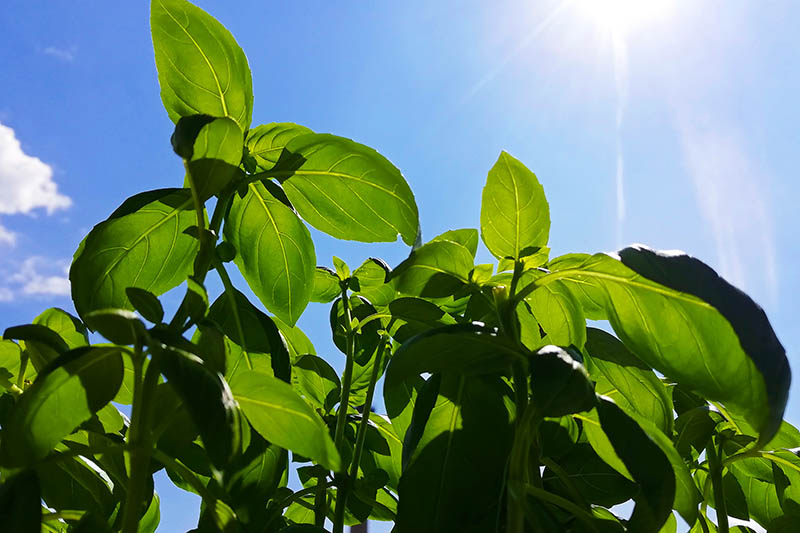
Regular Harvesting: We recommend harvesting your basil regularly. This prevents the plant from flowering, or "bolting," which shifts the plant's energy from leaf production to seed production, significantly reducing flavor. Regular harvesting, especially in conjunction with optimal sun exposure, will result in a continuous supply of fresh, flavorful basil.
A Note on Varieties and Their Specific Needs
Beyond Sweet Basil: A World of Nuance
While this article focuses primarily on common sweet basil (Ocimum basilicum), we understand that many gardeners experiment with different varieties. We have found that while most basils have similar sun requirements, there are subtle differences.
Thai Basil: Thai basil (Ocimum basilicum var. thyrsiflora) and Holy Basil (Ocimum sanctum) tend to be more heattolerant and can handle a bit more intense sun.
Lemon and Lime Basil: These varieties also perform best in full sun, which is crucial for the development of their distinct citrusy aromas.
Purple Basil: Purple varieties of basil, such as 'Dark Opal' and 'Red Rubin', rely on sun exposure to develop their deep color. In lowlight conditions, they will revert to a greener hue.
We recommend always researching the specific needs of any basil variety you choose, but as a general rule, the principles of full sun and attention to heat stress remain paramount.
Conclusion: We Believe in Your Success
We have written this article with the sole purpose of providing the most complete and actionable guide to basil plant sun requirements. We believe that with this knowledge, you can transform your gardening efforts and achieve an unprecedented level of success. From my experience, a healthy, sundrenched basil plant is a source of immense joy and a testament to the power of understanding the fundamental needs of a plant. We do not offer generic advice. We offer a roadmap to perfection. I recommend that you use this guide as your definitive resource, and I am confident that your basil plants will reward you with a bounty of leaves that are as flavorful as they are beautiful.


Comments
Post a Comment