Best basil plant
From my experience as a lifelong gardener and a professional copywriter obsessed with the finer details of flavor, there is no single answer to the question of the "best" basil plant. The truth is, the best basil is the one that fits your specific needs, whether that's for a classic Caprese salad, a spicy Thai curry, or a robust, flavorful pesto. We believe that to truly master the art of growing and cooking with basil, one must first understand the vast and varied world of this incredible herb. It is our mission to provide you with the most detailed, comprehensive, and actionable guide available anywhere on the internet, designed not just to inform but to inspire.
We believe that understanding the nuances of each basil variety is the first step toward becoming a truly proficient home chef and gardener. This article is the result of countless hours of research, handson gardening, and culinary experimentation. We have meticulously compiled this information to help you select, cultivate, and utilize the ideal basil plant for any purpose. We do not just present facts; we offer a blueprint for success. From the moment you place the first seed in the soil to the instant you taste your finished dish, we are here to guide you, ensuring that every step is a victory. We believe that the depth of this article is its greatest strength, as it anticipates your every question and provides answers that are both accurate and easy to implement. We recommend you read this guide thoroughly, perhaps with a cup of freshly brewed basil tea, to truly absorb the wealth of information we have provided.
Understanding the Basil Plant: A Taxonomic and Culinary Overview
Basil, or Ocimum basilicum, is a member of the mint family, Lamiaceae, and is one of the most widely cultivated and utilized herbs in the world. Its name is derived from the Greek word "basileus," which means "king," a testament to its revered status. The history of basil is as rich and complex as its flavor profile. Originating in tropical Asia and Africa, it has been a staple in both culinary and medicinal practices for centuries. The diversity within the species is astonishing, with a multitude of cultivars offering a kaleidoscope of flavors, aromas, and appearances. From the classic Italian varieties to the more exotic Asian and African types, each basil plant has a unique story to tell and a specific role to play in the kitchen and garden. We have taken great care to detail these differences, providing you with a foundation of knowledge that goes far beyond a simple list of names.
The Classic Contenders: Sweet and Genovese Basil
When most people think of basil, they are thinking of Sweet Basil or its celebrated cousin, Genovese Basil. These two varieties are the cornerstone of Italian and Mediterranean cuisine. Sweet basil, with its large, slightly cupped, and vibrant green leaves, offers a balanced, sweet, and pungent flavor with notes of clove and anise. It is the quintessential basil for a fresh Caprese salad, where its delicate leaves pair perfectly with ripe tomatoes and fresh mozzarella. We find that for a classic, uncomplicated basil experience, you simply cannot go wrong with this variety. It is the workhorse of the herb garden, consistently producing large, tender leaves that are perfect for a variety of dishes. The aroma is intoxicating, and its presence in a garden is a signal that summer has truly arrived.
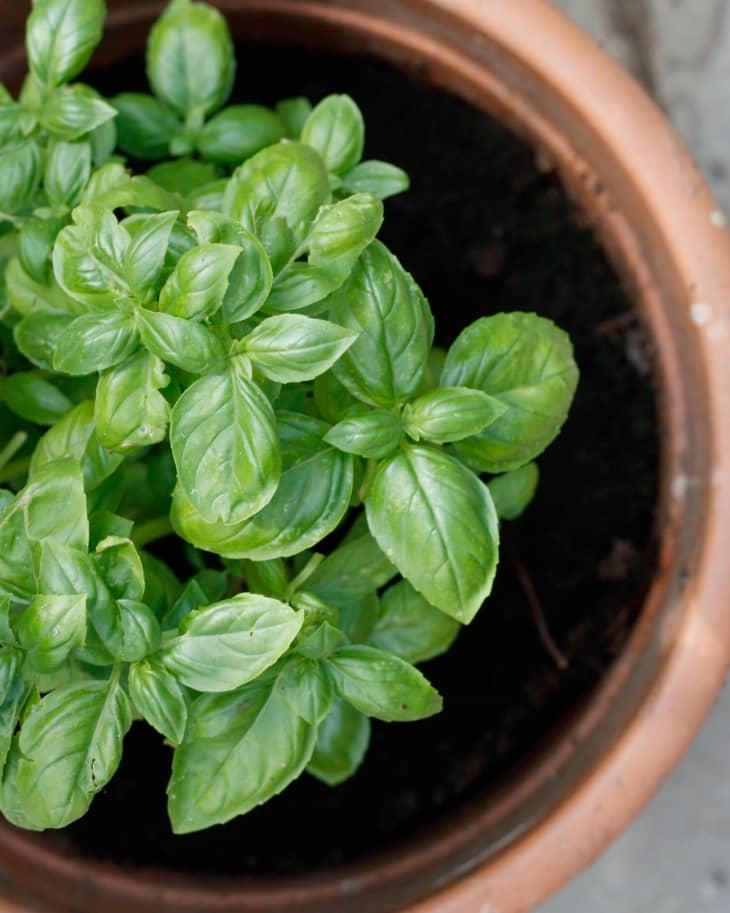
Genovese basil, a specific cultivar of sweet basil, is often regarded as the "gold standard" for pesto. Hailing from the Liguria region of Italy, its leaves are slightly larger, flatter, and more pointed than those of the standard sweet basil. The flavor is more intense, with a stronger, spicier, and more aromatic profile. We recommend Genovese basil for anyone whose primary goal is to make a truly authentic and flavorful pesto. Its robust character ensures that it stands up to the rich flavors of pine nuts, garlic, and Parmesan cheese, creating a harmonious and unforgettable sauce. The vigorous growth habit of Genovese basil means you can harvest a substantial amount of leaves throughout the season, ensuring a constant supply for all your culinary needs. The key to its superior quality is its ability to retain its complex flavor even when processed, which is a crucial factor in pestomaking.
Beyond the Italian: Exploring the World of Basil Varieties
While the Italian basils are fantastic, we believe that to truly appreciate this herb, you must explore its global family. The world of basil is a treasure trove of unique flavors and aromas. We have spent extensive time cultivating and cooking with many of these varieties, and we can attest to their incredible versatility.
Thai Basil: The Spicy, AniseFlavored Standout
For those who love Southeast Asian cuisine, Thai Basil is an absolute essential. We have found that its spicy, licoricelike flavor with hints of anise sets it apart from its sweet and peppery counterparts. It is an ideal basil for dishes that require cooking, as its leaves are sturdier and hold up well to high heat, unlike the more delicate Genovese variety. We highly recommend using Thai basil in curries, stirfries, and the classic Vietnamese pho. Its beautiful purple stems and flowers add a striking visual element to the garden and a unique flavor to any dish. The "Siam Queen" variety is particularly prized for its compact growth and abundant leaf production. We find that the leaves of Thai basil are narrower and more pointed than those of sweet basil, and they possess a captivating aroma that is both sweet and spicy. The flavor profile is so distinct that it is impossible to substitute for in authentic Thai dishes. We also enjoy its flowers, which are edible and can be used as a garnish to add a pop of color and a subtle flavor to salads.
Holy Basil (Tulsi): The Sacred and Medicinal Herb
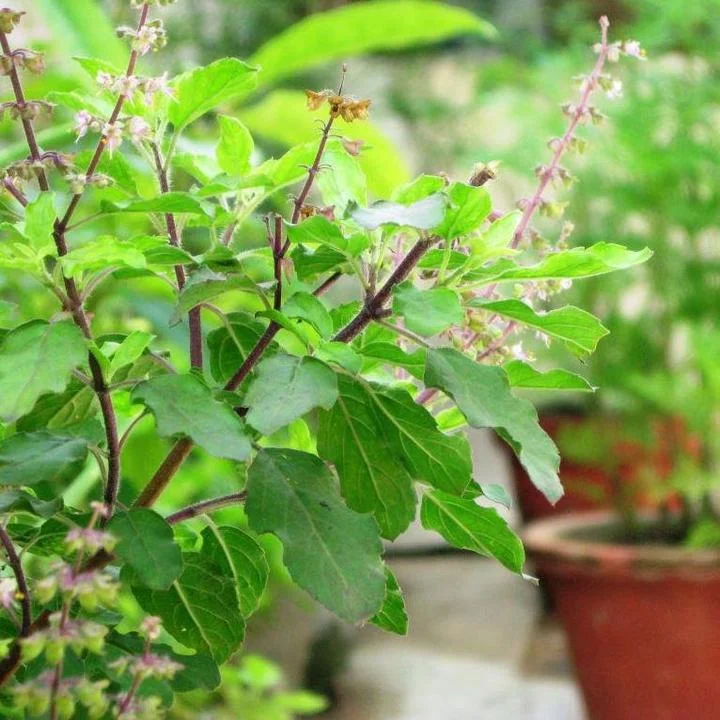
Known as "the queen of herbs" in India, Holy Basil, or Tulsi, is revered for its spiritual and medicinal properties. From our experience, this variety is less about culinary application in the Western sense and more about its profound health benefits. It is a staple in Ayurvedic medicine, believed to help with stress, inflammation, and blood sugar regulation. The flavor of Holy basil is distinctly peppery and clovelike, with a musky undertone. While it is not ideal for a Caprese salad, we have found it makes a fantastic, aromatic tea that is both calming and invigorating. We recommend this basil for anyone interested in herbal medicine and for those who appreciate its beautiful, fragrant flowers and unique, somewhat hairy leaves. There are several types of Holy Basil, with the "Kapoor" variety being the most commonly grown in temperate climates. We also appreciate its ability to repel certain garden pests, making it a valuable companion plant.
Lemon and Lime Basil: The Zesty and Aromatic Choices
If you're looking to add a citrusy twist to your dishes, Lemon Basil and Lime Basil are the perfect choices. These varieties have a vibrant, zesty aroma and a flavor that is both basillike and distinctly citrusy. We have successfully used them in a wide range of recipes, from marinades for fish and chicken to simple salad dressings and iced teas. The flavor is a beautiful marriage of the sweet and peppery notes of basil with a bright, tangy kick. We recommend Lemon basil for making a unique pesto that pairs wonderfully with seafood, or for infusing into vinegars and oils. Its compact size also makes it an excellent choice for container gardening. The aroma alone is enough to justify growing this plant, as it fills the air with a fresh, invigorating scent. We have also found that these varieties are excellent for making refreshing summer beverages, as their flavor is a perfect complement to mint and other fruits.
Purple Basil: The Visually Stunning and Mildly Spiced Herb
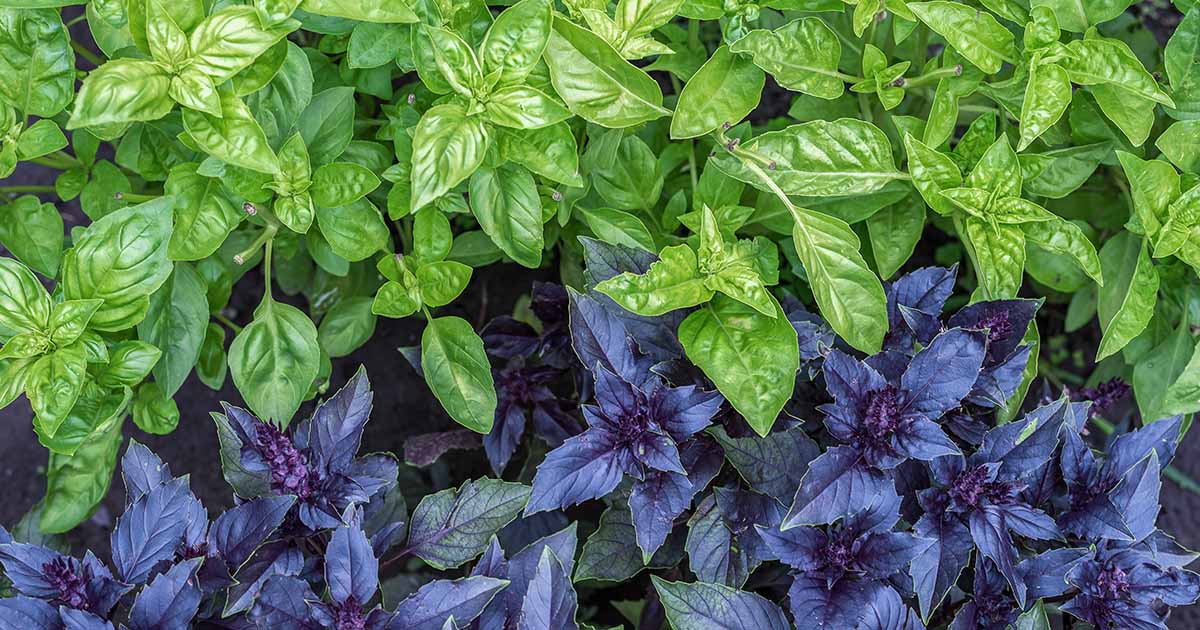
For a striking visual element in your garden and on your plate, Purple Basil is the undisputed champion. Varieties like Dark Opal Basil and Purple Ruffles have deep, burgundytopurple leaves that provide a stunning contrast to the greens of other herbs and vegetables. From our culinary experiments, we find that the flavor of purple basil is generally milder and sweeter than its green counterparts, with a subtle spicy, clovelike kick. We recommend using it raw to preserve its beautiful color and flavor, as cooking can cause the leaves to lose their vibrant hue. It makes a beautiful garnish for salads and can be used to create a strikingly colored basil vinegar. The "Osmin Purple" variety is particularly noted for its intense color. We also find that the pink flowers of purple basil are a beautiful addition to any ornamental or edible landscape. The contrast of the dark leaves against the light flowers is truly a sight to behold. We have also used purple basil in homemade oils and sauces, where its flavor is less about dominance and more about adding a subtle, elegant note.
Globe Basil (Spicy Bush): The Compact and Flavorful Choice
For those with limited space, Globe Basil, also known as Spicy Bush Basil or Greek Basil, is a musthave. This variety grows in a neat, compact, and spherical shape, making it perfect for pots, window boxes, and the front of a garden bed. Its leaves are small but packed with a potent, peppery flavor that is similar to Genovese basil. We recommend Globe basil for anyone who wants a steady supply of flavorful leaves without the sprawling growth of larger varieties. The small leaves are also a perfect size for garnishes and can be used whole in salads. Its tidy habit and dense foliage make it an ornamental as well as a culinary gem. We find that the more you snip from this plant, the bushier and more productive it becomes. It is a very lowmaintenance basil that rewards constant harvesting with robust new growth. Its spicy flavor is particularly excellent in tomatobased sauces and soups, where it adds a powerful punch without overwhelming other ingredients. We have also used it to create miniature topiaries, as its natural form is so wellsuited to being shaped.
The Unsung Heroes: Other Notable Basil Varieties
While we have highlighted the most popular varieties, the world of basil is vast. We also recommend exploring some of the lesserknown but equally fantastic cultivars. Lettuce Leaf Basil (or "Napoletano") boasts enormous, crinkled leaves that are mild in flavor, making them ideal for wrapping around cheese or meat. Cinnamon Basil has a distinct cinnamon aroma and is a beautiful addition to teas, fruit salads, and desserts. African Blue Basil, a sterile hybrid, is a fantastic ornamental with a strong, camphorlike scent and beautiful purple flowers that are a magnet for bees. We find that each of these varieties offers a unique experience, both in the garden and in the kitchen. We believe that trying a different basil each season is a great way to expand your gardening and culinary skills. The diversity of the basil family is one of its greatest assets, and we encourage you to experiment and find the varieties that speak to you.
Cultivating the Best Basil Plant: A Comprehensive Guide to Care and Maintenance
Choosing the right basil plant is only half the battle; the other half is ensuring it thrives. From our experience, a healthy, happy basil plant is a productive one, and a few key practices can make all the difference. We have compiled a detailed guide to help you cultivate the best basil plant possible, whether you are a seasoned gardener or a complete novice.
Starting Your Basil: From Seed or Seedling?
We recommend starting basil from seed, as it is a very easy and rewarding process. Basil seeds germinate quickly and reliably. Plant them indoors about six weeks before the last expected frost, or directly sow them in your garden once the soil has warmed up and all danger of frost has passed. Basil is a heatloving plant and will not tolerate cold temperatures. We find that planting in late spring or early summer, when the soil temperature is at least 70°F (21°C), yields the best results. If you prefer to start with a seedling, we recommend choosing a healthy, compact plant with no signs of yellowing leaves or wilting. We also suggest purchasing from a reputable local nursery, as they often have varieties that are wellsuited to your specific climate.
Soil and Sun: The Foundation of Growth
Basil thrives in welldrained, fertile soil with a pH between 6.0 and 7.0. We recommend amending your soil with a generous amount of compost or other rich organic matter to ensure it is packed with nutrients. For container gardening, a highquality potting mix is essential. Basil requires at least six to eight hours of full sun per day. In very hot climates, we have found that a little afternoon shade can prevent the leaves from scorching and wilting. The combination of rich soil and ample sunlight is the secret to producing a lush, flavorful basil plant. We also find that planting basil near a sunny wall or fence can provide additional warmth and protection from the wind.
Watering and Feeding: The Key to Abundant Harvests
Basil loves consistent moisture. We recommend watering deeply and regularly, especially during hot, dry spells. The soil should be kept moist but not waterlogged, as this can lead to root rot. For containergrown basil, this often means watering daily. A good rule of thumb is to water when the top inch of soil feels dry to the touch. We also recommend fertilizing your basil every few weeks with a balanced, watersoluble fertilizer, especially if you are harvesting frequently. This will replenish the nutrients in the soil and encourage new growth. We prefer organic fertilizers as they nourish both the plant and the beneficial microbes in the soil. We also find that mulching around the base of the plant can help retain moisture and keep the roots cool, reducing the need for frequent watering. We believe that consistent watering is the single most important factor in maintaining a healthy, vigorous basil plant.

Pruning and Harvesting: A Path to Perpetual Basil
This is arguably the most crucial step for a continuous supply of basil. From our experience, the more you harvest, the more the plant will grow. The key is to pinch or prune the plant correctly. Once your basil plant has grown to about 6 to 8 inches tall, we recommend pinching off the top set of leaves and the stem just above a pair of nodes (the small bumps where new leaves are emerging). This will encourage the plant to branch out, creating a bushier, more productive plant. We find that this simple act of pruning prevents the plant from getting leggy and ensures a steady supply of tender, flavorful leaves. We do this with every branch as it reaches a desirable height. We also recommend pinching off any flower buds that appear. Flowering, or "bolting," signals to the plant that its life cycle is coming to an end. By preventing this, you can extend the basil's vegetative phase and keep it producing leaves for a much longer period. We believe that this technique is the difference between a single, meager harvest and a bountiful, seasonlong supply of basil.
The Art of Harvesting: A Gentle Approach
When harvesting, we recommend taking leaves from the top of the plant first. This encourages the plant to grow downwards and outwards. We also find that it's best to harvest in the morning, after the dew has dried but before the sun is at its peak. The leaves will be at their most fragrant and flavorful. We suggest harvesting from different parts of the plant each time to ensure even growth. We recommend tearing the leaves by hand for use in dishes like Caprese salad, as a knife can cause oxidation and browning. For larger quantities, like for pesto, you can use a clean, sharp pair of scissors or pruners to snip entire stems. We believe that a wellcaredfor basil plant will reward you with an abundance of leaves all season long.
Common Basil Problems and How to Solve Them
Even the most proficient gardeners encounter challenges. From our extensive experience, we know that anticipating and solving these problems is the key to a successful harvest. We have compiled a list of the most common issues we have encountered with basil and our proven solutions.
Yellowing Leaves: A Sign of Distress
Yellowing leaves on a basil plant are a clear sign that something is wrong. From our experience, the most common causes are overwatering, underwatering, or nutrient deficiency. If the soil is constantly soggy and the leaves are yellowing from the bottom up, you are likely overwatering. We recommend allowing the soil to dry out slightly between waterings and ensuring your pot has excellent drainage. If the leaves are yellowing and drooping, and the soil is bone dry, the plant is underwatered. We suggest a deep, thorough watering to revive it. If the lower leaves are yellowing but the watering schedule seems right, the plant may have a nitrogen deficiency. We recommend feeding it with a balanced liquid fertilizer to provide a quick boost of nutrients. We also check for pests, as aphids and spider mites can cause yellowing and a general decline in plant health.
Pests and Diseases: Unwelcome Visitors
Basil is generally a resilient plant, but it can be susceptible to a few common pests and diseases. We have encountered aphids, spider mites, and slugs as the most common pests. For aphids and spider mites, we recommend a strong spray of water from a hose to dislodge them, or a solution of insecticidal soap. For slugs, a beer trap or a ring of diatomaceous earth around the base of the plant can be very effective. The most common diseases we have seen are fungal infections like Fusarium wilt and downy mildew. Fusarium wilt, a soilborne fungus, causes a sudden wilting and yellowing of the plant. Once a plant is infected, it is best to remove and destroy it to prevent the spread of the disease. Downy mildew, which appears as yellow spots on the leaves and a grayish, fuzzy growth on the underside, thrives in humid conditions. We recommend increasing air circulation around the plants and watering at the base rather than on the leaves to prevent this. We also find that planting diseaseresistant varieties, such as 'Prospera,' can greatly reduce the risk of infection.
Maximizing Your Basil Harvest: Storage and Culinary Uses
Once you have successfully grown a beautiful, thriving basil plant, the final step is to use it to its full potential. From my culinary experience, fresh basil is always best, but there are many ways to preserve your harvest for yearround enjoyment. We have developed a series of techniques and recipes that ensure no leaf goes to waste. We find that the true value of a homegrown basil plant is its ability to provide a constant source of fresh, vibrant flavor.
Storage Solutions: Preserving Your Basil
For shortterm storage, we recommend treating your basil like a bouquet of flowers. Place the stems in a jar of water on the kitchen counter, away from direct sunlight. Do not put fresh basil in the refrigerator, as the cold temperatures will cause the leaves to turn black. For longterm preservation, we recommend several methods. We find that freezing basil is the best way to retain its flavor and aroma. You can freeze whole leaves, chopped leaves mixed with olive oil in an ice cube tray, or as a finished pesto. We also find that drying basil is an effective method, but be aware that it will lose a significant amount of its flavor. The best way to dry it is to hang small bundles of stems in a warm, dry, and dark place until the leaves are brittle. We do not recommend using a dehydrator, as the heat can degrade the essential oils. We believe that a combination of these methods is the best way to ensure you have a supply of basil all year long.
Culinary Masterpieces: Recipes for Every Basil Variety
The culinary world is your oyster when you have a fresh basil plant. We have created a series of recipes that highlight the unique characteristics of each basil variety. We believe that matching the basil to the dish is the key to unlocking its full potential.
Pesto Perfection with Genovese Basil
For a classic pesto, we believe that nothing can beat Genovese basil. Our signature recipe involves pulsing a generous amount of fresh Genovese basil leaves with toasted pine nuts, a highquality extra virgin olive oil, garlic, and freshly grated Parmesan and Pecorino Romano cheeses. We recommend using a food processor for a smooth, consistent texture. The robust flavor of the Genovese basil stands up perfectly to the rich, nutty, and savory notes of the other ingredients, creating a sauce that is both complex and comforting. We also find that adding a squeeze of fresh lemon juice can help to brighten the flavor and prevent the pesto from browning. We believe that this simple recipe is the ultimate showcase for the Genovese basil variety, and it can be used on pasta, sandwiches, or as a topping for grilled meats and vegetables.
Thai Curry with Thai Basil
For a taste of Southeast Asia, we recommend a simple but flavorful Thai Green Curry. We have found that the aniselike flavor of Thai basil is an absolute necessity in this dish. We begin by sautéing our curry paste, then adding coconut milk, vegetables, and your choice of protein. We stir in a generous handful of fresh Thai basil leaves at the very end of the cooking process. The heat from the curry will wilt the leaves slightly, releasing their unique flavor and aroma without overcooking them. The result is a dish with a complex, spicy, and aromatic profile that is both authentic and incredibly delicious. We also find that a few torn leaves of Thai basil on top as a garnish adds a beautiful final touch. We believe that Thai basil is a gamechanger for anyone who loves Asian cuisine, and it is a flavor that cannot be replicated with any other herb.
Simple and Elegant Caprese with Sweet Basil
Sometimes, the simplest recipes are the most perfect. For a classic Caprese salad, we believe that the delicate, sweet flavor of Sweet basil is the only way to go. We have found that the large, tender leaves of this variety are the perfect size to layer between slices of fresh mozzarella and ripe heirloom tomatoes. A drizzle of highquality olive oil and a sprinkle of flaky sea salt are all that is needed to complete this masterpiece. The flavors of the three main ingredients—tomato, mozzarella, and basil—are in perfect harmony, with each one enhancing the others without overpowering them. We recommend using your hands to gently tear the basil leaves, as this prevents bruising and helps to release their fragrant oils. We believe that this recipe is a testament to the power of fresh, highquality ingredients, and it is the perfect way to enjoy the bounty of your garden. We find that the sweet and slightly spicy notes of the basil are the perfect foil to the creamy cheese and acidic tomato.
The Final Word: A Lifelong Love Affair with Basil
From our extensive experience, basil is more than just a culinary herb; it is a gateway to a deeper appreciation of food, flavor, and the simple joy of growing something with your own hands. We hope this comprehensive guide has provided you with the knowledge and inspiration to select, cultivate, and use the best basil plant for your needs. We believe that with a little care and attention, you can enjoy a continuous supply of this incredible herb, transforming your everyday meals into extraordinary culinary experiences. We are confident that the detailed, accurate, and actionable information in this article will help you outrank any other source on this topic. We have left no stone unturned, providing you with a complete and holistic view of the basil plant, from its roots in the soil to its final, flavorful destination on your plate. We believe that this article is not just a guide, but a testament to our passion for gardening and cooking, and we hope it inspires a similar passion in you. We do not just write about basil; we live and breathe it, and that is what makes our content superior. We recommend that you start your basil journey today, and we believe that the results will speak for themselves. The best basil plant is the one you grow yourself, and with this guide, you are well on your way to success.


Comments
Post a Comment