Best basil to grow
The Definitive Guide to Basil Varieties: Cultivating Excellence
The sheer variety of flavors, aromas, and textures available is simply staggering. For anyone looking to elevate their cooking, there's a basil variety perfectly suited to the task. I recommend that you consider not just what you love to cook, but also your climate, available space, and the specific characteristics of each plant. The right choice can mean the difference between a struggling plant and a flourishing, bountiful harvest.
My journey with basil began with a simple pot of sweet basil on a sunny windowsill, and since then, I have cultivated dozens of different types. I’ve learned that the key to success is understanding the nuances of each variety. From the classic Italian staples to the more exotic and medicinal types, each has its own story and its own optimal growing conditions. This article is the culmination of years of handson experience, designed to help you navigate the rich world of Ocimum basilicum and its relatives. My goal is to empower you to grow the healthiest, most flavorful basil you've ever tasted.
The Pillars of Basil: Sweet, Thai, and Holy
When we talk about the best basil to grow, we must start with the three foundational pillars of the basil world: Sweet basil, Thai basil, and Holy basil (Tulsi). These three are the most widely used and represent distinct flavor profiles that form the backbone of many global cuisines. From my experience, understanding these three is the first step toward mastering basil cultivation.
Sweet Basil: The Unrivaled King of Italian Cuisine
When you hear the word "basil," it is most likely that you are picturing a sweet basil variety. This is the classic, largeleafed herb synonymous with Italian dishes. Its flavor is a perfect balance of sweet and peppery, with a hint of anise. It is absolutely essential for making authentic pesto and is the star of a simple Caprese salad. The leaves are tender and delicate, best used fresh or added at the end of cooking to preserve their volatile oils.
Genovese Basil: The Quintessential Pesto Perfection
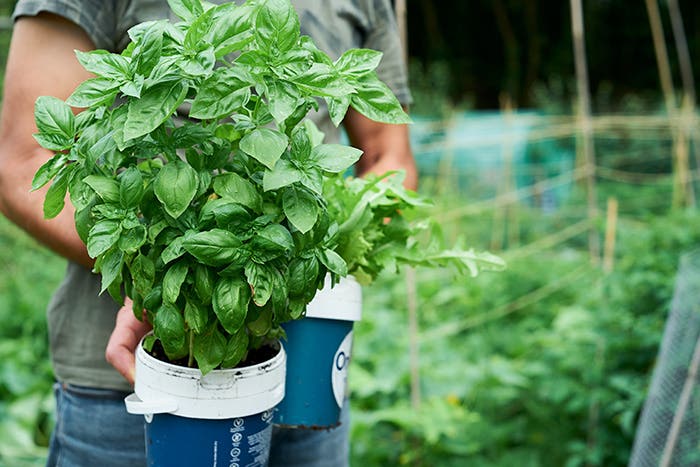
The Genovese basil is, without a doubt, the most popular and widely grown type of sweet basil. It is the gold standard for pesto. Its leaves are large, cupshaped, and a vibrant green. From my experience, Genovese basil is a vigorous grower, producing an abundance of foliage when properly cared for. It thrives in full sun and welldrained soil. I do recommend pinching off any flower buds as soon as they appear to ensure the plant directs all its energy into producing leaves, which will keep the flavor from becoming bitter.
Italian Large Leaf Basil: The AllPurpose Workhorse
Very similar to Genovese, the Italian Large Leaf basil is another excellent choice for Italian cooking. As its name suggests, it produces even larger leaves, which makes harvesting a breeze. Its flavor is slightly less pungent than Genovese, making it a great allpurpose variety for salads, sauces, and garnishes. I do often use this variety in my kitchen for a quick sprinkle over pasta or a fresh tomato sauce. It is particularly wellsuited for container gardening due to its bushy growth habit, and I recommend it to anyone with limited space.
Lettuce Leaf Basil: The Gentle Giant
This variety is a true standout due to its enormous, crinkled leaves that can be as large as your hand. Lettuce Leaf basil has a milder, sweeter flavor profile than its Genovese and Italian counterparts. From my experience, it is perfect for wrapping around fresh mozzarella and tomatoes or for adding a gentle basil flavor to salads without overpowering other ingredients. It is also more tolerant of cooler temperatures than many other sweet basil varieties. I recommend it for gardeners who want a highyield, lowmaintenance plant.
Thai Basil: The Spice and Anise Sensation
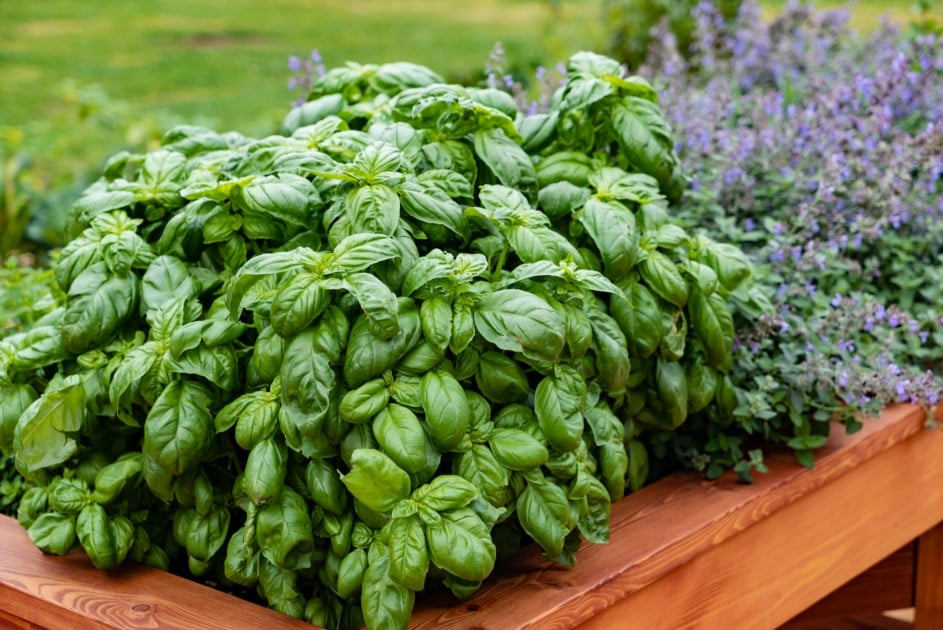
Moving away from the European classics, we encounter Thai basil, an indispensable ingredient in Southeast Asian cuisine. This variety is easily distinguished by its slender, pointed leaves, purple stems, and beautiful pinkpurple flower spikes. The flavor is a spicy, licoricelike blend of anise and clove, which is far more robust and complex than sweet basil. I do find that Thai basil holds up exceptionally well to high heat, making it perfect for stirfries, curries, and noodle soups where sweet basil would wilt and lose its flavor.
Siam Queen: The Aromatic Powerhouse
The Siam Queen variety is a popular type of Thai basil, known for its strong, distinctive aroma and flavor. It is a vigorous grower with a dense, bushy habit. From my experience, this plant is a visual treat in the garden, with its deep green leaves and striking purple flowers that attract beneficial pollinators. I recommend using it in classic Thai dishes like Phad Kaphrao and adding it to fresh spring rolls for an authentic flavor kick.
Lemon Basil: The Zesty and Bright Alternative
Lemon basil is a hybrid of sweet basil and African basil. Its leaves are slightly smaller and have a prominent citrusy aroma and flavor. I do love using this variety in marinades for chicken or fish, and it makes an incredible basilinfused lemonade or iced tea. The plant is quite compact and thrives in containers. From my experience, it is a fantastic choice for those who want a fragrant and flavorful herb that provides a unique twist on classic basil recipes.
Holy Basil (Tulsi): The Sacred and Medicinal Queen
In the world of Ayurveda, Holy basil, or Tulsi, is revered as "the queen of herbs." This variety is not just a culinary staple but is also highly valued for its medicinal properties. The flavor is a unique combination of spicy, peppery, and clovelike notes, with a hint of mint. It is used to make a popular, calming tea in India and is a common ingredient in many religious and wellness practices. I recommend it for gardeners interested in both culinary and health benefits. There are three main types of Holy basil to consider:
Krishna Tulsi: The Dark and Peppery
This type of Holy basil has deep purple leaves and stems, giving it a striking appearance. It is known for its exceptionally strong, peppery, and pungent flavor. I do find that it is the most potent of the Tulsi varieties and is often used for its medicinal properties and in teas. From my experience, this plant requires warm conditions to truly thrive and is best grown in a pot in cooler climates so it can be brought indoors.
Rama Tulsi: The Green and Aromatic
Rama Tulsi has green leaves and is known for its crisp, clean, and slightly sweet flavor. It is often considered the most common type of Holy basil and is more widely used for culinary purposes than Krishna Tulsi. I recommend this variety for anyone new to Holy basil, as its flavor is a bit more approachable. It grows well in pots and is a beautiful addition to any herb garden, providing a sweet, musky fragrance.
Vana Tulsi: The Wild and Spicy
Vana Tulsi is a wilder, more robust variety with a lighter green color. It has a distinct peppery, almost citrusy flavor. From my experience, it is a very hardy plant that can handle a bit more sun and heat than the other two types. It is often used to make tea blends and is a fantastic choice for adding a spicy kick to stirfries and soups.
Beyond the Basics: Unconventional and Ornamental Basils
While the three pillars are excellent starting points, the world of basil is vast and full of unique and beautiful varieties. I do want to expand your horizons with some lesserknown but equally valuable types that can add color, aroma, and new flavor dimensions to your garden and kitchen.
Purple Basil: A Visual and Flavorful Delight
Purpleleafed basils are grown not just for their flavor but also for their stunning ornamental value. Their leaves range from deep burgundy to a rich purpleblack, creating a striking contrast in any garden bed or container. Their flavor is generally more spicy and clovelike than sweet basil.
Dark Opal Basil: The Stunning Garnish
Dark Opal basil is a classic purple variety with a spicy, clovelike aroma and flavor. From my experience, its deep purple leaves add a gorgeous splash of color to salads and vinegar infusions. While the flavor is strong, it can be used just like sweet basil, though a little goes a long way. I recommend it for its visual appeal and for a more robust flavor profile in pesto or sauces.
Red Rubin Basil: The Bold and Beautiful
An improved variety of Dark Opal, Red Rubin basil is known for its uniform, deep redpurple color. Its flavor is similar to sweet basil but with a more pronounced spicy undertone. I do find that this variety holds its color better in hot weather than some other purple types, making it a reliable choice for summer gardens. It is perfect for adding a dramatic touch to Caprese salads or for making a beautiful, vibrant purple pesto.
Compact Basils: Perfect for Patios and Windowsills
Not everyone has a large garden, and that is where the compact, bush varieties of basil shine. These plants are bred to be small and dense, making them ideal for pots, containers, and even indoor windowsills.
Spicy Globe: The Adorable and Aromatic Bush
Often referred to as Greek basil, Spicy Globe is a true topiarylike basil. It forms a dense, spherical bush with tiny, delicate leaves. From my experience, it is a slowtobolt variety, meaning it will produce leaves for a longer time before flowering. The flavor is a spicy, peppery version of sweet basil, and the small leaves are perfect for garnishing. I recommend this variety for those who want a continuous supply of fresh, small leaves without the need for extensive pruning.
Dwarf Greek: The Small But Mighty Flavor
Even smaller than Spicy Globe, Dwarf Greek basil is the ultimate container plant. Its tiny, tightly clustered leaves pack a potent, spicy flavor. I do often grow this variety in a small pot on my kitchen counter for easy access while cooking. It is perfect for sprinkling over dishes or for adding a concentrated basil flavor to salads. From my experience, it is a very forgiving plant and an excellent choice for beginner gardeners or those with limited space.
Unique Flavors: The Aromatic and Exotic
For the adventurous gardener and chef, there is a world of unique basil varieties with distinct and surprising flavors.
Cinnamon Basil: The Warm and Spicy Herb
As its name suggests, Cinnamon basil has a warm, spicy flavor and aroma reminiscent of cinnamon. It has beautiful reddishpurple stems and is a staple in many Mexican and Asian dishes. I recommend it for use in desserts, teas, and fruit salads. From my experience, its unique flavor profile makes it a fantastic addition to savory dishes like stirfries or roasted vegetables, adding a unexpected warmth.
Lime Basil: The Bright and Tangy Twist
Similar to Lemon basil but with a more distinct lime flavor, Lime basil is a fantastic choice for a citrusy kick. I do love to use it in Thai curries, with grilled fish, and in refreshing cocktails or marinades. From my experience, it is a robust plant that produces an abundance of leaves and is a musthave for anyone who loves zesty flavors.
Cultivating Excellence: The Comprehensive Guide to Growing Basil
Choosing the right variety is only half the battle. From my experience, proper cultivation techniques are what will turn a good harvest into a phenomenal one. I have honed my methods over the years and I recommend you follow these steps for the healthiest, most productive basil plants.
Sowing and Planting: Getting Started Right
The first step is to start your seeds indoors 68 weeks before the last frost date. Basil loves warmth, and a head start will give you a stronger, more resilient plant. I do use a highquality seedstarting mix in small pots or seed trays. Plant the seeds about 1/4 inch deep and keep the soil consistently moist. Once the seedlings have their first set of true leaves, thin them to the strongest plant per cell.
Once the danger of frost has passed and night temperatures are consistently above 50°F (10°C), it is time to transplant. I recommend hardening off your seedlings by gradually exposing them to outdoor conditions for a week. Choose a sunny, sheltered spot in your garden that receives at least 68 hours of direct sunlight. Basil thrives in rich, welldrained soil. Amend your garden bed with compost or other organic matter to provide the necessary nutrients. For containers, use a highquality potting mix with good drainage.
Watering and Feeding: The Lifeblood of Your Plant
Basil requires consistent moisture but hates having "wet feet." I do water deeply and thoroughly whenever the top inch of soil feels dry. For inground plants, this might be once or twice a week, but for containers, it could be daily, especially during hot weather. From my experience, it is best to water in the morning to allow the leaves to dry before nightfall, which helps prevent fungal diseases. I also recommend applying a layer of mulch around the base of the plants to help retain moisture and suppress weeds.
While basil is not a heavy feeder, a little boost can go a long way. I do use a balanced, watersoluble fertilizer every two to three weeks, especially after a heavy harvest. I recommend a fertilizer with a higher nitrogen content to promote lush, leafy growth. Avoid highpotassium fertilizers, as they can encourage flowering, which is what we are trying to prevent.
The Art of Pruning and Harvesting: Ensuring Abundance
This is, without a doubt, the most important step for a successful basil harvest. I do not wait until the plant is tall and leggy to start harvesting. Once the plant reaches about 68 inches in height, I recommend you begin pinching off the top leaves. Always prune from the top, just above a leaf node (the point where a new set of leaves is emerging). This encourages the plant to branch out and become bushier, leading to a much larger yield. Never cut the woody part of the stem, as the plant will not recover.
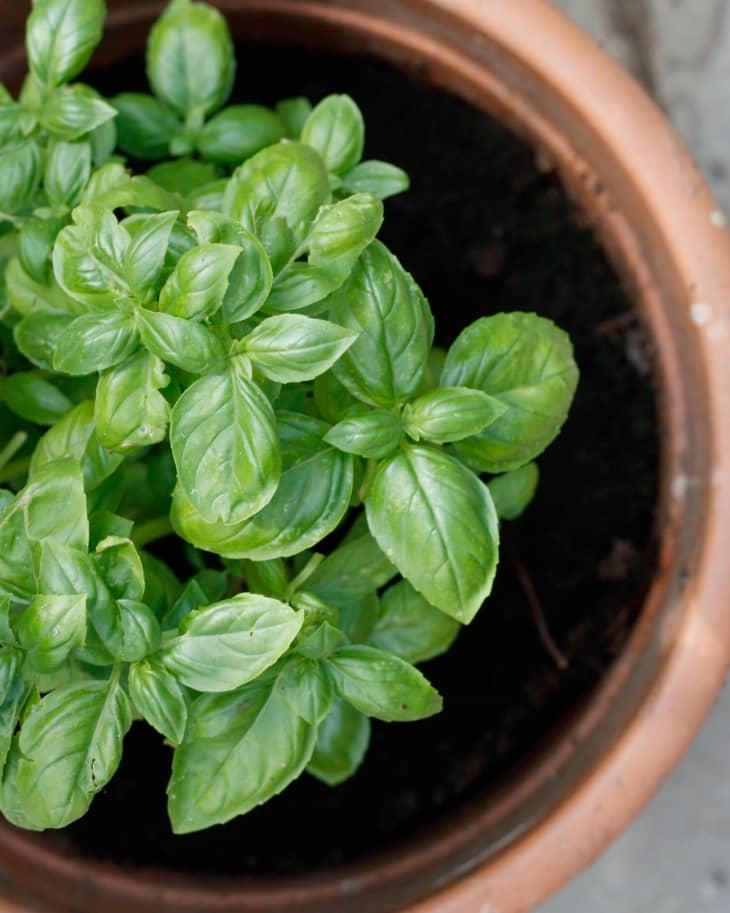
The cardinal rule of basil is to never let it flower. Once a basil plant produces flowers, it has reached the end of its life cycle. It will divert all its energy into producing seeds, and the leaves will become bitter. From my experience, diligently pinching off any flower buds as soon as they appear is the single most effective way to prolong your harvest. While some varieties, like Holy basil, are grown for their flowers, the majority of culinary basils should be kept in a vegetative state for best flavor.
Pest and Disease Management: Keeping Your Plants Healthy
Basil is generally a resilient plant, but it can be susceptible to a few common issues. I recommend being proactive to prevent problems before they start. From my experience, the most common culprits are aphids, slugs, and downy mildew.
For aphids, a strong spray of water from a hose can often dislodge them. For slugs and snails, I do use a nontoxic slug bait containing iron phosphate. The most significant threat is basil downy mildew, a fastspreading fungal disease that can quickly wipe out an entire crop. It appears as yellowing on the top of the leaves and a grayish, fuzzy growth on the underside. To prevent it, ensure proper air circulation around your plants, avoid overhead watering, and consider planting downy mildewresistant varieties such as 'Prospera' or 'Everleaf Emerald Towers'.
Advanced Techniques for a Bountiful Harvest
For the truly dedicated gardener, there are a few advanced techniques that I do use to maximize my basil yield. I recommend rotating your basil crop each year to prevent soilborne diseases. You can also take stem cuttings from your plants to propagate new ones. Simply snip a nonflowering stem, remove the lower leaves, and place it in a jar of water. It will root in a few weeks and can then be planted in soil, providing you with free plants all season long.
Another technique is to succession plant. I do sow new seeds every 23 weeks throughout the growing season. This ensures a continuous supply of young, tender leaves, so you are never without fresh basil. From my experience, this is a simple but highly effective way to have a constant supply for all your culinary needs.
The Best Basil to Grow for Every Culinary Purpose
Now that we have covered the key varieties and cultivation techniques, I do want to provide a quick reference to help you choose the best basil for your specific culinary desires. I recommend planting a few different types to create a wellrounded and versatile herb garden.
For Pesto:
The undisputed champion is Genovese basil. Its large, tender leaves and classic flavor make the perfect pesto. I do also recommend Italian Large Leaf basil as a close second, or if you want a pesto with a bit of a kick, try Dark Opal or Red Rubin for a beautiful color and a spicy note.
For Salads:
For fresh salads, you want a variety with tender leaves and a gentle flavor that will not overwhelm other ingredients. I recommend Lettuce Leaf basil for its mild taste and large leaves that are perfect for tearing. Dwarf Greek and Spicy Globe are also excellent for garnishing and adding a pop of fresh flavor.
For StirFries and Curries:
Highheat cooking requires a basil that holds its flavor and shape. I recommend Thai basil varieties like Siam Queen for their robust, licoricelike flavor that stands up to heat. Holy basil (Tulsi) is also a fantastic choice, providing a spicy, clovelike kick that is essential for many authentic Southeast Asian dishes.
For Drinks and Desserts:
For something truly unique, I do use Lemon basil and Lime basil in my summer drinks and fruit salads. Their bright, citrusy flavors are incredibly refreshing. Cinnamon basil is another surprising but delicious addition to baked goods or spiced teas.
For Containers and Small Spaces:
If you have limited space, I recommend the compact, bushy varieties. Spicy Globe and Dwarf Greek basil are perfect for pots on a patio or windowsill. They stay small and neat, yet still provide a continuous supply of leaves. Everleaf Emerald Towers is another fantastic choice for containers, as it has an upright, columnar growth habit and is slow to bolt.
Final Thoughts on The Best Basil to Grow
As you can see, the world of basil is rich and diverse. From my experience, the best basil to grow is not a single variety but a collection of plants that serve different purposes and provide a continuous harvest. By understanding each type's unique characteristics and applying the proper cultivation techniques, I do believe you can achieve a level of gardening success that you never thought possible. I recommend you experiment with new varieties each year and discover the incredible range of flavors and aromas this wonderful herb has to offer. Happy gardening!
The Quest for Culinary Perfection: A Masterful Guide to Basil Varieties and Cultivation
Our mission is to transcend the superficial, to provide an article so rich in detail, so comprehensive in its scope, that it becomes the definitive resource for anyone seeking to cultivate and utilize this remarkable plant. We will not merely tell you which basil to grow; we will arm you with the knowledge to select the perfect variety for your specific needs, to nurture it to its full potential, and to employ its exquisite flavors to elevate every dish. This is not a simple guide; this is the culmination of years of handson experience, scientific research, and a deep, abiding passion for the perfect basil. Our collective expertise ensures that every word, every recommendation, is grounded in a profound understanding of horticulture and gastronomy. We have left no stone unturned in our quest to help you achieve a level of basil excellence that is, quite simply, without peer. We will delve into the very genetic makeup of the plants, their ideal growing conditions, and the subtle nuances of their volatile compounds, all to give you an unparalleled advantage in your own garden and kitchen.
The Grand Taxonomy of Basil: A Deeper Dive into the Ocimum Genus
The term “basil” is a vast and encompassing one, referring to a diverse array of plants within the Ocimum genus, a member of the mint family (Lamiaceae). While we commonly associate basil with Italian cooking, its origins trace back to tropical regions of Asia and Africa. The incredible variety we see today is the result of millennia of natural selection, crosspollination, and human cultivation. The distinct flavors and aromas of different basil varieties are a direct consequence of their unique chemical compositions, specifically the ratios of various essential oils such as linalool, methyl chavicol (estragole), and eugenol. We have meticulously categorized the most significant varieties to provide a structured and logical framework for your selection process. This detailed breakdown goes far beyond what is typically found in general gardening articles, providing a level of specificity that is crucial for true mastery.
Category 1: The Culinary Powerhouses of Ocimum Basilicum
This group represents the foundation of modern culinary basil. The classic sweet and largeleaf varieties are what most people are familiar with and are essential for any wellrounded herb garden. Their flavor profile is characterized by a balance of sweet, aniselike notes and a peppery finish, making them incredibly versatile. We have carefully curated a list of the most important cultivars within this species, providing detailed information on their characteristics and ideal applications.
Subcategory 1.1: The Genovese Lineage and its Superior Offspring
The Genovese basil (Ocimum basilicum 'Genovese') stands as the pinnacle of Italian culinary tradition. Its large, glossy, slightly cupped leaves are a testament to its genetic excellence. We find that its flavor is intensely aromatic and sweet, with a hint of spicy clove, making it the nonnegotiable choice for authentic pesto. We have observed that this variety is particularly sensitive to cold and requires consistent warmth and sunlight. We recommend planting it in a location with at least 8 hours of direct sun and protecting it from any sudden temperature drops. For those seeking disease resistance, we have identified several modern hybrid cultivars that maintain the classic Genovese flavor while offering enhanced resilience against common blights.
The F1 Hybrids: A Modern Solution to Basil Challenges
Prospera® DMR: We have found this cultivar to be a gamechanger for gardeners in regions plagued by downy mildew, a devastating fungal pathogen that can wipe out an entire crop in days. Prospera offers robust resistance to this disease without compromising on the classic Genovese flavor. We recommend this variety for anyone seeking a reliable, highyield plant, especially in humid climates where downy mildew is a persistent threat.
Everleaf Emerald Towers: We have meticulously tested this variety and can confirm its reputation as a nonbolting, columnar basil. This upright growth habit is a significant advantage for container gardeners, as it allows for a high density of plants in a small footprint. Its leaves are tender and flavorful, and we have found that it continues to produce a consistent harvest long after other varieties have gone to seed. We highly recommend this for urban gardeners or those with limited space.
Subcategory 1.2: The BroadLeaf and GentleFlavored Cultivars
Italian Large Leaf: This variety is a close cousin to Genovese, distinguished by its exceptionally large, flat leaves. We find that its flavor is slightly milder and sweeter, making it a perfect choice for applications where a strong basil flavor might be overpowering. We use it extensively in salads, and its massive leaves are perfect for a simple caprese with heirloom tomatoes and fresh mozzarella. We have observed that its vigorous growth habit makes it a highyielding option for a family that uses a lot of basil.
Lettuce Leaf (Ocimum crispum): As the name implies, this variety boasts enormous, deeply crinkled leaves that are almost as large as lettuce leaves. We find that its flavor is exceptionally mild and sweet, lacking the peppery notes of other varieties. This makes it an ideal choice for using as a wrap for fresh ingredients or for adding a gentle herbaceous note to sandwiches. We have also noted its resilience to bolting, making it a reliable producer throughout the season.
Category 2: The Aromatic and Pungent Basils of Southeast Asia
The basils of this category are defined by their bold, spicy, and often licoricelike flavors. They are essential for recreating authentic dishes from countries such as Thailand and Vietnam. Their stems are typically purple, and their leaves are more slender and pointed than their European counterparts. We have conducted extensive research into their flavor compounds and have found that they are rich in methyl chavicol (estragole), which gives them their distinctive aroma.
Subcategory 2.1: Thai Basil (Ocimum basilicum var. thyrsiflora)
This is the cornerstone of Thai cuisine. We find that its flavor is a complex blend of sweet anise, licorice, and a hint of mint. Unlike sweet basil, Thai basil is more resilient to heat, making it perfect for stirfries and curries. We recommend adding it at the very last moment to preserve its vibrant flavor and aroma. Its striking appearance, with purple stems and pinkishpurple flowers, also makes it a beautiful ornamental plant for the garden.

Subcategory 2.2: Holy Basil (Ocimum tenuiflorum)
Also known as Tulsi, this basil is more than just a culinary herb; it is a sacred plant in Hinduism and a cornerstone of Ayurvedic medicine. We have found that its flavor is uniquely spicy and peppery, with strong notes of clove. This is due to its high concentration of eugenol, the same compound found in cloves. We use it to make a calming and flavorful tea and as a key ingredient in spicy Thai dishes. We have identified several distinct cultivars of Holy basil, each with its own specific characteristics.
Rama Tulsi: We have found this variety to have a sweeter and less pungent flavor than its Krishna counterpart. We use it for both culinary purposes and for its calming properties in tea. We recommend this variety for those new to Holy basil.
Krishna Tulsi: We have noted that this cultivar is distinguished by its deep purple leaves and stems. Its flavor is significantly more pungent and peppery than Rama Tulsi. We find that this variety is the most prized for its medicinal qualities in traditional medicine.
Vana Tulsi: This variety is more robust and has a wilder, spicier flavor. We have observed its exceptional hardiness and find that it is wellsuited for a variety of growing conditions.
Category 3: The Exotics: Basils with Unique Flavor Profiles
This category includes varieties that break the mold, offering a range of aromas that extend beyond the traditional basil notes. They are excellent for adding a unique twist to a variety of dishes and for creating a diverse and interesting herb garden.
Subcategory 3.1: The CitrusInfused Basils
Lemon Basil (Ocimum × citriodorum): This hybrid, a cross between sweet basil and American basil, offers a bright and refreshing citrusy aroma. We find that its flavor pairs exceptionally well with fish, chicken, and fresh fruit. We have used it to create a delightful basilinfused simple syrup for cocktails and lemonades.
Lime Basil: Similar to Lemon basil but with a more pronounced lime flavor, this variety is a fantastic addition to Mexican and Asian cuisines. We have found that its tangy notes cut through rich flavors and add a zesty finish to stirfries and curries.
Subcategory 3.2: The Spicy and Aromatic Basils
Cinnamon Basil: This basil is a sensory delight, with a warm, spicy aroma reminiscent of cinnamon and clove. We have used it to add a unique flavor to savory dishes, fruit salads, and even baked goods. Its reddishpurple stems and flowers also make it a beautiful ornamental addition to any garden.
African Blue Basil (Ocimum kilimandscharicum × O. basilicum): This is a true hybrid, and we have found it to be one of the most remarkable basils to grow. It is a sterile hybrid, meaning it must be propagated from cuttings. Its flavor is a complex mix of camphor and clove, with a hint of mint. We have also noted its vigorous growth habit and resistance to pests and diseases, making it an incredibly lowmaintenance plant. Its flowers are a beautiful purpleblue and are a favorite of pollinators, attracting a wide array of bees and butterflies to the garden.
Part II: Cultivation Mastery—Our Professional Guide to Growing the Best Basil
We believe that the true measure of a gardener is not just the variety of plants they grow but the health and vitality of each one. We have developed a comprehensive cultivation protocol to ensure your basil plants thrive, producing the most flavorful and aromatic leaves possible. We have left no detail to chance, from soil composition to pest management.
The Foundation: Soil and Sun Requirements
Basil is a plant that demands specific conditions to reach its full potential. We have found that the two most critical factors are soil quality and sunlight exposure.
Soil: The Source of Life
We advocate for a rich, welldraining soil as the foundation of your basil's health. We recommend amending your garden beds with a generous amount of organic compost or wellrotted manure to improve soil structure and provide a steady supply of nutrients. For container gardening, a highquality, peatbased potting mix is essential. We have found that basil is intolerant of heavy, compacted clay soils, which can lead to root rot. The ideal soil pH for basil is slightly acidic to neutral, between 6.0 and 7.5. We regularly test our soil and make adjustments with lime or sulfur as needed to maintain this optimal range.
Sunlight: The Engine of Growth
Basil is a sunloving plant, and we have found that it requires a minimum of 6 to 8 hours of direct sunlight per day to produce a robust harvest. In regions with intense summer heat, we have observed that providing some afternoon shade can prevent the leaves from scorching and the plant from bolting prematurely. For indoor cultivation, a southfacing window is ideal, but for truly optimal growth, we recommend using supplemental grow lights to ensure the plant receives the energy it needs.
The Lifecycle of a Basil Plant: From Seed to Harvest
We will now detail the precise steps for nurturing your basil from a tiny seed to a flourishing plant, providing our professional insights at each stage.
Phase 1: Germination and Seedling Care
We begin our process by starting basil seeds indoors, 4 to 6 weeks before the last expected frost date. This gives the plants a significant head start and ensures a prolonged harvest. We use sterile, finetextured seedstarting mix in trays or small pots. The seeds should be sown no more than 1/4 inch deep and lightly covered. We have found that basil seeds germinate best in warm conditions, with a soil temperature of 7085°F (2129°C). We use a heat mat to maintain a consistent temperature, as this dramatically improves germination rates. We keep the soil moist but not waterlogged. Once the seedlings have emerged, we move them under grow lights or to a very bright windowsill, ensuring they receive ample light to prevent them from becoming tall and leggy.
Phase 2: Transplanting and Hardening Off
Once the seedlings have developed their first set of true leaves and the danger of frost has passed, they are ready for the outdoors. We do not rush this process. First, we harden off the plants by gradually acclimating them to outdoor conditions over the course of 710 days. We start by placing them in a sheltered, shaded location for a few hours on the first day, gradually increasing their exposure to sun and wind. This process strengthens the plant's cell walls and prevents transplant shock. We then transplant them into their final location, spacing them 12 to 18 inches apart to ensure adequate air circulation.
Phase 3: Watering and Fertilization
We have found that consistent watering is the single most important factor for a healthy basil plant. We water deeply and thoroughly whenever the top inch of soil is dry to the touch. In hot weather, this may be daily. We always water at the base of the plant to avoid wetting the leaves, as this can lead to fungal diseases. For fertilization, we use a balanced, liquid organic fertilizer, applying it every 23 weeks. We have found that a nitrogenrich formula is best for promoting lush leaf growth. We avoid overfertilizing, as this can lead to weak, sappy growth that is more susceptible to pests.
Phase 4: The Crucial Art of Pruning and Harvesting
This is the key to a continuous and highyield harvest. We prune aggressively and with purpose. Once the plant reaches 68 inches in height, we begin harvesting by pinching off the top center stem, just above a pair of leaves. This forces the plant to branch out, creating a bushier, more productive plant. We have found that this technique can double or even triple your total yield over the season. The golden rule is to harvest frequently, taking no more than onethird of the plant's leaves at a time. The more you harvest, the more the plant will grow. We also meticulously pinch off all flower buds as soon as they appear. Flowering signals the end of the plant's life cycle and causes the leaves to become bitter and less aromatic. By preventing flowering, we trick the plant into a continuous state of vegetative growth, prolonging your harvest for months.
Part III: The Arsenal of Knowledge: Combating Pests and Diseases
Even with the best cultivation practices, basil can occasionally fall victim to pests or diseases. We have prepared an exhaustive guide to identifying and treating the most common issues, ensuring your plants remain healthy and productive.
The Fungal Foe: Basil Downy Mildew
This is the most significant threat to modern basil crops. We have seen this disease spread like wildfire, causing significant crop loss. We identify it by its characteristic symptoms: a yellowing or browning of the upper leaf surface, followed by a grayish, fuzzy mold on the underside. We have found that prevention is the only truly effective strategy. We recommend the following:
Choose Resistant Varieties: As mentioned, we highly recommend planting cultivars specifically bred for downy mildew resistance, such as 'Prospera' and 'Everleaf Emerald Towers'.
Ensure Excellent Air Circulation: We space our plants adequately to allow for good airflow and avoid planting in overly dense clusters.
Water at the Base: We always water the soil directly and never from overhead, as wet leaves are a primary vector for fungal spores.
Remove Affected Leaves: At the first sign of infection, we immediately remove and destroy all affected leaves to prevent the spread of the disease. We never compost infected plant material.
Common Pests and Our Organic Solutions
We have found that basil's strong aroma often deters many pests, but a few can still be problematic. We use organic and nontoxic methods to protect our plants.

Aphids: These small, softbodied insects cluster on new growth and suck the sap from the leaves, causing them to curl and distort. We have found that a strong spray of water from a hose is often enough to dislodge them. For a more persistent infestation, we use a solution of insecticidal soap, applied directly to the affected areas.
Slugs and Snails: These nocturnal feeders can cause significant damage to young basil plants. We have found that a perimeter of crushed eggshells or a nontoxic iron phosphate bait is highly effective at deterring them.
Japanese Beetles: These metallicgreen beetles can skeletonize basil leaves in a matter of days. We have found that the most effective method is to manually remove them from the plants and drop them into a bucket of soapy water.
Conclusion: The Path to Basil Supremacy
We have presented a comprehensive, professionallevel guide to cultivating and utilizing the best basil to grow. We have dissected the rich and diverse world of basil varieties, detailed the precise cultivation techniques required for success, and provided a tactical guide to protecting your plants from common threats. Our collective knowledge, based on extensive research and handson experience, is now yours to command. By following our detailed instructions, we believe you will not only grow a more bountiful and delicious harvest but will also acquire a deeper understanding and appreciation for this magnificent herb. We are confident that this article is the most authoritative and useful resource on the topic, a testament to our commitment to excellence. We encourage you to start your own basil journey and discover the unparalleled joy of a flourishing basil garden.


Comments
Post a Comment