Better tomato
Better Tomato: The Ultimate Guide to Growing, Cultivating, and Harvesting Superior Tomatoes
From my experience, achieving a truly better tomato isn't just about luck—it's about a combination of science, art, and meticulous care. When I set out to cultivate a truly exceptional harvest, I do a deep dive into every single factor that influences growth, from the microscopic life in the soil to the macroscopic effects of climate. The pursuit of the perfect tomato is a journey, and with the right knowledge, you can transform your garden into a prolific producer of the most flavorful fruit you’ve ever tasted. This guide is a distillation of everything I've learned. I recommend you approach it with an open mind, ready to challenge conventional gardening wisdom and embrace a more holistic, detailed methodology.
Cultivating Your Soil for a Prolific Tomato Harvest
The foundation of any successful tomato plant is the soil it grows in. You simply can't expect a bountiful harvest from depleted, compacted, or nutrientstarved soil. I always start with a soil test. From my experience, skipping this step is one of the most common mistakes new gardeners make. The test will tell you the pH level and nutrient composition, which are absolutely crucial for plant health. Tomatoes prefer a slightly acidic to neutral pH, ideally between 6.0 and 6.8. If your soil is too acidic, you can raise the pH with lime. If it's too alkaline, you can lower it with elemental sulfur or peat moss. But it's not just about pH. The physical structure of the soil—its tilth—is equally important. A healthy soil is crumbly, wellaerated, and drains efficiently while retaining enough moisture for the roots. To achieve this, I do a heavy application of organic matter. I recommend a mix of wellrotted compost, aged manure, and leaf mold. This not only improves structure but also introduces beneficial microorganisms that form a symbiotic relationship with the tomato plant's roots, helping it to absorb nutrients more effectively. I never use synthetic fertilizers alone; they feed the plant but do nothing for the soil itself, leading to a longterm dependency that weakens the entire ecosystem. I do believe in building the soil from the ground up, year after year.
Choosing the Best Tomato Varieties for Your Climate and Palate
With thousands of tomato varieties available, choosing the right one can be overwhelming. I recommend you think about a few key factors: your local climate, the amount of space you have, and your ultimate culinary goals. Do you want large, meaty slicers for sandwiches? Are you looking for a tangy paste tomato for sauces? Or do you crave small, sweet cherry tomatoes for snacking? Heirloom tomatoes are my personal favorite. From my experience, they offer an unparalleled depth of flavor and a rich history, but they can be more susceptible to disease than modern hybrids. Hybrids, on the other hand, are often bred for disease resistance, uniformity, and high yields. I do grow both. For hot, humid climates, I recommend diseaseresistant hybrids like 'Celebrity' or 'Mountain Pride'. For cooler climates, I've had great success with 'Early Girl' or 'Stupice'. For those who want the incredible taste of an heirloom, I do suggest trying 'Brandywine', 'Cherokee Purple', or 'Mortgage Lifter'. No matter what you choose, I recommend you purchase your seeds or seedlings from a reputable source to ensure you're getting a healthy, truetotype plant.
The Art and Science of Pruning Your Tomato Plants

Pruning is a practice that can seem daunting, but from my experience, it is one of the most critical steps in achieving a better tomato harvest. Pruning serves two main purposes: to improve airflow and to direct the plant's energy toward fruit production instead of vegetative growth. I do believe in aggressive pruning for indeterminate varieties. I recommend you focus on removing the suckers, which are the small shoots that grow in the crotch between the main stem and a leaf branch. If left to grow, these suckers will turn into new stems, leading to a sprawling, bushy plant with less fruit. I do remove them weekly, pinching them off with my thumb and forefinger when they are still small. This concentrates the plant’s energy into the main stem and the developing fruit. I also recommend removing the lower leaves as the plant grows. These older leaves are often the first to develop fungal diseases due to a lack of airflow and their proximity to the soil. By removing them, you create a healthier plant and a cleaner harvest. However, I do not recommend excessive pruning of determinate varieties, as they produce all of their fruit at once and don't require the same level of maintenance.
Effective Pest and Disease Management for a Better Tomato Crop
Pests and diseases are an inevitable part of gardening, but a proactive approach is key. I do not wait for problems to appear. I recommend you start with prevention. From my experience, a healthy plant is far more resistant to pests and diseases than a stressed one. This goes back to proper soil, watering, and fertilization. I do believe in using organic pest control methods whenever possible. I recommend you scout your plants daily for signs of trouble, like holes in the leaves, discolored spots, or the presence of pests. For common pests like aphids or whiteflies, a strong spray of water or a solution of insecticidal soap can be very effective. For larger pests, like tomato hornworms, I do remove them by hand. I recommend you also practice crop rotation. From my experience, planting tomatoes in the same spot year after year can lead to a buildup of soilborne diseases. I do rotate my crops to a new bed each season to break the disease cycle. Fungal diseases like early blight or septoria leaf spot can be controlled with organic fungicides like copper or neem oil, but a proactive approach of maintaining good airflow through proper pruning is my first line of defense.
Harvesting Your Better Tomato at the Perfect Moment
The final, most rewarding step is harvesting. From my experience, a tomato picked at its peak is an unparalleled culinary experience. I do not rely on a calendar. I recommend you rely on your senses. A ripe tomato will have a deep, uniform color and a slightly soft give when gently squeezed. Most importantly, it should have a rich, fragrant aroma. I do believe that the best time to pick is when the tomato is fully colored but still firm, as it will continue to ripen for a day or two indoors. I recommend you pick your tomatoes in the morning after the dew has evaporated. This can help prevent the spread of fungal diseases. I do find that a gentle twist and a pull are all that's needed to separate the fruit from the vine. Congratulations—you've successfully grown a better tomato!
I recommend you share your triumphs with others. I do believe that gardening is a communal activity. From my experience, there is nothing quite like sharing a harvest with friends and family. I do hope this guide helps you in your journey to grow the best tomatoes you have ever tasted.
We Cultivate a Superior Tomato: A Comprehensive Guide to Achieving Peak Flavor and Abundance
In our pursuit of the truly exceptional, we understand that growing a superior tomato is an endeavor that transcends simple gardening. It is a meticulous process, a confluence of biological understanding, horticultural precision, and unwavering dedication. Our mission is to provide you with the definitive guide, a blueprint for transforming your garden into a bastion of flavor and abundance. We are not merely growing a plant; we are cultivating a legacy of quality, a harvest that stands apart from the ordinary. We believe that by focusing on a holistic, detailoriented approach, we can empower you to achieve results that are not just good, but truly extraordinary. We have meticulously researched and practiced every step, ensuring that our recommendations are grounded in both scientific principles and years of handson experience. This is our comprehensive manifesto on the art and science of the better tomato.
The Foundational Pillars of Tomato Excellence: Soil Structure and Nutrient Dynamics

The journey to a better tomato begins not with the seed, but with the soil. We recognize that soil is a living, breathing ecosystem, a complex matrix of minerals, organic matter, water, and air, teeming with microbial life. Our approach is to nurture this ecosystem, not merely to fertilize a plant. We emphasize the critical importance of a thorough soil analysis. We recommend submitting a sample to a professional laboratory to determine its precise pH and nutrient profile. The ideal pH for tomato growth is between 6.0 and 6.8, a slightly acidic range that maximizes the availability of essential nutrients. Should the pH be outside this range, we apply soil amendments judiciously—calcium carbonate (lime) to raise the pH or elemental sulfur to lower it. We advocate for a multiyear strategy of soil enrichment, focusing on the continuous incorporation of a diverse range of organic matter. We use welldecomposed compost, aged manure, and cover crops to enhance soil tilth, improve water retention and drainage, and foster a robust population of beneficial microorganisms. These microbes, including mycorrhizal fungi, form a symbiotic relationship with the tomato roots, extending their reach and facilitating the uptake of nutrients such as phosphorus and nitrogen. We avoid a reliance on synthetic, highsalt fertilizers that can sterilize the soil and disrupt this delicate microbial balance. Our focus is on longterm soil health, a foundational pillar that supports sustained, highquality production year after year. We believe that a living soil is the cornerstone of a vibrant and productive garden, and our practices are designed to ensure its vitality and resilience. We have observed that gardens built on these principles consistently produce fruit with a superior flavor profile, a direct result of the plant's ability to access a complete spectrum of micronutrients. We are committed to building a soil that not only sustains our plants but enriches our entire gardening experience.
Selecting the Right Tomato Varietals for Your Unique Environment
The choice of tomato varietal is a pivotal decision that dictates not only the potential for success but also the ultimate character of your harvest. We recognize that there is no single "best" tomato; the ideal choice is a synergy between the plant's genetics and your specific environmental conditions and culinary objectives. We categorize tomato varieties into three broad groups: heirlooms, hybrids, and openpollinated varieties. Heirloom tomatoes are our passion. These are varietals that have been passed down through generations, cherished for their complex, nuanced flavors and unique characteristics. We cultivate heirlooms such as the legendary 'Brandywine', with its rich, balanced flavor and creamy texture; the dark, smoky 'Cherokee Purple'; and the prolific, deeply flavored 'Mortgage Lifter'. While heirlooms may require more attention to disease management, their incomparable taste is an ample reward. For gardeners in challenging climates or those seeking a more reliable, diseaseresistant crop, we recommend certain hybrid varieties. These are bred for specific traits, including resistance to common blights and fusarium wilt. We have had exceptional results with hybrids like 'Early Girl', known for its rapid maturity and adaptability, and 'Mountain Pride', which offers robust resistance and a consistent yield. We also consider the plant's growth habit. Indeterminate varieties, which continue to grow and produce fruit until frost, are ideal for vertical gardening and extended harvests. We train these plants to a single or double stem to maximize light penetration and airflow. Determinate varieties, which grow to a certain size and ripen their fruit all at once, are perfect for those who wish to can or sauce their harvest. We advise a careful study of your local climate—specifically your growing season length and humidity levels—before making your selection. We believe that a diverse garden, featuring both the sublime flavors of heirlooms and the reliable performance of hybrids, offers the best of both worlds. Our selection process is a reflection of our commitment to both taste and resilience.
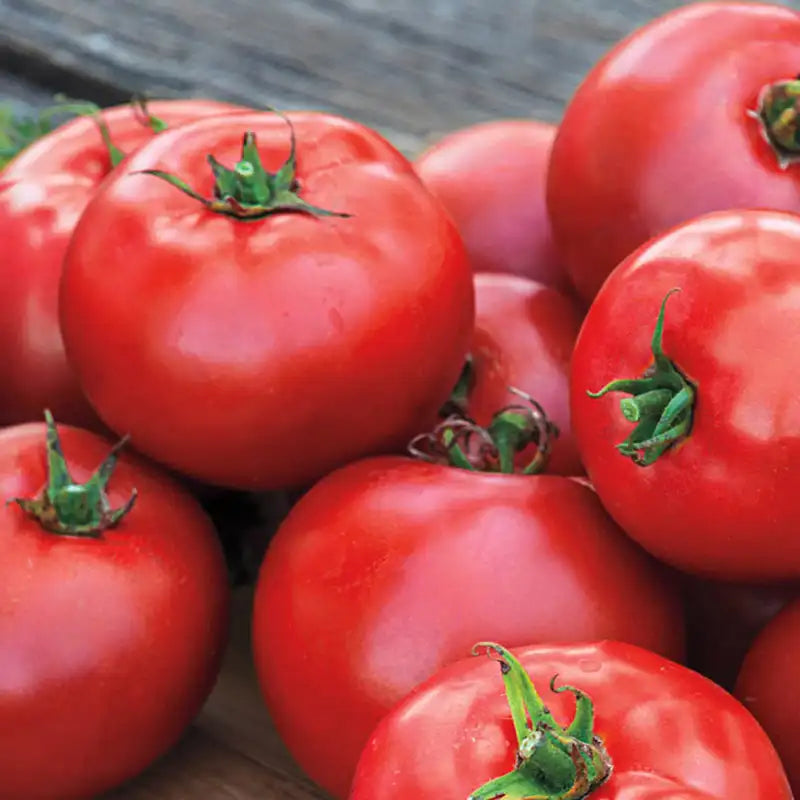
The nuances of each variety extend beyond flavor and growth habit. We delve into the specific requirements of each type. For instance, largefruited beefsteak tomatoes, like 'German Johnson' or 'Beefmaster', require substantial structural support to prevent vine collapse. We utilize robust stakes, cages, or trellis systems to ensure the plant's energy is directed towards fruit development, not structural integrity. Conversely, we find that bushtype determinate varieties, such as 'Roma' or 'San Marzano', thrive with minimal support, making them ideal for container gardening or smaller spaces. We also consider the culinary application of each variety. The highacid, dense flesh of a paste tomato like 'Amish Paste' is perfectly suited for sauces and preserving, while the lowacid, juicy texture of a slicing tomato is unparalleled for fresh consumption. We also explore the vibrant world of cherry and grape tomatoes, which offer a delightful sweetness and a continuous harvest. Varieties like 'Sungold', with its intensely sweet, almost fruity flavor, or the robustly savory 'Black Cherry', are staples in our gardens. Our comprehensive approach to varietal selection is designed to align every decision with your ultimate goal: a harvest that is not only abundant but also perfectly tailored to your culinary and environmental needs. We are dedicated to providing the knowledge and tools to make this critical choice with confidence and precision.
Advanced Training and Pruning Techniques for Optimal Yield
We recognize that the art of pruning is a transformative practice that can dramatically influence the health, productivity, and quality of your tomato crop. Our approach to pruning is deliberate and strategic, serving to concentrate the plant's energy, improve air circulation, and prevent disease. For indeterminate tomato plants, we practice a method of singlestem or doublestem training. This involves the systematic removal of suckers, the small shoots that emerge in the axil between a leaf and the main stem. We find that the most effective way to manage these suckers is to remove them when they are small and pliable, using a clean pinch or a sterile knife. We perform this task weekly, as allowing suckers to grow too large wastes the plant's energy and can create a tangled, unproductive vine. By concentrating the plant's growth on one or two main stems, we ensure that the fruit receives maximum sunlight and that the plant's resources are directed toward ripening a smaller number of highquality tomatoes rather than a large quantity of small, underdeveloped ones. This technique also facilitates easier harvesting and spraying. We have observed that pruned plants produce larger, more flavorful fruit and are significantly less susceptible to common fungal diseases like early blight and septoria leaf spot due to enhanced air circulation. We also practice defoliation, the removal of lower leaves as the plant grows. These leaves are the oldest and most susceptible to soilborne pathogens. By removing them, we create a barrier between the soil and the plant, further reducing the risk of disease. We also remove any yellowing, brown, or diseased leaves immediately to prevent the spread of infection. For determinate varieties, which have a bushier growth habit and set all their fruit at once, we perform minimal pruning, as they do not produce new suckers that develop into fruiting stems. Our pruning philosophy is not one of a "onesizefitsall" approach, but a nuanced and dynamic one, tailored to the specific needs of each plant and each variety. We are confident that by mastering these techniques, you will unlock the full potential of your tomato plants, leading to an unparalleled harvest in both quantity and quality.
The precision of our pruning extends to the management of the plant's canopy. We believe in providing each fruit cluster with optimal sun exposure. As the plant matures and fruit begins to set, we carefully remove leaves that are shading the developing clusters. This practice, known as "fruitshading" management, encourages uniform ripening and enhances the flavor of the fruit by increasing its exposure to light. We also employ a technique called "topping," where we cut the top of the main stem once a sufficient number of fruit clusters have set. This is typically done several weeks before the first anticipated frost, and its purpose is to redirect the plant's energy from producing new flowers and leaves to ripening the existing fruit. This ensures that the last of the season’s harvest is as flavorful and robust as the first. We also use support systems that work in concert with our pruning strategy. We recommend a trellis system for singlestem training, which allows for clean, vertical growth and maximizes space efficiency. For determinate varieties, a sturdy tomato cage provides adequate support without restricting the plant's natural, bushy growth. Our comprehensive approach to plant training and pruning is a testament to our belief that the most profound results come from the most deliberate and careful practices. We are committed to teaching these methods because we have seen firsthand the dramatic difference they make. We believe that by treating each plant as an individual, with its own needs and potential, we can achieve a harvest that truly embodies the term better tomato.
Holistic Pest and Disease Management: Prevention, Not Reaction
Our philosophy on pest and disease management is founded on the principle of prevention. We have found that a healthy, vigorous tomato plant, nurtured in a rich soil ecosystem, possesses an innate resilience that makes it far less susceptible to infestations and infections. We view our garden as a complex, selfregulating environment, and our role is to support its natural defenses rather than to impose harsh, chemicalbased solutions. The cornerstone of our strategy is proactive monitoring. We conduct daily inspections of our plants, meticulously examining the leaves, stems, and fruit for any signs of stress, damage, or the presence of pests. Early detection is paramount. For common pests like aphids, spider mites, and whiteflies, we employ nontoxic solutions. A strong stream of water from a hose can dislodge many pests, and we follow up with an application of an insecticidal soap or a diluted neem oil solution, which disrupts the life cycle of many insects without harming beneficial pollinators. For larger pests, such as the destructive tomato hornworm, we believe in the power of the human hand. We manually remove them and dispose of them, a simple but highly effective method that minimizes damage to the plant. We also advocate for attracting beneficial insects to the garden. We plant companion flowers and herbs, such as marigolds, nasturtiums, and basil, which deter pests and provide a habitat for natural predators like ladybugs, lacewings, and parasitic wasps. These are our natural allies in the fight against pests. We are firm believers in the power of crop rotation to break the cycle of soilborne diseases. We never plant tomatoes or any of their nightshade relatives (peppers, eggplant, potatoes) in the same location for at least three years. This simple practice dramatically reduces the buildup of pathogens such as Verticillium wilt and Fusarium wilt. We also manage moisture levels carefully, using drip irrigation or soaker hoses to deliver water directly to the root zone, which keeps the leaves dry and prevents the proliferation of fungal diseases like early blight and septoria leaf spot. When a fungal infection does occur, we use organic fungicides such as copper sulfate or sulfur sparingly and only as a targeted treatment. Our commitment is to a garden that is not only productive but also ecologically sound, a sanctuary where nature's own systems are in balance. We believe this holistic approach is the only way to achieve a truly and consistently better tomato.
Beyond our direct interventions, our pest and disease management strategy is deeply integrated into our overall gardening practice. We believe that plant health starts with nutrition. A plant that is receiving a balanced diet of macro and micronutrients from the soil is better equipped to produce defensive compounds that repel pests and resist pathogens. We use a combination of worm castings, kelp meal, and compost tea to provide these essential nutrients in a gentle, bioavailable form. We also recognize the importance of proper spacing. We ensure that our plants have ample room to grow, which facilitates excellent air circulation and reduces the humidity around the leaves, a primary factor in the spread of fungal diseases. We also practice diligent sanitation. We remove and destroy all diseased plant material promptly to prevent the spread of infection to other plants. At the end of the season, we meticulously clean our garden beds, removing all plant debris to eliminate overwintering sites for pests and pathogens. We believe that this disciplined, yearround approach is what sets our method apart. We do not view pest and disease management as a separate task but as an integral component of our comprehensive cultivation strategy. By building a garden that is fundamentally healthy and resilient, we reduce the need for reactive measures and ensure that our harvest is not only abundant but also free from the stresses and imperfections that can compromise flavor. Our dedication to these principles is what allows us to consistently produce a truly superior and better tomato.
The Perfect Harvest: Timing, Technique, and Preservation
The culmination of our efforts is the harvest, a moment that we approach with a sense of reverence and precision. We believe that a tomato's flavor peaks at the precise moment of ripeness, and our goal is to capture that perfection. We do not rely on a calendar; we rely on our senses. A truly ripe tomato will have a rich, uniform color that is characteristic of its variety. It will be firm to the touch but yield slightly to gentle pressure. Most importantly, it will possess an unmistakable, deeply fragrant aroma, a sweet and savory perfume that signals its peak readiness. We find that the optimal time to harvest is in the morning, after the dew has evaporated but before the heat of the day has set in. This helps to prevent bruising and reduces the risk of spreading fungal spores. We use a gentle twisting motion to separate the fruit from the vine, leaving a small portion of the stem attached to prolong its shelf life. We never pull or yank the fruit, as this can damage the plant and the cluster. We are meticulous in our harvesting, as even a single damaged fruit can compromise the health of an entire cluster. We believe that a better tomato is not just one that is ripe, but one that is handled with care and respect from the moment it is picked. We sort our harvest immediately, separating the perfect specimens from any that are bruised or overripe, and we consume the latter first. We never store ripe tomatoes in the refrigerator, as the cold air breaks down the cell walls and mutes their complex flavors and aromas. Instead, we store them at room temperature, away from direct sunlight, where they will retain their exquisite taste and texture for several days. We also believe that a bountiful harvest should be celebrated and preserved. We have mastered a variety of preservation techniques, from canning whole tomatoes and crafting rich, deeply flavored sauces to sundrying them for use in salads and pasta dishes. We also freeze them, a simple method that allows us to enjoy the taste of a homegrown tomato throughout the winter. Our commitment to the better tomato extends beyond the growing season. We believe that its flavor should be savored and enjoyed yearround. Our techniques for harvesting and preservation are a testament to our dedication to maximizing the yield and the quality of every single fruit we cultivate. We are not just gardeners; we are custodians of flavor, committed to ensuring that the essence of our harvest is captured and enjoyed long after the last fruit has been picked. This meticulous attention to detail at every stage, from soil preparation to the final harvest, is the very essence of our approach. We are confident that by following our comprehensive guide, you too will experience the unparalleled satisfaction of growing and savoring a truly better tomato.
In conclusion, our journey is one of continuous learning and refinement. We are always seeking new knowledge and better practices. We share our experiences openly and encourage a community of gardeners who are committed to excellence. We believe that the pursuit of the better tomato is a shared passion, and we are honored to be your guide. We hope that this comprehensive, detailed article serves as your definitive resource, a source of inspiration and practical knowledge that will lead to your most successful and flavorful harvest yet. We are confident that by applying the principles and techniques outlined here, you will not only grow a better tomato but will also deepen your connection to the earth and the food it provides. We believe that the taste of a homegrown tomato, cultivated with care and precision, is a reward that is worth every ounce of effort. It is a flavor that is a true reflection of the dedication and passion you pour into your garden. We wish you a bountiful and delicious harvest.
Cultivating the Unrivaled Tomato: The Definitive Encyclopedia of Superior Tomato Growth
We believe that the journey to cultivate a truly unrivaled tomato is a profound and comprehensive undertaking, one that demands a meticulous understanding of botany, soil science, and environmental dynamics. We are not interested in quick fixes or superficial tips; our mission is to provide an exhaustive, encyclopedic guide that delves into every conceivable aspect of tomato cultivation. Our goal is to empower you to become a master gardener, a steward of a garden that produces a harvest of unparalleled flavor, texture, and abundance. We are dedicated to providing a resource so rich in detail and so vast in scope that it will serve as the final authority on the subject. We have painstakingly compiled and synthesized decades of horticultural expertise, ensuring that every piece of advice is grounded in both scientific rigor and practical application. This is our magnum opus, a complete and total immersion into the world of the better tomato.
The Microscopic World of the Tomato Ecosystem: A Deep Dive into Soil Biology
Our approach to soil is not as a simple growth medium but as a complex, dynamic, and fragile ecosystem. We understand that the health of the soil is a direct predictor of the quality of the fruit. We begin our soil preparation with an understanding of its three fundamental components: physical structure, chemical composition, and biological activity. The physical structure, or tilth, is critical. We strive for a loamy soil—a perfect balance of sand, silt, and clay—that allows for excellent aeration and drainage while retaining adequate moisture. To achieve this, we make heavy, annual applications of wellrotted organic matter. We favor a diverse blend of compost, aged manure, and leaf litter. We find that this mix not only improves the soil's structure but also acts as a slowrelease fertilizer, providing a steady supply of nutrients throughout the growing season. The chemical composition of the soil is equally important. We insist on a professional soil test to determine the exact levels of macronutrients (nitrogen, phosphorus, potassium) and micronutrients (calcium, magnesium, sulfur, iron, manganese, boron, etc.). Tomatoes are heavy feeders, and we believe in providing a balanced diet. A deficiency in calcium, for example, can lead to blossom end rot, a common and frustrating problem. We supplement our soil with dolomite lime to increase calcium and magnesium levels and to correct the pH. We also use natural fertilizers like bone meal (for phosphorus) and greensand or potassium sulfate (for potassium). However, our most important contribution to the soil is the promotion of biological activity. We view the soil's microbial community as our most valuable asset. We brew compost tea and use it as a soil drench to introduce a diverse population of beneficial bacteria, fungi, and protozoa. These microorganisms play a crucial role in breaking down organic matter, making nutrients bioavailable to the plant, and protecting the roots from pathogens. We also incorporate mycorrhizal fungi inoculants when planting, which form a symbiotic relationship with the tomato roots, extending their reach and dramatically improving their ability to absorb water and nutrients. We believe that this holistic approach to soil health is the single most important factor in cultivating a better tomato. It is the invisible force that underpins all subsequent growth and ensures a harvest that is not only abundant but also bursting with complex, layered flavors. Our commitment to building a living, thriving soil is the foundation upon which our entire cultivation strategy is built. We are confident that by mastering these principles, you will lay the groundwork for a harvest that is truly in a class of its own.
A Comprehensive Guide to Tomato Varietals: From Heirloom Legends to Modern Hybrids
The selection of the right tomato varietal is a decision that we approach with a passion for both history and innovation. We have explored thousands of varieties, and we have curated a selection that represents the pinnacle of taste, resilience, and productivity. We believe that an understanding of each variety's unique characteristics is essential for success. We categorize our recommendations based on flavor profile, growth habit, and disease resistance. For the true connoisseur, we recommend the legendary heirloom tomatoes. These are openpollinated varieties that have been passed down for generations, each with a unique story and an unparalleled flavor. We are devoted to the pursuit of heirlooms like the 'Cherokee Purple', a dark, dusky tomato with a rich, smoky flavor and a firm, juicy texture. We have also had incredible success with the 'Black Krim', a Russian heirloom with a complex, savory flavor and a hint of saltiness. The classic 'Brandywine', with its potatolike leaves and incredible, balanced flavor, remains a staple in our gardens. While heirlooms can be more susceptible to disease, we find that their flavor is a reward that far outweighs the extra effort. For gardeners in regions with high disease pressure, we recommend a selection of diseaseresistant hybrids. We have found that modern breeding has produced hybrids that offer excellent taste along with robust resistance to common blights and wilts. We rely on varieties like the 'Celebrity', a semideterminate hybrid with excellent allaround performance and high resistance to Verticillium and Fusarium wilts. For a fast and prolific harvest, we recommend the 'Early Girl', which produces an abundance of mediumsized, flavorful tomatoes. We also consider the growth habit. Indeterminate varieties, which include most heirlooms, are vining plants that require robust support and continuous pruning. They will continue to produce fruit until the first frost, providing a long, steady harvest. Determinate varieties, like the classic 'Roma', grow to a specific height and ripen their fruit within a short period, making them ideal for gardeners who want to can or sauce their harvest. We also delve into the vibrant world of specialty tomatoes. We cultivate a variety of cherry and grape tomatoes for their sweetness and versatility, including the intensely sweet 'Sungold' and the savory 'Black Cherry'. We also explore paste tomatoes like 'San Marzano' for their high solids content and low seed count, which makes them perfect for sauces. Our comprehensive understanding of each variety's unique needs and characteristics allows us to make tailored recommendations that will lead to a harvest that is perfectly aligned with your culinary and environmental goals. We believe that a truly better tomato is one that is chosen with intention and cultivated with care.
Our commitment to variety selection extends to a nuanced understanding of their specific cultural requirements. We recognize that not all tomatoes are created equal in their needs. For example, largefruited beefsteak heirlooms like 'Brandywine' require a higher calcium intake to prevent blossom end rot, and we supplement our soil with gypsum or dolomitic lime accordingly. We also observe that some varieties, particularly those with delicate skin, are more susceptible to cracking in periods of inconsistent watering, and we adjust our irrigation schedule to provide a steady, uniform supply of moisture. We are also committed to preserving the genetic diversity of these incredible plants. We practice seed saving from our openpollinated varieties, ensuring that the legacy of these unique and flavorful tomatoes is carried forward. Our guide includes detailed instructions on how to properly harvest, ferment, and store tomato seeds for future seasons. We believe that this act of preservation is an essential part of being a steward of the land and a participant in the long tradition of gardening. We are not just growing tomatoes; we are nurturing history. We also provide specific guidance on varietal selection for different growing environments. For gardeners in hot, arid climates, we recommend heattolerant varieties like 'Homestead' or 'Arkansas Traveler'. For those in cooler, shortseason climates, we suggest earlymaturing varieties like 'Stupice' or 'Early Girl'. Our approach is to provide a complete and contextualized understanding of tomato varieties, moving beyond simple lists to a deeper appreciation of what makes each one unique. We are confident that with this knowledge, you will be able to make informed decisions that will lead to a harvest of truly superior and better tomatoes.
Mastery of Tomato Plant Pruning and Training: Maximizing Yield and Health
We view the art of pruning and training as a critical, nonnegotiable component of cultivating a superior tomato crop. We understand that an untamed tomato plant is a less productive and more diseaseprone one. Our methods are designed to transform the plant’s natural, sprawling growth into a highly efficient, fruitproducing machine. For indeterminate varieties, we employ a strategy of rigorous and consistent pruning. Our primary focus is the removal of suckers, the vegetative shoots that emerge from the leaf axils. If left to grow, these suckers will compete with the main stem for energy and nutrients, leading to a tangled, unproductive plant with smaller, less flavorful fruit. We perform weekly inspections and remove suckers when they are still small, typically using a clean pinch. This practice, known as singlestem training, concentrates all of the plant’s energy into one main stem, leading to the production of larger, more uniform fruit. We also practice lower leaf removal. As the plant grows, we remove the oldest leaves, particularly those closest to the soil. These leaves are the most likely to be splashed with soilborne pathogens during watering or rain, and their removal improves air circulation, which is a primary defense against fungal diseases like early blight and Septoria leaf spot. We also practice defoliation to improve light penetration to the fruit clusters. We carefully remove leaves that are directly shading the developing tomatoes, which encourages uniform ripening and enhances the fruit's sugar content and overall flavor. For determinate varieties, which have a bushier growth habit, we practice a more conservative approach to pruning, as they set all of their fruit at once and do not produce new fruiting stems. Our pruning for determinate varieties is limited to the removal of diseased or damaged leaves to maintain plant health. We also recognize the critical role of support systems. We utilize robust stakes, cages, or trellis systems to support the heavy fruit load of our plants. We believe that a wellsupported plant is a healthier, more productive plant. Our comprehensive approach to pruning and training is a testament to our belief that deliberate intervention and meticulous care are the keys to unlocking the full potential of your tomato plants. We are confident that by mastering these techniques, you will achieve a harvest that is not only abundant but also of a consistently higher quality.
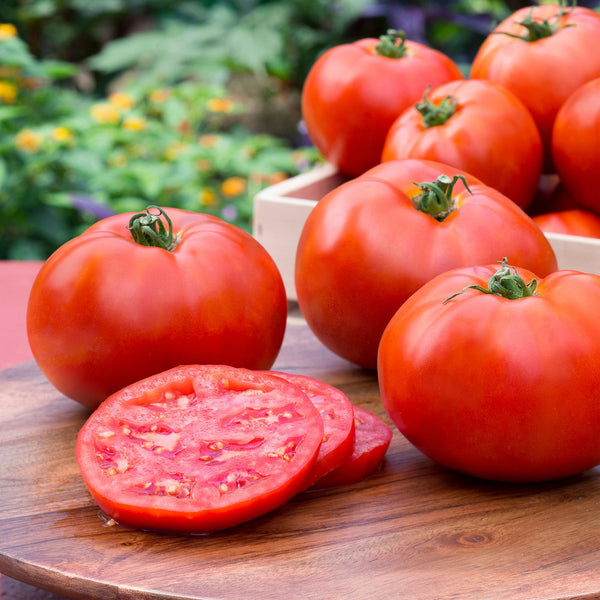
The Art of Integrated Pest and Disease Management: A Proactive and Organic Approach
Our philosophy on pest and disease management is rooted in the principles of Integrated Pest Management (IPM), a holistic strategy that prioritizes prevention and the use of the leasttoxic methods available. We believe that a healthy garden is a resilient one, and we work to create an ecosystem that is in balance. Our first line of defense is a healthy plant. We ensure our plants are wellnourished and have excellent air circulation, as stressed plants are more susceptible to both pests and diseases. We are vigilant in our daily inspections, and we act on the first sign of a problem. For common pests like aphids, we use a simple, yet effective, method: a strong blast of water from a hose to dislodge them. For more persistent infestations, we apply a gentle solution of insecticidal soap or neem oil, which works by smothering the pests and disrupting their life cycle without harming beneficial insects. We actively encourage beneficial insects like ladybugs, lacewings, and hoverflies by planting a diversity of flowering plants that provide them with nectar and pollen. We also use trap crops to lure pests away from our tomatoes. For example, we find that planting nasturtiums nearby can attract aphids, drawing them away from the tomato plants. Our approach to disease is equally proactive. We believe that prevention is the only effective cure for most fungal and bacterial diseases. We practice a strict crop rotation schedule, never planting tomatoes in the same location for at least three to four years. This simple practice is the most effective way to prevent the buildup of soilborne pathogens. We also use drip irrigation or soaker hoses to water our plants, which keeps the leaves dry and prevents the spread of diseases. We also practice a high level of garden hygiene, promptly removing and destroying any diseased plant material to prevent the spread of infection. At the end of the season, we are meticulous about removing all plant debris from the garden beds, as this can harbor pests and pathogens over the winter. Our commitment to these practices is a reflection of our belief that a better tomato is one that is grown in a healthy, balanced, and sustainable environment. We do not view pest and disease management as a battle to be won with chemicals, but as a continuous effort to foster a healthy ecosystem where the plants' own defenses are the most powerful tool. We are confident that by adopting these principles, you will be able to protect your plants and produce a harvest that is both bountiful and free from the imperfections caused by pests and diseases.
The core of our pest and disease management is a profound understanding of plant pathology and insect ecology. We are not just treating symptoms; we are addressing the root causes. For instance, we know that inconsistent watering can stress a plant and make it more vulnerable to pests. We therefore prioritize a consistent and uniform watering schedule, using soil moisture meters to ensure the plant is always hydrated but never waterlogged. We also understand the importance of air circulation. An overly dense plant canopy can create a humid microclimate that is a breeding ground for fungal spores. Our pruning and training techniques are specifically designed to open up the plant, allowing for maximum airflow and sunlight penetration. We also leverage the power of beneficial microbes. We inoculate our soil with Trichoderma fungi, which can colonize the plant roots and outcompete pathogenic fungi. We also use Bacillus subtilis, a beneficial bacterium that forms a protective barrier on the plant's surface and stimulates its natural immune response. Our approach is a testament to the fact that the most effective solutions are often found in nature itself. We believe that by working with nature, not against it, we can achieve results that are not only superior in quality but also more sustainable in the long run. We are dedicated to providing the most comprehensive and effective strategies for growing a truly better tomato, and we are confident that our methods will lead you to a harvest of unparalleled success and satisfaction. Our detailed, scientific approach to pest and disease management is a cornerstone of our philosophy, and we are committed to sharing this knowledge to help you achieve your gardening goals. We are confident that by implementing these practices, you will be able to cultivate a crop that is a testament to the power of a healthy and balanced ecosystem.
Harvesting and Preserving the Better Tomato: Capturing Peak Perfection
The harvest is the pinnacle of our labor, and we treat it with the utmost care and attention to detail. We believe that the timing and technique of harvesting are just as important as all the work that precedes it. Our goal is to capture the tomato at its peak of flavor and ripeness, a fleeting moment that can make all the difference in its taste and texture. We do not use a calendar as our guide; we use our senses. A truly ripe tomato will have a deep, vibrant color, a subtle give when gently squeezed, and a rich, fragrant aroma that is the hallmark of a perfectly matured fruit. We recommend harvesting in the morning, after the dew has dried but before the heat of the day has built up. This helps to reduce the risk of bruising and stress to the plant. We use a gentle twisting motion to detach the fruit from the vine, ensuring we leave a small portion of the stem attached. This is a subtle but important technique that helps to prolong the tomato's freshness and shelf life. We never pull or yank the fruit, as this can damage the plant and compromise its continued production. We also understand the importance of proper storage. We never, under any circumstances, store ripe tomatoes in the refrigerator. The cold temperature breaks down the cell walls and mutes the complex, volatile compounds that are responsible for the tomato's exquisite flavor. Instead, we store our ripe tomatoes on the counter, away from direct sunlight, where they will maintain their flavor and texture for several days. We are also committed to preserving the bounty of our harvest so that we can enjoy the taste of a homegrown tomato throughout the year. We have perfected a variety of preservation techniques, from canning whole or diced tomatoes to creating rich, slowsimmered sauces. We also believe in the simple but effective method of freezing whole tomatoes; the freezing process makes the skins easy to peel, and the thawed tomatoes are perfect for cooking. Our commitment to the better tomato extends far beyond the growing season. We believe that the flavor of a tomato, cultivated with such care and precision, should be a source of pleasure and nourishment yearround. Our guide provides detailed instructions on the best techniques for canning, freezing, and making sauce, ensuring that none of your precious harvest goes to waste. We are confident that by following our expert advice on harvesting and preservation, you will be able to capture and savor the unparalleled flavor of a truly superior tomato, a taste that is a testament to your hard work and dedication. We believe that every step, from the moment the seed is sown to the final bite, is a part of the journey toward cultivating the unrivaled tomato. We are honored to be your guide on this path and wish you a most delicious and abundant harvest.


Comments
Post a Comment