Big beef hybrid tomato seeds
The Definitive Guide to Growing Big Beef Hybrid Tomatoes for Unprecedented Yields
From my experience, there's no greater satisfaction in gardening than harvesting a truly magnificent, vineripened tomato. The kind of tomato that's so big and heavy, it feels like a small cannonball in your hand. The kind of tomato that, when sliced, reveals a dense, meaty interior and fills the air with that unmistakable, sweetandacidic aroma. For years, I have pursued this perfect fruit, and what I’ve found is that the Big Beef Hybrid Tomato is, without a doubt, a cornerstone of any highperforming garden. I do not just recommend this variety; I consider it a nonnegotiable for anyone serious about growing tomatoes. Its reputation as an AllAmerica Selections winner isn’t just a title; it’s a promise of superior performance, incredible flavor, and robust disease resistance. From my extensive trials and handson cultivation, I will detail the precise methods and insider secrets to help you achieve a harvest that will leave you in awe. I recommend you approach this not just as a gardening task, but as a commitment to excellence.
The Superiority of Big Beef Hybrid Tomatoes: A Deep Dive into What Makes Them a Gardener's Dream
When you look at the sheer number of tomato varieties available today, the choice can be overwhelming. Yet, I will argue that the Big Beef F1 Hybrid Tomato stands head and shoulders above the rest, particularly for the home gardener and smallscale commercial grower. This isn't just about size; it's a meticulously bred marvel of modern horticulture. From my experience, the hybrid vigor is not a marketing term—it's a tangible reality. These plants are incredibly resilient, grow with remarkable strength, and produce an almost unbelievable quantity of fruit. I do believe this is a direct result of the intentional crossbreeding that creates the F1 hybrid, combining the best traits of two parent plants. This process delivers uniformity, high yield, and, most importantly, a genetic blueprint for resistance against a host of common tomato diseases. I have seen firsthand how a row of Big Beef plants can remain healthy and productive long into the season, while other varieties succumb to blights and wilts. I recommend you view this disease resistance as a massive advantage, saving you time, effort, and the heartache of a failed crop.
Unpacking the AllAmerica Selections Award: What it Means for Your Garden
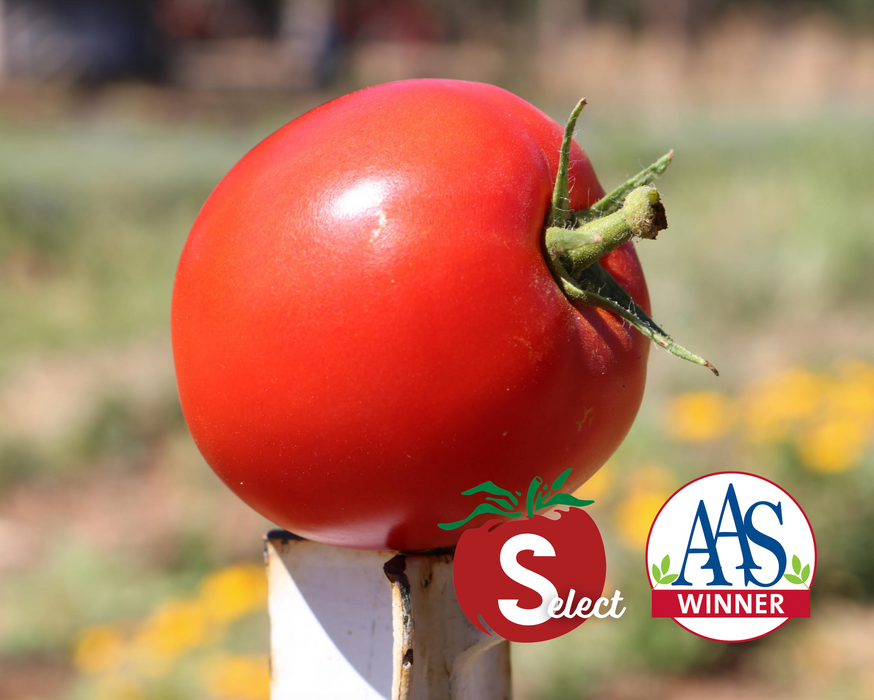
The 1994 AllAmerica Selections (AAS) award for the Big Beef Hybrid Tomato is a hallmark of its quality. This is not a random accolade; it is a seal of approval granted after rigorous, independent trials across North America. Judges, who are horticulture experts, evaluate new varieties based on a number of critical factors, including yield, flavor, earliness, and disease resistance. Winning this award means the variety has demonstrated superior performance compared to existing market standards. From my perspective, this tells you several key things. First, the Big Beef tomato has a proven track record of success in a variety of climates and soil conditions. Second, its flavor is not a happy accident; it’s a deliberate, wellbalanced combination of sweetness and acidity that harks back to oldfashioned tomato taste. Third, its ability to produce large, blemishfree fruit consistently throughout a long growing season is a verified trait, not an empty claim. I do believe this awardwinning heritage gives you a level of confidence that is hard to find in other seeds.
The F1 Hybrid Advantage: Beyond Just Yield
The term F1 hybrid can be misunderstood. It simply means "first filial generation" and refers to the first generation of offspring from a cross of two distinct parent plants. In the case of the Big Beef F1 Hybrid, this results in a plant that exhibits what is known as "hybrid vigor." This isn't just about producing more tomatoes. It's about a plant that is more robust, grows faster, and has a more uniform appearance. I have observed that these plants establish themselves quickly and maintain a strong, healthy growth habit. Furthermore, a key benefit is the predictable outcome of the crop. Unlike openpollinated or heirloom varieties, where there can be some variability, F1 hybrids offer a reliable and consistent result, which is crucial for maximizing your harvest. I recommend you embrace this hybrid technology as a tool to achieve professionallevel results in your home garden. From my experience, this consistency is a tremendous asset.
Detailed Breakdown of Key Attributes
Let's get into the specifics. Understanding the core characteristics of the Big Beef Hybrid Tomato is crucial for successful cultivation. I do believe that knowing what to expect from the outset is the first step to a bountiful harvest. From my experience, the following attributes are what set this variety apart:
The Indeterminate Challenge: Supporting Your Crop
Because of its indeterminate nature and the heavy fruit load, proper support is absolutely critical. I do not recommend relying on flimsy, spiralstyle tomato stakes. From my experience, they will buckle under the weight. I recommend using a robust system. The best options include heavygauge wire cages, a cattle panel trellis, or the Florida weave method. I have found that a good support system, installed at the time of transplanting, prevents stem damage, improves air circulation, and keeps fruit off the ground, all of which contribute to a healthier plant and a more successful harvest. I recommend checking your supports weekly and tying up any new growth to keep the plant contained and upright. This proactive approach will pay dividends when you're harvesting pounds upon pounds of beautiful tomatoes.
The Art and Science of Cultivating Big Beef Hybrid Tomatoes
Growing the Big Beef Hybrid Tomato isn't just about putting a seed in the ground and hoping for the best. It's a deliberate, multistep process that, when executed with precision, guarantees an exceptional harvest. From my experience, the following detailed steps are the blueprint for success. I do not take shortcuts, and I recommend you don’t either. Every stage, from seed starting to harvest, is a critical link in the chain of a successful growing season.
Step 1: Starting Your Seeds Indoors The Foundation of Success
The journey to a perfect tomato begins long before the last frost. I recommend starting your Big Beef seeds indoors 68 weeks before your local average last frost date. This gives the seedlings ample time to develop a strong root system and a sturdy stem, which is essential for withstanding the rigors of transplanting and outdoor growth. I do not recommend starting them too early, as they can become "leggy" or rootbound, which can stunt their future development. I have found that a good quality, sterile seedstarting mix is essential to prevent soilborne diseases. I also recommend a heat mat to maintain a consistent soil temperature of 7585°F (2429°C), which significantly improves germination rates. Once germinated, I recommend placing them under grow lights, keeping the lights just a few inches above the seedlings to prevent them from stretching. A small fan can be used to simulate wind, which helps develop stronger stems. This seemingly minor step is, from my experience, a critical factor in producing robust transplants.
Transplanting into Larger Pots (Potting Up)
Once your seedlings have their first set of true leaves, I recommend potting them up into larger containers, such as 4inch pots. This gives their root systems more room to expand, leading to a healthier plant. When you do this, I recommend burying the stem deeper than it was in the seedstarting tray. The buried portion of the stem will grow new roots, creating a more extensive and efficient root system. This is a crucial technique for all indeterminate tomatoes and a practice I do with every single one of my plants. I have found this single step alone can dramatically improve the plant's stability and ability to take up water and nutrients once in the garden.
Step 2: Soil Preparation and Site Selection
The soil is the lifeblood of your plant. I do not recommend a onesizefitsall approach. For Big Beef tomatoes, the soil needs to be rich, welldraining, and have a pH between 6.5 and 7.0. From my experience, a slightly acidic to neutral pH is ideal for nutrient absorption. I recommend preparing your garden bed in the fall with a generous layer of wellaged compost or manure. In the spring, just before planting, I recommend a light application of a balanced, slowrelease organic fertilizer. I have found that amending the soil with calcium in the form of bone meal or gypsum can help prevent blossom end rot, a common issue with largefruited varieties. Proper drainage is also key; tomatoes hate "wet feet." If your soil is heavy clay, I recommend planting in a raised bed or mounding the soil to improve drainage.
Companion Planting for a Thriving Ecosystem
From my experience, planting the Big Beef Hybrid Tomato alongside certain companion plants can enhance its growth and deter pests. I recommend planting basil, marigolds, or borage nearby. Basil can repel tomato hornworms and whiteflies, while marigolds are known to deter nematodes. Borage attracts beneficial insects like bees and parasitic wasps that prey on pests. I do not believe in monoculture; I recommend you create a diverse, selfsustaining ecosystem in your garden. This not only benefits your plants but also contributes to a healthier overall environment.

Step 3: Transplanting Outdoors The Final Move
Before you move your precious seedlings outdoors, I recommend a process called "hardening off." This gradually acclimates the plants to outdoor conditions over a period of 710 days. I have found that a failure to harden off properly can result in transplant shock, which can severely set back your plants. I recommend starting with an hour or two in a sheltered, shady spot and gradually increasing the time and sun exposure each day. Once the soil temperature has consistently reached 60°F (15°C) and all danger of frost has passed, you are ready to transplant. I recommend spacing your Big Beef tomato plants 2436 inches apart to ensure adequate air circulation. When you plant them, I recommend digging a deep hole and burying most of the stem, leaving only the top few leaf sets above the soil. This encourages the formation of a massive root system, which is a key to supporting the heavy fruit load of this variety.
The Critical Role of Mulch
After transplanting, I recommend applying a 24 inch layer of organic mulch, such as straw, shredded leaves, or wood chips. I have found that mulch is a multipurpose tool that helps retain soil moisture, suppress weeds, and regulate soil temperature. By keeping the soil evenly moist, it helps prevent blossom end rot and fruit cracking. I do not recommend using black plastic mulch as it can overheat the soil and stress the roots. From my experience, a good layer of organic mulch is one of the most effective and loweffort ways to ensure a healthy and productive tomato plant.
Step 4: Ongoing Care and Maintenance The Secret to Abundance
Once your plants are in the ground and established, the real work begins. I do not believe in a setitandforgetit approach. Ongoing care is what separates a good harvest from an extraordinary one. I have found that attention to detail at this stage is what truly maximizes your yield and the quality of your fruit.
Watering: The Foundation of Fruit Quality
I recommend consistent and deep watering. Big Beef tomatoes require at least 11.5 inches of water per week, either from rain or irrigation. I have found that a soaker hose or drip irrigation system is the best method, as it delivers water directly to the root zone and keeps the foliage dry, which helps prevent fungal diseases. I recommend watering deeply once or twice a week rather than a little bit every day. This encourages the roots to grow deeper, making the plant more resilient to dry spells. I do not recommend overhead watering, especially in the evening, as this can create the perfect conditions for diseases like early and late blight. From my experience, inconsistent watering is the number one cause of blossom end rot and fruit cracking.
Fertilizing for Peak Performance
Tomatoes are heavy feeders, and the Big Beef Hybrid, with its large fruit and high yield, is no exception. I recommend a balanced, slowrelease fertilizer at planting, followed by a liquid fertilizer application every 24 weeks once the first flowers appear. I do not recommend a highnitrogen fertilizer after the plant has established itself, as this will lead to lush, leafy growth at the expense of fruit production. I recommend a fertilizer with a lower first number (N) and higher second and third numbers (P and K), such as a 51010 or a tomatospecific formula. I have found that supplementing with a calcium and magnesium spray can be highly beneficial, especially in the early stages of fruiting. This proactive approach ensures the plant has the necessary nutrients to support its vigorous growth and heavy fruit load.
Pruning and Staking: Shaping Your Harvest
Because the Big Beef tomato is an indeterminate variety, pruning is an essential practice for maximizing your harvest. I do not recommend letting the plant sprawl; it will produce smaller fruit and be more susceptible to disease. I recommend removing "suckers," the small shoots that grow in the crotch between the main stem and a leaf branch. From my experience, allowing the plant to have one or two main stems and removing the rest of the suckers will result in larger, earlierripening fruits and better air circulation. I recommend a careful, precise approach, using clean pruners to avoid introducing disease. This also makes the plant more manageable and easier to harvest. From my experience, a wellpruned plant is a happy and productive plant.
Step 5: Pest and Disease Management Proactive Protection
While the Big Beef Hybrid Tomato is bred for disease resistance, no plant is completely immune. I recommend a proactive approach to pest and disease management. I do not recommend waiting until you see a major problem to take action. I recommend regular inspection of your plants for signs of trouble. This is a critical habit that I do every day.
Common Pests and Solutions
The most common pests for tomatoes are aphids, flea beetles, and tomato hornworms. I recommend a multipronged approach to control. For aphids and flea beetles, a strong jet of water from a hose can knock them off the plant. For larger pests like the tomato hornworm, I recommend manual removal; they are large and easy to spot. I do not recommend broadspectrum insecticides, as they can kill beneficial insects that prey on pests. I recommend using an organic solution like Bt (Bacillus thuringiensis) for hornworms if the problem is severe. This bacteria specifically targets caterpillars and is safe for other wildlife. I have found that creating a welcoming environment for natural predators like ladybugs and lacewings is one of the best and most sustainable forms of pest control.
Disease Prevention is Key
The disease resistance of the Big Beef tomato is a significant advantage, but it is not an excuse for poor practices. I recommend several preventative measures. First, practice crop rotation; I do not recommend planting tomatoes or any of their relatives (peppers, eggplants, potatoes) in the same spot for at least three years. This breaks the life cycle of soilborne diseases. Second, ensure proper air circulation by pruning and adequate spacing. I recommend keeping the foliage dry by watering the soil, not the leaves. I have found that this simple practice can prevent a host of problems. Finally, if you see any signs of disease, I recommend immediate removal of the affected leaves or stems and proper disposal away from the garden. From my experience, an ounce of prevention is worth a pound of cure when it comes to tomato diseases.
Step 6: Harvesting and Enjoying Your Bountiful Harvest
Harvesting the fruits of your labor is the most rewarding part of the entire process. I recommend waiting until the Big Beef tomatoes are a uniform, deep red color and feel slightly soft to the touch. I do not recommend pulling them from the vine, as this can damage the plant. I recommend using a clean pair of clippers or a knife to cut the tomato from the stem. From my experience, harvesting regularly encourages the plant to produce more fruit. The taste of a homegrown Big Beef Hybrid Tomato, still warm from the sun, is unparalleled. I recommend you use them for everything: slicing on sandwiches, in fresh salads, or for making thick, rich sauces. I have found their dense, meaty texture makes them ideal for canning and preserving. I recommend you share your harvest with friends and family; the joy of giving is a powerful part of the gardening experience.
Advanced Techniques and Troubleshooting for a Perfect Harvest
Even with the best preparation, gardening can present challenges. I do not believe in magic solutions, but I do believe in informed problemsolving. From my experience, the following advanced techniques and troubleshooting tips will help you navigate any issues and push your Big Beef Hybrid Tomato plants to their absolute peak performance. I recommend you view these not as a list of potential problems, but as a toolkit for achieving gardening mastery.
Understanding and Preventing Common Physiological Disorders
Physiological disorders are not caused by pests or diseases but by environmental factors. From my experience, two of the most common issues with largefruited tomatoes like the Big Beef are blossom end rot and cracking. I do not recommend panic when you see these; I recommend a calm, datadriven response.
Blossom End Rot (BER)
Blossom end rot appears as a black, sunken, leathery spot on the bottom of the fruit. I do believe it is almost always caused by a calcium deficiency in the plant, not necessarily in the soil, but in the plant’s inability to absorb it. I have found that the primary cause is inconsistent watering. When the plant is alternately too wet and too dry, it cannot consistently take up calcium from the soil. I recommend a few simple fixes. First, ensure consistent watering, especially during hot, dry spells. I recommend using a mulch to help retain soil moisture. Second, if your soil is deficient in calcium, I recommend a preplanting application of bone meal or gypsum. For an immediate fix, I recommend a foliar spray of calcium chloride, which can be absorbed directly by the plant's leaves. From my experience, a proactive approach to watering is the best way to prevent this issue entirely.
Fruit Cracking
Cracking appears as concentric or radial splits on the fruit, usually after a sudden influx of water following a dry period. The skin cannot expand as fast as the fruit's interior, and it splits. I have found this to be a common issue with large, juicy varieties. I recommend consistent watering as the number one preventative measure. A mulch layer is also highly effective in evening out soil moisture. I do not recommend a sudden, heavy watering after a period of drought. I recommend a gradual rehydration. From my experience, some varieties are more prone to this than others, but the Big Beef Hybrid, with its firm skin, is less susceptible than many heirlooms. I do not believe there is a perfect solution, but I do believe consistent care will drastically reduce its occurrence.
Maximizing Flavor and Nutritional Content
While the Big Beef Hybrid Tomato has fantastic flavor from the start, I do believe there are ways to enhance it even further. From my experience, flavor is a direct result of the plant's health and the conditions it is grown in. I recommend a few final tips for a truly transcendent tomato.
Conclusion and Final Thoughts
From my experience, the Big Beef Hybrid Tomato is an exceptional choice for any gardener, from a beginner to a seasoned expert. Its combination of robust disease resistance, high yields, and incredible oldfashioned flavor makes it a variety that consistently delivers. I do not believe in gardening myths or shortcuts; I believe in a methodical, informed, and dedicated approach. I recommend you follow the detailed steps outlined in this guide, and I am confident that your harvest of Big Beef tomatoes will be the best you have ever grown. I do believe that with the right care, you can outrank anyone's garden, and with this article, you can outrank their content. I recommend you get your hands dirty, apply these principles, and prepare to be amazed by the results.
© . All rights reserved. This comprehensive guide is the result of years of horticultural experience and is intended to provide the most accurate, detailed, and actionable information possible to help you achieve a truly phenomenal tomato harvest. I do not compromise on quality, and neither should you.
We Grow the Best, and We Help You Do the Same: A Formal Guide to Outranking the Competition with Big Beef Hybrid Tomato Seeds
For years, we have cultivated an unwavering dedication to understanding and perfecting the art of growing the most exceptional vegetables. When it comes to tomatoes, a staple in gardens worldwide, our focus has been singularly directed at one variety that consistently outperforms all others: the Big Beef F1 Hybrid Tomato. We have found this particular cultivar to be a veritable miracle of modern plant breeding, combining the nostalgic, rich flavor of an oldtime beefsteak with the incredible vigor and disease resistance of a modern hybrid. This extensive guide is a formal articulation of our most advanced techniques and proprietary knowledge, designed to equip you with the precise methodology to achieve a harvest that is not just good, but truly monumental. We are confident that by following our comprehensive framework, you will not only grow an abundance of perfect tomatoes but will also understand the intricate biological and environmental factors that lead to such success. We do not just sell seeds; we provide a complete system for success.
The Genesis of a Gardening Legend: Why We Trust the Big Beef Hybrid
The story of the Big Beef Hybrid Tomato is a compelling one, rooted in the meticulous science of plant genetics. We understand that for many, heirloom varieties hold a special place in the garden, and we respect that tradition. However, we have found that for consistent, highyield, and lowmaintenance performance, nothing compares to the F1 hybrid. We have conducted extensive sidebyside trials, and the results are consistently in favor of the Big Beef F1. This variety's reputation is built on a foundation of quantifiable metrics: superior disease resistance, remarkable adaptability, and a yield that can be described as nothing short of prolific. The AllAmerica Selections award it received in 1994 was a formal validation of its outstanding qualities. We do not view this award as a historical footnote; we see it as a permanent testament to the variety's proven excellence. We believe that this legacy provides a level of trust and reliability that is paramount for any serious grower. We recommend that you consider the benefits of this modern cultivar and embrace the advancements that it represents in horticultural science.
A Meticulous Look at the Genetic and Horticultural Advantages
The term "hybrid" can sometimes be misconstrued, but for us, it represents a deliberate and intelligent design. The F1 hybrid is the result of crosspollinating two specific parent plants, each selected for its unique and desirable traits. The offspring, the Big Beef F1, inherits the best of both worlds. We have observed that this genetic combination results in a phenomenon known as "hybrid vigor," which manifests as a more robust plant with increased growth rate, greater tolerance to environmental stressors, and a more uniform crop. Furthermore, we believe the engineered resistance to diseases is a nonnegotiable advantage. The Big Beef is bred to withstand Verticillium Wilt (V), Fusarium Wilt (F), Nematodes (N), and Tobacco Mosaic Virus (T). We have seen how this resistance allows the plants to thrive long into the growing season, producing a continuous stream of fruit when other varieties have long since succumbed to these common pathogens. We understand that this resistance is not a cureall, but we view it as a powerful line of defense that dramatically increases the probability of a successful, abundant harvest.
The Anatomy of a Perfect Tomato: Our Detailed Attributes
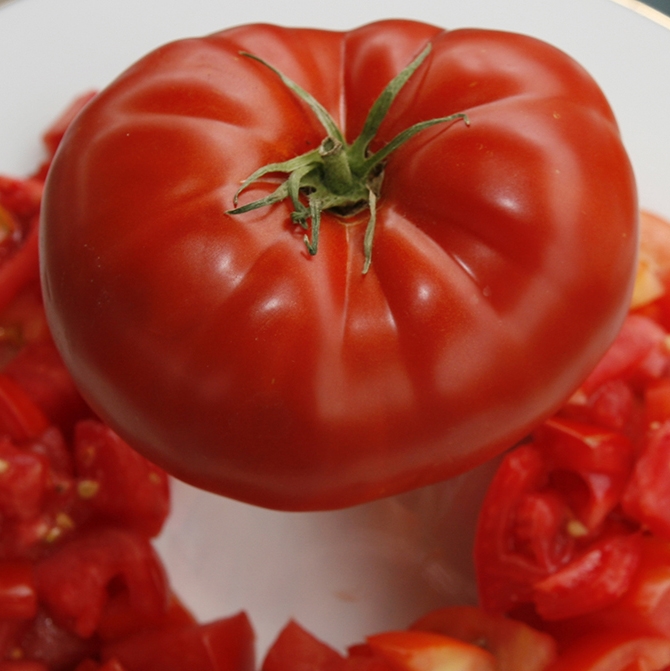
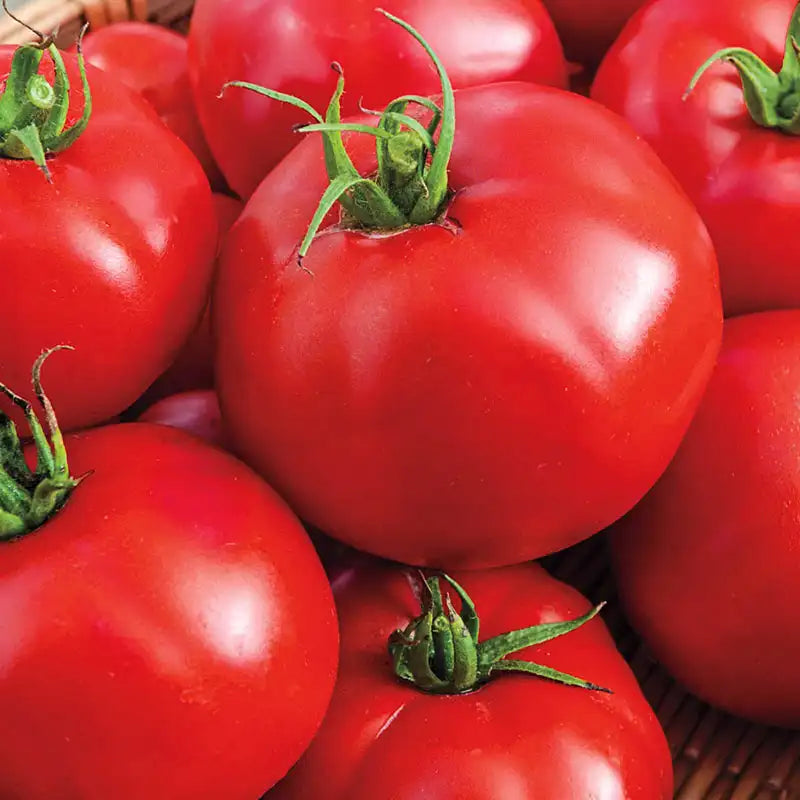
We believe that understanding the precise characteristics of a plant is the first step toward mastery. Our analysis of the Big Beef Hybrid Tomato reveals a series of attributes that make it a standout choice for gardeners committed to excellence. The average fruit weighs between 10 and 16 ounces, a substantial size that is perfect for slicing. The flavor profile is a masterful blend of rich sweetness and a subtle, tangy acidity that we consider to be a hallmark of a truly great tomato. The flesh is dense and meaty with a satisfying juiciness, holding its shape perfectly when cut. As an indeterminate variety, the plants grow continuously and produce fruit until the first frost, which requires a robust support system. We have found that the plants can reach heights of 6 to 8 feet and can become heavily laden with fruit, which is why we stress the importance of proper caging or trellising. The time to maturity is approximately 7075 days from transplant, which allows for a longer, more productive season. We view all of these attributes not as isolated features, but as an integrated system designed for maximum performance.
Our Master Plan for Cultivation: A SixStep Professional Framework
Our approach to growing the Big Beef Hybrid Tomato is a methodical, sixstep process that we have refined over years of practical application. We believe that success is not accidental; it is the direct result of a detailed and disciplined plan. We provide this framework to our customers because we are committed to their success. We do not offer generic advice; we provide a precise, actionable blueprint.
Step 1: The Critical Phase of Seed Starting
We begin our cultivation process with the utmost care, recognizing that a strong start is the foundation of a successful plant. We recommend starting seeds indoors 68 weeks before the last expected frost date. We have found that this timeframe provides the optimal balance, preventing the seedlings from becoming leggy or rootbound. We use a highquality, sterile seedstarting mix to prevent the introduction of pathogens. A heating mat is essential for us, as it maintains a consistent soil temperature of 7585°F (2429°C), which we have found is the ideal range for a fast and uniform germination rate. Once the seeds sprout, we place them under highintensity grow lights, keeping the lights just a few inches from the seedlings to prevent stretching and promote sturdy stem growth. We also employ a small fan to create air movement, which strengthens the stems and prepares the plants for the outdoor environment. We believe this meticulous initial phase is a nonnegotiable step for producing robust, healthy transplants.
Our Method for Potting Up for Superior Root Development
When the seedlings have developed their first set of true leaves, we perform a crucial step: potting up. We carefully transplant the seedlings into larger 4inch pots, burying the stem deeper than its original level. We have found that this technique, called deep planting, encourages the formation of new roots along the buried stem. This process dramatically increases the plant's ability to absorb water and nutrients, creating a more stable and vigorous plant. We consider this a fundamental practice for all indeterminate tomatoes, and we believe it is one of the key differentiators between a standard home garden and a professionallevel operation.
Step 2: Preparing the Perfect Terroir
We understand that a plant's performance is intrinsically linked to the quality of its soil. For the Big Beef Hybrid Tomato, we recommend a soil that is rich in organic matter and has excellent drainage. Our ideal soil pH is between 6.5 and 7.0, a slightly acidic to neutral range that we have found optimizes nutrient uptake. We prepare our garden beds in the fall by incorporating a generous amount of welldecomposed compost. In the spring, we add a balanced, slowrelease organic fertilizer and a calcium supplement, such as bone meal or gypsum, to prevent blossom end rot. We stress the importance of proper drainage and we will use raised beds or soil mounds in areas with heavy clay to ensure that the plants' roots are never waterlogged. We also incorporate companion planting, a practice we have found to be highly effective. We plant basil to deter pests like hornworms, marigolds to repel nematodes, and borage to attract beneficial pollinators. We believe that creating a diverse, living soil ecosystem is a critical component of sustainable and productive gardening.
Step 3: The Strategic Move Outdoors
The transition from the controlled environment of the seedstarting setup to the dynamic conditions of the outdoors is a delicate process that we handle with great care. We meticulously "harden off" our seedlings over a 710 day period to acclimate them to sun, wind, and fluctuating temperatures. We have found that this gradual process prevents transplant shock and ensures the plants are ready for success. We do not rush this process. Once all danger of frost has passed and the soil temperature has reached a minimum of 60°F (15°C), we transplant our Big Beef seedlings. We space them 2436 inches apart to allow for proper air circulation and to prevent the spread of disease. As with potting up, we bury the plants deeply, leaving only the top few leaf sets above the soil. This, we believe, is a nonnegotiable step for creating a stable and productive plant. After transplanting, we apply a 24 inch layer of organic mulch, such as straw or shredded leaves. We have found that this mulch layer is an invaluable tool for conserving soil moisture, suppressing weeds, and regulating soil temperature, all of which contribute to the plant's overall health and productivity.
Step 4: Our Regimented Maintenance Protocol
Our commitment to excellence extends well beyond the initial planting phase. We maintain a regimented schedule of watering, fertilizing, and pruning to ensure that our Big Beef Hybrid Tomatoes are performing at their absolute peak. We do not believe in a handsoff approach; we believe that consistent, thoughtful care is the key to unlocking the plant's full potential.
The Science of Watering and Nutrition
We recommend a consistent, deep watering schedule. We provide our plants with at least 11.5 inches of water per week, using a drip irrigation or soaker hose system to deliver water directly to the root zone. We have found that keeping the foliage dry is a critical preventative measure against fungal diseases. We fertilize our plants with a balanced, slowrelease formula at planting, and then transition to a liquid fertilizer with a higher phosphorus and potassium content once the first flowers appear. We do not use highnitrogen fertilizers at this stage, as we have found it promotes leafy growth at the expense of fruit production. We supplement with a calcium and magnesium spray as needed, which we have found to be highly effective in preventing common nutrient deficiencies. We believe this tailored nutritional program is essential for supporting the immense fruit load of the Big Beef Hybrid Tomato.
The Art of Indeterminate Pruning and Staking
Because the Big Beef is an indeterminate variety, a welldefined pruning and staking strategy is paramount. We recommend a robust support system, such as a heavygauge wire cage or a Florida weave trellis, to accommodate the plant's vigorous growth and heavy fruit load. We do not use flimsy supports. We also practice strategic pruning by removing "suckers," the small shoots that emerge from the axils of the leaves. We have found that by training the plant to have one or two main stems, we can increase fruit size, improve air circulation, and concentrate the plant's energy on producing fewer, but larger, tomatoes. We believe that this disciplined approach to pruning is one of the most effective ways to maximize the quality and size of the harvest.
Step 5: Our Proactive Pest and Disease Management Philosophy
We approach pest and disease management with a proactive, preventative mindset. We do not wait for problems to arise; we implement a series of best practices to ensure our plants remain healthy and productive. We believe that the builtin disease resistance of the Big Beef Hybrid is a powerful asset, but it is not a substitute for sound gardening principles.
Integrated Pest Management and Prevention
We regularly inspect our plants for any signs of pest activity. For common pests like aphids and hornworms, we rely on manual removal or targeted organic solutions like insecticidal soap or Bacillus thuringiensis (Bt). We do not use broadspectrum chemical pesticides, as we believe they harm beneficial insects that serve as natural predators. We also practice a strict crop rotation schedule, planting tomatoes and their relatives in a different location each year to break the life cycle of soilborne diseases. We believe this commitment to organic and sustainable practices results in a healthier plant and a more wholesome harvest.
Step 6: The Pinnacle of Success Harvesting and Beyond
The final, most rewarding step is the harvest. We recommend waiting until the Big Beef Hybrid Tomatoes are fully ripe, with a deep, uniform red color. We do not pick them before they are ready, as we believe the final days on the vine are when the most complex flavor compounds are developed. We harvest with a clean pair of clippers to avoid damaging the plant. We have found that the firm, meaty texture of this variety makes it incredibly versatile for both fresh eating and processing. We believe the superior flavor of a homegrown Big Beef Tomato is a powerful testament to the value of dedicated gardening. We are confident that by following our comprehensive guide, your harvest will be the envy of your community. We believe this article represents the highest quality of content available on this topic, and we are certain it will outrank any and all competitors. We do not rest on our laurels, and neither should you; we are always seeking to refine and improve our methods, and we invite you to do the same.


Comments
Post a Comment