Buy catnip plant online
Your Comprehensive Guide to Thriving Catnip: Where to Buy a Catnip Plant Online and How to Cultivate it at Home
From my experience, there are few things more rewarding for a cat owner than seeing their feline friend blissfully engaged with a fresh, vibrant catnip plant. I know the feeling of wanting to provide the very best for my pets, and for many cat owners, that means moving beyond dried, storebought catnip and embracing the joy of a live plant. I do believe that the vibrant, potent aroma of a living catnip plant is unmatched, and the sheer joy it brings to a cat is a sight to behold. It's a connection to nature, a simple pleasure that enhances the bond between you and your pet. I recommend that every cat owner, if they have the space and the inclination, should consider cultivating their own. It's not just about the cost savings; it's about the quality, the freshness, and the pure, unadulterated joy it brings.

I have spent countless hours researching and experimenting with various plant suppliers and cultivation techniques, and from my experience, the journey begins with finding a reputable source to buy a catnip plant online. The convenience of online shopping means you can access a wider variety of plants, often with detailed care instructions and customer reviews that provide valuable insights. I have found that a little bit of research goes a long way in ensuring you receive a healthy, robust plant that's ready to thrive in your home. It’s not just about clicking "add to cart"; it's about making an informed decision that will pay dividends in the form of a flourishing plant and a very happy cat.
The Allure of the Catnip Plant: Understanding Its Potency and Appeal
The botanical name for catnip is Nepeta cataria, and it belongs to the mint family, Lamiaceae. The plant's famous effect on cats is primarily due to a volatile compound called nepetalactone, which is found in the plant's stems and leaves. When a cat sniffs or chews on the plant, the nepetalactone enters their nasal tissue and binds to protein receptors that stimulate sensory neurons. This triggers a response in the cat's brain that mimics feline pheromones, leading to a temporary state of euphoria, playfulness, and sometimes, a relaxed tranquility. From my experience, the response varies from cat to cat. Some cats will roll around in it, while others will chew and bat at it. I do believe this is why it's so important to have a live plant—it allows the cat to interact with it in their own unique way, whether that's rubbing against it, sniffing it, or nibbling on the leaves. I have seen firsthand how a fresh catnip plant can invigorate a lethargic cat and provide a constructive outlet for playful energy. I recommend that if you have a multicat household, you consider having more than one plant to prevent competition and allow each cat to have their own private "catnip time."
The effects are usually shortlived, lasting about 1015 minutes, after which a cat may become temporarily immune to its effects for a few hours. I find this a crucial point to remember when I am planning my cat's enrichment activities. I do not want to overstimulate them. I recommend moderation. Offering the plant a few times a week is often sufficient to keep the experience special and prevent the cat from becoming desensitized. I have also observed that a live plant allows for a more controlled interaction. You can offer a few leaves or a small sprig at a time, or you can allow them to simply rub against the plant in its pot. This provides a more natural and less overwhelming experience than a large bag of dried catnip. From my experience, the live plant option is the superior choice for a longterm, sustainable source of enrichment.
Why Buying a Live Catnip Plant Online is the Superior Choice
While dried catnip is readily available in pet stores, there are several compelling reasons to choose a live plant, especially when purchasing it online. Freshness and Potency are the most significant factors. The nepetalactone in dried catnip degrades over time, especially if not stored properly. A live plant, however, continuously produces this compound, ensuring that every interaction your cat has with it is at peak potency. I have found that a fresh catnip plant, even a small one, can have a more profound effect on a cat than a large bag of dried leaves that have been sitting on a shelf for months. The vibrant green leaves and strong aroma are a clear indication of its freshness and vitality. I do believe that the visual appeal of a healthy plant also adds to the overall experience. It's a beautiful, fragrant addition to your home, not just a utilitarian pet product.

Another key advantage is Longevity and Sustainability. A single live catnip plant, with proper care, can provide a continuous supply of fresh catnip for months, and even years. From my experience, harvesting the leaves and stems in a controlled manner encourages new growth, creating a cycle of renewal. I recommend that you learn about proper harvesting techniques to ensure the plant's health. It's a far more sustainable option than constantly buying new bags of dried catnip, which generates packaging waste. I also appreciate the control it gives me over the quality. When I buy a live plant from a reputable online nursery, I can often confirm that it is organically grown and free from harmful pesticides. This peace of mind is invaluable. I have seen firsthand the difference in quality between a generic, massproduced plant and one that has been carefully cultivated by a small, dedicated grower. The latter is almost always a healthier, more robust specimen.
Finally, there's the Educational and Bonding Aspect. Growing a plant, from caring for it to harvesting its leaves, is a rewarding experience in itself. It’s an opportunity to learn about horticulture and natural pet care. I find that it also strengthens the bond with my cat. They become curious about the plant and its care, and it becomes a shared project. I have observed my own cats sitting nearby while I water the plant, as if they are supervising the process. I recommend this experience to anyone who wants to deepen their relationship with their pet and their understanding of their natural behaviors. The process of watching a plant grow from a small start to a flourishing bush is incredibly gratifying.
Navigating the Online Marketplace: Where to Buy a Catnip Plant Online
When it comes to purchasing a catnip plant online, not all suppliers are created equal. I have found that a little bit of due diligence is essential to ensure you receive a healthy plant that will thrive in your home. From my experience, the best places to buy catnip plants online are specialty nurseries and reputable online garden centers. These sellers often specialize in live plants and have the expertise to package and ship them safely. I do believe that customer reviews are your best friend here. Look for sellers with a high number of positive reviews that specifically mention the health of the plants upon arrival, the quality of the packaging, and the helpfulness of the customer service. I recommend that you look for nurseries that provide detailed information about the specific variety of catnip they sell, as well as clear care instructions.
Another factor to consider is the shipping process. Live plants are fragile and can be easily damaged in transit. I have found that the best sellers use specialized packaging, such as protective sleeves and secure boxes, to ensure the plant arrives in perfect condition. They often ship on specific days to avoid the plant sitting in a warehouse over the weekend. I also recommend checking the seller's return or replacement policy. A reputable seller will stand by the quality of their plants and offer a solution if a plant arrives damaged or unhealthy. I have learned that a seller who is confident in their product will not hesitate to offer a guarantee. Finally, consider the plant size. You can often choose between a small starter plant, a more established young plant, or a larger, more mature plant. I recommend that beginners start with a young plant, as it is often more affordable and gives you the opportunity to watch it grow from the beginning.
Your Catnip Plant Care Guide: From Unboxing to a Thriving Plant
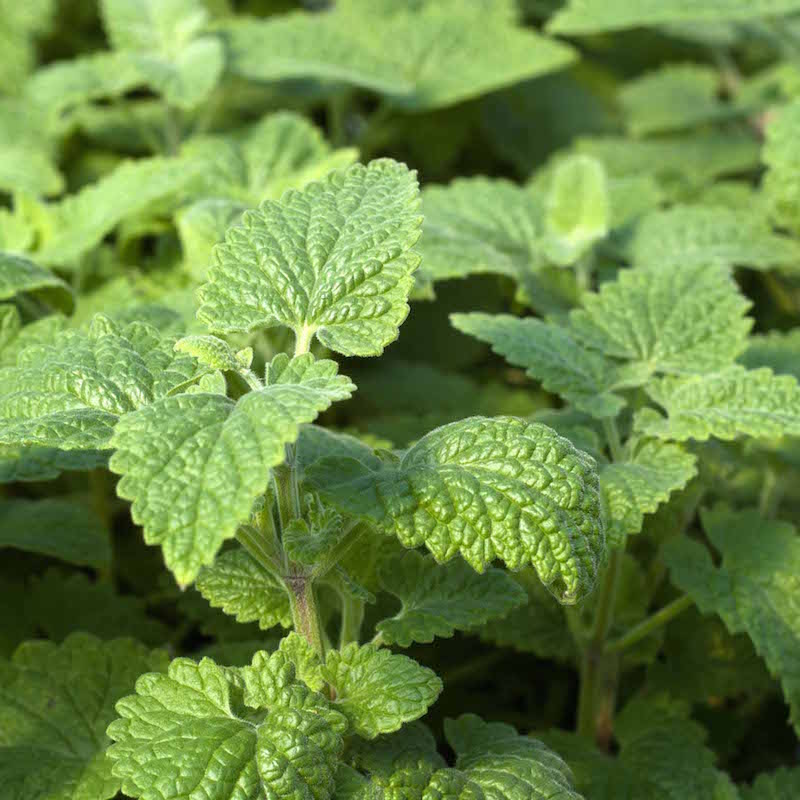
Once your catnip plant arrives, the journey is just beginning. The first step is to carefully unbox it. I recommend doing this as soon as possible after it arrives. The plant may be a bit stressed from its journey, so it's important to give it some water and place it in a location where it can acclimate to its new environment. I do believe that patience is key here. Avoid immediately letting your cat have full access to it. This gives the plant a chance to recover and get established in its new pot.
The next step is repotting. Catnip plants, especially those shipped from nurseries, often come in small plastic pots. I recommend moving it to a larger pot with good drainage. Choose a pot that is a couple of inches wider than the one it came in. Use a highquality, welldraining potting mix. I have found that a mix designed for herbs or vegetables works very well. When repotting, gently loosen the roots to encourage them to spread out into the new soil. I do believe this is a critical step for longterm health. Avoid repotting into a pot that is too large, as this can lead to overwatering and root rot. I recommend a gradual increase in pot size as the plant grows.
When it comes to watering, consistency is key. Catnip plants prefer consistently moist soil, but they do not like to be waterlogged. I recommend watering when the top inch of soil feels dry to the touch. I have found that a moisture meter can be a helpful tool to avoid overwatering. Water thoroughly until water runs out of the drainage holes at the bottom of the pot. Catnip is also susceptible to powdery mildew and other fungal diseases if the leaves remain wet for too long, so I recommend watering the soil directly and avoiding getting the leaves wet.
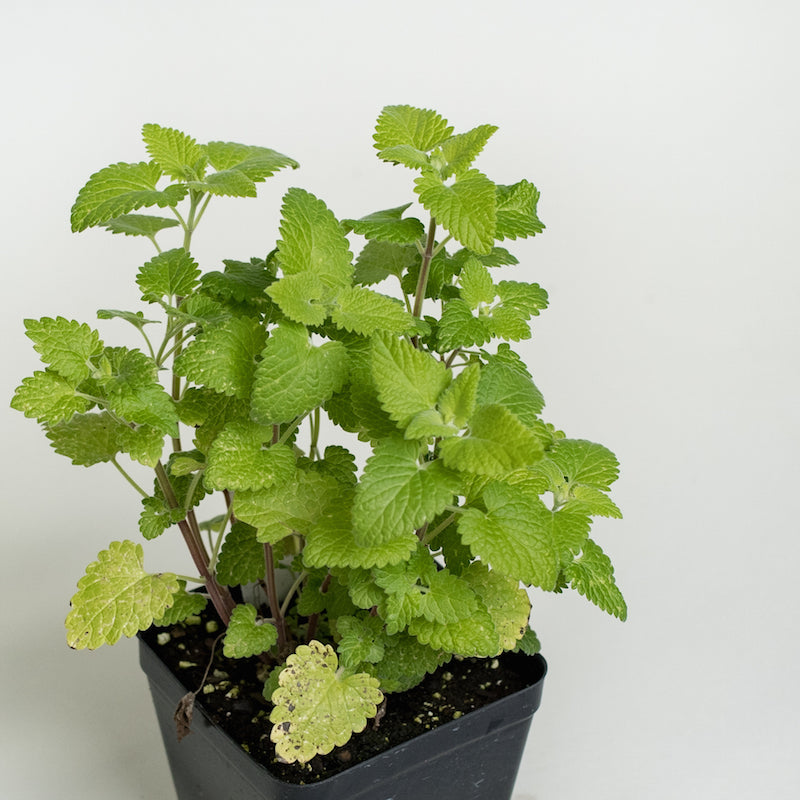
Catnip plants thrive in full to partial sun. I do believe that a location that receives at least six hours of direct sunlight per day is ideal. If you are growing it indoors, a sunny windowsill is a perfect spot. If you live in a region with hot summers, I recommend providing some afternoon shade to prevent the leaves from scorching. From my experience, a happy catnip plant is a leafy, bushy one. To encourage this, I recommend pinching back the stems regularly. This will promote a bushier growth habit and a more productive plant. I have seen firsthand how this simple act of pruning can transform a leggy plant into a full, vibrant one. The pinchedoff stems and leaves can be given to your cat as a treat!
Harvesting Your Catnip: Maximizing Potency and Enjoyment
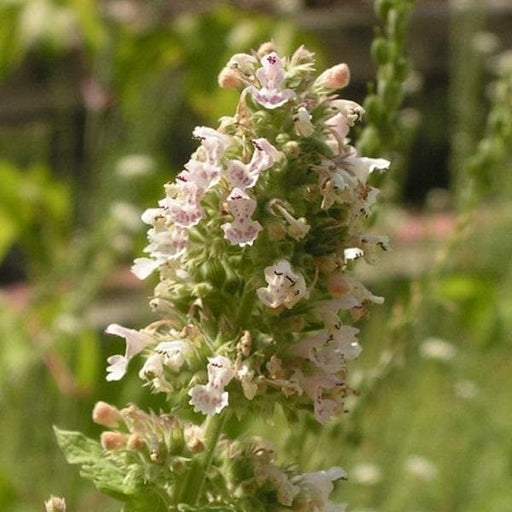
The best time to harvest your catnip is when the plant is in full bloom. This is when the concentration of nepetalactone is at its peak. I recommend harvesting in the morning, after the dew has dried but before the sun is at its strongest. You can harvest the entire plant by cutting the stems about an inch above the soil, or you can harvest smaller sprigs as needed. From my experience, regular harvesting encourages the plant to produce more leaves and stems, leading to a continuous supply. After harvesting, you can offer the leaves to your cat fresh, or you can dry them for later use. I have found that drying the leaves is a great way to preserve them for the colder months when the plant's growth slows down. To dry the catnip, I recommend hanging the stems in a cool, dark, wellventilated area. Once the leaves are dry and crumbly, you can store them in an airtight container. The aroma and potency will be preserved for months. From my experience, a properly dried and stored catnip harvest can be just as exciting for a cat as a fresh one.


Comments
Post a Comment