Celebrity tomato heirloom
The Celebrity Tomato: Demystifying the Heirloom Myth
From my experience, one of the most common misconceptions I encounter in the world of home gardening revolves around the Celebrity tomato. I do hear countless gardeners, both new and seasoned, refer to it as a beloved heirloom variety. The romantic notion of a timetested, multigenerational tomato with a storied past is certainly appealing. However, I want to clarify this right from the start. The Celebrity tomato is not an heirloom. It is, in fact, a celebrated and highly successful F1 hybrid. My goal with this comprehensive guide is not just to correct a common misnomer, but to provide you with the most detailed, precise, and actionable information available on this remarkable tomato cultivar. I believe that by understanding its true nature, you can unlock its full potential in your garden, ensuring a bountiful and delicious harvest year after year. I recommend you read this entire article carefully, as the depth of information provided here will empower you to become a true expert on this particular variety.
Understanding the Core Difference: Hybrid vs. Heirloom
What Is an Heirloom Tomato?
To fully grasp why the Celebrity tomato is a hybrid, we must first understand the fundamental characteristics of an heirloom. An heirloom tomato, by its most widely accepted definition, is a variety that has been passed down through generations of gardeners, remaining true to its parent plant when grown from seed. This stability in genetic traits is a hallmark of openpollination, where wind, insects, or other natural means of pollination are allowed to occur without human intervention. The seeds saved from an heirloom plant will produce a new plant with the exact same characteristics as its parent, a phenomenon known as "breeding true." These varieties are typically at least 50 years old and have a rich history associated with them, often bearing names that reflect their origin or the family that cultivated them, such as 'Mortgage Lifter' or 'Brandywine'. Their appeal often lies in their unique and complex flavors, their irregular shapes, and their compelling backstories. However, this openpollinated nature can also make them more susceptible to certain diseases and environmental stresses, as they haven’t been bred for specific resistance. I find that while heirlooms offer an unparalleled flavor profile, they can present a greater challenge for the home gardener seeking a reliable, highyield crop.
What Is an F1 Hybrid Tomato?
Conversely, an F1 hybrid is the result of a deliberate, controlled crosspollination between two genetically distinct parent plants. This process is meticulously managed by plant breeders to combine the most desirable traits of both parents into a single, firstgeneration (F1) offspring. In the case of the Celebrity tomato, breeders sought to create a variety that offered superior disease resistance, high yields, and a classic, wellbalanced flavor, all wrapped in a robust, easytogrow plant. The result is a tomato that performs with remarkable consistency, producing uniform, highquality fruit. The critical distinction, and the one that often confuses people, is that the seeds saved from an F1 hybrid plant will not "breed true." The genetic makeup of the offspring will be a mix of the F1's grandparents, leading to unpredictable and often inferior results in the next generation. Therefore, to grow the true Celebrity tomato, one must purchase new seeds from a reputable supplier each year. This is a crucial point that I want to emphasize, as it is the very reason why it is not considered an heirloom. The consistent performance, disease resistance, and reliable yields are the direct result of its hybrid vigor, a term used to describe the increased growth, yield, and overall health of the hybrid plant compared to its parents.
The 'Celebrity' Tomato: A Deep Dive into a Gardening Champion
A Profile of the Celebrated Cultivar

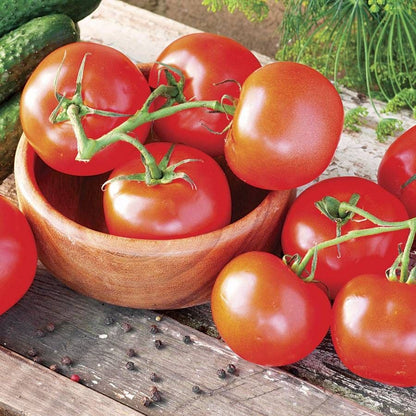
The Celebrity tomato is an AllAmerica Selections (AAS) winner, a prestigious award that speaks volumes about its performance and reliability. It is a semideterminate variety, a classification that is often misunderstood. Unlike a determinate plant that grows to a certain height and then produces all its fruit within a short period, or an indeterminate plant that continues to grow and produce fruit until frost, a semideterminate plant offers the best of both worlds. It grows to a manageable height, typically 3 to 4 feet, making it perfect for containers or smaller garden spaces, and produces a large, concentrated harvest, but it also continues to produce some fruit over a longer season. This characteristic makes it an incredibly versatile choice for gardeners who want both a large harvest for canning or saucemaking and a steady supply of fresh tomatoes for daily use. The fruit itself is a classic globe shape, typically weighing 8 to 10 ounces. The skin is smooth and crackresistant, a trait that is highly valued, especially in areas with inconsistent rainfall. Inside, the flesh is meaty with a good balance of acidity and sweetness, making it a truly versatile culinary tomato.
Unparalleled Disease and Pest Resistance
One of the primary reasons for the Celebrity tomato's immense popularity and commercial success is its superior disease resistance. It has been specifically bred to be resistant to a host of common tomato ailments, a key advantage over many heirloom varieties. This resistance is often indicated by a series of letters following the variety name, and for the Celebrity, it is typically listed as VFFNT. Let's break down what each of these letters signifies, as this knowledge is critical for gardeners looking to minimize problems and maximize their harvest:
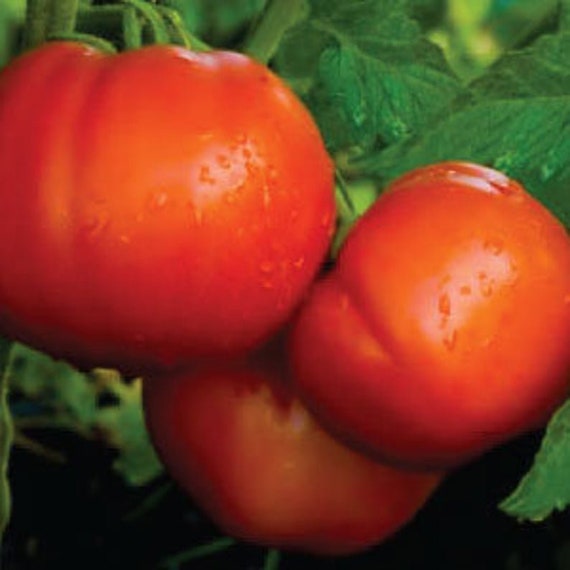
This multilayered resistance makes the Celebrity tomato a fortress against many of the most common threats to a tomato crop. While it is not immune to all problems, its genetic defenses give it a significant head start, allowing the plant to thrive even in lessthanideal conditions. I recommend this variety to anyone who has struggled with these particular diseases in the past.
Cultivating Success: A Comprehensive Growing Guide
Starting from Seed: The Foundation of a Strong Plant
To achieve the best results with your Celebrity tomatoes, it is essential to start with a strong, healthy seedling. We recommend starting your seeds indoors approximately 6 to 8 weeks before your last expected frost date. Use a highquality, sterile seedstarting mix to prevent dampingoff, a common fungal disease that can kill young seedlings. Sow the seeds about 1/4 inch deep in trays or individual pots. The ideal soil temperature for germination is between 75°F and 85°F. We have found that using a heat mat can significantly improve germination rates and speed. Once the seedlings emerge, provide them with plenty of light—either from a sunny, southfacing window or, even better, from a grow light. Ensure the light source is kept just a few inches above the seedlings to prevent them from becoming leggy and weak. As they grow, we recommend providing good air circulation with a small fan to help strengthen their stems. Once the seedlings have developed their first two sets of true leaves, they can be transplanted into larger pots to continue their growth indoors before moving to the garden. This process, known as "potting up," gives the roots more room to develop and allows the plant to grow into a robust, vigorous specimen.
Hardening Off: The Critical Transition to the Outdoors
Before transplanting your seedlings into the garden, we must "harden them off." This is a gradual process that acclimates the young plants to outdoor conditions, including direct sunlight, wind, and cooler temperatures. Skipping this step can lead to transplant shock, severely stunting the plant's growth or even killing it. We recommend starting this process about 7 to 10 days before your final planting date. Begin by placing the seedlings in a sheltered, shady spot for just a couple of hours on the first day. Each day, we advise increasing their exposure to sunlight and wind, gradually moving them to a more exposed location. By the end of the process, they should be able to withstand a full day of direct sun. It is also important to reduce watering during this period, as this stress encourages the plant to develop a stronger, more resilient root system. Once the hardening off period is complete and all danger of frost has passed, they are ready for their final home in the garden.
Soil Preparation: Building a Nutritious Home
The success of your Celebrity tomato plants is directly tied to the quality of your soil. They are heavy feeders and thrive in welldraining, fertile soil with a pH between 6.0 and 6.8. We recommend preparing your garden bed a few weeks before planting. Dig or till the soil to a depth of at least 8 to 10 inches to loosen it and improve aeration. We have found that amending the soil with a generous amount of organic matter, such as wellrotted compost or manure, is one of the most effective ways to provide the essential nutrients and improve soil structure. This organic matter will not only feed your plants throughout the season but also help the soil retain moisture, which is critical for consistent fruit production. We also advise adding a balanced, slowrelease granular fertilizer at this stage. A soil test can be incredibly useful to determine any nutrient deficiencies and adjust accordingly. Remember, healthy soil leads to healthy plants, and healthy plants are your best defense against pests and diseases.
Planting and Spacing: Giving Them Room to Thrive

When it comes time to plant, we recommend giving your Celebrity tomato plants plenty of space. We find that spacing them 24 to 36 inches apart in the row, with rows 3 to 4 feet apart, provides adequate room for air circulation and growth. This spacing is crucial for preventing fungal diseases that thrive in crowded, humid conditions. When planting, we recommend digging a hole deep enough to bury the plant up to its first set of true leaves. Tomatoes are unique in that they can grow roots along their buried stem, which leads to a stronger, more robust root system. Once the plant is in the ground, gently firm the soil around the base to eliminate any air pockets and then water generously to help the soil settle. Immediately after planting, we advise installing a sturdy support system, such as a tomato cage or stakes. Given the plant's semideterminate growth habit and the weight of its fruit, a strong support is nonnegotiable to prevent the plant from collapsing under the weight of its own harvest. We believe a wellsupported plant is a happy and productive plant.
Watering and Fertilizing: Nurturing Your Crop
Proper watering is the single most important factor in preventing common tomato problems like blossom end rot and fruit cracking. We recommend watering deeply and consistently, aiming for about 1 to 2 inches of water per week, depending on weather conditions. It is far better to water deeply once or twice a week than to give a shallow drink every day. Deep watering encourages the roots to grow down into the soil, making the plant more droughttolerant. We advise watering at the base of the plant, avoiding getting water on the leaves, as this can facilitate the spread of fungal diseases. Using a soaker hose or drip irrigation system is an excellent way to achieve this. To help with moisture retention and to suppress weeds, we recommend applying a 2 to 4inch layer of mulch around the base of the plants. For fertilization, we recommend a twostage approach. We believe a balanced, slowrelease fertilizer at planting is a great start. Then, once the plant begins to set fruit, we recommend switching to a fertilizer with a lower nitrogen content and a higher phosphorus and potassium content to encourage fruit production rather than excessive leafy growth. A liquid feed with a product like fish emulsion or compost tea can also be applied every few weeks for an added boost. We find that this targeted approach gives the plants exactly what they need at the right time.
Tackling Common Issues: Proactive Care for a Perfect Harvest
Blossom End Rot: A Calcium Conundrum
Despite the Celebrity tomato's remarkable resistance to many diseases, it can still fall victim to physiological disorders, with blossom end rot being the most common. This condition manifests as a dark, sunken, leathery patch on the bottom of the fruit. Contrary to popular belief, it is not a disease but a physiological disorder caused by a lack of available calcium in the fruit. This is rarely due to a lack of calcium in the soil itself; rather, it is almost always caused by inconsistent watering. When the plant does not receive a steady supply of water, it cannot transport calcium from the soil to the developing fruit. We believe the best solution is prevention. We recommend maintaining a consistent watering schedule, especially during hot, dry spells. We also find that a welldrained soil rich in organic matter helps to regulate moisture levels. If you do notice blossom end rot, we suggest removing the affected fruit and ensuring your watering is consistent. You can also provide a quick fix with a foliar spray of calcium chloride, but remember, this is a temporary solution; longterm prevention is about consistent moisture.
Pest Management: Integrated and Organic Approaches
Even the most resistant plants can be a target for pests. We recommend a proactive and integrated approach to pest management. This includes regular scouting of your plants for any signs of trouble. Common pests for tomatoes include the dreaded tomato hornworm, spider mites, and aphids. We believe that physical removal is often the best first line of defense. We advise handpicking hornworms and dropping them into a bucket of soapy water. For smaller pests like aphids, a strong blast of water from a hose can dislodge them. We also recommend using organic solutions, such as insecticidal soap or neem oil, for more persistent infestations. We find that companion planting is a highly effective, natural form of pest control. We recommend planting fragrant herbs and flowers nearby. Basil, for example, is said to deter tomato hornworms and whiteflies, and it is a perfect culinary match. Marigolds are known to repel nematodes in the soil. We believe that creating a diverse and balanced ecosystem in your garden is the best way to keep pests in check and encourage beneficial insects like ladybugs and lacewings.
The Culinary Versatility of the 'Celebrity' Tomato
From Garden to Table: Slicing, Saucing, and Savoring
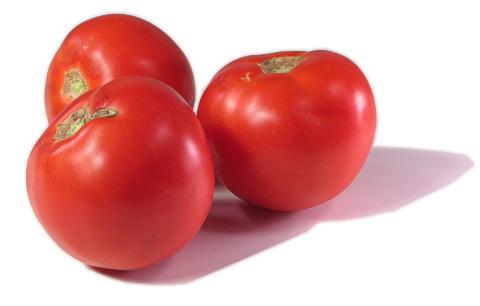
The Celebrity tomato's classic globe shape, meaty interior, and balanced flavor make it an exceptionally versatile culinary tomato. We find that its firm flesh holds up well when sliced, making it perfect for fresh salads, sandwiches, and burgers. Its lowacid, sweet profile also makes it a superb choice for a wide variety of sauces, salsas, and soups. We recommend harvesting the tomatoes when they are a deep, uniform red and have a slight give to the touch. The firm, crackresistant skin means they also store well for a few days on the counter. We have found that the best way to enjoy the full flavor of a freshpicked Celebrity tomato is to simply slice it and sprinkle with a pinch of sea salt. I do, from my experience, find that this simple preparation truly highlights the fruit's inherent goodness. We recommend trying them in a classic Caprese salad with fresh mozzarella and basil. For those with a large harvest, we suggest roasting them to concentrate their flavor, or transforming them into a rich, homemade tomato sauce for pasta or pizza. We believe the possibilities are truly endless with this garden workhorse.


Comments
Post a Comment