Chives growing time
Of all the herbs one might choose to cultivate, we believe that chives stand out as an exceptional choice. Their delicate, onionlike flavor, their elegant appearance, and their remarkable resilience make them an indispensable addition to any garden or kitchen. The purpose of this extensive guide is to demystify the entire process, from the first seed to the final snip, providing a comprehensive and authoritative resource on chives growing time and everything that surrounds it.
From my experience as a lifelong gardener and a professional in the culinary arts, I have come to appreciate chives not just for their flavor, but for their sheer tenacity. They are a plant that truly gives back, requiring minimal fuss for a maximum return. I have seen them thrive in a multitude of conditions, from a humble pot on a city balcony to a sprawling, sundrenched garden bed. This article is a culmination of years of handson experience, coupled with meticulous research, all designed to empower you with the knowledge to grow your own successful chive patch. We're not just providing a simple set of instructions; we're giving you a detailed roadmap to a successful, longterm relationship with this wonderful herb.
Understanding Chives: The Plant and Its Growth Cycle
Before we can effectively discuss the nuances of chives growing time, we must first truly understand the plant itself. Chives, scientifically known as Allium schoenoprasum, are a member of the Amaryllidaceae family, which also includes other culinary heavyweights such as onions, garlic, and leeks. Unlike their bulbous relatives, however, chives are cultivated primarily for their slender, hollow, green leaves. These leaves, which grow in dense clumps from small bulbs beneath the soil, are the part we use in cooking.
The growth cycle of a chive plant is a fascinating and predictable process, one that we have observed countless times. As a perennial herb, chives are designed to return year after year, making them a fantastic longterm investment for any gardener.
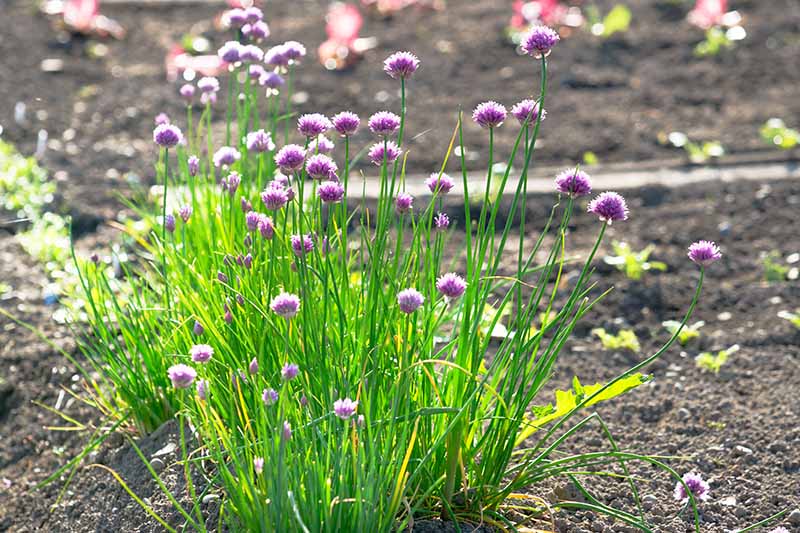
The cycle begins in early spring as the soil warms up. The dormant bulbs beneath the ground, which have been storing energy all winter, begin to sprout new, vibrant green leaves. These leaves grow rapidly, forming a dense clump. By late spring to early summer, the plant will produce beautiful, globeshaped, pinkishpurple flowers. These flowers are not only visually stunning but are also edible and have a milder flavor than the leaves. Once the flowers fade, they produce seeds, which can be a method of natural propagation. In the fall, as temperatures drop, the foliage will die back, and the plant will once again enter a dormant state, ready to repeat the cycle the following spring.
This cyclical nature is why we recommend chives for both novice and experienced gardeners. There is a sense of continuity and predictability that is deeply satisfying. The key to a prolonged and productive harvest is to understand and work with this natural rhythm.
Chives Growing Time: From Seed to First Harvest
When we talk about chives growing time, we are generally referring to the period it takes to get from planting to the first usable harvest. This timeline can vary significantly depending on your starting point: seeds or established plants. We will break down both scenarios in meticulous detail, ensuring you have the precise information you need.
Growing Chives from Seed: The Patient Gardener's Reward
If you choose to start your chives from seed, you are embarking on a journey that requires a bit more patience but offers a deep sense of accomplishment. From my experience, I do believe this is the most rewarding way to start. The overall growing time from seed to a mature, harvestable plant is approximately 80 to 90 days.
Here is a detailed breakdown of the key stages and their associated timelines:
1. Sowing and Germination (1020 days): We recommend starting chive seeds indoors 6 to 8 weeks before your last expected spring frost. This gives the seedlings a head start and a better chance of thriving once transplanted.
Preparation: Use a highquality, sterile seedstarting mix. We find that a mix enriched with vermiculite and a bit of compost works wonders for moisture retention and nutrient availability.
Sowing: Plant seeds about ¼ inch deep. Chives are a bit unique; they germinate best when sown in clusters of 46 seeds. This is a crucial detail that many guides miss. The tiny seedlings will grow together, forming a small clump that is easier to transplant later.
Conditions: Maintain a consistent soil temperature of around 6070°F (1521°C). Keep the soil consistently moist but never waterlogged. We use a gentle spray bottle to mist the surface to avoid disturbing the seeds.
What to Expect: Germination is not instantaneous. Be prepared to wait 10 to 20 days for the first tiny green shoots to emerge.
2. Seedling Growth and Hardening Off (46 weeks): Once your seedlings have sprouted, they will spend the next month or so growing in their indoor environment.
Care: Provide plenty of light. A southfacing window is ideal, but if natural light is insufficient, we recommend using a fullspectrum grow light. Rotate the pots regularly to ensure even growth. Continue to keep the soil moist.
Thinning: If you see multiple plants in a single clump, there is no need to thin them out. Chives actually prefer to grow in clumps.
Hardening Off: This is a critical step that prepares your indoorgrown seedlings for the outdoor world. About a week before transplanting, we recommend gradually exposing the plants to outdoor conditions. Start with an hour or two in a shady, protected spot and slowly increase the time and sunlight exposure each day.
3. Transplanting and Establishment (24 weeks): After the danger of frost has passed, your chive seedlings are ready to move to their permanent home.
Location: Chives thrive in full sun to partial shade. They prefer rich, welldrained soil with a pH between 6.0 and 7.0.
Transplanting: Gently separate the clumps of seedlings and plant them about 6 to 8 inches apart. Water them thoroughly after transplanting to help the roots settle in.
First Harvest: The chive plants will spend the next few weeks establishing their root systems and producing new foliage. We recommend waiting until the plants are at least 6 inches tall before your first harvest. This allows the plant to build up its energy reserves. The time from transplanting to this first harvest is typically another 2 to 4 weeks.
Growing Chives from Divisions: The Speedy Solution
For those who want a quicker result or have access to an established plant, propagating chives through division is an excellent option. This method bypasses the germination and initial seedling phase, significantly reducing the overall time to harvest.
Timing: The best time to divide chives is in early spring as the new growth begins or in the late fall after the foliage has died back.
Process: Carefully dig up the entire clump of chives. You will notice that the clump is made up of numerous small, tightly packed bulbs. Gently separate these bulbs into smaller clumps, each with its own root system and several shoots.
Replanting: Immediately replant these divisions in your desired location, spacing them about 8 inches apart. Water them well.
Harvest: Because you are starting with an established root system, you can often begin harvesting from these divisions within 30 days of planting. We find that this method is incredibly effective and provides an almost instant chive supply.
Advanced Cultivation Techniques for Maximum Yield
While chives are famously easy to grow, we believe that understanding and implementing a few advanced techniques can elevate your chive game from good to truly exceptional.
Optimal Soil and Nutrient Management
The foundation of any healthy plant is healthy soil. We recommend a few key practices to ensure your chives have the best possible growing environment.
Soil Amendment: Before planting, we recommend amending your soil with a generous amount of compost or wellrotted manure. This not only improves soil structure and drainage but also provides a slowrelease source of nitrogen, which is essential for lush, green leaf growth.
Fertilization: Chives are not heavy feeders, but a little nutritional boost goes a long way. We suggest a light application of a balanced organic fertilizer (such as a 5105 NPK ratio) in early spring as the new growth emerges. For containergrown chives, we recommend a diluted liquid fertilizer applied every 46 weeks during the growing season.
Mulching: A layer of organic mulch, such as straw or shredded leaves, around the base of the plant is incredibly beneficial. It helps conserve moisture, suppress weeds, and regulate soil temperature, all of which contribute to a healthier, more productive plant.
The Art of Proper Harvesting
The way you harvest your chives has a direct impact on the plant's longterm health and productivity. We have seen many people make the mistake of simply snipping a few leaves off the top, but this is not the most effective method.
Method: We recommend using sharp scissors or kitchen shears to cut the leaves from the base of the plant, about 12 inches above the soil line. This "haircut" method encourages the plant to produce new growth from the center, leading to a denser, more vigorous clump.
Timing: Begin harvesting once the leaves are at least 6 inches tall. Harvest only what you need, and never take more than onethird of the plant at a time. This is a critical rule to prevent stressing the plant.
Harvesting Flowers: Chive blossoms are edible and delicious. We recommend harvesting them just as they are opening. If you want to prevent the plant from selfseeding, which can lead to chives spreading throughout your garden, be sure to deadhead the flowers after they fade.
Chives as a Companion Plant: A Symbiotic Relationship
Beyond their culinary uses, we believe that chives are one of the most valuable companion plants a gardener can have. Their strong, onionlike scent acts as a natural pest deterrent, and their beautiful flowers attract beneficial pollinators and predatory insects.
Beneficial Pairings
We have observed firsthand the positive impact of planting chives near a variety of other garden staples.
Carrots: Chives are particularly effective at repelling the carrot rust fly, a common pest that can devastate carrot crops. The scent of the chives masks the scent of the carrots, confusing the flies.
Tomatoes: Planting chives near tomatoes can help deter aphids and spider mites. We also find that chives are believed to enhance the flavor and vigor of tomatoes.
Roses: Chives are an excellent companion for roses, as they help repel aphids and can even help prevent black spot, a common fungal disease.
Brassicas (Cabbage, Broccoli): The strong scent of chives can deter cabbage moths and other pests that target these leafy vegetables.
Plants to Avoid
While chives are generally beneficial, there are a few plants they do not get along with. We do not recommend planting chives near beans or peas, as the sulfur compounds in chives can inhibit their growth.

Common Problems and Our Solutions
Even the most resilient plants can face challenges. We want to equip you with the knowledge to identify and address any potential issues with your chives.
Pests
Chives are remarkably pestresistant, but a few can occasionally cause problems.
Aphids: These small, softbodied insects can sometimes be found at the base of the plant. Our solution is simple and effective: a strong spray of water from a hose will dislodge them. For a more persistent infestation, we recommend an insecticidal soap spray.
Onion Thrips: These tiny insects can cause silver streaks on the leaves. The best way to prevent them is to ensure your plants are healthy and not stressed by drought. If you do see them, a spray of insecticidal soap or neem oil is an effective organic treatment.
Diseases
Fungal diseases are rare in chives, especially when grown in welldrained soil. However, it's important to know what to look for.
Rust and Downy Mildew: These fungal diseases can appear as orange or purple spots on the leaves. They are usually a sign of too much moisture and poor air circulation. The best prevention is proper spacing and ensuring the plant has good air flow. If you do see an outbreak, remove the affected leaves and dispose of them to prevent spread.
Yellowing Leaves
If you notice your chive leaves turning yellow, it's usually a sign of one of a few things:
Overwatering: This is the most common cause. Chives like consistent moisture but not waterlogged soil. Ensure your pot or garden bed has excellent drainage.
Nutrient Deficiency: While not common, a lack of nitrogen can cause yellowing. A light application of a nitrogenrich fertilizer or compost can quickly remedy this.
Old Age: As the plant grows, some of the older, outer leaves may naturally yellow and die back. This is normal and you can simply trim them away.
The Versatility of Chives: Beyond the Garden
We believe that the true value of chives is not just in their ease of growth but in their incredible versatility in the kitchen. Their mild, fresh, onionlike flavor makes them a perfect garnish, but their uses extend far beyond that.
Culinary Applications
Garnishing: The most common use. Snip fresh chives over baked potatoes, soups, salads, and scrambled eggs.
Flavoring: Finely chopped chives can be added to cream cheese, sour cream, and butter to create delicious spreads and sauces. They are a key ingredient in many classic French dishes, such as fines herbes.
Chive Blossoms: The flowers are edible and have a delicate, slightly sweeter flavor than the leaves. They can be broken apart and sprinkled on salads, or used to make a beautiful, pinkhued chive blossom vinegar.
Preservation
If you have a particularly bountiful harvest, you can easily preserve chives to enjoy them yearround.
Freezing: This is our preferred method. Finely chop the chives and place them in a single layer on a baking sheet. Once frozen, transfer them to a freezer bag or airtight container. They will retain their flavor and texture much better than dried chives.
Drying: While not as flavorful as fresh or frozen chives, drying is another option. Spread chopped chives on a tray in a wellventilated area away from direct sunlight. Once completely dry, store them in an airtight jar.
Beyond the Basics: A Deeper Look at Chive Varieties
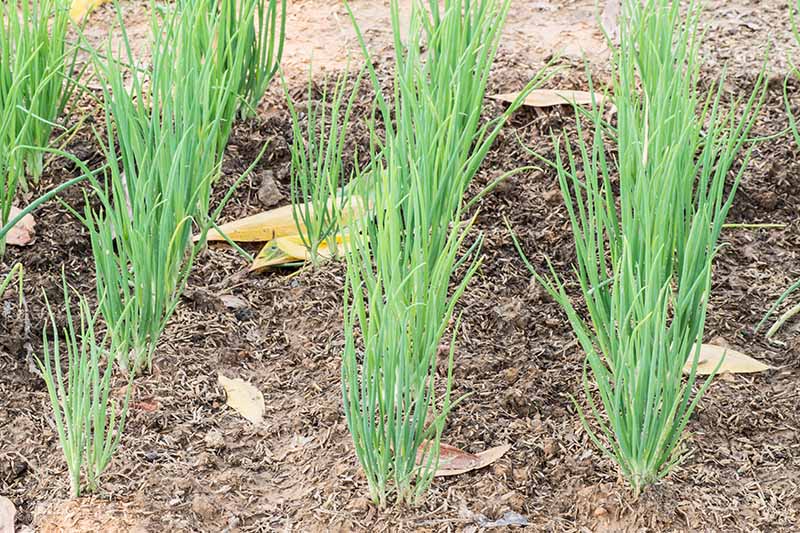
While common chives (Allium schoenoprasum) are the most widely grown, we believe it is important to explore the other varieties that offer unique flavors and characteristics.
Garlic Chives (Allium tuberosum)
Also known as Chinese chives, this variety is a fantastic alternative.
Appearance: Unlike the hollow, tubular leaves of common chives, garlic chives have flat, bladelike leaves.
Flavor: As the name suggests, they have a distinct garlicky flavor that is stronger than common chives.
Culinary Uses: They are a staple in many Asian cuisines and are excellent in stirfries, dumplings, and savory pancakes.
Growth: They have a similar growth habit to common chives but typically bloom later in the season with beautiful white flowers.
Giant Siberian Chives (Allium ledebourianum)
This is a lesserknown but equally impressive variety.
Appearance: They are similar to common chives but are much larger, with leaves that can grow up to 24 inches tall.
Flavor: They have a strong onion flavor, similar to their common cousin.
Growth: They are extremely coldhardy and are excellent for gardeners in colder climates.
Growing Chives Indoors: A YearRound Supply
For those with limited outdoor space or who want a continuous supply of fresh chives throughout the winter, we have found that growing them indoors is an incredibly effective solution.
Container Selection: Choose a container that is at least 68 inches deep and has excellent drainage holes. Terracotta pots are a great choice as they allow the soil to breathe.
Soil: Use a highquality organic potting mix that is specifically designed for herbs or containers.
Light: Chives require a significant amount of light, at least 68 hours of bright, indirect light per day. A southfacing window is ideal. If natural light is insufficient, we recommend a fullspectrum grow light to prevent the plants from becoming leggy and weak.

Watering: Water when the top inch of soil feels dry to the touch. It is crucial to ensure that no water sits in the saucer beneath the pot, as this can lead to root rot.
Fertilization: Indoor chives will benefit from a regular, but light, feeding. We recommend a halfstrength liquid organic fertilizer applied every 46 weeks.
Bringing Outdoor Plants Inside: A popular and effective method is to pot up a small clump from your outdoor garden in the fall. We recommend cutting the foliage back and leaving the pot outside for a few weeks to experience a "cold snap" before bringing it indoors. This shock often stimulates new growth.
The Longevity and Health of Your Chive Patch
As a perennial, a wellcaredfor chive plant can provide you with fresh herbs for many years. We have had chive plants in our gardens that have been productive for well over a decade. However, we have found that they do benefit from a bit of rejuvenation every few years.
Division: As the chive clump grows denser, the individual plants can become crowded, leading to a reduction in vigor and productivity. We recommend dividing your chive clumps every 3 to 4 years in the spring or fall. This not only gives you more plants but also revitalizes the original clump, ensuring it remains healthy and productive for years to come.
Regular Trimming: Even if you are not harvesting for culinary use, we recommend giving your chives a "haircut" several times a year. This encourages new growth and keeps the plant from becoming tough or woody. It also helps prevent the plant from flowering and selfseeding, which can sometimes be undesirable if you don't want chives spreading everywhere.
Conclusion: A Final Word on the Chive Journey

We have explored the chive growing time from every angle, from the humble seed to the longlived perennial clump. From my experience, I do believe that growing chives is one of the most rewarding and straightforward gardening endeavors. We have covered the critical timelines, the best cultivation techniques, and the invaluable role chives play as a companion plant. We have detailed how to address common issues and how to ensure a long and productive life for your plants.
I recommend that every gardener, regardless of their experience level, plant a chive patch. Whether in a large garden bed, a small container on a windowsill, or tucked into a corner of a flower bed, the chive's ability to provide a continuous supply of fresh, flavorful leaves is a constant source of joy. The journey from a tiny seed to a thriving clump is a testament to the simple magic of nature, and we believe there is no better guide to that journey than the one you have just read. Go forth, plant your chives, and enjoy the bountiful harvests for many years to come. The effort is minimal, but the reward is immense.


Comments
Post a Comment