Easy indoor herbs
The Ultimate Guide to Growing Easy Indoor Herbs: From Seed to Seasoning
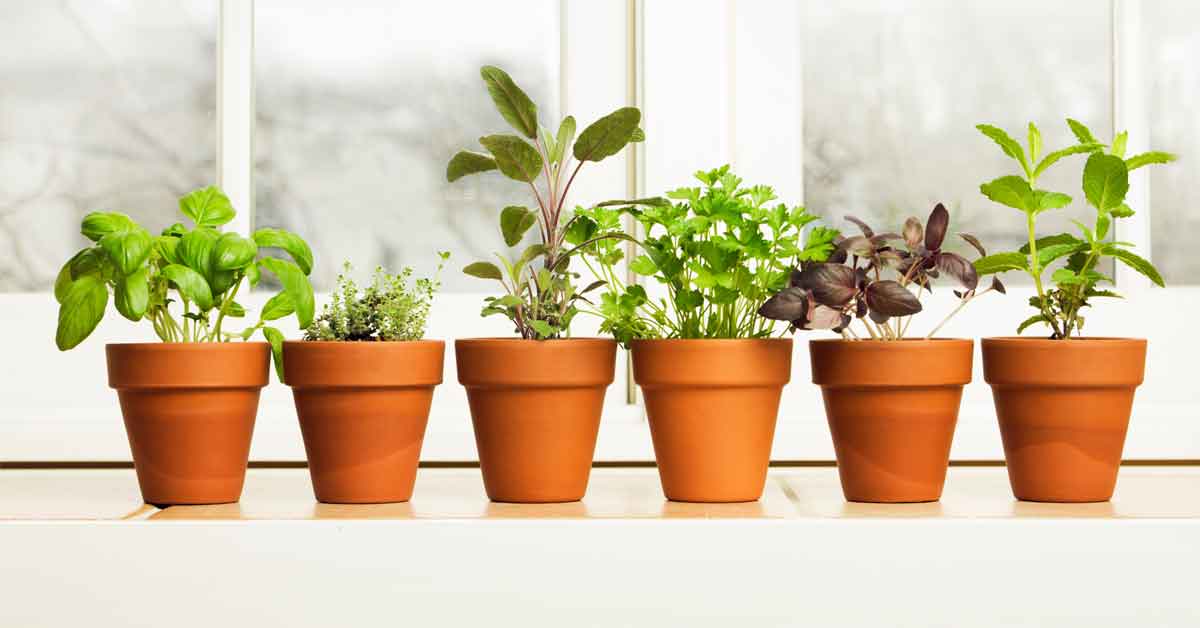
From my experience, there's nothing quite like the flavor and aroma of fresh herbs to elevate a dish. I do believe that having a continuous supply of these culinary powerhouses is a simple luxury everyone can enjoy, regardless of their living space. I recommend transforming a sunny windowsill or a small corner of your kitchen into a vibrant, fragrant herb garden. This isn't just about convenience; it's about connecting with your food in a deeper, more meaningful way. From my perspective, growing your own herbs provides an unparalleled sense of satisfaction, and I'm here to show you exactly how to achieve it.
Why Cultivate a Kitchen Garden? The Unparalleled Benefits of Fresh Herbs
For me, the decision to grow my own herbs was driven by a desire for both flavor and freshness. I do find that storebought herbs, while convenient, often lack the vibrant intensity of their freshly picked counterparts. I recommend that anyone looking to enhance their cooking and reduce food waste should consider an indoor herb garden. The benefits are multifold and truly transformative. From my observation, the simple act of snipping a few sprigs of basil or a handful of chives before adding them to a meal can completely change the final product.
The Culinary Advantages: A Symphony of Flavor at Your Fingertips
I do believe that the most immediate and impactful benefit of an indoor herb garden is the significant improvement in your cooking. From my experience, fresh herbs are infinitely more potent and nuanced in flavor than their dried or packaged counterparts. I recommend trying a sidebyside comparison: a pesto made with fresh, homegrown basil versus one made with storebought. The difference is night and day. Fresh herbs retain their essential oils, which are responsible for their distinctive aromas and tastes. This allows you to use less and achieve a more profound flavor profile. For me, this is a gamechanger for everything from simple salads to complex sauces.
Health and Wellness: More Than Just a Garnish
I do see herbs as more than just a seasoning; they are packed with vitamins, minerals, and antioxidants. From my research, many common culinary herbs like rosemary, thyme, and oregano have been studied for their potential health benefits, including antiinflammatory and antimicrobial properties. I recommend incorporating a variety of fresh herbs into your diet not just for flavor, but for a nutritional boost. From my perspective, this is a simple, enjoyable way to support your overall wellbeing. Furthermore, the act of gardening itself, even on a small scale, has been shown to reduce stress and improve mental health. It's a therapeutic activity that I do find incredibly rewarding.
Financial and Environmental Impact: A Sustainable Choice
I do find that the cost of fresh herbs at the grocery store can add up quickly, especially when you only need a small amount for a recipe. From my personal budget, I can attest that growing your own herbs is a highly costeffective solution. A single packet of seeds, which costs just a few dollars, can yield an abundance of herbs for months, if not years. I recommend this approach for anyone looking to save money on groceries. Additionally, it significantly reduces food waste. You only harvest what you need, when you need it, eliminating the problem of halfused, wilted herb bunches in the back of the refrigerator. From my standpoint, this is a small but meaningful step toward a more sustainable lifestyle. It also reduces the carbon footprint associated with transportation and packaging.
The Art of Selection: Choosing the Perfect Herbs for Your Indoor Garden
I do believe that the foundation of a successful indoor herb garden begins with choosing the right plants. From my experience, some herbs are far more forgiving and suited to indoor conditions than others. I recommend starting with a selection of easytogrow varieties that are versatile in the kitchen. This initial success will build your confidence and motivate you to expand your green thumb. From my point of view, the key is to match the plant’s needs with the environmental conditions you can provide, primarily light and space.
The EasytoGrow AllStars: A Detailed Look at Our Top Picks
I do find that the following herbs are the most reliable and rewarding for an indoor garden. From my cultivation efforts, I can vouch for their resilience and prolific growth. I recommend starting with one or two of these and then gradually adding more as you become more comfortable with the process. From my experience, these are the herbs that provide the biggest bang for your buck, both in terms of ease of care and culinary usefulness.
Basil (Ocimum basilicum)

I do consider basil the quintessential indoor herb. From my experience, it thrives on a sunny windowsill, and its sweet, peppery aroma is intoxicating. I recommend providing it with at least six hours of direct sunlight per day. It loves warmth, so avoid placing it in a drafty area. I find that basil is a thirsty plant and requires consistent watering, but I caution against overwatering, which can lead to root rot. The soil should be kept moist, but not waterlogged. I recommend a welldraining potting mix. When harvesting, I do suggest pinching off the leaves from the top of the plant rather than pulling them from the bottom. This encourages the plant to branch out and become bushier, yielding more leaves. From my perspective, regular harvesting is key to keeping your basil plant productive and preventing it from flowering prematurely, which can change the flavor of the leaves. There are many varieties of basil, including sweet basil, lemon basil, and Thai basil, all of which I recommend for their unique flavor profiles. Sweet basil is my goto for Italian cooking, while Thai basil is essential for many Southeast Asian dishes. I find that basil is particularly susceptible to pests like aphids and spider mites, so I do a regular inspection of the leaves. A gentle wipe with a damp cloth or a spray with a mild insecticidal soap can manage these issues. From my experience, growing basil from seed is quite easy, but I also recommend starting with a small plant from a nursery for a quicker harvest. Basil plants do not like to be crowded, so I recommend giving them plenty of space to grow. Repotting into a slightly larger container once the roots become potbound is a good practice to ensure continuous growth.
Mint (Mentha)
I do think mint is one of the easiest and most vigorous herbs to grow indoors. From my experience, it is so prolific that I recommend growing it in its own container to prevent it from taking over the entire garden. Mint is highly adaptable and can tolerate a range of light conditions, but I do find that it grows best in bright, indirect light. I recommend keeping the soil consistently moist, as mint is a waterloving plant. However, like basil, it is sensitive to waterlogged conditions. The leaves will tell you when they are thirsty by starting to droop. I find that mint is incredibly easy to propagate from cuttings. Simply place a stem cutting in a glass of water, and within a few weeks, it will develop roots. I recommend this method for anyone who wants to quickly expand their mint supply. I do find that regular harvesting not only provides you with fresh leaves but also keeps the plant healthy and bushy. I recommend trimming the plant back regularly to prevent it from becoming leggy. Mint comes in many different varieties, each with its own unique aroma and flavor, such as peppermint, spearmint, chocolate mint, and apple mint. From my perspective, spearmint is the most versatile for culinary uses, from cocktails to salads. Mint is a natural repellent for some pests, but it can occasionally attract others, so I recommend regular checks. Repotting mint annually in fresh soil will help it maintain its vigor and prevent the roots from becoming too dense.
Chives (Allium schoenoprasum)
I do consider chives an excellent choice for a beginner indoor gardener. From my experience, they are remarkably lowmaintenance and provide a delicate onionlike flavor. I recommend placing them in a spot with at least four to six hours of sunlight per day. Chives are quite resilient and can even tolerate cooler temperatures. I find that they prefer consistently moist soil and should not be allowed to dry out completely. I do recommend harvesting chives by snipping the outer leaves with scissors, about two inches from the base. This method allows the plant to continue producing new growth from the center. I do find that chives can be grown from seed or by dividing an existing plant. Dividing a mature plant is an excellent way to get a new plant started quickly. Chives also produce beautiful purple flowers, which are edible and can be used as a garnish. From my perspective, chives are a perfect addition to eggs, potatoes, and soups. They are generally resistant to pests and diseases, which makes them even more appealing. I recommend rotating the pot periodically to ensure all sides of the plant receive adequate light, promoting even growth. Chives are perennials, so they will come back year after year if cared for properly. They can also be a great companion plant, as their strong scent can deter some insects from nearby plants.
Rosemary (Salvia rosmarinus)
I do think rosemary is a fantastic herb for indoor growing, although it can be a bit more challenging than others. From my experience, rosemary requires a lot of light—I recommend placing it in the sunniest spot you have, a southfacing window is ideal. It prefers to be on the drier side, so I do caution against overwatering. The soil should be allowed to dry out completely between waterings to prevent root rot, which is a common issue with indoor rosemary. I find that rosemary thrives in a gritty, welldraining soil mix, and a terracotta pot is an excellent choice as it helps to wick away excess moisture. I recommend misting the plant occasionally to provide humidity, especially in dry indoor environments. When harvesting, I do suggest snipping off small sprigs from the tips of the branches. This encourages new, bushy growth. From my perspective, rosemary is a slowgrowing herb, so patience is key. I do recommend starting with a small plant from a nursery rather than from seed, as seeds can be difficult to germinate. Rosemary is susceptible to powdery mildew if air circulation is poor, so I recommend ensuring there is good airflow around the plant. Rotating the plant regularly will help it grow evenly and prevent it from leaning towards the light. I find that a little pruning in the spring can help maintain its shape and promote vigorous new growth. The strong, woody aroma of rosemary is wonderful for flavoring meats, potatoes, and breads. I also recommend using it for its natural airfreshening properties. From my experience, a healthy rosemary plant can be a longterm fixture in your indoor garden. Repotting should be done only when the plant is rootbound, typically every two to three years. The strong scent of rosemary can also act as a natural pest deterrent, which is a great bonus.
Thyme (Thymus vulgaris)
I do find thyme to be an incredibly resilient and easytogrow indoor herb. From my experience, it is very forgiving and can handle a variety of conditions. I recommend placing it in a spot with at least six hours of direct sunlight per day. Thyme prefers a welldraining soil and a less frequent watering schedule. I do find that allowing the soil to dry out completely between waterings is the best practice. Overwatering is the most common cause of failure for indoor thyme. I recommend growing thyme from a cutting or a small nursery plant, as starting from seed can be a slow process. When harvesting, I do suggest using small scissors to snip off the leafy stems. Regular harvesting will keep the plant from becoming leggy and woody. From my perspective, thyme is a versatile herb that pairs well with poultry, vegetables, and soups. It also has a lovely, subtle flavor that doesn't overpower other ingredients. I do find that thyme is relatively pest and disease resistant, making it an excellent choice for beginners. I recommend giving the plant a light pruning after flowering to maintain its shape and promote new growth. Thyme comes in many varieties, including lemon thyme and creeping thyme, each with its own unique characteristics. Lemon thyme, for example, is fantastic for adding a citrusy note to dishes. I also recommend using thyme as a ground cover for other plants, as its lowgrowing nature can help retain soil moisture. I find that a terracotta pot works well for thyme, as it helps prevent the soil from staying too moist. Thyme is a perennial, and with proper care, it will provide you with fresh sprigs for many years.
Parsley (Petroselinum crispum)
I do believe parsley is a musthave for any kitchen garden. From my experience, it adds a fresh, green finish to almost any dish. I recommend growing it in a location with bright, indirect light, though it can handle a few hours of direct morning sun. Parsley prefers consistently moist soil, so I do find that regular watering is necessary. It is important to ensure the soil never completely dries out. I recommend a rich, welldraining potting mix. When harvesting, I do suggest snipping the outermost stalks at the base of the plant. This allows the inner leaves to continue growing and keeps the plant productive. I find that harvesting regularly encourages the plant to produce more leaves. Parsley can be grown from seed, but it can be slow to germinate, so I recommend soaking the seeds overnight before planting. Alternatively, starting with a small plant from a nursery is a great way to get a head start. There are two main types of parsley: flatleaf (Italian) and curlyleaf. I do find that flatleaf parsley has a stronger, more robust flavor, while curlyleaf is often used for its decorative qualities. From my perspective, flatleaf is the more versatile choice for cooking. Parsley can be susceptible to spider mites and aphids, so I recommend regular inspections. I find that a gentle rinse with water can often dislodge these pests. Parsley is a biennial, meaning it lives for two years, but most gardeners treat it as an annual. It will produce leaves in the first year and flower in the second. The flowers are edible and can be a nice addition to salads. Repotting a growing parsley plant into a slightly larger container can help it thrive and produce more leaves.
The Art and Science of Successful Indoor Herb Gardening
I do believe that beyond choosing the right plants, a few key practices will ensure your indoor herb garden flourishes. From my experience, attention to detail is what separates a struggling plant from a thriving one. I recommend focusing on the fundamental needs of your herbs: light, water, soil, and nutrients. From my perspective, getting these four elements right is the secret to a verdant, productive garden.
Lighting: The NonNegotiable Ingredient for Growth
I do find that light is the single most important factor for an indoor herb garden. From my experience, most culinary herbs require at least four to six hours of direct sunlight per day. A southfacing window is ideal, but an east or westfacing window can also work. I recommend rotating your pots every few days to ensure all sides of the plant receive adequate light, promoting even growth. If you don't have enough natural light, I do suggest investing in a grow light. LED grow lights are energyefficient and can provide the full spectrum of light your herbs need. From my perspective, a simple clipon grow light can make all the difference in a lowlight environment. I recommend placing the grow light a few inches above the plants and keeping it on for 1214 hours a day. The right amount of light will prevent your plants from becoming leggy and weak. I find that plants will tell you if they need more light—they will stretch and have pale, sparse leaves. Conversely, too much direct sunlight can scorch some delicate herbs, so I do recommend monitoring your plants for signs of stress. A sheer curtain can sometimes provide a good balance for plants that prefer bright, indirect light.
Watering: The Delicate Balance Between Thirst and Drowning
I do believe that proper watering is an art form. From my experience, overwatering is the most common mistake made by new indoor gardeners. I recommend checking the soil moisture before watering. I do find that the best way to do this is with your finger; stick it about an inch or two into the soil. If it feels dry, it's time to water. If it feels moist, wait. I recommend watering slowly and thoroughly until water begins to drain from the bottom of the pot. This ensures that the entire root ball is hydrated. I do suggest using pots with drainage holes and a saucer to catch excess water. I find that allowing the plants to sit in standing water can lead to root rot. From my perspective, it's always better to underwater slightly than to overwater. I recommend adjusting your watering schedule based on the season and the specific needs of your herbs. In the summer, you may need to water more frequently, while in the winter, the plants will use less water. I find that different herbs have different watering needs—rosemary and thyme prefer drier soil, while basil and mint like more consistent moisture. I recommend getting to know the unique needs of each plant in your garden.
Soil and Nutrients: The Foundation of a Thriving Garden
I do believe that the soil you use is critical to your success. From my experience, a goodquality, welldraining potting mix is essential. I recommend avoiding garden soil, as it can be too dense and may contain pests or diseases. A potting mix formulated for container gardening will provide the right balance of aeration and moisture retention. I find that adding perlite or vermiculite can further improve drainage. I do suggest that while herbs are not heavy feeders, they do benefit from occasional fertilization. I recommend using a balanced, allpurpose liquid fertilizer at about half the recommended strength. I find that fertilizing once every two to four weeks during the growing season (spring and summer) is sufficient. From my perspective, overfertilizing can lead to leggy growth and can burn the plant's roots. I recommend stopping fertilization in the winter when the plant's growth slows. I do find that organic fertilizers, such as fish emulsion or compost tea, are excellent choices for herbs. These provide nutrients gradually and improve the overall health of the soil. Repotting a plant into a slightly larger container with fresh soil every year or two can also help replenish nutrients and provide space for root growth. I recommend checking the plant's root system for signs of being rootbound—roots circling the bottom of the pot are a clear sign it's time to repot.

Troubleshooting Common Indoor Herb Garden Issues
I do believe that even the most proficient gardener will encounter challenges. From my experience, knowing how to identify and address common issues is a crucial skill. I recommend regular inspection of your plants for signs of distress. Early intervention is key to preventing a small problem from becoming a disaster. From my perspective, a healthy plant is a happy plant, and being proactive is the best way to ensure that.
Pests and Diseases: A Proactive Approach to Protection
I do find that pests like aphids, spider mites, and whiteflies can be a nuisance for indoor herbs. From my experience, they often appear when conditions are too dry or there is poor air circulation. I recommend checking the underside of leaves and stems for tiny insects or webs. If you spot them, I do suggest a gentle, nontoxic solution. I find that a simple spray of water with a few drops of dish soap can be an effective way to control them. I recommend repeating the treatment every few days until the pests are gone. I do suggest wiping the leaves with a damp cloth to remove any remaining pests. From my perspective, good air circulation is a great preventative measure. I recommend keeping plants a little spaced out and opening a window when the weather permits. Fungal diseases like powdery mildew can also occur, especially in humid conditions with poor air flow. I find that powdery mildew looks like a white, powdery substance on the leaves. I recommend pruning affected leaves and improving air circulation to manage this issue. I do suggest a gentle fungicidal spray if the problem persists. From my experience, a healthy plant with a strong immune system is less likely to be affected by pests and diseases, so I recommend focusing on providing optimal growing conditions.
Yellowing Leaves and Drooping Stems: Diagnosing Plant Distress
I do believe that a plant's leaves are its way of communicating. From my experience, yellowing leaves are often a sign of overwatering. I recommend allowing the soil to dry out more between waterings and checking the drainage of your pot. I find that yellowing can also be a sign of a nutrient deficiency, so I recommend a light application of fertilizer. Drooping or wilting stems can indicate either too much or too little water. I do find that if the soil is bone dry, the plant needs a drink immediately. If the soil is wet, it's likely overwatered, and the roots may be struggling to get oxygen. From my perspective, you can tell the difference by the feel of the soil. I recommend adjusting your watering schedule accordingly. I do suggest moving the plant to a new location if it seems to be suffering from a lack of light—if it's drooping and the leaves are pale, more light is probably needed. I find that understanding these signals will allow you to quickly remedy the problem and get your herbs back on track. I recommend keeping a small journal to track your watering schedule and observations, which can be very helpful for diagnosing recurring issues.
Hydroponics and Beyond: Advanced Indoor Herb Gardening Techniques
I do believe that once you have mastered the basics of soilbased gardening, you may want to explore more advanced techniques. From my experience, hydroponics—growing plants in a nutrient solution without soil—is an excellent way to grow herbs indoors. I recommend starting with a small, selfcontained hydroponic system, as they are a great way to experiment without a lot of hassle. I do find that these systems are incredibly efficient, as they use less water and can produce faster growth. I recommend growing herbs like basil, mint, and parsley in a hydroponic setup. From my perspective, the clean, soilfree environment also helps to reduce the risk of pests and diseases. I do suggest that while the initial investment might be higher, the longterm benefits in terms of yield and ease of use can be significant. I find that hydroponic systems are a great solution for those who want a continuous supply of fresh herbs yearround, regardless of light conditions, as most systems come with builtin grow lights. I also recommend exploring other methods like aquaponics, which combines fish farming and plant cultivation. From my experience, this creates a beautiful, symbiotic ecosystem that is both productive and fascinating. I recommend starting with a simple setup and then scaling up as you become more confident. I find that for those with limited space, a vertical garden or a tiered plant stand can be a great way to maximize your growing area. I do believe that innovation in indoor gardening has made it possible for anyone, anywhere, to have a thriving herb garden, and I recommend embracing these new technologies to enhance your growing experience. From my perspective, the possibilities are endless.
The Joy of Harvest: From Your Garden to Your Plate
I do believe that the most rewarding part of indoor herb gardening is the harvest. From my experience, there is an immense satisfaction that comes from using something you have nurtured yourself. I recommend harvesting your herbs regularly to encourage new growth and keep your plants productive. From my perspective, a simple pair of kitchen scissors is all you need to snip off what you need, when you need it.
Harvesting and Storing for Peak Freshness
I do find that the best time to harvest most herbs is in the morning, after the dew has dried but before the sun is at its strongest. I recommend harvesting a little at a time, only what you plan to use immediately. For most leafy herbs like basil, mint, and parsley, I do suggest snipping the outer leaves or stems to encourage the plant to continue producing from the center. For woody herbs like rosemary and thyme, I recommend snipping off the soft, new growth at the tips. I do find that this method of harvesting not only gives you fresh herbs but also helps to shape the plant and keep it from becoming leggy. From my perspective, storing fresh herbs correctly is key to prolonging their life. I recommend rinsing them gently and then patting them dry. For delicate herbs like parsley and cilantro, I do suggest placing the stems in a glass of water, like a bouquet, and covering them loosely with a plastic bag. For sturdier herbs like rosemary and thyme, I find that wrapping them in a damp paper towel and placing them in a sealed bag in the refrigerator works well. From my experience, the sooner you use them after harvesting, the better the flavor. I recommend freezing chopped herbs in ice cube trays with a little olive oil or water for longterm storage. This is a great way to preserve the flavor of your harvest to use in soups and sauces later on. I do believe that this attention to detail in harvesting and storage will ensure you get the most out of your hard work.

Cooking with Your Homegrown Herbs: Recipes and Inspiration
I do find that once you have a steady supply of fresh herbs, the culinary possibilities are endless. I recommend starting with simple recipes that highlight the fresh, vibrant flavors. From my experience, a simple tomato and mozzarella salad with fresh basil is a revelation. I do suggest using fresh mint in teas, cocktails, or in a simple salad of cucumber and yogurt. From my perspective, a few sprigs of fresh rosemary can elevate a roasted chicken or a batch of roasted potatoes to new heights. I find that fresh thyme is a perfect addition to scrambled eggs or a hearty soup. I recommend experimenting and being creative with your herbs. I do suggest making your own herbinfused oils or vinegars, which make excellent gifts and are a wonderful way to preserve the essence of your garden. From my experience, blending fresh herbs with softened butter creates a delicious compound butter that is perfect for spreading on bread or melting over steak. I recommend exploring recipes from different cuisines to see how herbs are used around the world. I find that your indoor herb garden will not only provide you with fresh ingredients but will also inspire you to become a more creative and confident cook. I do believe that cooking with your own homegrown herbs is a truly unique and satisfying experience that will connect you more deeply to your food.
Final Thoughts: Cultivating a Lifelong Passion
I do believe that growing easy indoor herbs is more than just a hobby—it's a journey into selfsufficiency and a deeper appreciation for the food we eat. From my experience, the simple act of nurturing a plant and watching it grow is incredibly therapeutic and rewarding. I recommend starting small, being patient, and celebrating every success along the way. I do find that the knowledge and confidence you gain from growing a few herbs can be applied to other plants and even a fullscale outdoor garden someday. From my perspective, this guide is not just about growing plants; it's about cultivating a lifelong passion for gardening and a healthier, more flavorful lifestyle. I do hope that you will embark on this journey and discover the immense joy that comes with having a living, breathing garden right in your own home. I recommend that you share your experience with others, as the community of gardeners is a supportive and inspiring one. From my experience, there is always something new to learn, and the process of growing is a continuous source of wonder and satisfaction. I do believe that a thriving indoor herb garden is a testament to your connection with nature, and I recommend you start today and enjoy the incredible benefits for years to come.


Comments
Post a Comment